Understanding how daytime running lights work helps drivers get more value from modern vehicle safety features. In the United States, many newer cars, trucks, and SUVs use DRLs as a simple way to improve daytime visibility on roads, highways, and parking areas.
From my experience studying vehicle lighting systems, the biggest mistake drivers make is thinking DRLs are the same as headlights. They are not. DRLs are designed to help others notice your vehicle, while headlights are built to illuminate the road in dark conditions.

What Are Daytime Running Lights?
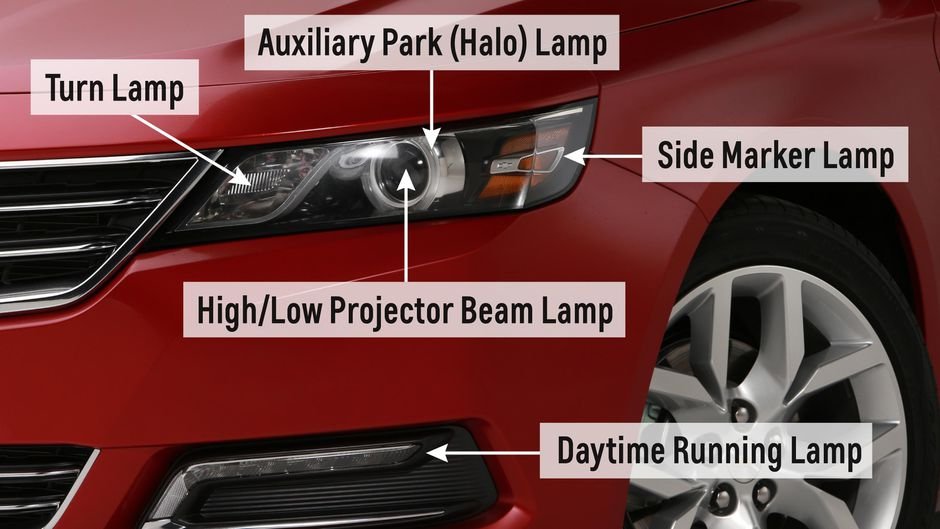
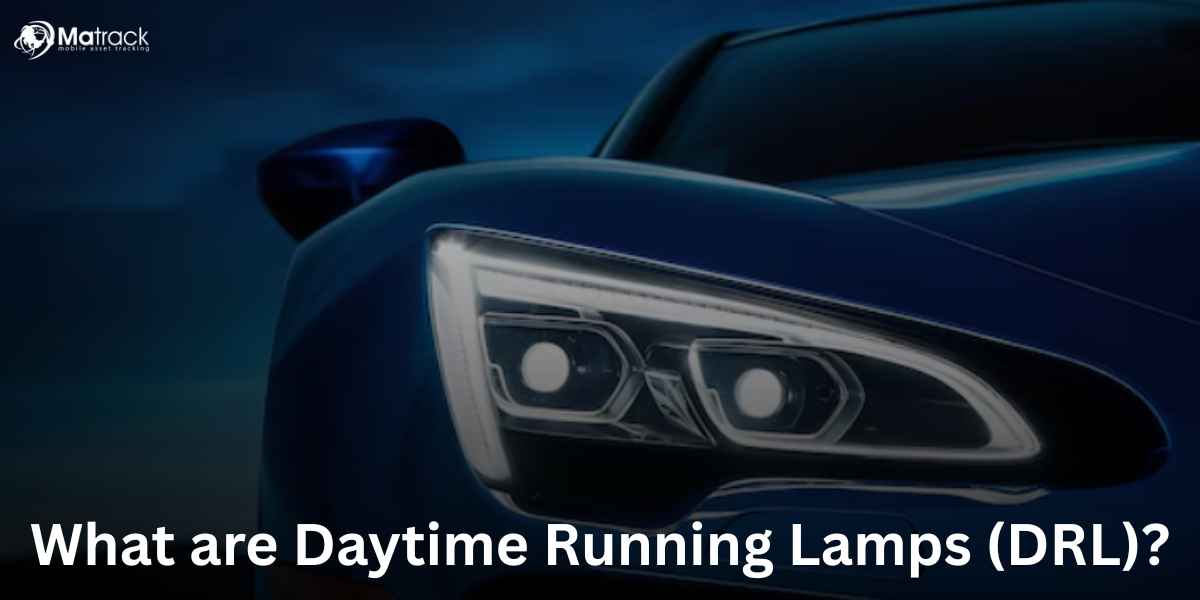
Daytime running lights, often called DRLs, are front-facing lights designed to increase vehicle visibility during daylight. They usually sit near the headlights and create a noticeable light signature without producing the same brightness as full headlights.
When learning how daytime running lights work, it is important to understand their purpose. They are not designed to help drivers see farther. Instead, they help other road users see your vehicle sooner.
- ✦ Visibility improvement
DRLs make the front of a vehicle easier to identify in bright daylight, rain, and changing weather conditions.
- ✦ Automatic operation
Most DRL systems activate automatically when the engine starts or when the vehicle enters driving mode.
How DRLs Differ From Headlights
Headlights provide illumination so drivers can see the road ahead at night or in low visibility. DRLs mainly work as a safety signal that shows other people where your vehicle is located.
- ✦ DRL purpose
Increase daytime visibility.
- ✦ Headlight purpose
Light the road and improve nighttime vision.
How Daytime Running Lights Work Step by Step
The process behind how daytime running lights work is simple. When a vehicle starts, the electrical system sends power to the DRL module or control system. The lights then turn on automatically.
Many vehicles use sensors and computer controls to decide when DRLs should operate. For example, some systems reduce DRL brightness when headlights are activated at night.

- ✦ Vehicle startup
The DRL system receives power when the engine runs or the ignition turns on.
- ✦ Control module operation
A vehicle computer manages when the lights turn on, dim, or switch off.
- ✦ Light output
The system uses controlled brightness to provide visibility while reducing energy use.
The Role of LED Technology in DRLs
Most modern daytime running lights use LEDs because they need very little energy and can last for many years. LED DRLs also allow car makers to create thin, stylish light designs that improve vehicle appearance.
LED technology has changed how daytime running lights work by making systems smaller, more reliable, and easier to integrate into modern vehicles.
Main Components of a Daytime Running Light System
A DRL system contains several parts that work together to provide automatic lighting. While designs vary by manufacturer, the basic parts are similar across many vehicles.
Knowing these components makes it easier to understand warning signs when a daytime running light stops working.

- ✦ LED bulbs or light strips
These create the visible daytime light and are common in newer vehicles.
- ✦ DRL control module
This manages power delivery and controls the lighting behavior.
- ✦ Sensors and wiring
These allow the system to communicate with the vehicle electrical network.
Electrical Control and Safety Features
Modern vehicles often connect DRLs with the main body control system. This allows the car to adjust lighting automatically based on driving conditions.
Benefits of Daytime Running Lights
The main reason manufacturers install DRLs is to improve vehicle visibility. A car with visible front lighting can stand out more clearly from its surroundings during the day.
When exploring how daytime running lights work, the safety benefit comes from making vehicles easier for pedestrians, cyclists, and other drivers to notice.
- ✦ Better daytime visibility
DRLs help vehicles remain noticeable during bright sunlight and changing weather.
- ✦ Low energy consumption
LED DRLs use less electricity compared with traditional lighting systems.
- ✦ Long service life
Quality LED systems usually require less frequent replacement.
Common Daytime Running Light Problems
Although DRLs are designed to last, they can develop problems over time. A failed bulb, damaged wiring, or electrical issue may cause one or both lights to stop working.
Drivers who understand how daytime running lights work can identify problems earlier and avoid ignoring important lighting issues.

- ✦ Burned-out LED module
Some LED systems require replacement of the entire light assembly instead of a single bulb.
- ✦ Electrical faults
Loose connections, damaged wires, or control module problems can interrupt power.
- ✦ Dashboard warnings
Some vehicles display a warning message when DRL systems detect an issue.
Can You Drive With a Failed DRL?
A failed DRL does not usually stop a vehicle from operating, but it reduces daytime visibility. Drivers should repair lighting problems quickly, especially if the issue affects other vehicle lights.
Are Daytime Running Lights Required in the United States?
In the United States, daytime running light rules depend on vehicle type and manufacturer requirements. Many newer vehicles include DRLs as standard equipment, but drivers should check local laws and vehicle manuals.
The question of how daytime running lights work is closely connected to vehicle safety design. DRLs are one part of a larger system that includes headlights, brake lights, turn signals, and other safety features.

- ✦ Check local regulations
Lighting laws can vary by state and vehicle category.
- ✦ Follow manufacturer guidance
Vehicle manuals explain the exact DRL operation for each model.