
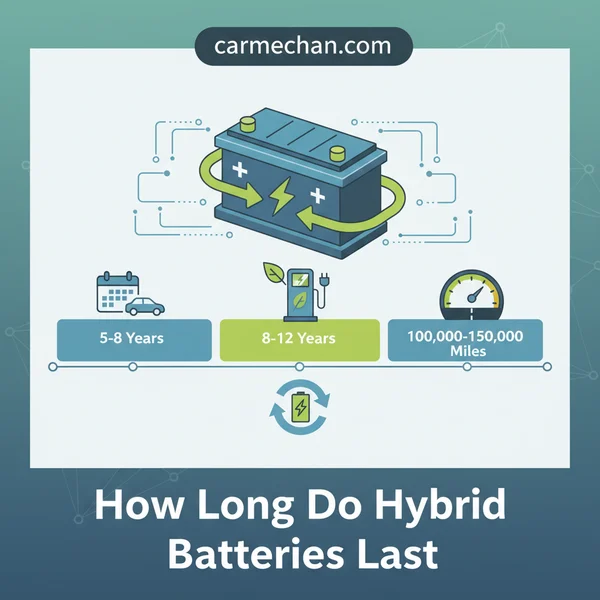
Many US drivers ask how long hybrid batteries typically last before buying a hybrid vehicle. Modern hybrid battery systems are built for long service life and can often last as long as major vehicle components. A well-maintained hybrid can provide years of reliable fuel savings without frequent battery concerns.
From working with automotive topics, one common lesson is that battery lifespan depends on more than age alone. Heat, driving patterns, battery cooling, and vehicle maintenance all play a role. Understanding these factors helps owners make better choices and avoid unnecessary repair worries.

What Is the Average Lifespan of a Hybrid Battery?
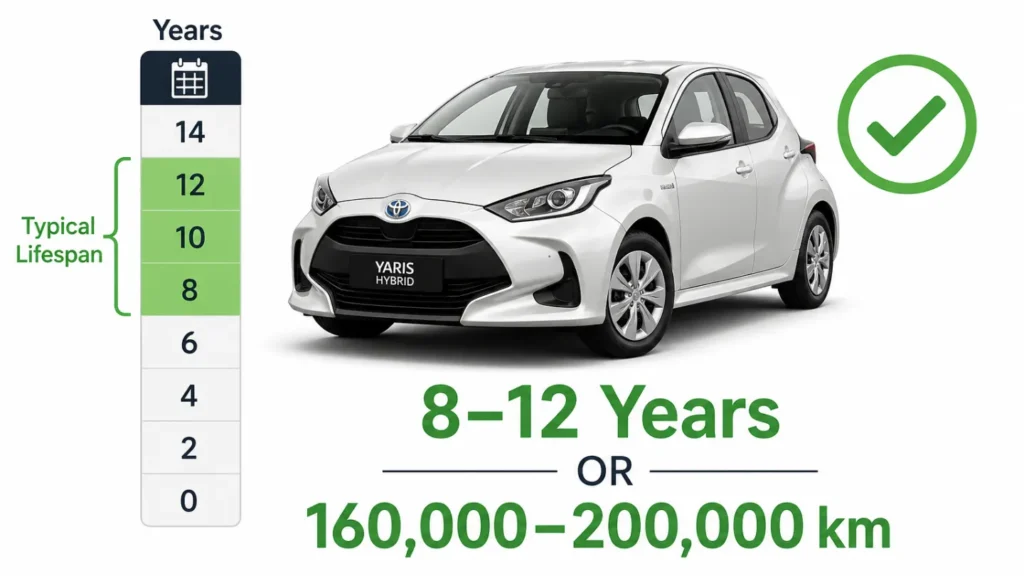
When people ask how long hybrid batteries typically last, the common answer is around 8 to 15 years. Many hybrid vehicles also reach 100,000 to 200,000 miles before the battery shows major signs of aging.
Hybrid batteries are designed differently from regular car batteries. They charge and discharge many times during normal driving, but the system controls these cycles to reduce stress and improve durability.
- ✦ Typical service life
Most hybrid batteries provide many years of use before replacement becomes necessary.
- ✦ Mileage expectations
Many hybrid owners drive well beyond 100,000 miles before experiencing serious battery problems.
- ✦ Gradual aging
Battery capacity usually decreases slowly instead of failing instantly.
Why Hybrid Batteries Last Longer Than Expected
Hybrid vehicles use smart battery management systems. These systems prevent extreme charging and draining, which helps protect battery cells over time.
The gasoline engine and electric motor share the workload. This reduces constant stress on individual parts and supports longer battery life.
- ✦ Battery management technology
Computer controls maintain safer charging levels and protect battery health.
Factors That Affect How Long Hybrid Batteries Typically Last
Several conditions influence how long hybrid batteries typically last. Two vehicles of the same model can have different battery lifespans because their owners may drive and maintain them differently.
Battery chemistry, temperature, driving style, and cooling system performance are some of the biggest factors. Good habits can reduce wear and help maintain performance.
- ✦ Climate conditions
Extreme heat can increase battery stress, while very cold temperatures can temporarily reduce performance.
- ✦ Driving habits
Smooth driving and regular use are generally better for battery health than long periods of inactivity.
- ✦ Vehicle maintenance
Keeping cooling vents clean and following service schedules supports battery operation.
The Impact of Heat on Hybrid Batteries
Heat is one of the biggest challenges for battery systems. High temperatures can speed up chemical aging inside battery cells.
Drivers in hot US states should pay attention to battery cooling systems and avoid blocking airflow around battery vents.
- ✦ Battery cooling
Proper airflow helps control temperature and reduce unnecessary battery stress.
Signs a Hybrid Battery May Be Losing Capacity
A hybrid battery usually does not stop working without warning. Most drivers notice changes before a complete failure occurs.
Recognizing early signs can help owners diagnose problems sooner and avoid unexpected repair costs.

- ✦ Lower fuel economy
A weak battery may cause the gasoline engine to work harder and reduce efficiency.
- ✦ Reduced electric assistance
The vehicle may use the gasoline engine more often when battery capacity drops.
- ✦ Dashboard warnings
Battery warning lights or hybrid system alerts may indicate a problem.
How Different Driving Habits Influence Hybrid Battery Life
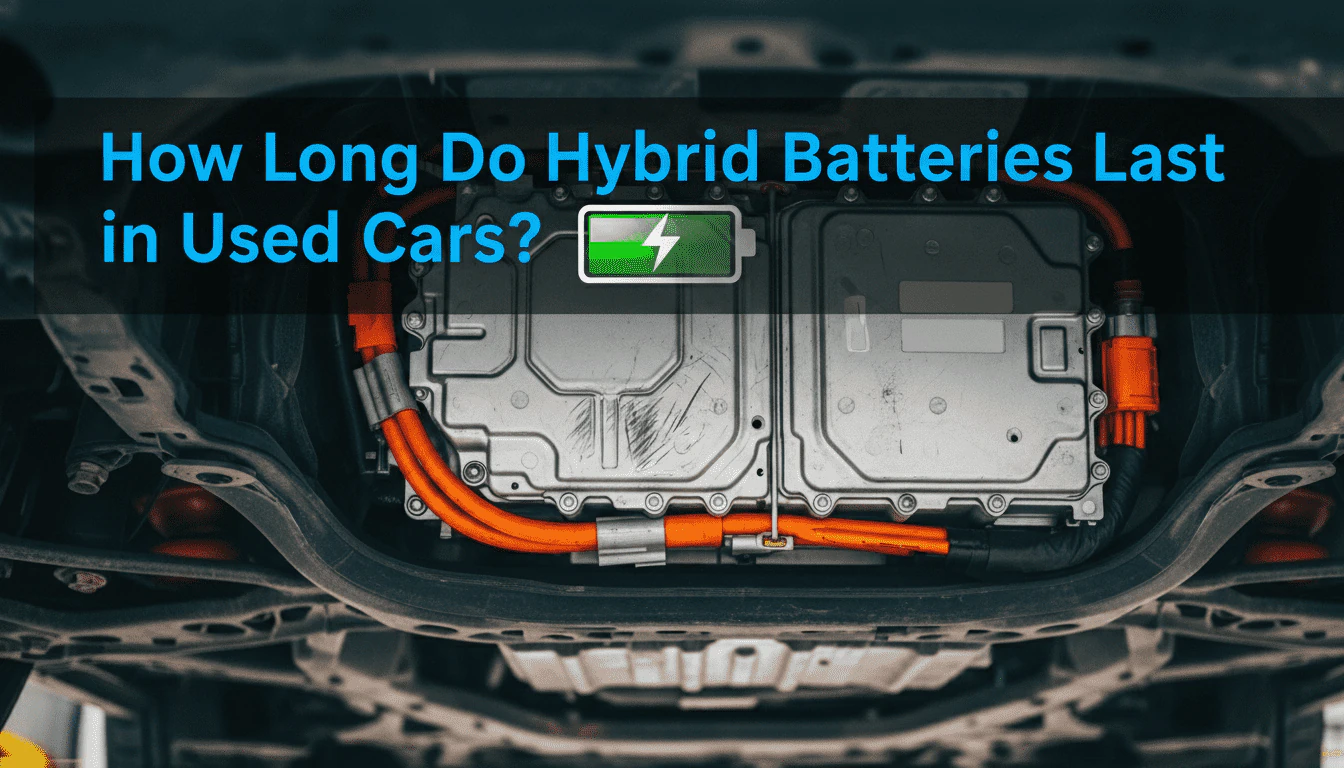
Driving habits have a strong effect on how long hybrid batteries typically last. Hybrid systems are designed for daily use, including commuting, city driving, and highway travel.
A vehicle that sits unused for months may experience different battery behavior compared with one that is driven regularly. Consistent operation allows the battery system to maintain normal cycles.
- ✦ Regular driving
Frequent use helps the hybrid system maintain normal operation.
- ✦ Smooth acceleration
Gentle driving can reduce unnecessary strain on vehicle systems.
- ✦ Routine inspections
Checking battery-related components during service can identify issues early.
City Driving vs Highway Driving
Hybrid vehicles often perform very well in city traffic because regenerative braking helps recharge the battery during slowdowns.
Highway driving may rely more on the gasoline engine, but it can still provide efficient operation when the hybrid system is healthy.
- ✦ Regenerative braking
This system captures energy during braking and sends it back to the battery.
Hybrid Battery Replacement: Cost and Expectations
When a hybrid battery reaches the end of its useful life, replacement may restore the vehicle’s performance. The cost depends on the vehicle model, battery type, labor rates, and whether the battery is new or refurbished.
Many owners choose replacement instead of selling the vehicle because the rest of the car may still have many years of service left.

- ✦ New battery replacement
A new battery usually costs more but provides the longest expected service life.
- ✦ Refurbished batteries
Refurbished options can reduce costs but may have shorter warranties.
- ✦ Professional diagnosis
Testing the battery before replacement helps confirm the real issue.
How to Extend Hybrid Battery Lifespan
Owners can take simple steps to improve how long hybrid batteries typically last. Good maintenance habits protect the battery and support better vehicle performance.
A hybrid battery is a major component, but it works as part of a larger system. Keeping the entire vehicle healthy helps the battery perform at its best.

- ✦ Keep cooling vents clear
Blocked vents can increase battery temperature and create extra stress.
- ✦ Follow service schedules
Regular inspections help detect problems before they become expensive repairs.
- ✦ Drive regularly
Consistent use supports normal battery charging cycles.
