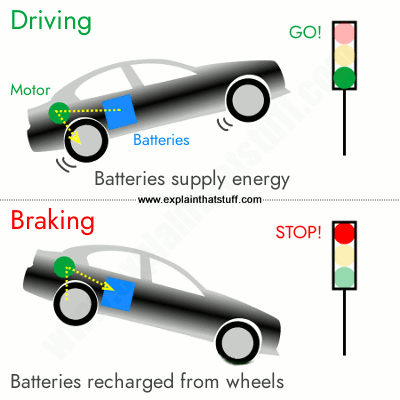
Regenerative braking captures kinetic energy and returns it to the battery, reducing wasted energy.
I’ve spent years testing hybrids and EVs and helping drivers squeeze more range from their cars. This guide explains what is regenerative braking in cars in simple terms, how it works, its benefits and limits, real-world tips, and what to expect next. Read on for clear, tested answers and practical advice you can use today.
How regenerative braking works
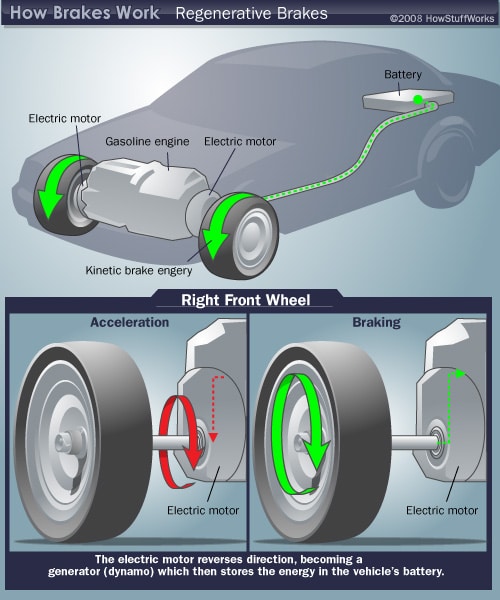
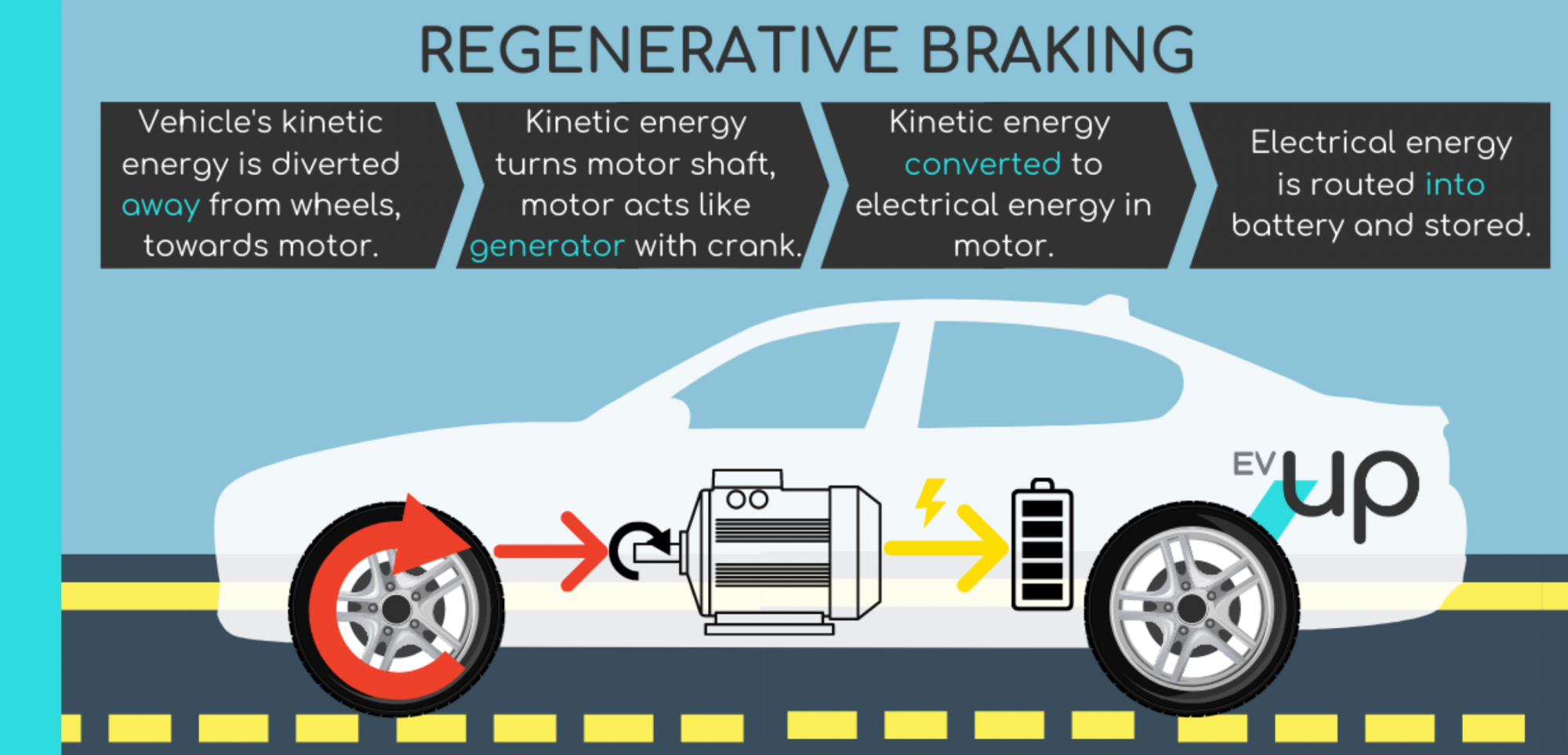
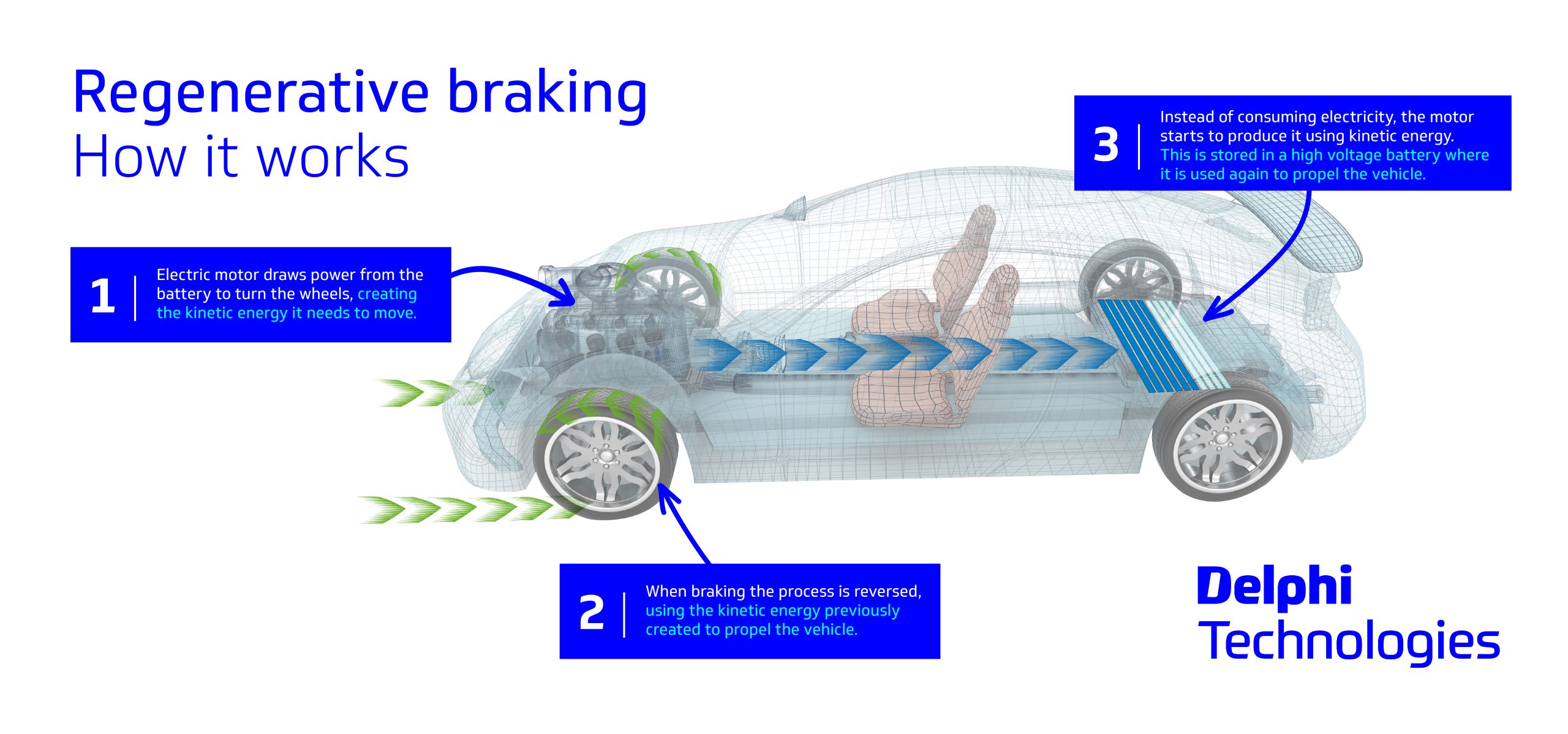
Regenerative braking is a system that captures some of the car’s kinetic energy when you slow down. Instead of all that energy turning into heat in the brakes, the motor acts as a generator. The generator sends electricity back to the battery while the car slows. This process reduces fuel use or increases EV range and lowers wear on the friction brakes.
Key steps in the process:
- Vehicle slows; wheels turn the electric motor.
- Motor shifts to generator mode and produces current.
- Inverter converts current to the proper form for the battery.
- Battery accepts the charge, storing energy for later use.
Source: com.au
Types of regenerative braking systems
There are several approaches automakers use to capture braking energy. Each type fits different drivetrain layouts and driving goals.
Common types:
- Blended braking: Regeneration works with regular brakes, sharing stopping duty.
- One-pedal or strong-regen systems: High regen lets you slow more with the accelerator alone.
- Parallel hybrid regen: An internal combustion engine and electric motor work together.
- Series hybrid regen: The motor/generator is primary for capturing energy in electric drive systems.
When you ask what is regenerative braking in cars, understand that the system design affects feel and efficiency. Some cars let you adjust regen level through drive modes or paddles.

Benefits of regenerative braking
Regenerative braking brings real, measurable gains for drivers and fleets. It helps both EVs and hybrids.
Main benefits:
- Improved energy efficiency and increased driving range.
- Lower brake pad and rotor wear, reducing maintenance cost.
- Reduced fuel consumption in hybrids, cutting emissions.
- Smoother city driving with frequent stops becomes more efficient.
From my tests, cars with tuned regen give a clear range bump in city traffic. Expect smaller gains on highways where braking is rarer.

Limitations and common misconceptions
Regenerative braking is powerful, but it has clear limits you should know. Don’t expect it to replace all traditional brakes.
Key limitations:
- Regen cannot always bring a car to a full stop; friction brakes handle final stopping power.
- Efficiency depends on battery state of charge, temperature, and electronics losses.
- Heavy or sudden braking still uses friction brakes for safety.
- Older or poorly tuned regen systems can feel abrupt or weak.
When people ask what is regenerative braking in cars and expect magic, remind them it’s an efficiency tool, not a full brake system replacement. Real-world gains vary by driving pattern.
Real-world examples and practical tips
I’ve driven city runs in a hybrid commuter and tracked one-pedal driving in an EV. Practical habits matter more than small technical gains.
Tips from experience:
- Use higher regen levels in stop-and-go city traffic to maximize energy capture.
- Anticipate stops and coast to let regen recover more energy.
- Monitor battery charge; very full batteries may limit regen capture.
- Combine regen with eco driving—gentle acceleration plus regen nets the best returns.
Example: On a 25-mile urban commute, I gained 8–12% more range by using strong regen and smooth braking. Your results will vary, but the habits translate across cars.

How regenerative braking affects maintenance and safety
Regenerative braking changes how cars age and how drivers should think about braking. It can lower some costs but adds electronics to monitor.
Maintenance and safety notes:
- Brake pads last longer, but inspectors still check rotors and systems.
- Software updates can change regen feel; follow manufacturer guidance.
- ABS and stability control remain tied to friction brakes for emergency stops.
- Watch battery health; repeated heavy regen into an overheated or full battery can be limited by the car’s safety systems.
I recommend routine software checks and occasional brake inspections. That keeps both regen and friction systems ready when needed.
Future trends and innovations
Regenerative braking keeps evolving. Expect smarter systems and broader adoption as EVs grow.
Trends to watch:
- More vehicles with one-pedal driving and adjustable regen levels.
- Improved power electronics that reduce losses and increase capture.
- Integration with vehicle-to-grid (V2G) and grid services for energy storage.
- Regenerative systems in heavier vehicles and brake-by-wire architectures.
As engineers refine controls and battery tech improves, the answers to what is regenerative braking in cars will expand to include grid services and smarter energy balancing.
Technical deep dive: energy flow and efficiency
If you like numbers, here is a clear, simple view of efficiency. Real systems show losses but still return value.
Simple energy flow:
- Kinetic energy = 1/2 × mass × speed^2. Slowing converts that energy.
- Regeneration efficiency often ranges 50–70% in typical urban driving.
- Losses come from inverter heat, motor inefficiency, and battery charge acceptance.
People also ask:
- Can regenerative braking fully recharge a battery? Not normally. Regen recovers part of wasted energy but rarely fills a depleted battery.
- Does regen improve mileage in all driving? It helps most in city and mixed traffic where braking is frequent. Highway gains are small.
Understanding what is regenerative braking in cars includes knowing these trade-offs. The tech returns a portion of braking energy, not all of it.
Frequently Asked Questions of what is regenerative braking in cars
What is regenerative braking and how does it differ from regular brakes?
Regenerative braking converts kinetic energy into electrical energy, storing it in the battery, while regular brakes convert kinetic energy into heat. Most cars use both systems, with regen handling recovery and friction brakes ensuring full stopping power.
Will regenerative braking stop my car completely?
Not always. Regen can slow the car substantially, but friction brakes are typically used for the final stop and emergency braking. Vehicle design and regen level determine how often you need the friction brake.
Does regenerative braking save money on maintenance?
Yes. It reduces wear on brake pads and rotors, lowering replacement frequency and cost. However, the car still needs regular brake system inspections and occasional maintenance of electronic components.
Can regenerative braking damage the battery?
Properly designed systems limit charge rate and temperature to protect the battery. Excessive regen into a hot or full battery may be reduced by the car’s software but won’t normally cause damage if you follow manufacturer advice.
How can I get the most out of regenerative braking?
Use stronger regen modes in city driving, anticipate stops to let regen recover energy, and avoid repeatedly charging a battery that’s at full capacity. Also keep the software updated for optimal control.
Is regenerative braking safe for emergency stops?
Yes. Safety systems integrate regen with ABS and friction brakes to ensure reliable stopping in emergencies. The car’s control systems prioritize driver safety over energy recovery.
Conclusion
Regenerative braking is a practical, proven way to reclaim energy that would otherwise be lost when you slow down. It boosts efficiency, reduces brake wear, and changes how we drive and maintain cars. Try the tips above to get more range and a smoother experience, and check your vehicle’s regen settings to match your driving style. If you found this helpful, subscribe for more practical guides, share your own regen tips in the comments, or test a higher regen mode on your next drive.