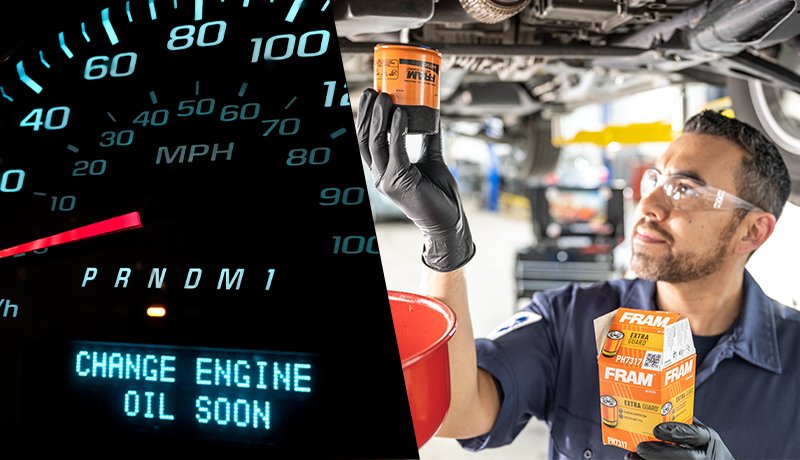
How Often To Change An Oil Filter: Expert Guide 2026
Change your oil filter every 3,000–15,000 miles, based on oil type, driving, and manufacturer guidance.
I have worked on cars and read service guides for years, so I know how often to change an oil filter matters. This guide explains when to change an oil filter, why it matters, and how to set the right schedule for your car. Read on for clear rules, real tips from my garage, and a step‑by‑step routine you can trust.
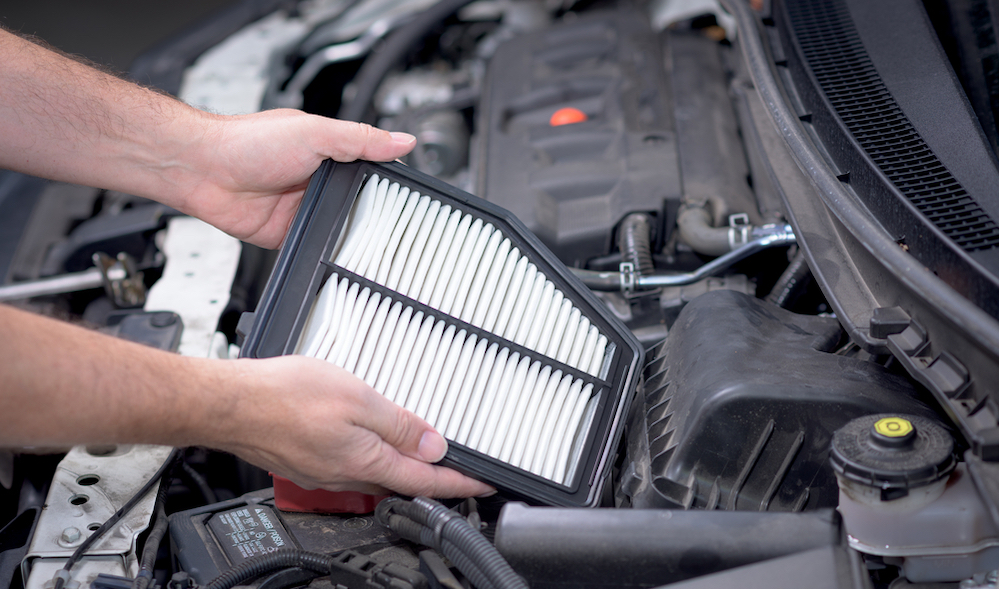
Why the oil filter matters
The oil filter keeps engine oil clean. Clean oil protects parts and cuts wear. A clogged filter lowers oil flow and hurts engine life. Knowing how often to change an oil filter helps you avoid engine damage and save money.

General rules of thumb for how often to change an oil filter
There is no one answer for every car. Use these simple rules as a start.
- Change the oil filter at every oil change if you use conventional oil. This is the safest plan and is common advice.
- If you use full synthetic oil, change the oil filter every 7,500 to 15,000 miles, per many manufacturer suggestions.
- For severe driving, change the oil filter every 3,000 to 5,000 miles. Severe driving includes stop‑and‑go traffic, towing, and short trips.
- Always follow your vehicle manual for the best guidance on how often to change an oil filter.
These rules show the range. The key is consistency and checking the filter when you change oil.
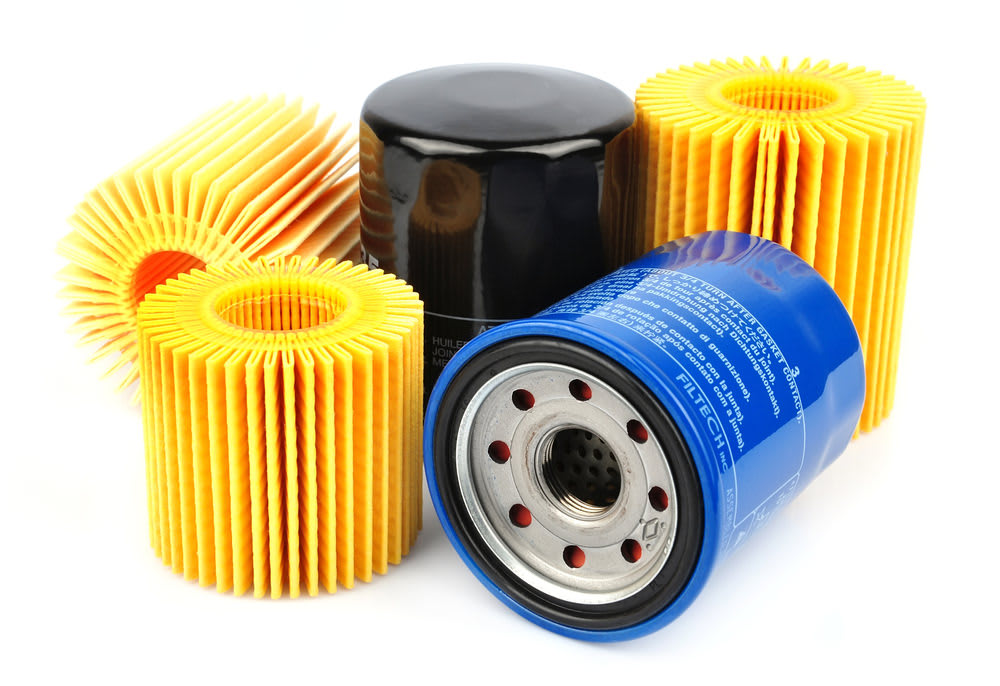
Factors that affect how often to change an oil filter
Several things change the ideal interval.
- Oil type. Synthetic oil stays cleaner longer, so change the oil filter less often with synthetic oil.
- Driving habits. Towing, lots of short trips, and dusty roads mean you should change the oil filter sooner.
- Vehicle age and mileage. Older engines may shed more particles and need filter changes more often.
- Manufacturer recommendations. Your car manual states the factory interval. That is a primary guide.
- Oil change frequency. If you change oil often, you should change the oil filter at the same time.
- Filter quality. High‑quality filters trap more dirt and may last longer than cheap ones.
Keep these points in mind when you decide how often to change an oil filter.
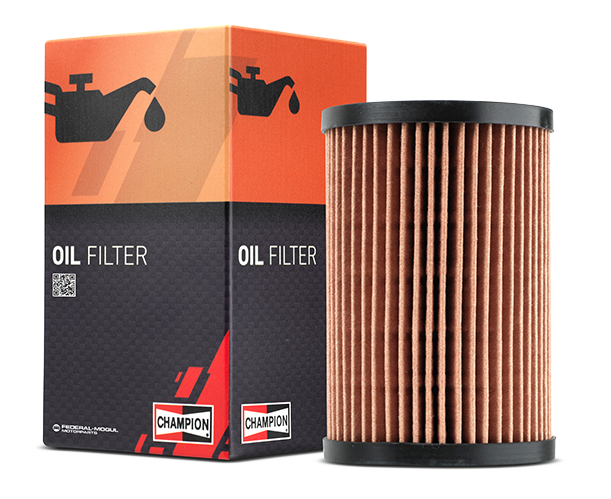
Signs you need to change an oil filter sooner
Watch for these signs so you can act early.
- Low oil pressure. A clogged filter can lower pressure and trigger a gauge or light.
- Dirty oil. If oil looks dark and gritty soon after a change, the filter may be saturated.
- Engine noise. Ticking or knocking can mean oil isn’t flowing well because of a clogged filter.
- Reduced fuel economy. A struggling engine can use more fuel when oil flow is poor.
- Visible leaks around the filter. A damaged or over‑tightened filter can leak and should be replaced.
If you see any of these, change the oil filter right away.
How to change an oil filter — step‑by‑step
Changing an oil filter is a routine task. Do it safely and cleanly.
- Gather tools and supplies: new oil filter, new oil, wrench, drain pan, gloves, and rags.
- Warm the engine briefly. Warm oil drains faster. Turn the car off and set the parking brake.
- Drain the oil into a pan. Remove the drain plug and let oil flow out fully.
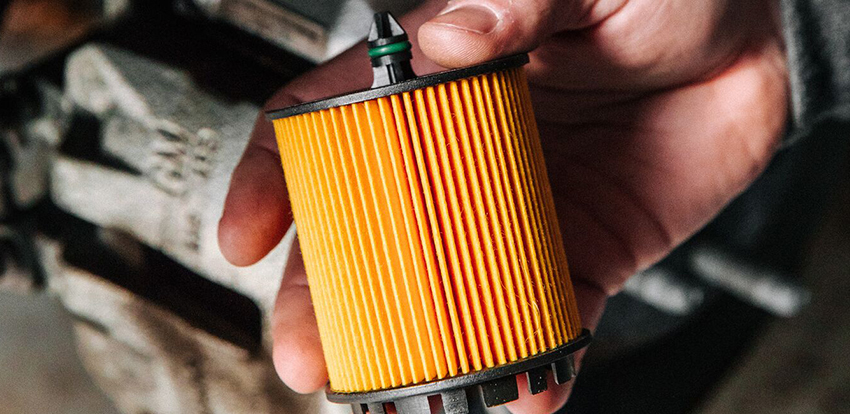
- Remove the old filter. Use a filter wrench if tight. Keep the area clean.
- Prep the new filter. Lightly coat the new filter gasket with fresh oil for a good seal.
- Install the new filter. Hand‑tighten according to filter instructions. Don’t over‑tighten.
- Refill with the correct oil and check the level. Start the engine and check for leaks.
- Dispose of old oil and filter properly at a recycling center.
Follow these steps each time you decide how often to change an oil filter to keep the job safe and effective.
Synthetic vs conventional oil and filter life
Synthetic oil is more stable and resists breakdown. This means you can extend oil change intervals. It also affects how often to change an oil filter. With good filters and synthetic oil, many cars can safely go farther between filter changes.
However, manufacturer guidance still matters. Some cars with turbochargers or heavy use may need more frequent oil and filter changes. Match the oil type, filter quality, and your driving style.
My experience and practical tips
I changed filters on many cars over the years. One lesson: change the filter every time you change oil, unless the maker says otherwise. I once let a filter go too long on a high‑mileage truck. Engine wear picked up and I paid more later to fix issues.
Tips I use:
- Keep a service log. Note oil type, miles, and filter brand each change.
- Buy a quality filter. Cheap filters can fail or release debris.
- Use fresh oil to prime the filter when installing. It helps oil flow faster at startup.
These small steps make your plan for how often to change an oil filter work well.

Frequently Asked Questions of how often to change an oil filter
How often should I change an oil filter with synthetic oil?
Most makers allow 7,500 to 15,000 miles with synthetic oil, but check your manual. If you tow or drive in harsh conditions, change the oil filter sooner.
Can I change the filter without changing the oil?
You can, but it is not ideal. The filter removes particles in the oil; changing only the filter leaves old oil in the engine.
Does mileage or time matter more for oil filter changes?
Both matter. Even if you drive few miles, oil degrades over time, so follow mileage and time intervals from the manufacturer.
Is it safe to go 10,000 miles between oil filter changes?
It can be safe with full synthetic oil and a high‑quality filter, if the car maker approves it. For older cars or severe use, stick to shorter intervals.
Will a clogged oil filter cause engine failure?
A severely clogged filter can reduce oil flow and cause engine damage. Regular changes prevent this risk.
How do I pick the right oil filter brand?
Choose filters that meet OEM specs and have good reviews. Filters with strong media and seals give the best protection.
Should I change the oil filter after buying a used car?
Yes. I always replace the oil and oil filter after buying a used car to start with clean oil and a known filter.
Conclusion
How often to change an oil filter depends on oil type, driving, vehicle age, and maker rules. Change the filter at every oil change unless your manual says otherwise. Use quality parts, keep a simple log, and watch for warning signs like low oil pressure. Take action now: check your vehicle manual, pick a schedule, and mark your next oil filter change on the calendar. Share your experience or ask a question below to keep the conversation going.




One Comment