
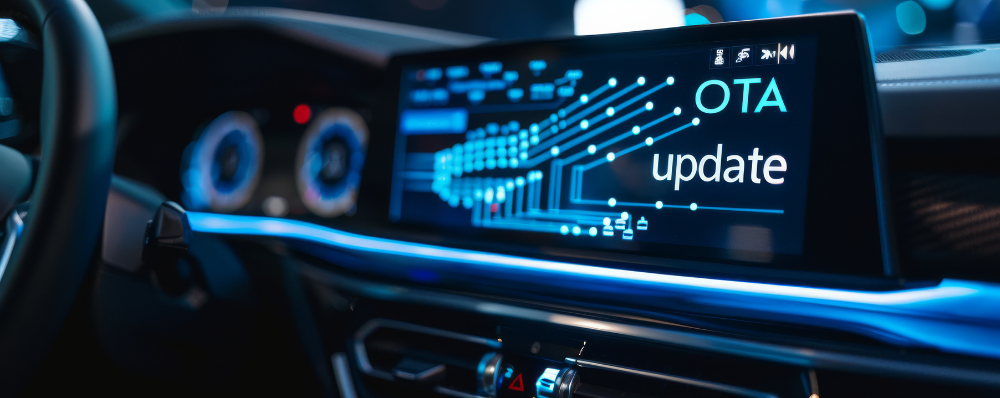
The automotive world has changed from a hardware-focused industry into a software-driven one. Today’s cars use thousands of electronic systems that control everything from navigation and battery management to driver assistance features. Understanding How Over the Air Updates Change Modern Cars helps drivers see why vehicles now improve long after they leave the factory.
In my experience studying automotive technology trends, one of the biggest shifts is how car ownership has changed. A vehicle is no longer a finished product on the day of purchase. Instead, it can receive improvements, bug fixes, and new abilities through secure internet connections, similar to how smartphones receive updates.

What Are Over the Air Updates in Modern Cars?
Over the air updates, often called OTA updates, are software downloads sent directly to a vehicle through a wireless connection. Instead of visiting a dealership for every software change, drivers can install improvements while their car is parked.
OTA technology allows manufacturers to update vehicle systems such as infotainment, navigation, battery controls, safety features, and vehicle performance settings. This process makes cars more flexible because software can continue improving after purchase.
- ✦ Remote Software Improvements
Car manufacturers can fix software problems and improve vehicle functions without replacing physical parts.
- ✦ Connected Vehicle Experience
Modern cars stay connected to manufacturer systems and receive approved updates through secure networks.
How OTA Technology Works
A modern vehicle uses a built-in communication system to connect with cloud platforms operated by the manufacturer. The vehicle checks for available updates and downloads approved software packages.
Before installation, many systems verify the update using security checks. This helps ensure that only trusted software reaches important vehicle systems.
- ✦ Cloud Connection
The vehicle communicates with manufacturer servers to find available updates.
- ✦ Secure Installation
Encryption and verification methods help protect vehicle software from unauthorized changes.
How Over the Air Updates Change Modern Cars for Drivers
The biggest impact of OTA technology is that cars can improve over time. In the past, a vehicle’s features were mostly fixed at the factory. Now, manufacturers can enhance the driving experience through software updates.
For American drivers, this means fewer dealership visits and more convenient ownership. A vehicle used for daily commuting, family trips, or long-distance travel can receive improvements without major interruptions.

- ✦ Better Convenience
Drivers can install many updates at home instead of scheduling service appointments.
- ✦ Longer Vehicle Value
Software improvements can help vehicles stay modern for more years.
New Features After Purchase
One major change is the ability to add or improve features after a customer buys a vehicle. Software can unlock new functions, improve existing tools, or change how systems behave.
This creates a different ownership model where the vehicle becomes a long-term technology product rather than a fixed machine.
- ✦ Feature Expansion
New software can introduce additional capabilities without changing vehicle hardware.
OTA Updates Improve Vehicle Safety and Reliability
Safety is one of the most important areas where over the air updates change modern cars. Manufacturers can improve software-controlled safety systems without waiting for traditional service campaigns.
Driver assistance systems, sensors, and vehicle controls depend heavily on software. Updates can improve system performance and correct problems discovered after vehicles are already on the road.

- ✦ Safety Software Fixes
Manufacturers can quickly distribute corrections for software-related issues.
- ✦ Improved Driver Assistance
Updates can refine features such as adaptive cruise control and automated parking systems.
Why Software Matters in Vehicle Safety
Modern vehicles rely on computers to process information from cameras, radar sensors, and other systems. Better software can help these systems respond more accurately.
However, OTA updates do not replace proper vehicle maintenance. Tires, brakes, and mechanical components still require regular care.
How Electric Vehicles Benefit From Over the Air Updates
Electric vehicles are among the biggest users of OTA technology because many EV functions depend on software. Battery management, charging systems, and energy efficiency can all improve through updates.
This is one reason How Over the Air Updates Change Modern Cars is closely connected with the growth of electric vehicles. Software has become a key part of EV ownership.

- ✦ Battery Optimization
Software updates can improve how electric vehicles manage energy and charging.
- ✦ Charging Improvements
Manufacturers can update charging behavior and compatibility features remotely.
The Role of Software in EV Performance
An electric vehicle depends on software to control many systems. Improvements can change efficiency, driving settings, and user controls without replacing hardware.
This approach allows EV makers to continue improving vehicles throughout their lifespan.
Challenges and Risks of Automotive OTA Updates
Although OTA updates offer many benefits, they also create new challenges. Connected vehicles must protect themselves from cybersecurity threats because software access creates new attack points.
Manufacturers must also ensure that updates work correctly. A failed software installation could affect important vehicle functions, which makes testing and security checks essential.

- ✦ Cybersecurity Concerns
Connected vehicles require strong security systems to prevent unauthorized access.
- ✦ Update Management
Manufacturers must carefully test updates before sending them to customers.
Privacy and Data Protection
Connected cars may collect information about vehicle performance, usage patterns, and system conditions. Manufacturers need clear policies to protect customer data.
Drivers should understand what information their vehicle collects and how companies use that data.
The Future of Over the Air Updates in Automotive Technology
The future of connected cars will depend heavily on software. As vehicles gain more digital features, OTA updates will become a normal part of ownership.
Automakers are moving toward vehicles that can adapt, learn, and improve over time. This shift changes the relationship between drivers and their cars.

- ✦ Software Defined Vehicles
Future cars will rely more on software to control features and experiences.
- ✦ Continuous Improvement
Vehicles will continue receiving improvements years after purchase.
Why OTA Technology Will Keep Growing
As more vehicles become connected, manufacturers will use OTA systems to manage software faster and more efficiently. This reduces the need for traditional update methods.
For drivers, this means cars will feel more like evolving technology products.
