Learning How Tire Pressure Monitoring Sensors Work helps drivers understand one of the most important safety systems in modern vehicles. In the US, most cars, trucks, and SUVs use TPMS to warn drivers before low tire pressure becomes a serious problem.
From my experience studying automotive systems, many drivers only notice TPMS when the warning light appears. However, the technology behind it is constantly checking tire conditions and helping prevent poor handling, uneven wear, and possible tire damage.
What Is a Tire Pressure Monitoring System?
A tire pressure monitoring system, often called TPMS, is an electronic safety system that checks tire pressure while a vehicle is moving. It alerts the driver when one or more tires lose pressure below a safe level.
Understanding How Tire Pressure Monitoring Sensors Work starts with knowing that the system has sensors, a control module, and a dashboard warning display. These parts work together to provide real-time tire information.
- ✦ Main purpose
TPMS helps drivers maintain correct tire pressure and reduces risks caused by underinflated tires.
- ✦ Common vehicle use
Most passenger vehicles sold in the United States include TPMS as a required safety feature.
Why Tire Pressure Matters
Low tire pressure increases rolling resistance and can make tires wear faster. It can also reduce vehicle control during braking and cornering.
A properly working TPMS system gives drivers an early warning before these problems become severe.
How Tire Pressure Monitoring Sensors Work Step by Step
How Tire Pressure Monitoring Sensors Work depends on how the vehicle collects and processes tire data. In a direct TPMS system, each tire contains a small sensor that measures pressure and temperature.
The sensor sends wireless signals to the vehicle computer. If pressure falls below the recommended level, the computer activates the TPMS warning light on the dashboard.

- ✦ Pressure measurement
A sensor detects the amount of air pressure inside the tire.
- ✦ Data transmission
A radio signal sends tire information to the vehicle control unit.
- ✦ Driver warning
The dashboard displays a warning when the system detects unsafe pressure.
Direct TPMS vs Indirect TPMS
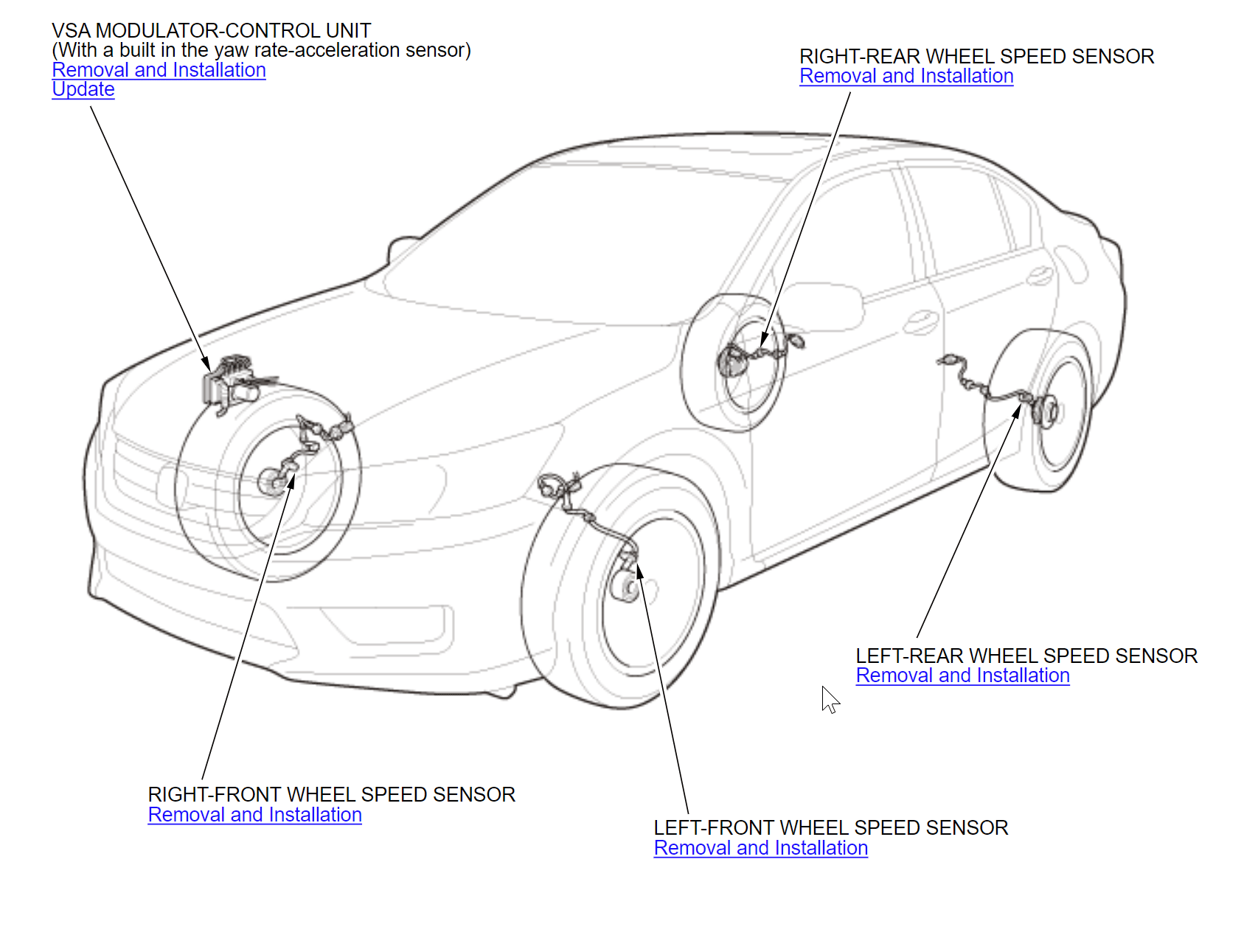
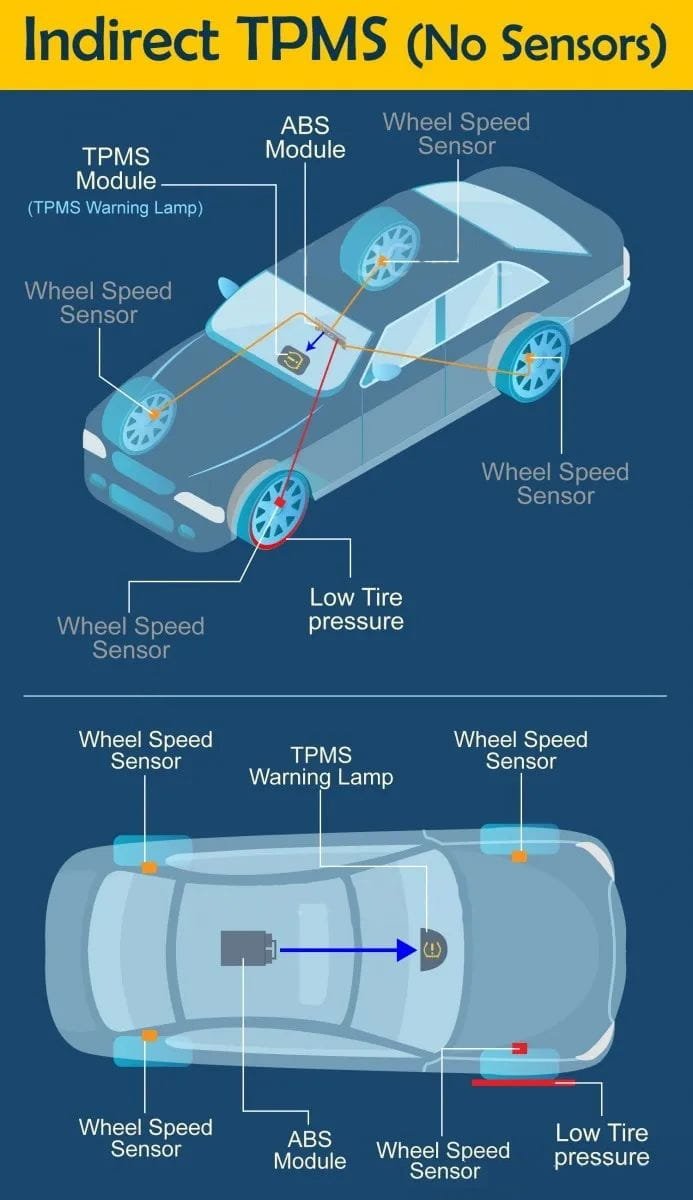
There are two main types of tire pressure monitoring systems. Direct TPMS uses physical sensors inside each wheel, while indirect TPMS uses existing wheel speed sensors from the anti-lock braking system.
Both systems answer the question of How Tire Pressure Monitoring Sensors Work, but they use different methods to identify pressure loss.
- ✦ Direct TPMS
Measures actual tire pressure with sensors mounted inside each tire.
- ✦ Indirect TPMS
Detects pressure changes by comparing wheel rotation speeds.
Direct TPMS Advantages
Direct systems provide accurate pressure readings for each tire. They can often identify which tire has a problem.
The sensor battery usually lasts several years, but the sensor may need replacement when the battery expires.
Indirect TPMS Limitations
Indirect systems do not measure air pressure directly. They estimate pressure changes based on wheel behavior.
Drivers may need to reset the system after filling tires or changing tires.
Components Inside a Tire Pressure Monitoring System
A TPMS system contains several parts that allow vehicles to monitor tire conditions. Each component has a specific role in collecting and sharing information.
Knowing these parts makes it easier to understand How Tire Pressure Monitoring Sensors Work in everyday driving situations.
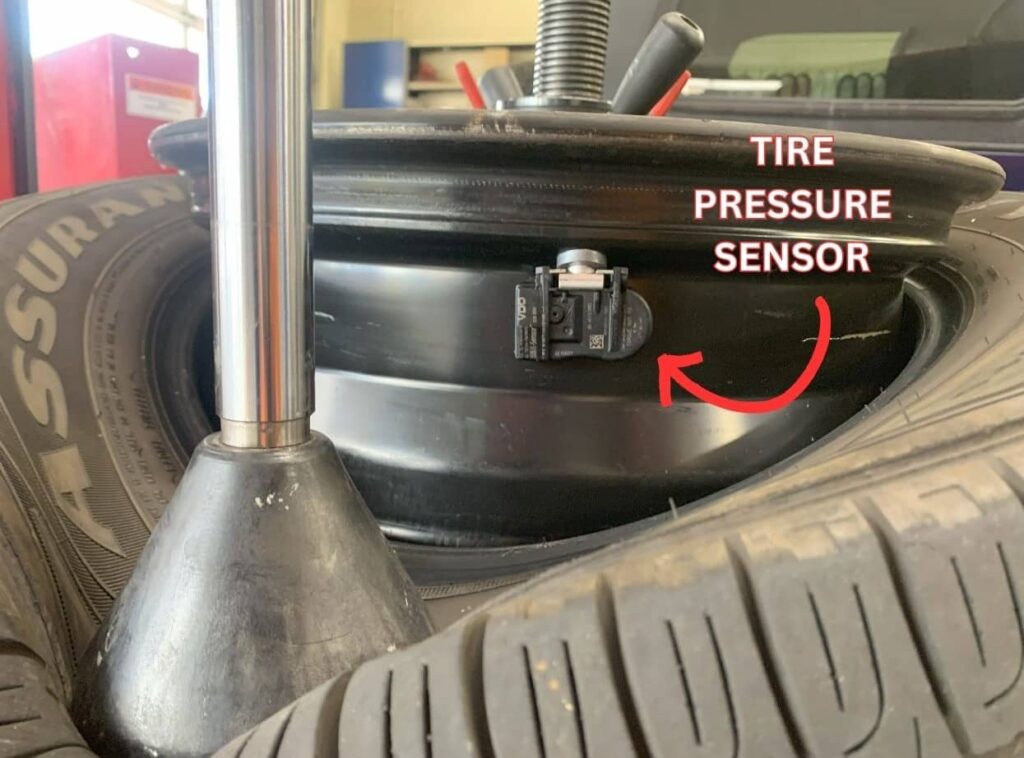
- ✦ Pressure sensor
Measures the air pressure inside the tire.
- ✦ Temperature sensor
Tracks tire temperature because heat can affect pressure readings.
- ✦ Control module
Processes sensor data and controls warning messages.
How TPMS Sensors Communicate With Your Vehicle
Modern TPMS sensors use wireless radio communication to send information from the wheels to the vehicle computer. Each sensor has a unique identification code so the system knows which tire sent the data.
When pressure changes, the sensor transmits updated information. The vehicle then decides whether the reading requires a warning.
- ✦ Wireless signal
Sensors send data without physical wiring between the wheel and vehicle.
- ✦ Vehicle computer
The computer evaluates pressure levels and triggers alerts.
Common TPMS Problems and Maintenance Tips
Even though TPMS systems are reliable, they can develop issues over time. Dead sensor batteries, damaged sensors, and incorrect calibration are common causes of warnings.
Drivers should not ignore the TPMS light. The warning may indicate a simple pressure adjustment or a deeper tire problem.
- ✦ Check tire pressure regularly
Use a tire gauge to confirm pressure levels even when TPMS works correctly.
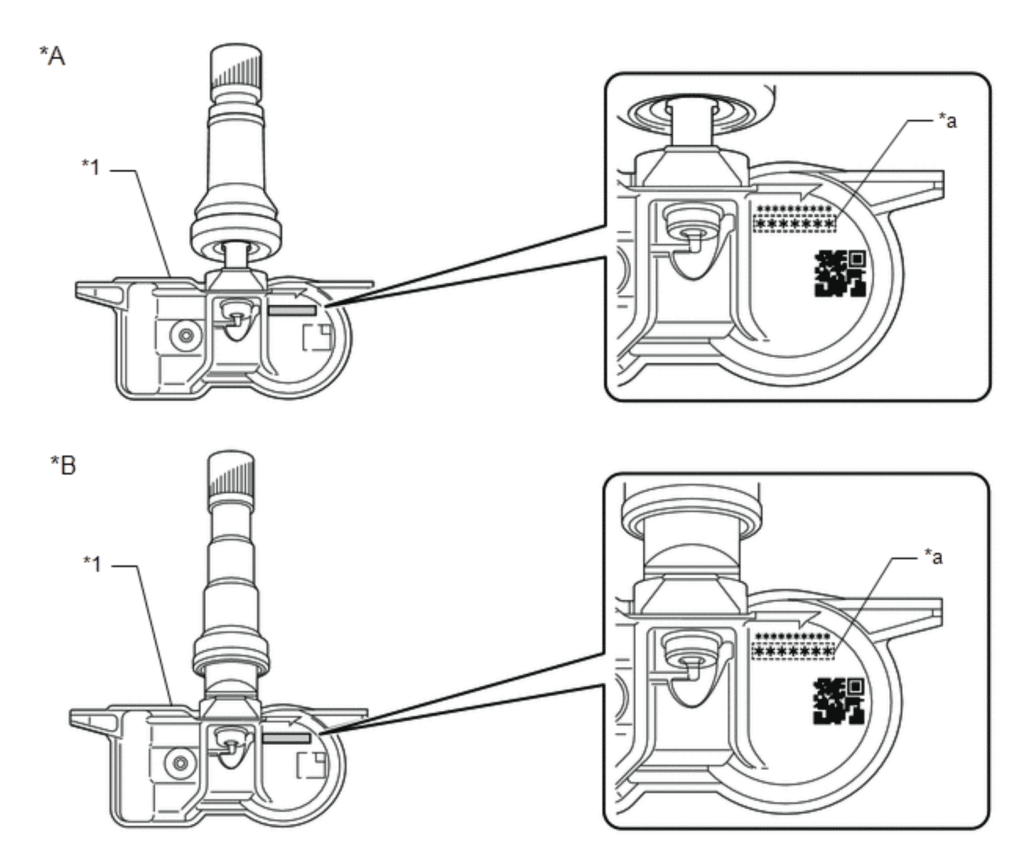
- ✦ Replace damaged sensors
Broken sensors should be replaced and programmed correctly.
- ✦ Reset after service
Some vehicles require TPMS recalibration after tire changes.