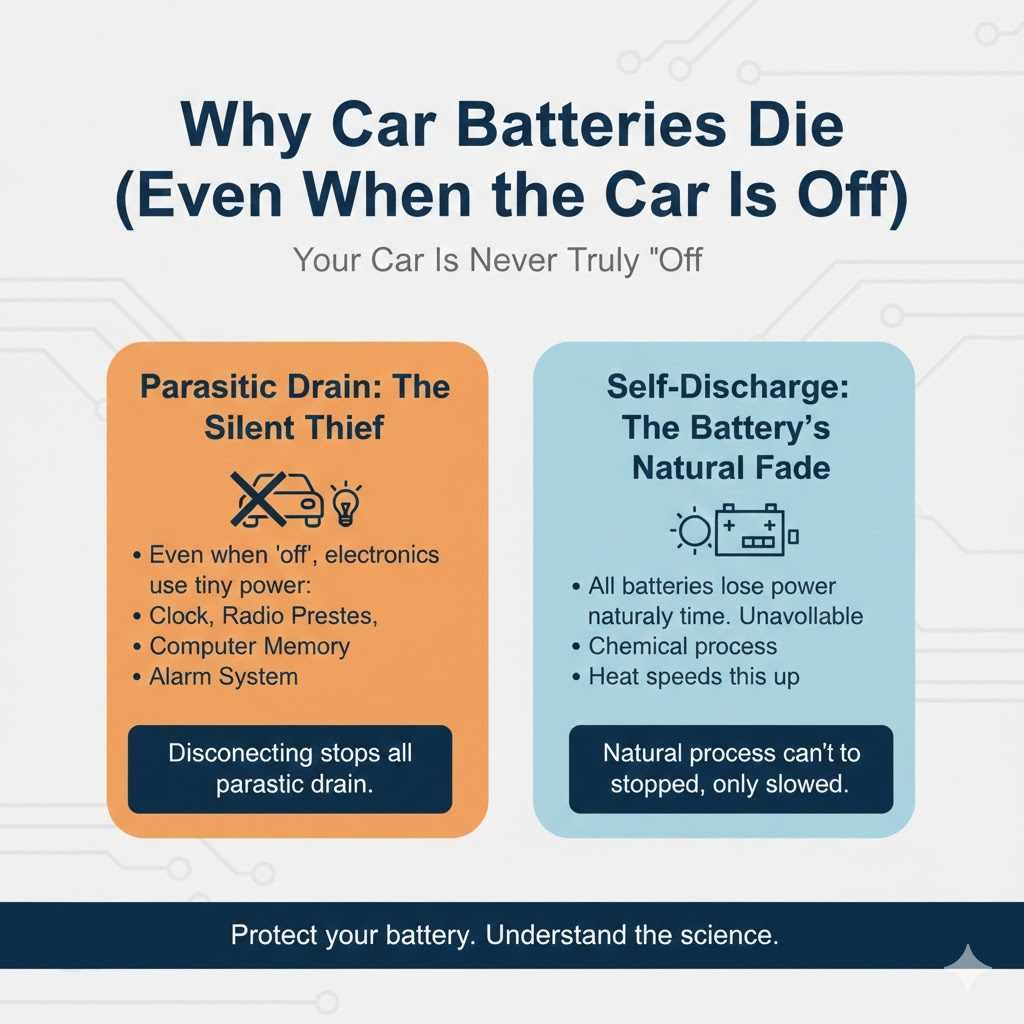
Many drivers expect the battery to stay fully charged once the engine starts. In most vehicles, the alternator keeps the battery charged while also powering electrical parts. When this system has a problem, the battery slowly loses power even during a drive.
Understanding what causes a car battery to lose charge while driving helps you avoid sudden breakdowns. In my experience reviewing common vehicle electrical problems, most cases come from alternator faults, poor battery connections, or hidden electrical issues rather than the battery alone.
A weak charging system can leave you stranded on a highway, during a daily commute, or after a short trip. This guide explains the main causes, warning signs, testing methods, and solutions for American drivers.
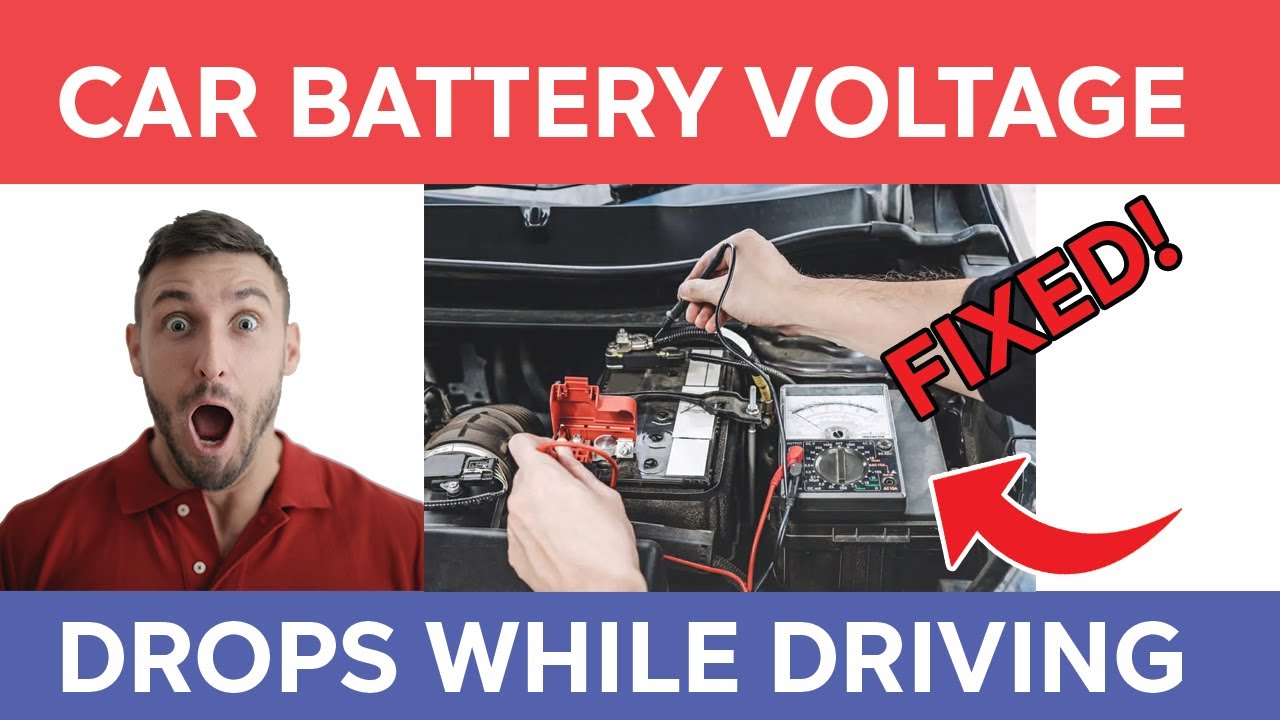
How the Car Battery and Charging System Work Together
To understand what causes a car battery to lose charge while driving, you first need to know how the charging system works. The battery provides the power needed to start the engine. After startup, the alternator produces electricity and sends power back to the battery.
The alternator also supports systems like headlights, climate control, infotainment, and safety electronics. If the alternator cannot create enough power, the vehicle starts using stored battery energy instead.
- ✦ Battery role
The battery supplies electrical power to start the engine and supports electronics when the engine is off.
- ✦ Alternator role
The alternator creates electricity while the engine runs and keeps the battery charged.
- ✦ Charging system role
The charging system manages voltage flow between the alternator, battery, and vehicle electronics.
Why a Healthy Battery Should Not Lose Charge While Driving
A properly working vehicle normally keeps the battery charged during operation. A small amount of energy may be used, but the alternator replaces that power.
If the battery voltage drops while driving, there is usually a problem with charging output, electrical flow, or battery condition.
A Failing Alternator Is the Most Common Cause of Battery Drain While Driving
The most common answer to what causes a car battery to lose charge while driving is a failing alternator. When the alternator stops producing enough electricity, the battery must power the entire vehicle alone.
A failing alternator may still allow the engine to start at first. However, the battery will slowly lose its stored energy until the vehicle eventually stops running.

- ✦ Worn alternator parts
Internal parts such as brushes, bearings, or voltage regulators can fail and reduce charging power.
- ✦ Low alternator output
A weak alternator may produce some electricity but not enough to maintain battery charge.
- ✦ Charging warning light
A battery-shaped warning light on the dashboard may indicate an alternator or charging system problem.
How to Identify Alternator Charging Problems
Common signs include dim headlights, slow electrical accessories, unusual noises, and warning lights. A voltage test can confirm whether the alternator is producing the correct charging level.
Drivers should check the charging system before buying a new battery because a bad alternator can quickly damage a replacement battery.
Loose or Corroded Battery Connections Can Stop Proper Charging
Another reason what causes a car battery to lose charge while driving is poor electrical connection. The alternator may create power, but the battery cannot receive it correctly if the terminals or cables have problems.
Corrosion creates resistance between metal surfaces. This reduces the flow of electricity and can cause starting problems or charging failures.

- ✦ Battery terminal corrosion
White or green buildup around terminals can block proper electrical flow.
- ✦ Loose battery cables
Loose connections can interrupt charging and create inconsistent power delivery.
- ✦ Damaged cables
Broken or worn cables may prevent electricity from reaching the battery.
A Weak or Old Battery Can Lose Charge Even During Normal Driving
Although the alternator charges the battery, the battery itself can become too weak to hold power. Most car batteries lose performance as they age because internal plates wear down and chemical reactions become less effective.
An older battery may show normal voltage but fail when the vehicle needs strong power. This is why battery testing should include both voltage and load testing.

- ✦ Battery age
Older batteries often have reduced capacity and may fail without much warning.
- ✦ Internal damage
Damaged battery cells can prevent the battery from storing enough energy.
Signs of a Weak Battery
Slow engine cranking, frequent jump starts, and electronics shutting down are common signs of battery weakness.
Replacing the battery without checking the charging system may not solve the problem if another issue exists.
Electrical Problems Can Drain Battery Power While Driving
Modern vehicles use many electronic systems. Faulty wiring, damaged modules, or unusual electrical loads can increase power demand and cause battery charging problems.
Electrical faults are harder to find because they may happen only sometimes. A professional diagnostic scan can help locate hidden problems.

- ✦ Short circuits
Damaged wires can create unwanted electrical paths that waste power.
- ✦ Faulty accessories
Aftermarket devices may draw more power than the system can support.
- ✦ Control module issues
Electronic modules that fail to enter sleep mode can increase battery demand.
How to Diagnose a Car Battery Losing Charge While Driving
Finding what causes a car battery to lose charge while driving requires testing each part of the charging system. Guessing and replacing parts can become expensive.
A simple inspection can reveal many common problems before advanced testing is needed.

- ✦ Check battery voltage
A voltage test shows whether the battery and charging system are working correctly.
- ✦ Test alternator output
Alternator testing confirms whether enough power reaches the battery.
- ✦ Inspect connections
Clean and tight terminals help maintain proper electrical flow.