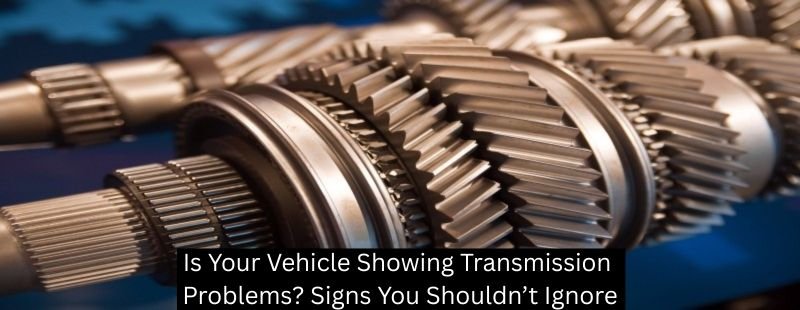
Common signs of transmission problems include slipping gears, burning smell, rough shifts, and fluid leaks.
I’ve spent years working with vehicles and diagnosing drivetrains, so I know how subtle transmission issues can start small and grow costly. This article will walk you through real, clear signs of transmission problems, why they happen, how to diagnose them, and what to do next. Read on to learn practical checks, repair choices, and preventive steps so you can protect your vehicle and your wallet.
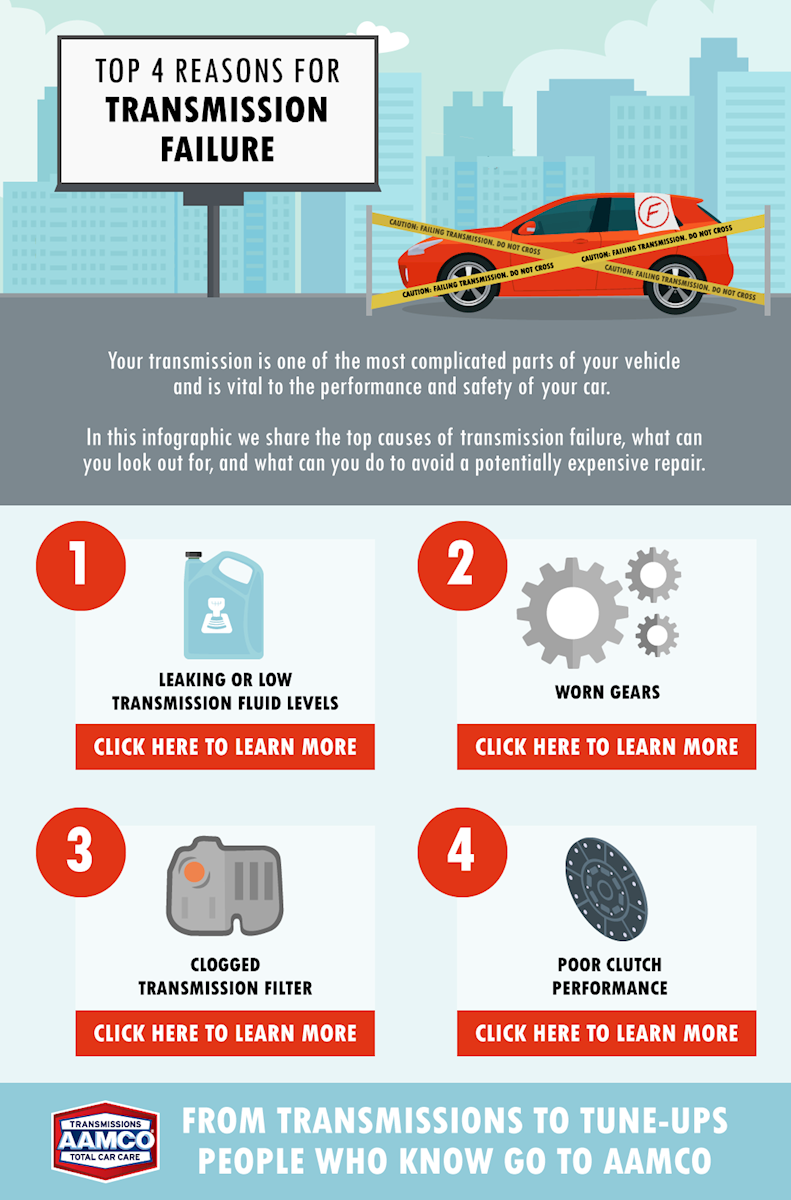
What is a transmission and why it matters
A transmission moves engine power to the wheels. It changes gear ratios so your car can accelerate, climb hills, and cruise efficiently. Modern cars use manual, automatic, or continuously variable transmissions. Problems here affect safety, fuel use, and long-term repair costs.
Understanding the signs of transmission problems helps you avoid breakdowns and big repair bills. Detecting trouble early can save time and money.

Top signs of transmission problems
Below are the most common and reliable signs of transmission problems to watch for. If you notice one or more, act quickly.
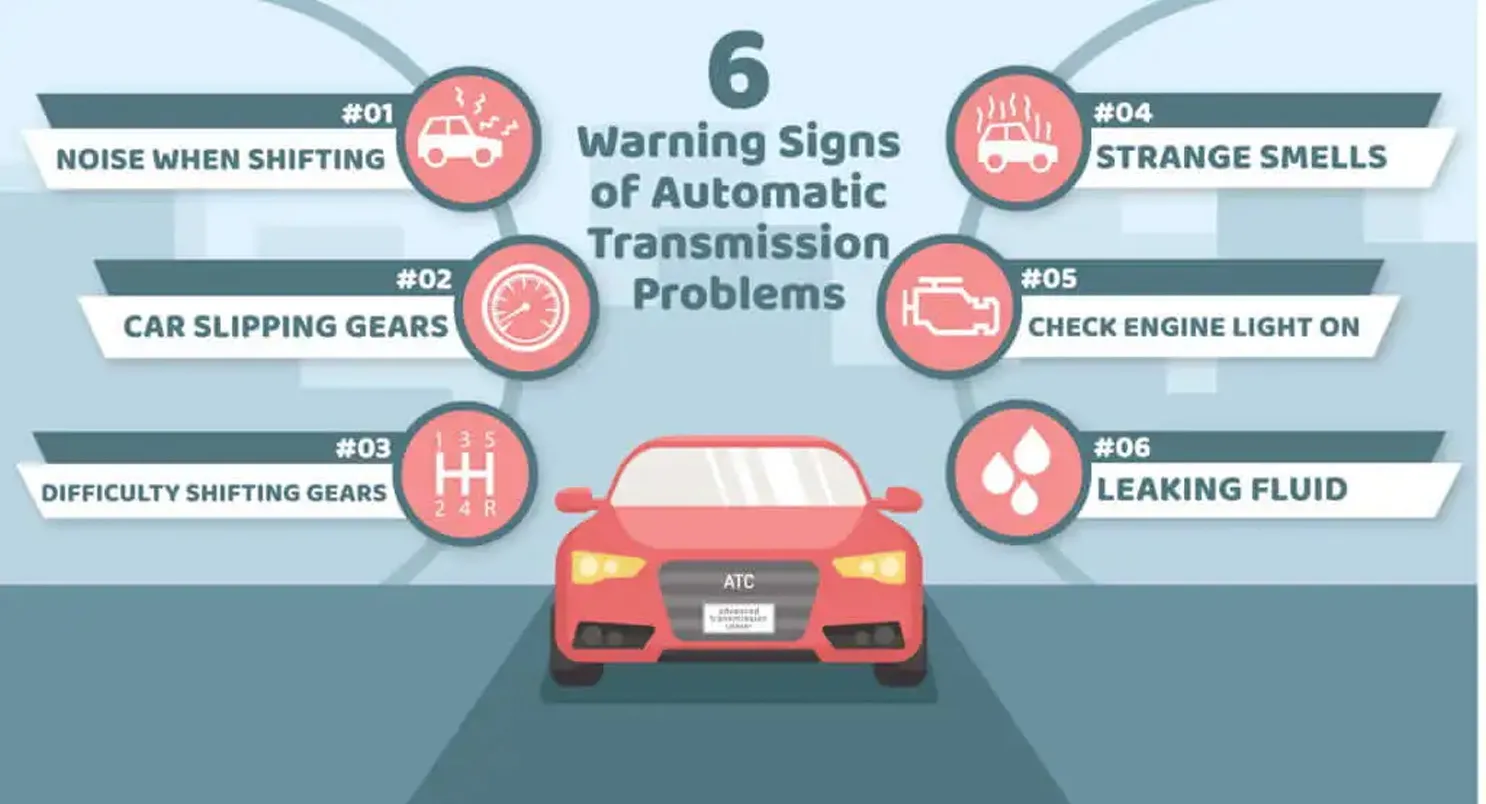
- Grinding or shaking during gear changes
- This often means worn gears or low transmission fluid. Manual and automatic cars can both show this sign.
- Slipping gears or sudden RPM change
- The engine revs but speed does not match. This is a classic sign of transmission problems.
- Delayed or harsh engagement when shifting
- When you shift into drive or reverse, the delay or a jolt is a clear warning of transmission trouble.
- Burning smell
- Overheated transmission fluid smells like burnt toast. This signals internal wear and fluid breakdown.
- Fluid leaks under the car
- Reddish or brown fluid pools indicate a transmission fluid leak. Leaks are a major sign of transmission problems.
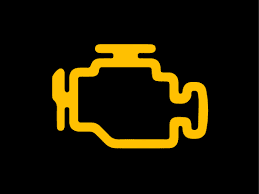
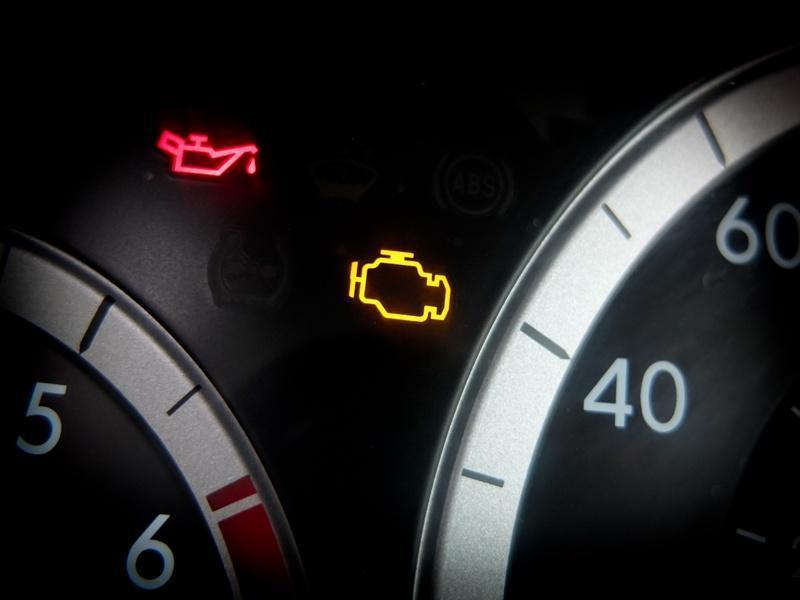
- Check Engine or transmission warning light
- Computer codes often point to transmission faults. Don’t ignore persistent warning lights.
- Strange noises when in neutral
- Whining, humming, or clunking can mean bearings or gears are failing.
- Poor acceleration or reluctance to move
- If the car struggles to accelerate, the transmission may not be transferring power properly.
- Unusual vibrations or shuddering
- A shudder at certain speeds often indicates torque converter or clutch issues and is a sign of transmission problems.
- Inability to shift into certain gears
- Locked or unavailable gears suggest internal mechanical failure or control issues.
- Excessive fuel consumption
- A slipping or malfunctioning transmission can raise fuel use, which is an indirect sign of transmission problems.
- Fluid that is dark or smells burned
- Healthy transmission fluid is clear and red. Dark or foul-smelling fluid shows overheating or contamination.
If you spot any of these signs of transmission problems, document what you felt and heard. Note speed, gear, and conditions to share with a mechanic.

What causes transmission problems
Transmission issues show up for many reasons. Knowing causes helps you prevent repeat failures.
- Low or dirty transmission fluid
- Fluid lubricates and cools. Old or low fluid accelerates wear and creates many signs of transmission problems.
- Overheating
- Heavy towing, hard driving, or cooling issues cause high transmission temperatures and failure.
- Normal wear and aging
- Gears, clutches, and seals wear over time. Age is a common root of signs of transmission problems.
- Mechanical damage or broken parts
- Hard shifts, impact, or manufacturing defects can break internal parts.
- Faulty sensors or solenoids
- Modern transmissions use electronics. Sensor faults cause incorrect shifting and can mimic mechanical problems.
- Poor maintenance or contaminated fluid
- Skipping fluid changes allows metal debris to build up and creates more signs of transmission problems.
Many of these causes are preventable with regular checks and fluid service.
How to diagnose transmission problems (step-by-step)
A simple, structured check can reveal many transmission issues without expensive tools.
- Visual check
- Look under the car for fluid pools. Check fluid color and smell at the dipstick.
- Road test
- Note when symptoms occur: speed, load, gear engaged, and RPM changes.
- Listen and feel
- Record noises, vibrations, and shift quality.
- Scan for codes
- Use an OBD-II scanner to read transmission-related codes. These narrow the problem.
- Fluid pressure and leak tests
- A mechanic can test hydraulic pressure and pinpoint leaks or internal failure.
- Specialist inspection
- If needed, remove the pan or send the transmission for bench testing.
These steps help pinpoint which signs of transmission problems are urgent and which are minor.

When to see a mechanic and repair options
Some signs require immediate attention. Others can wait for a scheduled visit.
- Seek urgent service if:
- The car slips gears, won’t move, or emits a burning smell.
- Schedule service soon if:
- You notice leak, rough shifts, or warning lights that stay on.
- Common repair options:
- Fluid and filter change
- Solenoid replacement
- Torque converter repair
- Rebuild or replace the transmission
Repair choice depends on diagnosis, age of the car, and cost. A rebuild is often cheaper than full replacement on older vehicles, but a new unit can be best for long-term reliability. Discuss warranty and parts quality with your mechanic.
Preventive maintenance to avoid transmission problems
Routine care reduces the risk of major failures and the signs of transmission problems.
- Follow the manufacturer’s fluid change schedule
- Fresh fluid extends life and prevents overheating.
- Check fluid regularly
- Look for level, color, and smell.
- Avoid heavy towing beyond limits
- Excess load raises temperature and wear.
- Use correct fluid type
- Wrong fluid can damage seals and cause improper shifts.
- Drive gently during warm-up
- Let the transmission and fluid reach operating temperature before heavy load.
- Address warning signs early
- Small fixes stop bigger failures.
These simple habits prevent most common signs of transmission problems and save money over time.
My experience diagnosing and fixing transmission issues
I once diagnosed a car that felt like it was slipping at highway speed. The owner thought it was the engine. I checked fluid and found dark, burnt smell and low level. After a fluid change and a new filter, the immediate shudder stopped. Later, we replaced a worn solenoid and the shifts became smooth.
Lessons I learned
- Don’t assume an engine problem when the transmission shows signs.
- Document symptoms. Technicians appreciate clear notes.
- Cheap fixes like adding fluid sometimes mask deeper issues. Test after any service.
These practical tips come from hands-on work and saved that owner a full replacement.
Frequently Asked Questions of signs of transmission problems
How fast should I drive if I notice signs of transmission problems?
Drive slowly and avoid heavy loads. If the car slips or emits a burning smell, stop driving and have it towed to prevent further damage.
Can low transmission fluid cause the same signs as a bad transmission?
Yes. Low or dirty fluid often causes slipping, rough shifts, and overheating, which are common signs of transmission problems.
Is a check engine light always related to the transmission?
Not always, but transmission faults can trigger the check engine light. Use a scanner to find transmission-related codes for clarity.
Will adding transmission fluid fix slipping?
Adding fluid can help if low level caused the slipping. If the fluid is burnt or there is internal damage, adding fluid is only a temporary fix.
Can I drive to the mechanic if I see signs of transmission problems?
Short, careful drives are usually okay for minor signs, but if slipping, loss of drive, or burning smell occurs, do not drive. Tow the vehicle to avoid further damage.
Conclusion
Recognizing the signs of transmission problems early gives you control. Watch for slipping, harsh shifts, leaks, burned fluid, and odd noises. Check fluid often, scan for codes, and consult a trusted mechanic when needed. Acting promptly can save you from a costly rebuild.
Take action today: inspect your fluid, note any odd behavior, and schedule a diagnostic if you spot signs of transmission problems. Share your experience in the comments or subscribe for more vehicle care tips.