Hybrid Vs Petrol Car Difference: Which Is Better For You
Hybrid cars pair electric motors with petrol engines; petrol cars run only on gasoline engines.
I have driven and worked on both types for years. I will show the hybrid vs petrol car difference clearly. This guide breaks down how each works, real costs, and what to expect. Read on to make a smart choice based on facts and real experience.
Hybrid vs Petrol Car Difference: Overview
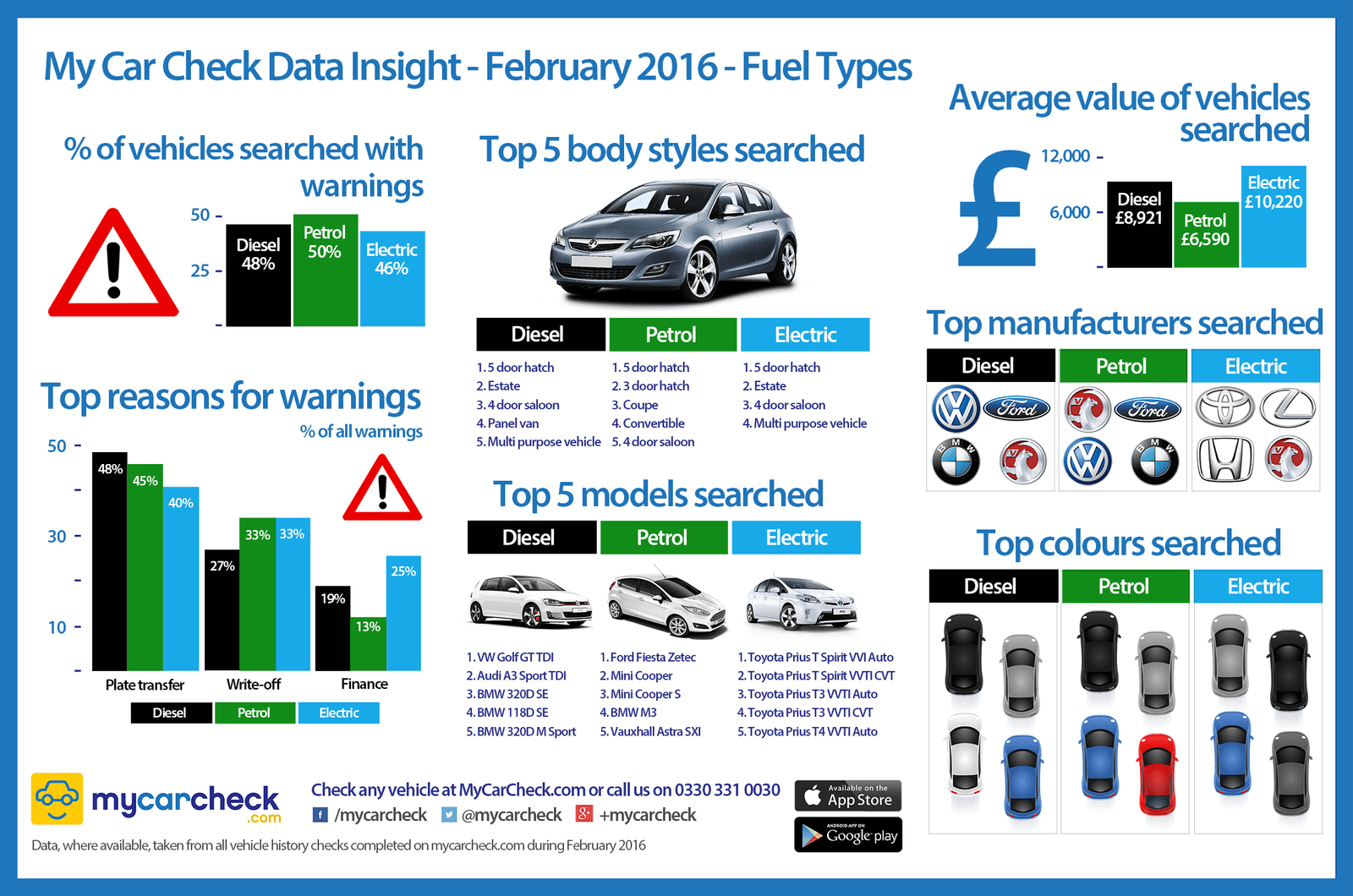
A petrol car uses an internal combustion engine. It burns gasoline to move the wheels. A hybrid mixes an electric motor and a petrol engine. The electric motor helps at low speed and cuts fuel use. The hybrid vs petrol car difference often comes down to fuel use, emissions, and driving feel. Knowing these basics helps you pick the best car for your needs.

How They Work: Engines, Batteries, and Power Flow
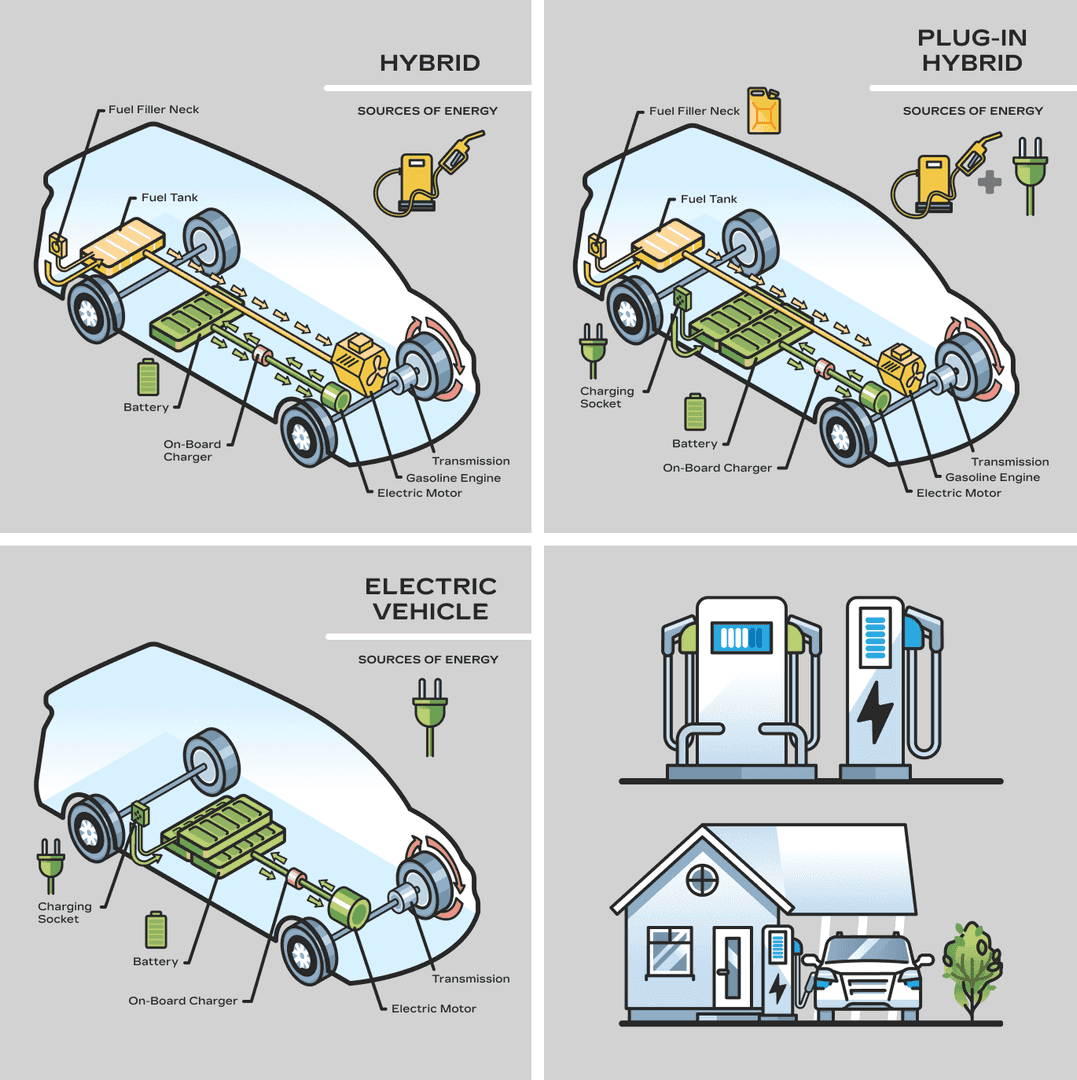
Petrol cars have a single power source. The engine makes power and sends it to the wheels. Hybrids have two main power sources. They use a petrol engine and one or more electric motors. A small battery stores energy. The system decides when to use electric or petrol power.
Types of hybrids:
- Mild hybrid: The electric motor assists but cannot drive alone.
- Full hybrid: The car can run on electric only for short distances.
- Plug-in hybrid: Has a larger battery and can be recharged from the grid.
The hybrid vs petrol car difference in system complexity is big. Hybrids add motors, power electronics, and batteries. Petrol cars are simpler to understand and repair.
Fuel Efficiency and Running Costs
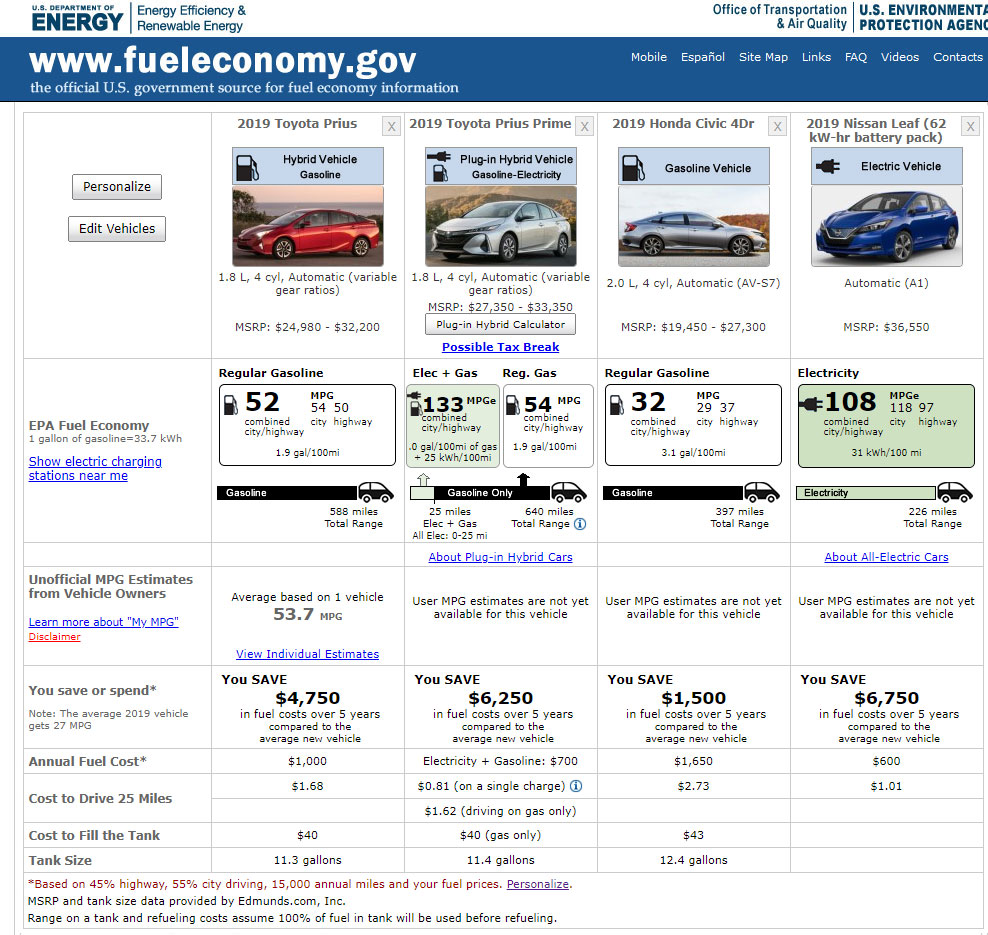
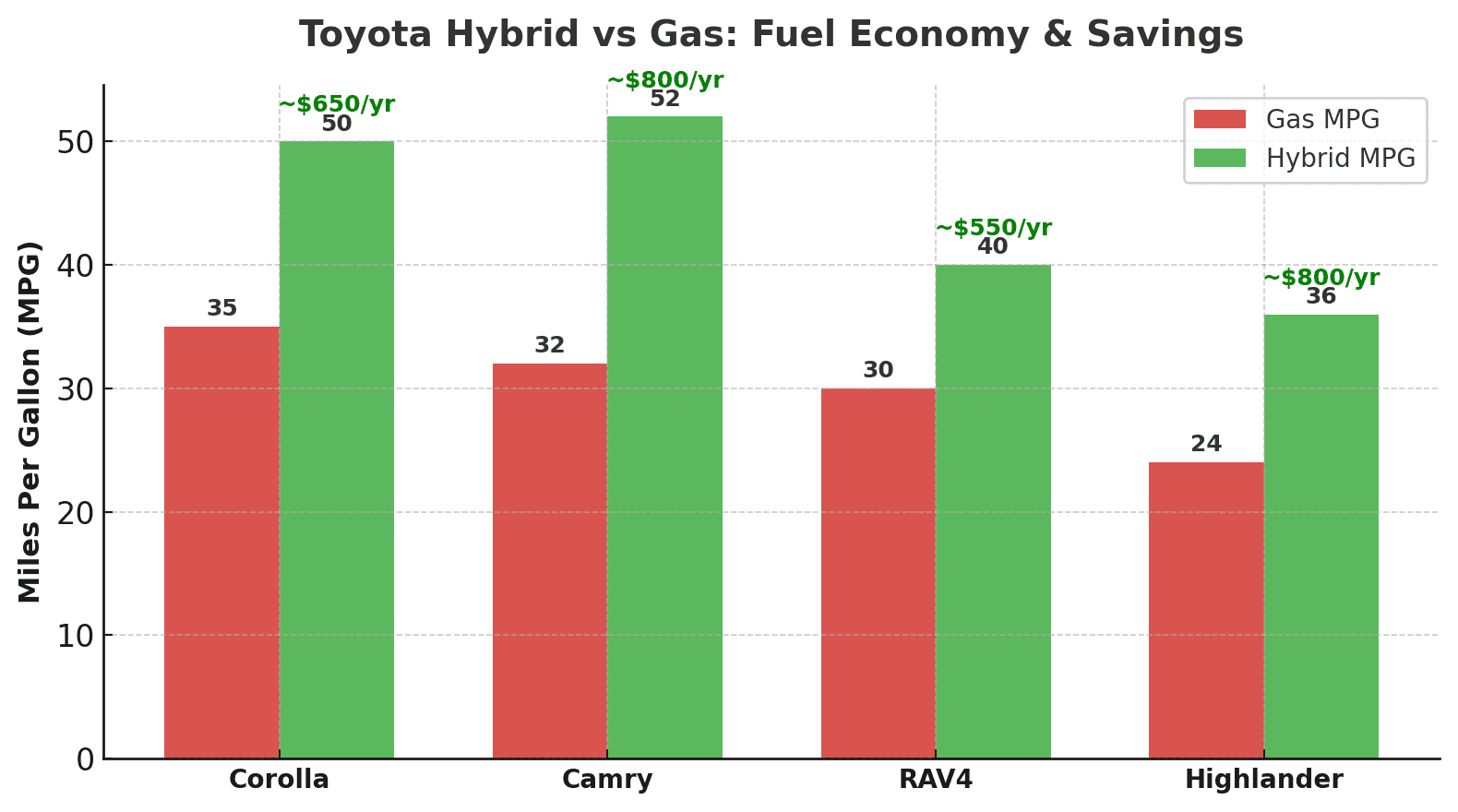
Hybrids often use less fuel in city driving. Electric assistance cuts idling and stop-and-go fuel use. Petrol cars can be efficient on highways. Real savings depend on your driving mix.
Typical cost factors:
- Fuel: Hybrids use less gas in town. Petrol cars may use less on long trips.
- Maintenance: Hybrids may need less brake work because of regenerative braking. Petrol cars need routine oil and filter changes only.
- Battery life: Hybrid batteries wear over time but many last 8–15 years. Replacements can be costly.
From my experience, a hybrid saved me money in city commute. I drove 30 miles per day with many stops. Fuel bills fell by about 25% in the first year. However, a long-distance driver I know saw smaller savings. The hybrid vs petrol car difference in costs often depends on daily miles and driving style.
Environmental Impact
Hybrids cut tailpipe emissions in many situations. They reduce CO2 and NOx in low-speed driving. Petrol cars emit more pollutants while idling and in traffic. Battery production has an environmental cost. Mining and processing battery materials use energy and water.
Points to consider:
- Tailpipe emissions: Hybrids lower them during city driving.
- Lifecycle impact: Battery making adds emissions up front.
- Recyclability: Battery recycling is improving but not perfect.
I always weigh emission cuts against battery impact. If you drive mainly in town, hybrids can reduce your personal emissions a lot. The hybrid vs petrol car difference in total footprint depends on production and how long you keep the car.
Performance, Driving Feel, and Practical Use
Driving feel differs a lot between the two.
Hybrids are smooth at low speed. Electric torque feels strong from a stop. Petrol cars often feel more linear at highway speeds. Some drivers prefer the sound and response of a petrol engine.
Practical points:
- City use: Hybrids shine in short trips and traffic.
- Highway use: Petrol cars may be more fuel efficient at steady speed.
- Towing and load: Many hybrids are fine, but full-size petrol engines still excel in heavy towing.
- Range: Petrol cars only need fuel stops. Hybrids often extend range but may need charging for plug-in models.
On the road, I liked a hybrid for daily errands. It felt quiet and saving fuel felt good. On long trips, I switched to a petrol car for relaxed highway miles. The hybrid vs petrol car difference in daily comfort and range showed up quickly.
Buying Guide and Ownership Tips
Decide on your primary use first. Choose the vehicle that matches your routine. If you drive mainly in town, a hybrid is smart. If you do many long hauls, a petrol car might cost less over time.
Checklist when buying:
- Check real fuel economy in similar driving conditions.
- Inspect battery health for used hybrids.
- Compare warranties on hybrid systems and batteries.
- Factor in local incentives for hybrids or plug-in models.
- Ask about service history and parts availability.
I recommend test drives in your normal traffic. Drive the car the way you usually do. I once bought a hybrid after a short test and later regretted it because my commute was mostly highway. That taught me to test drive with purpose. The hybrid vs petrol car difference will feel different on your usual route.
Frequently Asked Questions of hybrid vs petrol car difference
What is the main hybrid vs petrol car difference for fuel economy?
Hybrids generally use less fuel in city and stop-and-go driving due to electric assist. Petrol cars can be more efficient on long highway trips where the engine runs steadily.
Are hybrid batteries expensive to replace?
Battery replacement can be expensive but many last 8–15 years. Warranties often cover a large part of that span, lowering risk.
Do hybrids need special maintenance?
Hybrids need regular maintenance like petrol cars but have fewer brake jobs due to regenerative braking. Some hybrid parts are more complex, so service can cost more in specialized shops.
Can a hybrid car run on electric only?
Some hybrids can for short distances; plug-in hybrids can run longer on electric power when charged. Mild hybrids cannot run on electric alone.
Will a hybrid save me money right away?
Savings depend on driving habits. City drivers with frequent stops often save quickly. Highway-heavy drivers may see smaller short-term savings.
Conclusion
You now know the hybrid vs petrol car difference in simple terms. Hybrids save fuel in city driving and cut emissions in many cases. Petrol cars stay simple, reliable, and strong on long drives. My advice is to match the car to your drive profile and budget. Test drive both types on your usual route and check total cost of ownership. If you found this useful, leave a comment, subscribe for more guides, or share your own driving experience.