Petrol Vs Diesel: Which Fuel Is Best For You
Petrol cars are quieter and cheaper; diesel gives better fuel economy and torque.
I’ve tested cars and vans on city streets and highways. This petrol vs diesel guide breaks down engines, costs, and real-life trade-offs. Read on to make a clear choice that fits your driving, budget, and values.
How petrol and diesel engines differ
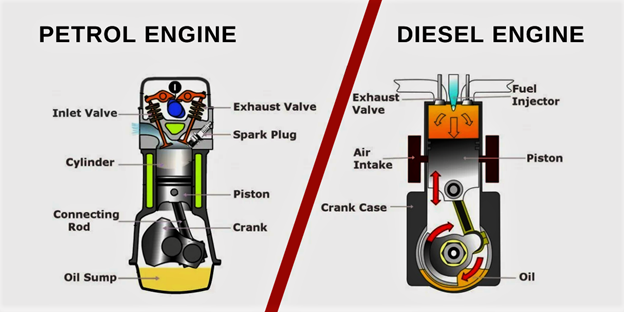
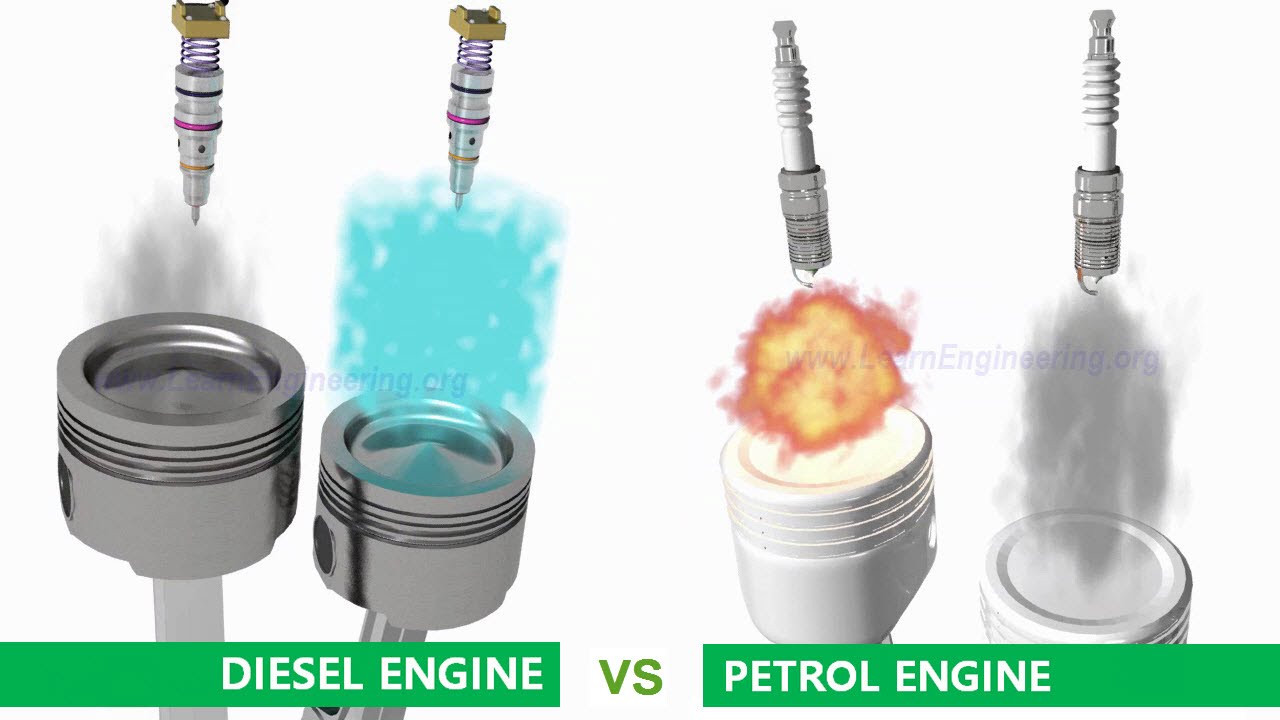
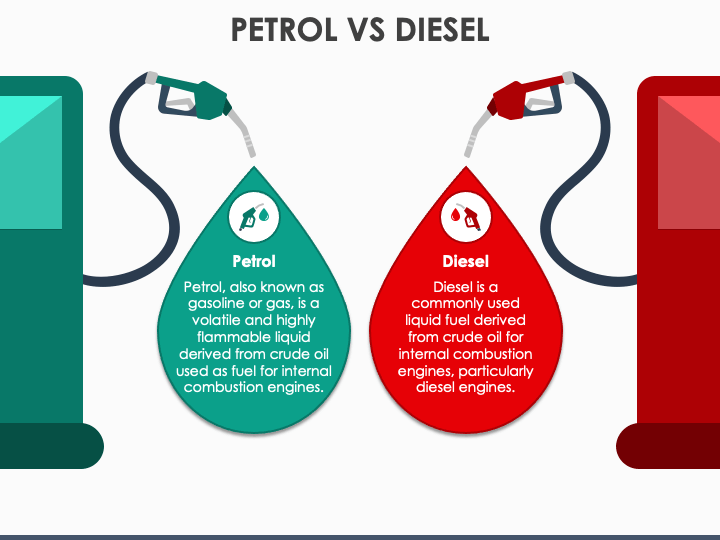
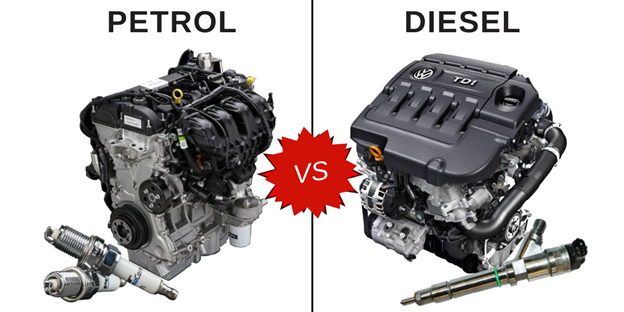
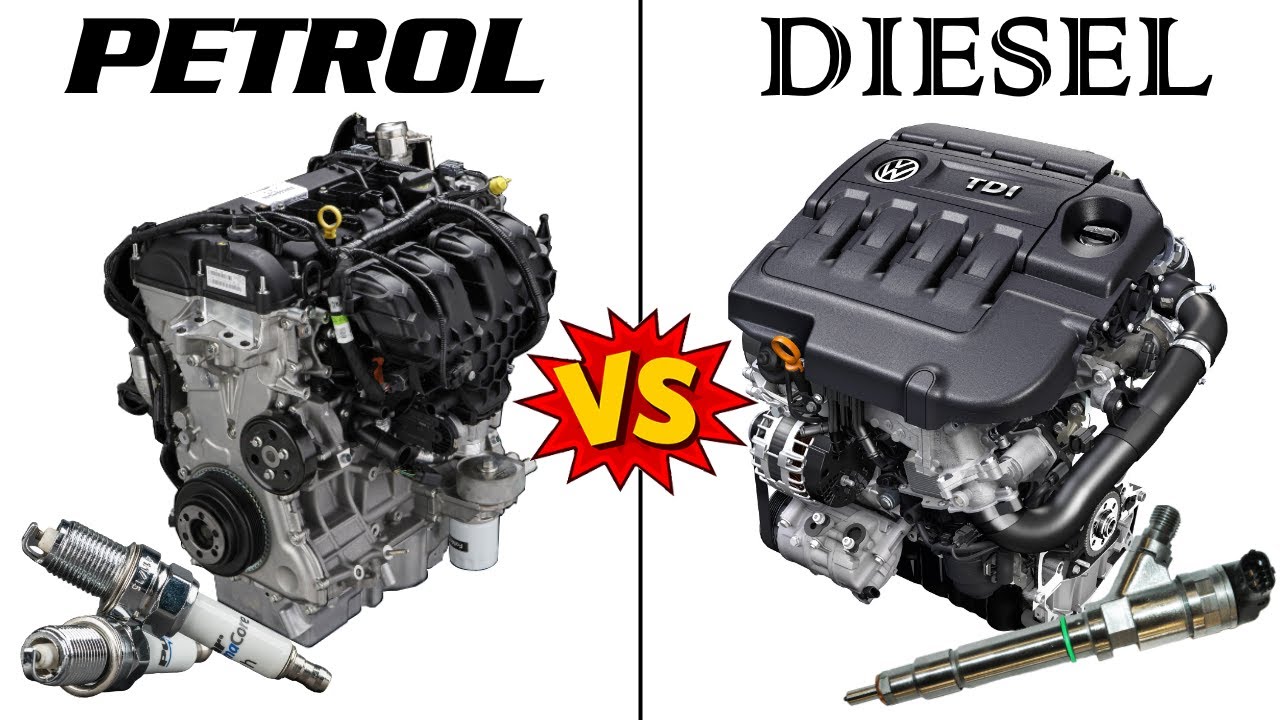
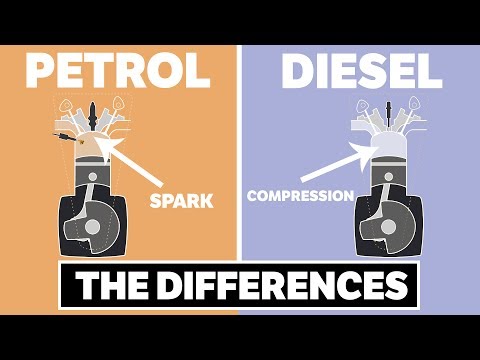
Petrol and diesel use different sparks and pressures. Petrol engines use spark plugs and higher-octane fuel. Diesel engines compress air until it ignites the fuel. That difference drives most of the gaps between petrol vs diesel performance, economy, and maintenance.
Petrol burns cleaner in some ways. Diesel burns more slowly and gives more torque. These basics explain why one feels peppy and the other feels strong.
Performance and driving experience
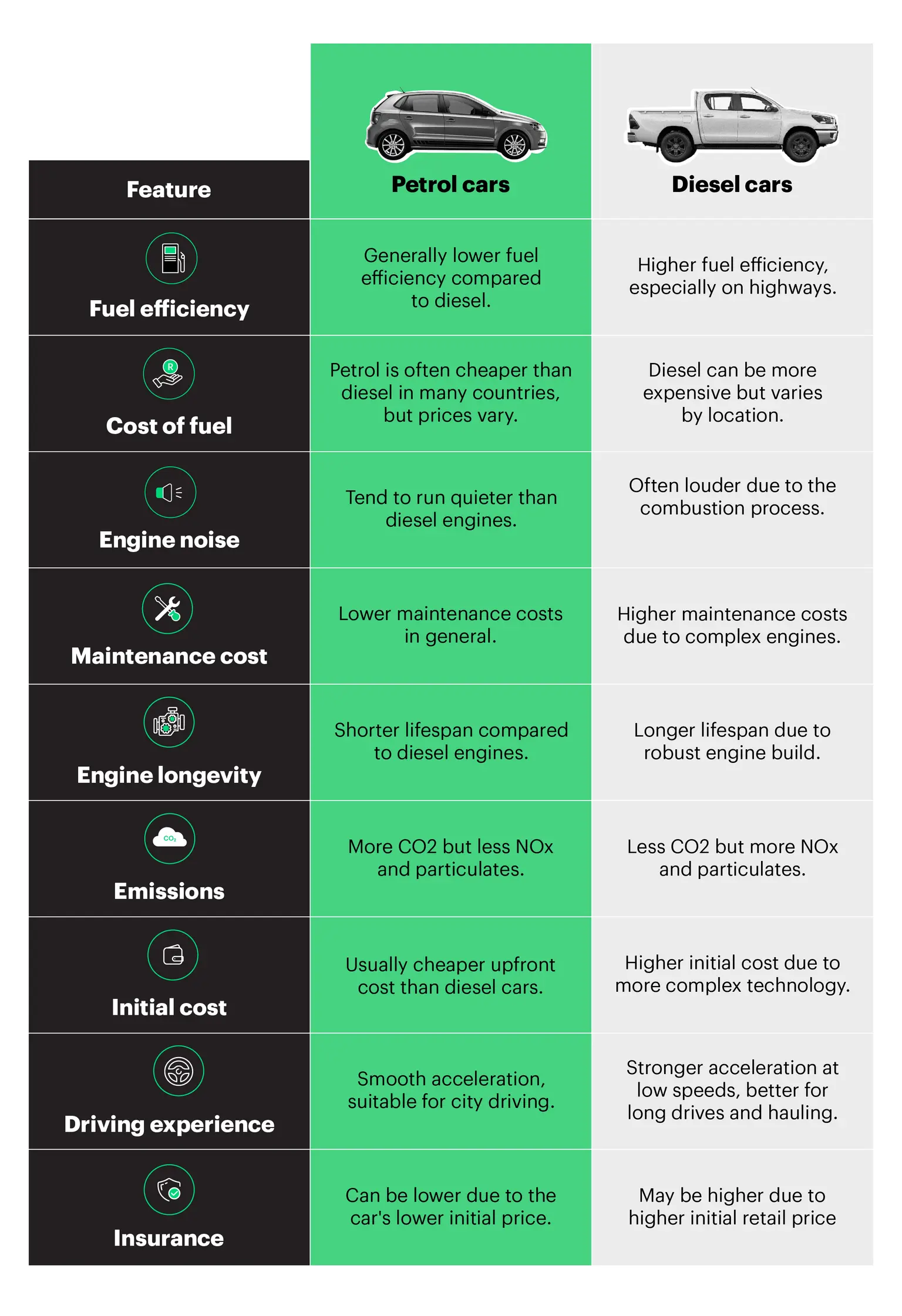
Petrol cars often feel lighter and rev higher. They are quick to respond in city traffic. Diesel cars deliver more low-end torque. That makes them great for towing and long highway runs.
On hills and with loads, diesel can feel more effortless. For short trips and sportier feel, petrol usually feels better. Think about how and where you drive when weighing petrol vs diesel.
Cost and fuel economy
Diesel generally returns better miles per gallon. That can cut fuel costs on long trips or high mileage. Petrol usually costs less at purchase and repair time. Fuel price swings and local taxes change the math fast.
Total cost of ownership depends on miles driven, fuel prices, and service costs. For many drivers, diesel saves money only after heavy yearly mileage. Run your numbers for a realistic petrol vs diesel comparison.
Maintenance and longevity
Diesel engines often last longer under heavy use. They run at lower RPMs and handle torque well. However, modern diesels have complex emission systems that can be costly to fix. Petrol engines can be cheaper to repair and simpler to maintain.
Regular service and clean fuel keep both engines healthy. If you plan low-mileage city driving, petrol tends to be easier and less costly over time. That is an important point in the petrol vs diesel choice.
Environmental impact and emissions
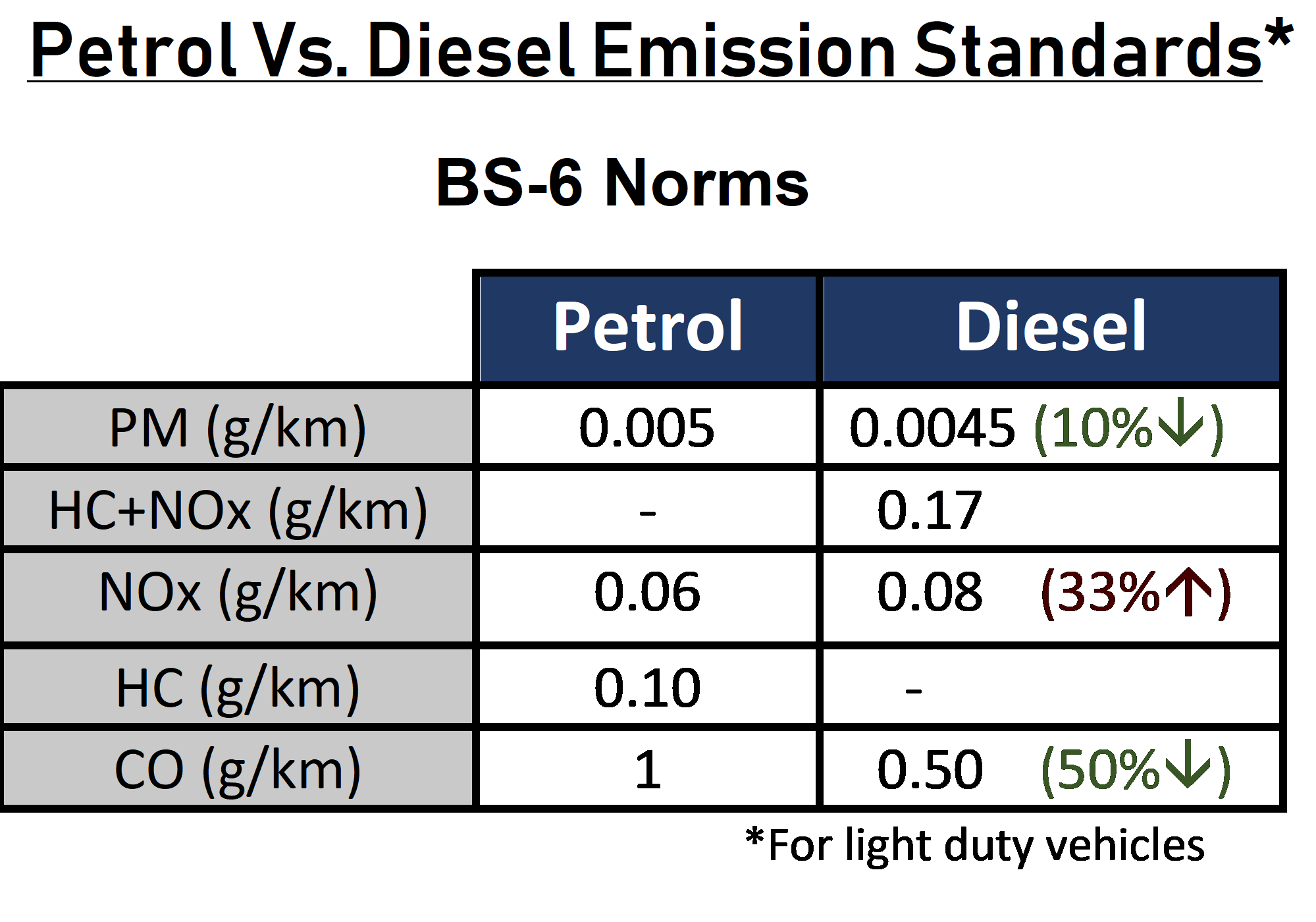
Diesel emits less CO2 per mile in many real-world tests. But diesel can produce more nitrogen oxides (NOx) and particulates unless after-treatment systems are present. Petrol emits less NOx but can release more CO2 in some engines.
Newer tech and cleaner fuels have narrowed gaps. Still, local rules and clean air zones affect diesel ownership. Consider local emissions rules when choosing petrol vs diesel.
Choosing between petrol vs diesel: which is right for you?
Think about your driving habits and priorities. Answer these simple questions:
- Do you drive long distances regularly? Diesel often saves money on long trips.
- Is city stop-and-go your daily routine? Petrol is usually kinder to short trips.
- Do you tow or carry heavy loads? Diesel’s torque helps with towing and hauling.
- Do you want lower purchase and repair costs now? Petrol often costs less up front.
- Are low emissions or access to clean air zones a concern? Check local rules and fuel standards.
Use a simple payback calculation. Add purchase price, yearly fuel cost, and likely repairs. That makes the petrol vs diesel decision clear and practical.
My personal experience with petrol vs diesel
I once owned a petrol hatch for city work. It was nimble and cheap to run. After a year of long trips, I switched to a diesel estate. The diesel cut my fuel stops and felt relaxed on the highway. Servicing was costlier, but I saved money because I drove so many miles.
Lessons I learned:
- Match the car to your miles. Low miles favored petrol for me.
- Test drive both on routes you use every day.
- Factor in local fuel prices and taxes.
These small checks make the petrol vs diesel choice much easier.

Frequently Asked Questions of petrol vs diesel
What is the main difference between petrol and diesel engines?
Petrol engines use spark plugs and lighter fuel. Diesel engines compress air to ignite fuel and use heavier fuel. That leads to differences in torque, efficiency, and cost.
Which fuel type is cheaper to run?
Diesel can be cheaper per mile on long drives because of better fuel economy. Petrol is often cheaper for low-mileage and city drivers when you include maintenance and purchase cost.
Are diesel cars better for towing?
Yes. Diesel engines produce more low-end torque. That makes them better for towing and hauling heavy loads. For towing, diesel is usually the smarter pick.
Do petrol cars pollute more than diesel?
Petrol often emits less NOx and particulates than older diesels but can emit more CO2 in some cases. New engines and filters have narrowed the differences.
How long before diesel pays off versus petrol?
It depends on purchase price and miles driven. For many people, diesel pays off after tens of thousands of miles. Run a simple cost comparison to find your break-even point.
Conclusion
Petrol vs diesel comes down to how you drive, how far you go, and local rules. Petrol shines for city use, low miles, and lower initial costs. Diesel wins for high miles, towing, and fuel efficiency on highways. Use the simple checklist and payback math above to decide.
Take action: list your yearly miles, local fuel prices, and typical routes. Plug those numbers into a basic cost comparison and test drive both fuel types. Share your results or questions in the comments and subscribe for more practical vehicle guides.