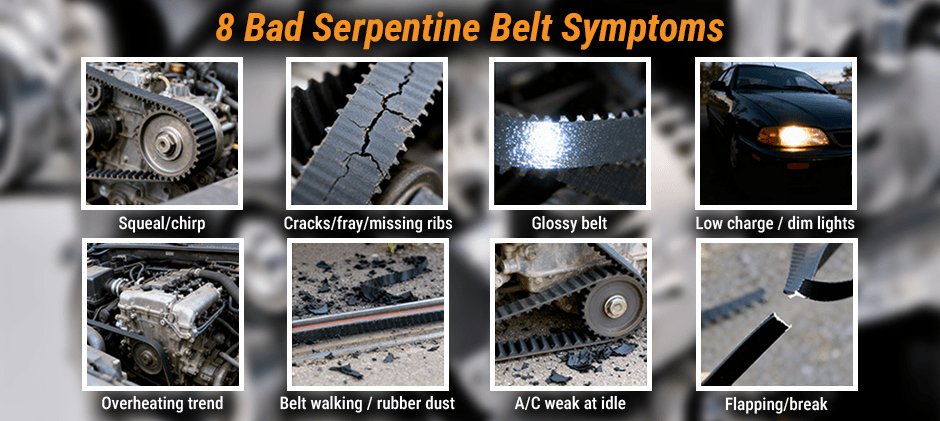
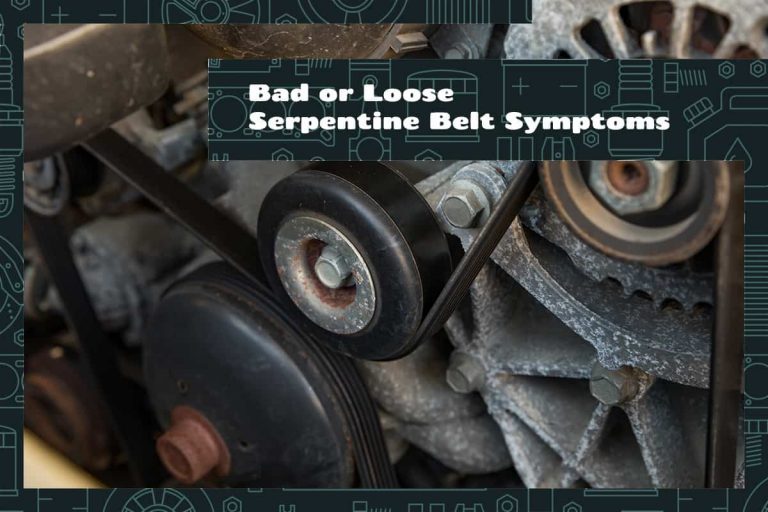
The most common signs of a failing serpentine belt include squealing noises, visible cracks, frayed edges, battery warning lights, weak air conditioning, heavy steering, and engine overheating. Early inspection can prevent a sudden breakdown and expensive repairs.
For drivers across the United States, a reliable serpentine belt is essential for daily commutes, long highway trips, and busy city traffic. This small rubber belt works hard every time the engine runs. It transfers engine power to several important accessories, including the alternator, air conditioning compressor, and, on some vehicles, the water pump and power steering pump. When the belt begins to fail, these systems may stop working as they should.
Serpentine belt problems do not always begin with a sudden snap. You may first hear a sharp squeal when starting your car in the morning. You might also notice a battery warning light, weak air conditioning, or a belt that looks worn under the hood. These early clues can help you find the problem before the belt breaks.
However, not every belt-related symptom means the belt itself is damaged. A weak tensioner, worn pulley bearing, leaking fluid, or pulley misalignment can create similar problems. Understanding the difference helps you avoid replacing a good belt while leaving the real problem untouched. This guide explains the warning signs, safe inspection steps, likely causes, and the right time to seek professional repair.
Source: electronicshub.org
What Does a Serpentine Belt Do?
A serpentine belt is a long, reinforced rubber belt that drives several engine accessories. It gets its power from the crankshaft pulley, which turns as the engine runs. The belt follows a specific path around several pulleys to transfer that motion to other parts.
Most modern vehicles use one main serpentine belt for several accessories. Some vehicles have an additional belt for a separate component. The exact setup depends on the engine and model.
The belt must maintain proper tension and grip. If it becomes loose, worn, or damaged, the pulleys may slip. This reduces the power available to the accessories and can cause several problems at once.
Source: jacobs-studie.de
Alternator
The alternator produces electricity and recharges the battery while the engine runs. A slipping or broken belt can reduce charging and trigger the battery warning light.
Air Conditioning Compressor
The belt may drive the A/C compressor. If the belt slips or breaks, the air conditioning may stop cooling properly.
Power Steering Pump
Vehicles with hydraulic power steering may use the belt to drive the steering pump. A belt failure can make the steering wheel much harder to turn.
Water Pump
Some engines use the serpentine belt to drive the water pump. If this belt fails, coolant circulation may stop and the engine can overheat quickly.
Is a Serpentine Belt the Same as a Timing Belt?
No. These belts perform different jobs. A serpentine belt drives external engine accessories, while a timing belt controls the movement of the camshaft and crankshaft on engines that use one.
A broken serpentine belt does not normally change engine valve timing. However, it can still create serious problems if it stops the alternator, water pump, or other essential accessories. Never confuse the two belts when checking maintenance requirements.
8 Common Serpentine Belt Failure Symptoms
A failing belt often gives several warning signs before it breaks. Some symptoms appear under the hood, while others show up through the vehicle’s electrical, cooling, steering, or climate systems. Pay attention when two or more problems happen together.
The following signs can help you decide whether the accessory belt system needs inspection. Remember that other faulty components can produce similar symptoms, so a proper diagnosis is still necessary.
Source: automadesimply.com
1. High-Pitched Squealing Noise
A loud squeal from the engine area is one of the most familiar warning signs. It may happen during a cold start, when accelerating, or when the air conditioning turns on. The sound often points to belt slip caused by low tension, worn ribs, contamination, or a pulley that creates too much resistance. A worn tensioner can cause the same noise.
2. Repeated Chirping or Squeaking
A short, repeated chirp may follow engine speed. It can point to pulley misalignment, worn belt ribs, incorrect installation, or a damaged pulley bearing. A chirp is not always a sign that the rubber belt needs replacement. The full belt drive system should be checked.
3. Visible Cracks, Fraying, or Missing Rubber
Look for damaged edges, missing chunks, exposed cords, separated ribs, or cracks that run along the belt. These signs suggest the belt has lost strength or is no longer tracking correctly. A belt with missing ribs or exposed reinforcement should be replaced promptly.
4. Battery Warning Light
The battery-shaped warning light may appear when the alternator cannot charge the battery properly. A slipping or broken serpentine belt can prevent the alternator from receiving enough power. However, a faulty alternator, wiring problem, or weak battery can also trigger this warning.
5. Heavy or Difficult Steering
If your vehicle has hydraulic power steering, a broken or slipping belt may stop the steering pump from working correctly. The steering wheel can suddenly become much harder to turn, especially at low speeds. Electric power steering systems do not use a belt-driven hydraulic pump, so this symptom depends on the vehicle design.
6. Weak or Warm Air Conditioning
A slipping belt may prevent the A/C compressor from running at the required speed. You may notice warm air, poor cooling, or changes in cooling performance. However, low refrigerant, compressor problems, electrical faults, and other A/C issues can create similar symptoms.
7. Engine Overheating
Some vehicles use the serpentine belt to operate the water pump. If the belt slips or breaks, coolant may stop circulating as designed. The temperature gauge may rise, and an overheating warning may appear. This is a serious warning that requires you to stop driving as soon as it is safe.
8. Burning Rubber Smell or Excessive Belt Vibration
A slipping belt can create heat and a burning rubber smell. You may also notice belt movement, flutter, or vibration caused by poor tension or pulley problems. Do not ignore smoke or a strong burning smell. Other engine components can produce similar odors, so have the vehicle inspected.
Which Symptoms Need Immediate Attention?
Engine overheating, sudden heavy steering, a broken belt, or a battery warning light combined with other electrical problems deserve immediate attention. These conditions can leave you stranded or make the vehicle unsafe to operate.
A minor squeal without other symptoms may allow you to arrange a prompt inspection, but it should not be ignored. A belt that slips under load can deteriorate quickly.
Stop driving
Do this if the engine overheats, the belt breaks, or steering becomes difficult enough to affect safe control.
Arrange an inspection
Do this when you hear repeated squealing or chirping, notice visible damage, or see a charging warning.
What Causes a Serpentine Belt to Fail?
A serpentine belt usually fails because of age, heat, friction, contamination, or problems elsewhere in the accessory drive system. The belt bends around several pulleys every time the engine runs. Over time, this repeated movement and exposure to engine heat can wear down the rubber and reinforcement.
However, a belt can also fail early when another component puts too much stress on it. Replacing the belt without correcting that problem may lead to another failure.
Source: offroadingpro.com
Normal Age and Wear
Rubber and reinforcement materials change as they age. Heat and repeated bending can reduce flexibility and grip. Eventually, the belt may slip, lose material, or develop structural damage.
Weak Belt Tensioner
The tensioner keeps the belt tight against the pulleys. A weak spring, worn bearing, or damaged tensioner arm can reduce belt tension. The belt may then slip, squeal, vibrate, or move out of position.
Damaged Idler Pulley
An idler pulley guides the belt along its correct route. A worn bearing can create noise, resistance, and heat. A pulley that wobbles or becomes difficult to rotate can damage the belt.
Pulley Misalignment
When pulleys do not line up correctly, the belt may rub against their edges. This can cause uneven wear, chirping, fraying, and premature failure.
Oil or Coolant Contamination
Engine oil, coolant, power steering fluid, and other chemicals can damage belt materials. Contamination may cause swelling, softening, slipping, and unusual noise. The leak must be repaired before a replacement belt is installed.
Seized Accessory Bearing
An alternator, water pump, A/C compressor, or other accessory can develop a bearing problem. If a pulley becomes difficult to rotate or locks up, the belt may slip, overheat, or break.
Incorrect Belt Size or Installation
A belt that is too long, too short, or incorrectly routed may not maintain proper tension. Incorrect seating can also damage the ribs or cause the belt to move off a pulley.
Why Does a New Serpentine Belt Break So Quickly?
A new belt should not normally fail soon after installation. If it does, look beyond the belt itself. A seized pulley, worn tensioner, damaged pulley surface, incorrect belt length, or poor installation may be responsible.
Another common problem is incomplete seating. Every rib must sit correctly inside its matching pulley groove. Even a small routing or alignment mistake can cause rapid wear and belt damage. A mechanic should inspect the entire drive system before fitting another belt.
How to Inspect a Serpentine Belt for Damage
A basic visual inspection can help you spot obvious belt damage before it causes a breakdown. You do not need to remove the belt to look for visible wear. However, you must follow safe inspection practices and never reach near a moving belt.
Park the vehicle on level ground, switch off the engine, remove the key, and allow hot engine parts to cool. Keep your hands, clothing, hair, and tools away from the cooling fan and other moving components. Some electric cooling fans can start automatically, even when the engine is off.
Source: youtube.com
Step 1: Find the Belt
Open the hood and locate the accessory drive belt. Use the owner’s manual or an under-hood routing diagram if you are unsure which belt you are viewing.
Step 2: Check the Ribbed Surface
Look for missing ribs, deep grooves, separation, cracks along the ribs, and other signs of material damage. A damaged rib can reduce contact with the pulley and cause slipping.
Step 3: Inspect the Belt Edges
Check for fraying, uneven wear, exposed cords, and signs that the belt has rubbed against another part. These problems may indicate misalignment or incorrect tracking.
Step 4: Examine the Backside
Look for severe glazing, abrasion, burning marks, swelling, or other unusual changes. A shiny surface may suggest excessive friction or contact with another component.
Step 5: Look for Fluid Leaks
Check the nearby engine area for oil, coolant, or power steering fluid. A replacement belt may fail again if the source of contamination remains.
Step 6: Check the Tensioner and Pulley Area
Look for visible pulley damage, wobbling, unusual positioning, or a tensioner that appears out of place. Do not attempt to test moving components while the engine is running.
Can You Tell If an EPDM Belt Is Worn by Looking at It?
Not always. Many modern serpentine belts use EPDM rubber. These belts can lose material from their ribs without showing the obvious cracking associated with older belt designs.
A belt may look acceptable from a distance but have shallow, rounded grooves that no longer grip the pulleys well. A suitable belt wear gauge can help measure rib wear. A qualified technician can also inspect the belt profile and compare it with the correct specifications.
Do not replace every belt simply because you see a few small cracks. Some vehicle manufacturers consider certain small cracks across the rib surface normal. Other damage, such as cracks running along a rib, missing chunks, or exposed cords, requires attention. Follow the inspection rules for your exact vehicle and belt.
When Should You Let a Mechanic Inspect It?
Seek professional help if you cannot access the belt safely, see severe damage, notice pulley misalignment, or suspect a tensioner or bearing problem. Belt removal may require a special tool, and some engines have limited working space.
A mechanic can inspect the pulleys with the belt removed, check the tensioner movement, identify rough bearings, and confirm that the replacement belt follows the correct routing.
What Happens If a Serpentine Belt Breaks While Driving?
A broken serpentine belt can affect several vehicle systems at once. What happens next depends on which accessories the belt drives and how your vehicle is designed. Some cars may continue running briefly, while others may lose important functions almost immediately.
The alternator may stop charging the battery. A hydraulic steering pump may stop providing assistance. If the belt drives the water pump, coolant circulation may also stop. These problems can turn a normal trip into a roadside emergency.
Source: upgradedvehicle.com
The Battery Stops Charging
The vehicle may continue using stored battery power for a short time, but the battery will gradually lose charge. Electrical systems may become unreliable, and the engine may eventually stall.
The Engine May Overheat
If the belt drives the water pump, coolant flow can be interrupted. Engine temperature may rise rapidly, especially under load or in hot weather.
Steering May Become Difficult
Hydraulic power steering assistance may disappear. You may need much more effort to turn the steering wheel, particularly at low speeds.
Air Conditioning May Stop
The compressor may no longer receive power from the engine. Cabin cooling can stop, although this is generally less urgent than overheating or loss of charging.
What Should You Do If the Belt Breaks?
If you notice a sudden warning light, loud belt noise, heavy steering, or a rising temperature gauge, focus on getting out of traffic safely. Do not try to reach your destination with a broken belt.
Once you have reached a safe place, turn off the engine. Do not open a hot cooling system or touch a damaged belt. Arrange roadside assistance or a tow to a repair shop. Restarting the engine may cause further damage, especially if the water pump is no longer operating.
Tell the technician what happened before the belt failed. Mention any unusual noises, warning lights, overheating, or fluid leaks. This information can help identify the original cause.
Never Ignore an Overheating Warning
Stop as soon as it is safe and shut down the engine. Continuing to drive an overheating engine can cause severe internal damage.
Do Not Touch a Moving Belt
Never inspect or adjust the accessory drive while the engine is running. Moving pulleys and belts can cause serious injuries.
Do Not Use Belt Dressing
Belt sprays do not correct worn ribs, weak tensioners, misalignment, or damaged bearings. They may also contaminate the belt and make the problem worse.
How to Fix a Failing Serpentine Belt
The correct repair depends on the condition of the belt and the parts around it. A damaged belt usually needs replacement, but a weak tensioner, seized pulley, or fluid leak may also need attention.
Start by identifying the cause of the failure. Installing a new belt without fixing the original problem can lead to repeated noise, poor performance, and another breakdown.
Replace a Damaged Belt
Choose the correct belt for the vehicle’s engine and accessory layout. Match the required length, rib count, and part specifications. Do not assume that two vehicles with the same model name use the same belt.
Repair a Faulty Tensioner
Replace a tensioner that has weak spring pressure, damaged movement, rough bearings, or excessive pulley wobble. Correct tension helps the belt maintain proper contact.
Replace Damaged Pulleys
A pulley with a rough bearing, cracks, excessive play, or misalignment should be repaired or replaced as required. Check the accessory pulleys and idlers before installing a new belt.
Fix Fluid Leaks
Repair oil, coolant, or power steering fluid leaks before fitting a replacement belt. An oil-soaked or chemically contaminated belt should not be reused.
Confirm Correct Belt Routing
Use the factory routing diagram to make sure every rib sits inside the correct pulley groove. Incorrect routing can create poor tension, noise, and rapid damage.
Should You Replace the Tensioner With the Belt?
Not every belt replacement requires a new tensioner. However, the tensioner should always be inspected because its spring and bearing can wear over time.
If the tensioner shows rough movement, poor spring pressure, wobbling, or bearing noise, replacement may be necessary. Idler pulleys should also be checked. Replacing worn components during the same repair can prevent the new belt from failing early.
Some manufacturers and repair shops offer complete accessory drive kits. These may include the belt, tensioner, and idler pulleys. A kit can make sense when several components are worn, but replacing parts that are still in good condition is not automatically necessary.
Is Serpentine Belt Replacement a DIY Job?
Some vehicles allow fairly easy belt replacement, while others require special tools and difficult access. The job usually involves releasing tension, removing the old belt, checking the pulleys, and installing the new belt according to the correct routing diagram.
If you have the correct tools and service information, you may be able to complete the repair. However, a mistake can damage the belt, tensioner, or accessory components. If you are unsure how to release the tensioner or route the belt, use a qualified mechanic.
How Long Does a Serpentine Belt Last?
Many serpentine belts last roughly 60,000 to 100,000 miles, but this is only a general range. Actual service life depends on belt material, engine design, temperature, driving conditions, pulley condition, and maintenance history.
Some modern belts can last longer under suitable conditions. Others may wear sooner because of heat, contamination, heavy accessory loads, or a faulty tensioner. A mileage estimate should never replace the vehicle manufacturer’s maintenance schedule.
Check the owner’s manual for the recommended inspection or replacement interval. If you bought a used vehicle and cannot confirm when the belt was last changed, ask a mechanic to inspect it and check the service history.
Inspect During Routine Maintenance
Ask for a belt inspection during scheduled oil changes or other maintenance visits. Regular checks can reveal wear before the belt breaks.
Watch for Fluid Leaks
Repair oil and coolant leaks quickly. These fluids can damage the belt and shorten its service life.
Listen for New Noises
Pay attention to squealing, chirping, ticking, or grinding sounds near the engine. A new noise may indicate belt slip or a failing pulley.
Check the Entire Drive System
Inspect the belt, tensioner, idler pulleys, and driven accessories together. A good belt cannot compensate for a damaged pulley or weak tensioner.
Can Weather Affect Belt Life?
Yes. High engine temperatures and repeated heating and cooling can contribute to material aging. Cold starts also place stress on the belt as it begins moving around the pulleys.
Heavy traffic, frequent use of air conditioning, towing, and demanding driving conditions can increase accessory drive loads. These factors do not create one fixed replacement interval, but they make regular inspection more useful.
Common Mistakes When Diagnosing Serpentine Belt Problems
A common mistake is replacing the belt without checking the tensioner and pulleys. The belt may be the part that shows damage, but another component may have caused it. A complete inspection helps prevent repeated repairs.
Another mistake is relying only on visible cracks. Some modern belts wear through material loss, while certain small cracks may be acceptable under a vehicle manufacturer’s inspection rules. The correct inspection method depends on the belt design.
Assuming Every Squeal Comes From the Belt
A noisy tensioner, worn idler bearing, misaligned pulley, or failing accessory can produce a similar sound. Find the source before replacing parts.
Ignoring Fluid Contamination
Installing a new belt without repairing the leak can lead to another failure. Check the surrounding engine area for oil and coolant.
Using the Wrong Replacement Belt
A belt with the wrong length or rib count may not fit correctly. Confirm compatibility using the vehicle’s exact engine and specifications.
Inspecting the Belt While the Engine Runs
Moving belts and pulleys can catch fingers, clothing, or tools. Always switch off the engine before inspecting the belt.
Continuing to Drive With an Overheating Engine
A rising temperature gauge can indicate a serious cooling problem. Pull over safely and shut down the engine instead of risking major damage.
Frequently Asked Questions
Q
Can You Drive With a Bad Serpentine Belt?
Driving with a damaged or slipping serpentine belt is risky. The belt may stop powering the alternator, hydraulic power steering pump, A/C compressor, or water pump, depending on your vehicle. A broken belt can cause overheating or loss of electrical charging. Arrange an inspection as soon as possible. If the belt is broken, the engine is overheating, or steering assistance has been affected, stop driving and arrange a tow.
Q
What Does a Failing Serpentine Belt Sound Like?
A failing belt may produce a high-pitched squeal, repeated chirping, squeaking, or other unusual noise from the engine area. A squeal often points to slipping, low tension, or contamination. A repeated chirp may indicate pulley misalignment or worn belt ribs. A tensioner or pulley bearing can also make noise, so the sound alone cannot confirm the exact cause.
Q
Can a Bad Serpentine Belt Cause a Check Engine Light?
It can contribute to warning lights in some vehicles. Belt slip may reduce alternator output or affect accessory operation. Depending on the vehicle’s monitoring systems, this can cause charging warnings, stored fault codes, or other alerts. However, a check engine light has many possible causes. A diagnostic scan and physical inspection can help identify the actual problem.
Q
Will a Car Start If the Serpentine Belt Breaks?
It depends on the vehicle and the condition of its battery. Some engines may start or continue running briefly using stored battery power, even when the alternator is no longer charging. However, the battery will gradually lose power. If the broken belt also drives the water pump, the engine may overheat. Do not treat the ability to start as proof that the vehicle is safe to drive.
Q
Can a Bad Belt Tensioner Cause Serpentine Belt Failure?
Yes. A weak or damaged tensioner may fail to maintain the correct belt tension. This can cause slipping, squealing, vibration, uneven wear, and premature belt failure. A tensioner pulley with a worn bearing can also create excessive friction or misalignment. Inspect the tensioner and related pulleys whenever a belt is replaced.
Q
How Often Should I Replace My Serpentine Belt?
There is no single replacement interval for every vehicle. Many belts have a general service life of around 60,000 to 100,000 miles, but the correct schedule depends on the manufacturer, engine, and belt material. Check your owner’s manual and have the belt inspected regularly. Replace it earlier if it shows serious damage, contamination, or wear.
✦ Wrapping Up
Conclusion
Serpentine belt problems can affect more than one part of your vehicle. Squealing noises, visible damage, a battery warning light, weak air conditioning, difficult steering, and engine overheating are all possible warning signs. Recognizing these symptoms early can help prevent a sudden breakdown.
Remember that the belt works as part of a larger system. A weak tensioner, damaged pulley, seized accessory, or fluid leak may be the real reason behind the failure. Replacing the belt alone will not solve these problems. A proper inspection should cover the entire accessory drive system.
Follow your vehicle’s maintenance schedule, check for unusual noises, and repair fluid leaks promptly. If the belt breaks or the engine overheats, stop safely and seek professional assistance rather than continuing your journey.
💡 Key Takeaway
Switch off the engine and inspect the serpentine belt only when it is cool and stationary. Look for missing ribs, frayed edges, severe glazing, and fluid contamination. If you notice serious damage, unusual pulley movement, charging problems, or overheating, arrange a professional inspection before driving again.
About john Adword
John Adword has tested and reviewed car seat covers and interior accessories for 5 years, evaluating fit, material performance, and long-term wear across a range of vehicles and climates. His testing approach follows the same methodology used across car Reviewer Plus's product reviews — hands-on installation, real-world use, and comparison against manufacturer claims — with an ongoing focus on tracking new seat cover materials and cooling technology as they come to market.