Suv Vs Crossover: Which Is Right For Your Drive
Crossovers are car-based and fuel-efficient; SUVs are truck-based and built for heavy duty.
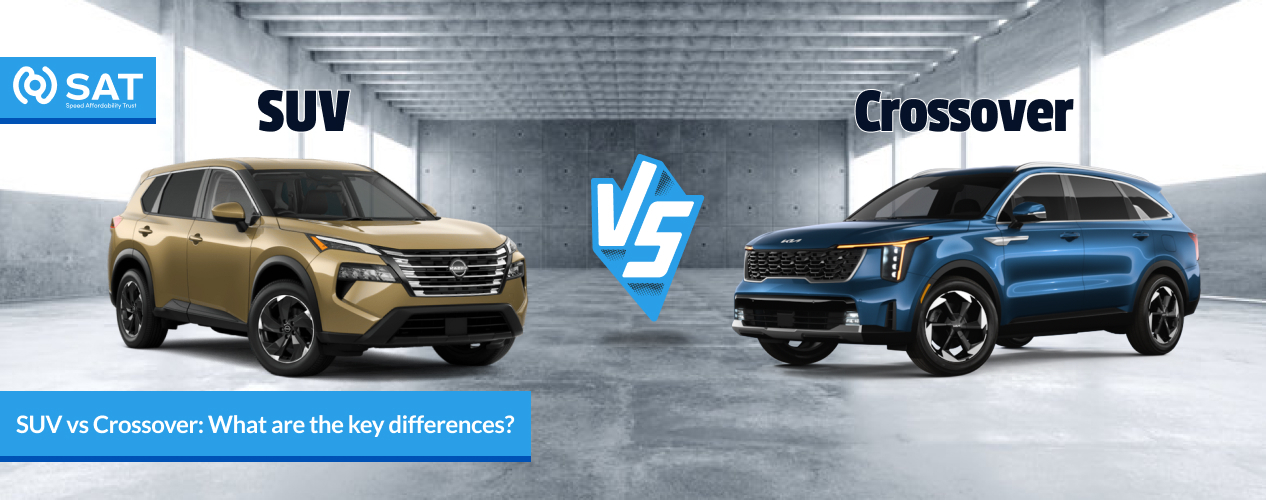
I have spent years reviewing and driving both vehicle types, so I know what matters when you weigh suv vs crossover. This guide breaks down the key differences, real-world pros and cons, ownership costs, and clear buying tips so you can pick the right ride for your life.

What does "suv vs crossover" actually mean?
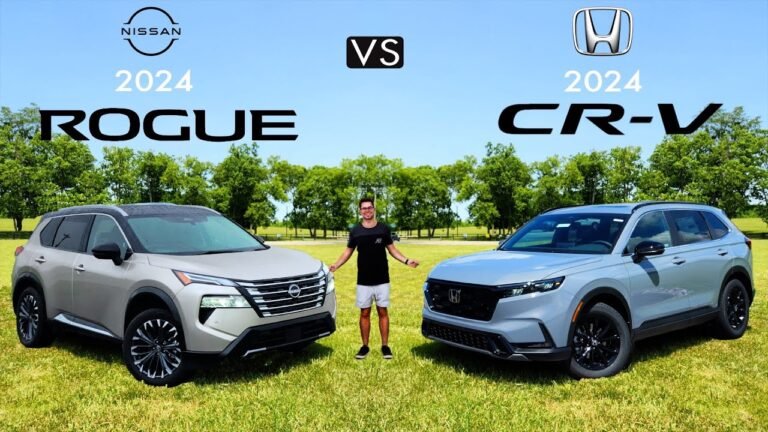
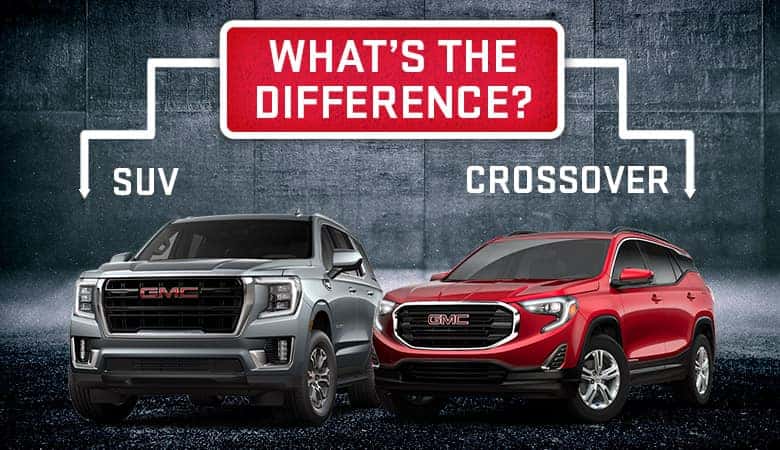
SUV and crossover are labels many people mix up. The core difference is platform: crossovers use a car platform and SUVs often use a truck frame. This affects ride, space, towing, and fuel use. Understanding that platform split helps you match the vehicle to your needs.
Design, platform, and structure
Most crossovers are built on a unibody platform. That means the body and frame are one piece, like most cars. SUVs often use a body-on-frame design. This makes older-style SUVs tougher for heavy towing and off-road work. The suv vs crossover choice here is about strength versus comfort and efficiency.

Size, interior space, and cargo flexibility
Crossovers tend to optimize passenger comfort. They often have roomy cabins and lower step-in height. SUVs can offer more rugged cargo space and sometimes a boxier shape for gear. When comparing suv vs crossover for family trips, think about seat space, cargo floor height, and how often you carry bulky gear.

Performance, towing, and off-road ability
If you need real towing or off-road work, many SUVs still lead. They can have stronger frames, higher ground clearance, and heavy-duty drivetrains. Crossovers handle better on paved roads and are easier to drive in daily life. For suv vs crossover decisions about trails or trailers, match the vehicle to the job.

Fuel economy and running costs
Crossovers usually win on fuel economy. Their lighter frames and car-like engines use less gas. SUVs, especially large or truck-based models, cost more to fuel. When you weigh suv vs crossover for long-term cost, factor in fuel, maintenance, and likely repair items tied to heavier duty parts.

Safety and driving feel
Both types have strong safety tech these days. Crossovers often have better on-road stability and lower rollover risk due to lower center of gravity. SUVs may offer better visibility and a more commanding driving position. For suv vs crossover and family safety, compare crash-test ratings and active safety features.
Ownership costs, maintenance, and insurance
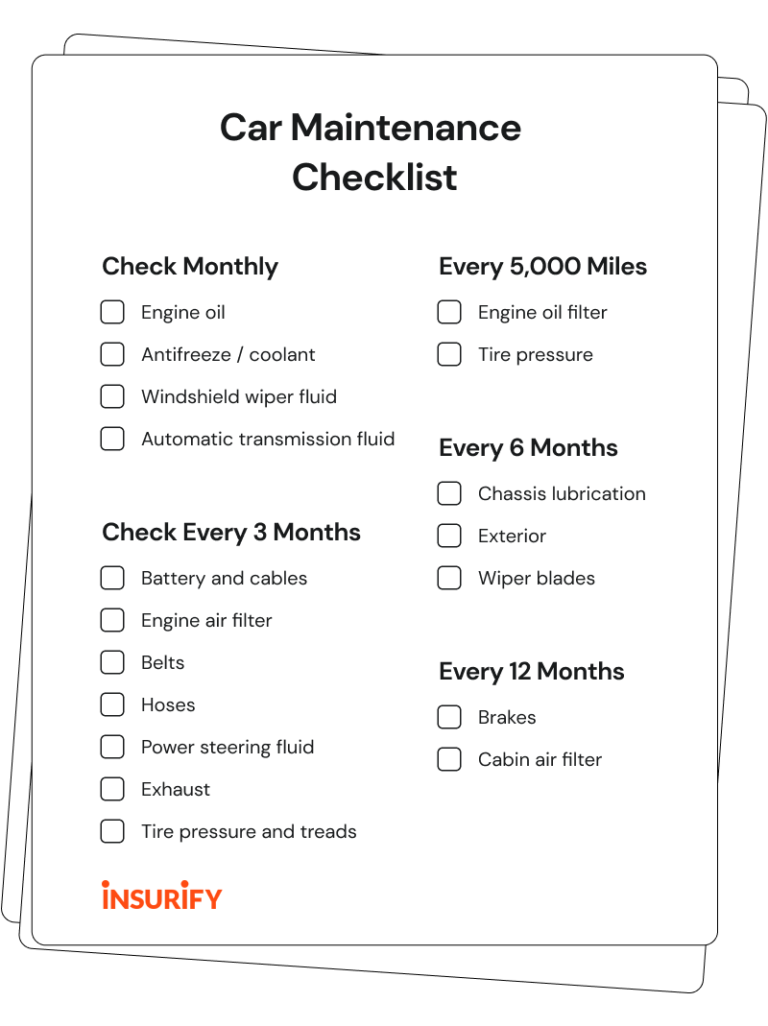
Insurance and upkeep can differ. Crossovers generally cost less to insure and maintain. SUVs with heavy-duty parts or larger engines can cost more for brakes, tires, and service. When budgeting for suv vs crossover ownership, include insurance, tire replacements, brake work, and fuel in your plan.
Resale value and market trends
Both segments are popular and hold value well. Compact crossovers are especially hot in the resale market. Larger two-row SUVs often keep value if they have strong towing or off-road reputation. In suv vs crossover terms, demand often shifts with fuel prices and buyer tastes, so think about long-term desirability.
Practical buying guide: choosing between suv vs crossover
Use this step-by-step approach when picking a vehicle:
- Decide your primary use. Daily commute, family trips, towing, or off-road play?
- Set a realistic budget. Include fuel, insurance, and maintenance.
- Test drive both types on routes you often use. Notice ride comfort and ease of parking.
- Check cargo layout and seat folding. Measure if you need exact cargo fit.
- Compare safety ratings and driver assistance tech.
These steps make the suv vs crossover choice clear and practical.
My experience: what I learned from driving both
I’ve driven small crossovers for city work and larger SUVs on long trips. Crossovers felt easier to park and kinder on gas. SUVs proved useful when towing a camper and on rough back roads. My key lessons: buy to match real needs, not the image. The suv vs crossover debate often ends with pick the tool that fits your routine.
Environmental impact and efficiency
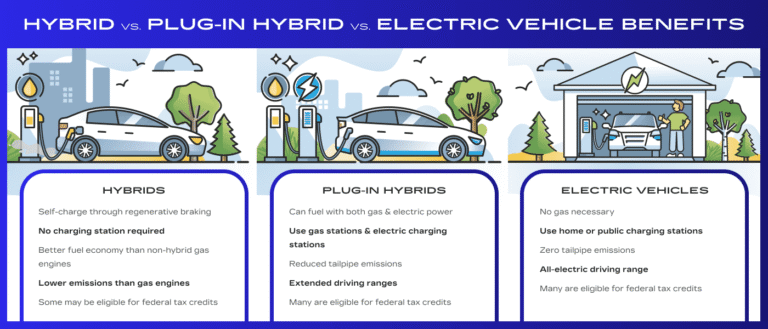
Crossovers tend to have lower emissions because they burn less fuel. Many crossovers offer hybrid or plug-in options that boost efficiency. Large SUVs often use more fuel but some newer models include hybrid tech too. When thinking about suv vs crossover and the planet, consider powertrain options and real-world mpg figures.
Top models to consider (examples by type)
Here are model types to sample when shopping:
- Small crossover options that shine in city use and efficiency.
- Mid-size crossovers that balance comfort and space.
- Compact SUVs built on truck frames for light towing.
- Full-size SUVs for heavy towing and rugged use.
Test each type to feel the real differences in suv vs crossover handling and comfort.
Frequently Asked Questions of suv vs crossover
What is the main difference between an SUV and a crossover?
The main difference is platform. Crossovers use a car-like unibody, while traditional SUVs use a truck-style body-on-frame. This changes ride, weight, and towing capacity.
Are crossovers less safe than SUVs?
Not necessarily. Crossovers often have lower rollover risk and better on-road handling. Safety depends more on build quality and safety tech than the label.
Which is better for towing: SUV or crossover?
Generally SUVs are better for heavy towing due to a stronger frame and drivetrain. Some crossovers can tow light loads, so check tow ratings for each model.
Do crossovers get better gas mileage than SUVs?
Yes, crossovers typically get better gas mileage because they are lighter and more aerodynamic. Hybrid and electric crossovers further improve efficiency.
Is resale value different for SUVs and crossovers?
Resale value varies by model, condition, and market demand. Compact crossovers currently enjoy strong resale value due to high buyer demand.
Conclusion
Choosing between suv vs crossover comes down to use, budget, and taste. If you want fuel savings and a smooth ride, a crossover often fits best. If you need towing, rugged use, or heavy cargo, a traditional SUV may be smarter. Take test drives, compare specs, and list your must-haves before you buy. Ready to decide? Test drive both types this week and share what you learn or ask more questions below.