A sweet smell coming from your exhaust often points to coolant entering the engine or exhaust system. A leaking head gasket, cracked cylinder head, or damaged EGR cooler can cause this problem. persistent white smoke, falling coolant levels, and engine overheating make the problem more serious.
For drivers across the United States, a strange smell from a car, SUV, pickup, or diesel truck can be an early warning of engine trouble. One smell deserves special attention: a sweet or syrup-like odor coming from the tailpipe. It may mean coolant is reaching hot engine parts or entering the exhaust stream. The smell can appear before the dashboard shows a warning.
The first step is to find out where the odor comes from. A sweet smell at the tailpipe is different from one inside the cabin or under the hood. Coolant entering a cylinder can produce white exhaust smoke, while an external leak can create a similar odor near a hot exhaust pipe. A diesel with a leaking EGR cooler can also send coolant into its exhaust system.
Do not assume that every sweet smell means a blown head gasket. A small leak, a cracked engine part, or another cooling system fault can create similar signs. This guide explains the likely causes, simple checks, warning signs, and tests that help identify the real problem. It also explains when to stop driving and seek professional help.
Source: prosourcediesel.com
What Does a Sweet Smell From Exhaust Mean?
A sweet odor from the tailpipe often suggests that coolant is reaching a hot part of the engine or exhaust system. Coolant normally stays inside sealed passages. It moves through the engine, radiator, and other cooling parts to control heat. It should not enter the combustion chamber or mix with exhaust gas.
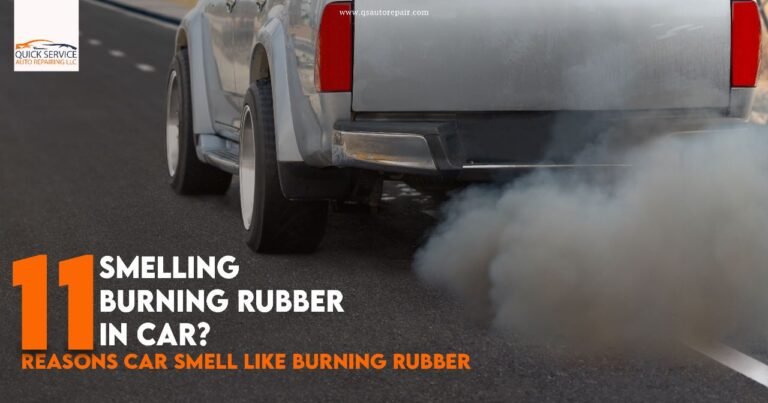
When coolant escapes into a cylinder, the engine can send vapor out through the exhaust pipe. This may create a sweet or chemical smell. Some vehicles also produce thick white smoke when this happens. The smell can become stronger as the engine warms up.
However, smell alone cannot confirm a coolant leak. Coolant products contain several ingredients, and their odors can vary. Pure ethylene glycol is odorless, even though it has a sweet taste. A driver should use the odor as a warning sign, not as a chemical test.
The location of the smell matters. If it comes directly from the tailpipe, an internal coolant leak deserves attention. If it comes from under the hood, coolant may be dripping onto a hot surface. If it enters the cabin when the heater runs, a heater core leak may be involved.
Source: hitchesguide.com
Sweet smell with white smoke
Coolant may be entering a cylinder or a coolant-fed exhaust component. Persistent smoke needs prompt inspection.
Sweet smell without visible smoke
A small leak may release enough vapor to create an odor without producing obvious exhaust smoke.
Sweet smell after parking
A small external coolant leak may reach hot engine or exhaust parts and create an odor after shutdown.
Sweet smell inside the cabin
A leaking heater core or heater hose may release coolant vapor into the passenger area.
Common Causes of a Sweet Exhaust Smell
Several engine and cooling system faults can cause this symptom. The most useful clue is whether coolant is disappearing, smoke remains after warm-up, or the engine runs poorly. The following causes deserve attention, but the correct repair depends on the vehicle and test results.
Source: carcareassist.com
1. Blown or Leaking Head Gasket
A leaking head gasket is one of the main causes of a sweet-smelling exhaust. The head gasket sits between the engine block and cylinder head. It seals the combustion chambers, oil passages, and coolant passages. A damaged seal can allow coolant to enter a cylinder.
The engine then sends coolant vapor through the exhaust. You may notice a sweet odor and thick white smoke. The engine may also shake or misfire when you start it, especially after it sits overnight.
A head gasket can fail after severe overheating, poor cooling system maintenance, or repeated engine stress. The leak may start small and grow over time. If coolant enters a cylinder in large amounts, it can prevent the engine from turning properly and cause serious damage.
Persistent white smoke
White smoke that remains after the engine reaches normal operating temperature can point to coolant entering a cylinder.
Coolant loss
The reservoir level may fall without a visible puddle under the vehicle.
Rough engine operation
A cylinder may misfire when coolant affects the spark plug or combustion process.
Cooling system pressure
Combustion gas may enter the coolant passages and cause unusual pressure or bubbles.
2. Cracked Cylinder Head or Engine Block
A cracked cylinder head or engine block can produce signs that look like a head gasket failure. Both parts contain passages for coolant. A crack can create a path between a coolant passage and a combustion chamber or exhaust passage.
Severe overheating is one possible cause. Freezing coolant, corrosion, or other forms of engine damage may also contribute, depending on the vehicle. Some cracks are small and leak only when the engine becomes hot.
This fault can be difficult to find without proper testing. A mechanic may need a pressure test, cylinder leak-down test, or inspection of the engine parts. Do not approve a full engine replacement until the shop identifies the failed component and explains the test results.
Unexplained coolant loss
The coolant level keeps falling even though no clear external leak appears.
Overheating
The engine may run hotter than normal or push coolant out of the reservoir.
White exhaust vapor
Coolant entering the combustion chamber may leave as persistent white vapor.
3. Leaking EGR Cooler in Diesel Engines
An EGR cooler is another possible cause, especially in diesel pickups and work trucks. EGR means exhaust gas recirculation. This system sends some exhaust gas back through the engine to help control emissions. Many EGR coolers use engine coolant to lower the temperature of the exhaust gas.
A damaged cooler can allow coolant to enter the exhaust or intake path. The result may be a sweet odor, white exhaust vapor, and falling coolant levels. A driver may not see a puddle because the coolant escapes inside the cooler.
Some trucks show additional signs. The engine may run poorly, produce unusual smoke, or trigger an emissions warning. Coolant residue inside the EGR passages may also point to a leak.
Do not replace a head gasket simply because a diesel truck loses coolant and produces white smoke. The EGR cooler should be checked when the engine uses one. A shop can test the cooler and cooling system separately to identify the actual fault.
White exhaust vapor
Coolant entering the exhaust side of the EGR cooler can produce white vapor.
Falling coolant level
The reservoir may lose coolant without an obvious external leak.
EGR system problems
An EGR-related warning or poor engine performance may appear alongside the odor.
Coolant residue
Wet deposits or unusual residue inside the EGR passages may help confirm the problem.
4. Coolant Leaking Onto Hot Exhaust Parts
Not every sweet exhaust-like smell comes from inside the engine. Coolant can escape from a hose, radiator, water pump, thermostat housing, or loose connection. If it reaches a hot exhaust manifold or pipe, it can create a strong chemical odor.
This problem may seem like a tailpipe issue because the smell travels around the vehicle. However, it often becomes stronger near the engine bay. You may notice steam after parking or dried coolant marks around a leaking connection.
A small leak can be easy to miss. Coolant may evaporate before it reaches the ground. The reservoir may also appear normal during an early stage. A cold visual inspection and cooling system pressure test can help locate the source.
Hose or clamp leak
A damaged hose or loose clamp can release coolant near hot engine parts.
Water pump leak
A worn water pump seal may allow coolant to escape near the pump housing.
Radiator or reservoir leak
A damaged tank, cap, or radiator seam may release coolant as the system warms up.
5. Intake Manifold Gasket Problems
Some engines have coolant passages that run through or near the intake manifold. A failed intake manifold gasket can allow coolant to enter an intake port or another part of the engine. This may lead to coolant loss, rough running, and unusual exhaust vapor.
This fault depends on engine design. Many modern engines do not use the same intake coolant layout. A mechanic should check the vehicle’s engine configuration before blaming this gasket.
The symptoms can overlap with a head gasket problem. A cooling system pressure test and a careful inspection can help separate the two faults.
Unexplained coolant loss
The coolant level may drop without a clear leak outside the engine.
Engine misfire
Coolant entering an intake passage may affect combustion in one or more cylinders.
Oil contamination
Some gasket failures may allow coolant and oil to mix, depending on the engine layout.
6. Normal Cold-Start Condensation or a Misidentified Odor
A cloud of white vapor does not always mean the engine has a problem. Water forms during normal fuel combustion. When the exhaust system is cold, some of this water becomes visible vapor. It often appears on cool or humid mornings and fades as the exhaust warms up.
Normal condensation should not be confused with persistent coolant smoke. If the vapor continues after full warm-up, the coolant level falls, or the engine runs poorly, further checks are needed.
Some drivers also mistake fuel, oil, or catalytic converter odors for a sweet coolant smell. A rich fuel mixture may produce a raw fuel odor, while an exhaust problem can create a sulfur-like smell. The odor alone cannot identify the failed part.
Normal vapor
Light white vapor that fades during warm-up is often normal condensation.
Fuel odor
A raw gasoline smell may indicate a fuel delivery or combustion problem rather than a coolant leak.
Sulfur odor
A rotten egg smell may point toward a catalytic converter or another emissions system problem.
Warning Signs That Help Identify the Problem
The smell is only one part of the diagnosis. Other symptoms can help show whether the problem comes from the cooling system, engine, or exhaust system. Pay attention to changes that happen together.
A sweet odor with persistent white smoke deserves more attention than a brief odor with no other symptoms. A falling coolant level makes an internal leak more likely. An overheating warning means the engine may already be at risk.
Source: prosourcediesel.com
White smoke after warm-up
Thick white smoke that remains after the engine is fully warm can indicate coolant entering the combustion chamber or exhaust stream.
Low coolant level
A falling reservoir level suggests a leak, even if there is no visible puddle.
Rising temperature gauge
An engine that runs hotter than normal may have lost coolant or developed a cooling system fault.
Rough idle or misfire
Coolant entering a cylinder can affect combustion and make the engine shake.
Bubbles in the coolant reservoir
Repeated bubbling may indicate combustion gas entering the cooling system, although testing is needed to confirm the source.
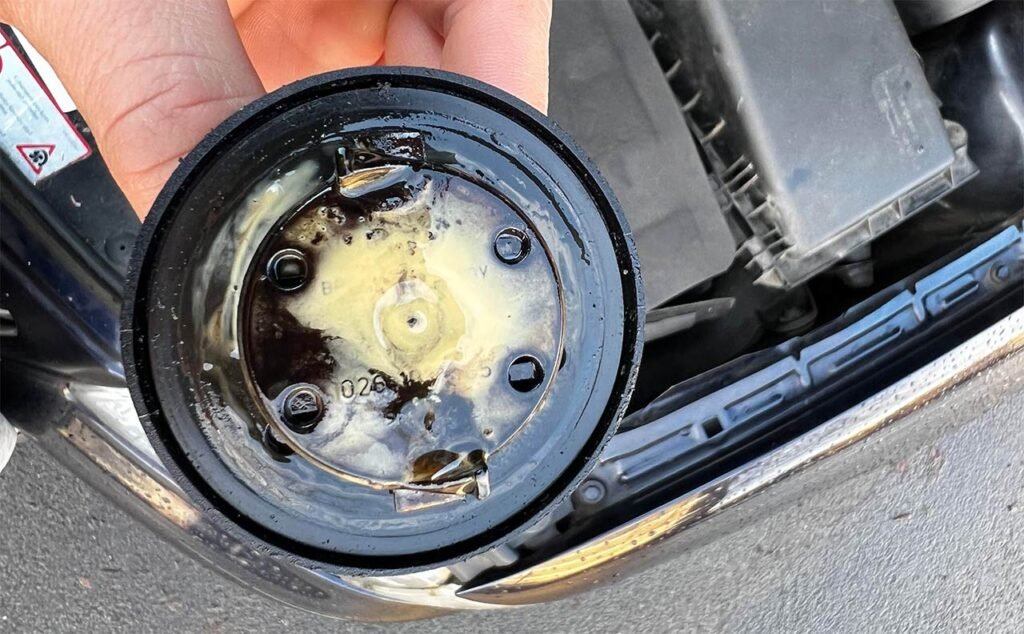
Milky engine oil
A creamy oil appearance may indicate coolant contamination, but a small amount of moisture under the oil cap can also occur during short trips.
Sweet smell after shutdown
Coolant may be escaping onto hot engine parts or venting from the cooling system.
Can a Sweet Exhaust Smell Happen Without White Smoke?
Yes. A small coolant leak may create an odor before it produces visible smoke. A leak may also occur in an EGR cooler or another exhaust-related component. The amount of coolant entering the system may be too small to create an obvious cloud.
Check the coolant level when the engine is cold and compare it over several days. If the odor keeps returning, arrange an inspection. Do not wait for heavy smoke or overheating before checking the vehicle.
Why Does the Coolant Level Look Normal?
A normal coolant reading does not rule out an early leak. A small amount of coolant may escape only under certain engine conditions. The level may also change slowly, making the loss difficult to notice during a single inspection.
Park on level ground and check the reservoir when the engine is cold. Use the same conditions each time. Record the level so you can see whether it changes.
How to Diagnose a Sweet Smell From Exhaust
The best diagnosis starts with simple checks and moves toward more advanced tests. Do not replace an expensive engine part based on smell alone. First, collect clues about coolant loss, smoke, temperature, and engine performance.
Some checks are suitable for a vehicle owner. Others require special tools and knowledge. Follow the service instructions for your exact make, model, and engine.
Source: prosourcediesel.com
Step 1: Identify where the smell comes from
Determine whether the odor is strongest at the tailpipe, under the hood, underneath the vehicle, or inside the cabin. Avoid placing your face near the exhaust.
Step 2: Check the coolant level when cold
Park on level ground and inspect the coolant reservoir. Never remove a radiator cap or pressurized tank cap while the engine is hot.
Step 3: Inspect for external leaks
Look for wet spots, dried coolant residue, damaged hoses, loose connections, and stains around the radiator and water pump. Keep your hands away from hot or moving parts.
Step 4: Observe the exhaust
Notice whether white vapor disappears during warm-up or continues after the engine reaches normal temperature. Do not deliberately inhale exhaust fumes.
Step 5: Check engine behavior
Watch for rough idle, misfires, unusual noises, temperature changes, and warning lights. Record when each symptom appears.
Step 6: Scan for diagnostic trouble codes
An OBD-II scan may reveal misfire, temperature, or emissions-related faults. Codes can guide testing, but they do not prove that a particular gasket or cooler has failed.
Step 7: Request a cooling system pressure test
A technician can pressurize the cold cooling system within the manufacturer’s specified limit and inspect for leaks. A pressure drop without a visible external leak may suggest an internal problem.
Step 8: Test for combustion gases
A suitable chemical or gas analyzer test can check for combustion gases in the coolant. A positive result needs further diagnosis because more than one component can create a similar result.
Cooling System Pressure Test
A pressure test helps find leaks that may not appear during a normal visual inspection. A technician connects a pressure tester to the correct cooling system opening. The system is then pressurized according to the vehicle’s service specification.
If pressure falls, the technician looks for coolant around hoses, the radiator, water pump, thermostat housing, and other connections. If no external leak appears, the shop may inspect the cylinders, oil system, or exhaust-related cooling parts.
Never use an arbitrary pressure value. Too much pressure can damage a cooling system that is already weak. The test limit must match the vehicle manufacturer’s instructions.
Compression and Cylinder Leak-Down Tests
A compression test measures the pressure created inside each cylinder during cranking. A cylinder with unusually low compression may have a sealing problem. However, a normal compression reading does not rule out every small coolant leak.
A cylinder leak-down test provides more detail. A technician introduces regulated air into a cylinder and checks where the air escapes. Bubbles in the coolant during the test may point to a leak between a cylinder and the cooling system.
A borescope inspection may also help. This small camera allows a technician to look inside a cylinder for signs of coolant or unusual deposits. The results should be considered together rather than treated as a single final answer.
Is It Safe to Drive With a Sweet Exhaust Smell?
A persistent sweet exhaust odor should not be ignored. The vehicle may still run, but that does not mean the engine is safe. An internal coolant leak can grow and cause overheating, misfires, or serious engine damage.
If the engine temperature rises above normal, pull over as soon as it is safe. Turn off the engine and let it cool. Do not remove the radiator cap or expansion tank cap while the system is hot.
A vehicle that produces heavy white smoke, loses coolant quickly, or runs roughly should not be driven to a repair shop. Arrange a tow instead. Continued operation may allow more coolant into the cylinders and create further damage.
If the odor is very faint and there is no smoke, overheating, coolant loss, or change in engine performance, the immediate risk may be lower. Still, arrange a prompt inspection and avoid long trips or heavy engine loads until the cause is known.
Source: hitchesguide.com
Stop driving immediately
Stop when safe if the temperature warning appears, heavy white smoke develops, coolant pours out, or the engine begins to misfire badly.
Arrange a tow
Use roadside assistance if the engine overheats, coolant loss is rapid, or a serious internal leak is suspected.
Do not open a hot cooling system
Hot coolant is under pressure and can cause severe burns when released.
Avoid enclosed spaces
Never run a vehicle inside a garage, even with the garage door open. Exhaust contains carbon monoxide, which has no smell and can cause fatal poisoning.
Why Exhaust Fumes Inside the Cabin Are Dangerous
A sweet smell inside the cabin may come from a heater core leak, but exhaust fumes entering the passenger area create a separate danger. Carbon monoxide is colorless and odorless. You cannot use your nose to judge whether the air is safe.
If you smell exhaust inside the vehicle, move to fresh air and have the exhaust system inspected. Headaches, dizziness, nausea, weakness, and confusion can be signs of carbon monoxide exposure. Seek emergency medical help if exposure is suspected.
How to Fix the Problem
The correct repair depends on the failed part. A small external leak may need a hose or gasket replacement. An internal engine leak may require more complex work. The mechanic should confirm the source before recommending parts.
After the repair, the cooling system must be filled and checked using the correct coolant specification. Some vehicles also need a special bleeding procedure to remove trapped air. A final inspection should confirm that coolant levels remain stable and the engine operates at its normal temperature.
Source: carcareassist.com
Repairing a Head Gasket Leak
A confirmed head gasket failure usually requires cylinder head removal. The technician inspects the gasket and checks the head and engine block sealing surfaces. The cylinder head may need pressure testing or measurement for warping.
The repair may include a new gasket, new head bolts where required, and replacement of other damaged parts. The correct tightening sequence and torque values must come from the vehicle service information. The cooling system should also be checked to find out why the original failure happened.
Repairing a Cracked Cylinder Head or Block
A cracked cylinder head may require professional repair or replacement, depending on its material, location, and damage. The technician should confirm the crack before choosing a repair method. Some damage cannot be repaired safely or reliably.
A cracked engine block can require major engine work or replacement. However, a coolant leak does not automatically mean the whole engine needs replacement. Other components may be responsible for the loss.
Repairing a Faulty EGR Cooler
A leaking EGR cooler usually needs replacement or a manufacturer-approved repair. The technician should inspect the connected pipes, seals, and related components. Coolant residue may also need to be removed from affected passages.
The shop should follow the original emissions system design. Removing or disabling emissions equipment is not a proper repair for a road vehicle. The system should operate as the manufacturer intended.
Repairing an External Coolant Leak
An external leak may need a new hose, clamp, radiator, water pump, reservoir, cap, or thermostat housing. The failed part should be identified before replacement. A pressure test after the repair can help confirm that the leak has stopped.
Coolant spilled onto hot engine or exhaust parts should be cleaned according to the service procedure. The technician should also check the coolant level and inspect nearby parts for heat damage.
Choosing the Correct Engine Coolant
Always use coolant that meets the vehicle manufacturer’s specification. Coolant colors are not reliable proof that two products are compatible. Different formulas may use different additives and corrosion protection.
Check the owner’s manual or service information before topping up the system. Do not mix products just because they have the same color. If the coolant type is unknown or contamination is present, ask a technician to identify the correct service procedure.
Common Mistakes to Avoid
A sweet odor can make drivers worry about a costly engine repair. That concern is understandable, but guessing can waste money and delay the correct repair. Use the symptoms and test results to guide each decision.
Source: prosourcediesel.com
Assuming every sweet smell means a blown head gasket
A leaking EGR cooler, cracked engine part, or external coolant leak can produce similar signs. Confirm the fault before replacing the head gasket.
Ignoring a small coolant loss
A slow leak can become worse. Check the level under the same cold conditions and investigate repeated changes.
Opening the radiator while hot
The cooling system can hold dangerous pressure. Wait until the engine is fully cool before checking the cap or coolant.
Using stop-leak products as the first repair
Sealant products may not fix a damaged gasket, cracked head, or failed EGR cooler. They can also create problems in narrow cooling passages. Diagnose the leak first.
Mixing coolant by color
Two coolants with the same color may use different chemical formulas. Follow the manufacturer’s specification.
Replacing parts without testing
Do not approve an expensive repair based only on smoke or smell. Ask which test identified the failed component.
Running the engine in a closed garage
Carbon monoxide can build up even when a garage door is open. Test and inspect vehicles outdoors with proper ventilation.
How to Prevent Future Coolant and Exhaust Problems
Good cooling system care can help reduce the risk of leaks and overheating. It cannot prevent every gasket or component failure, but it can help you find smaller problems before they become major repairs.
Follow the maintenance schedule in your owner’s manual. Use the correct coolant, inspect hoses, and pay attention to temperature changes. A coolant level that keeps dropping needs attention, even when the engine still feels normal.
Source: prosourcediesel.com
Check coolant regularly
Inspect the reservoir when the engine is cold. Watch for repeated drops below the correct level.
Inspect hoses and connections
Look for cracks, swelling, loose clamps, and dried coolant marks during routine checks.
Maintain the radiator and cooling fans
Follow the manufacturer’s service schedule and address overheating or poor cooling performance quickly.
Use the correct coolant
Follow the required coolant specification and replacement interval for your engine.
Respond to warning lights
Do not ignore a high-temperature warning, low coolant alert, or repeated check engine light.
Repair leaks early
A small coolant leak can grow and lead to overheating or damage to other engine components.
Frequently Asked Questions
Q
Why Does My Exhaust Smell Sweet but Produce No White Smoke?
A small coolant leak may create an odor before it produces visible white smoke. A leaking EGR cooler or a minor internal engine leak may also release a small amount of coolant vapor. Check the coolant level when cold and monitor it over several days. If the odor continues, arrange a cooling system inspection.
Q
Does a Sweet Smell From Exhaust Always Mean a Blown Head Gasket?
No. A blown head gasket is one possible cause, but it is not the only one. A cracked cylinder head, damaged engine block, leaking EGR cooler, or external coolant leak can create similar symptoms. A mechanic should use pressure testing and other suitable checks before recommending a major repair.
Q
Can a Diesel Engine Have a Sweet-Smelling Exhaust?
Yes. A diesel engine can produce a sweet exhaust odor when coolant enters the exhaust or intake system. A leaking EGR cooler is an important possibility on diesel engines that use a coolant-fed cooler. A head gasket or cracked engine part may also cause the problem.
Q
Is White Smoke From Exhaust Normal When Starting a Car?
Light white vapor during a cold start is often normal. It comes from water vapor in the exhaust and should fade as the engine warms up. Thick white smoke that continues after warm-up is different, especially when it has a sweet odor or comes with falling coolant levels. Have the vehicle inspected if these signs appear.
Q
Can I Drive My Car if the Coolant Level Is Still Full?
A full reservoir does not prove that the cooling system is healthy. An early leak may not lower the level enough to notice. If the smell is brief and the engine runs normally, arrange a prompt inspection and avoid long trips until the cause is clear. Stop driving and arrange a tow if you notice overheating, heavy white smoke, severe misfires, or rapid coolant loss.
Q
Can a Sweet Smell From Exhaust Damage the Catalytic Converter?
Yes, an internal coolant leak can affect the exhaust and emissions system. Coolant entering the combustion process may contaminate or damage the catalytic converter over time. Persistent misfires can also send unburned fuel into the exhaust and create more heat. Finding and repairing the original fault early can help prevent additional damage.
Q
Should I Use a Coolant Stop-Leak Product?
Do not use a stop-leak product as a substitute for diagnosis. It cannot reliably repair a cracked cylinder head, failed head gasket, or damaged EGR cooler. Some products may also affect narrow passages in the cooling system. Ask a qualified technician to identify the leak and recommend a suitable repair.
✦ Wrapping Up
Conclusion
A sweet smell coming from the exhaust can be an early sign of a cooling system or engine problem. A leaking head gasket, cracked cylinder head, damaged engine block, or faulty EGR cooler may allow coolant to reach the combustion chamber or exhaust stream. An external coolant leak can also create a similar odor when fluid reaches hot engine parts.
Pay attention to the other symptoms. Persistent white smoke, falling coolant levels, rough engine operation, and overheating make the problem more urgent. A brief cold-start vapor that disappears may be normal, but a smell that keeps returning deserves investigation.
Start with a cold coolant level check and a visual inspection. If the source is not clear, ask a qualified mechanic to perform a cooling system pressure test and suitable internal leak tests. Do not replace major engine parts until the failed component has been identified.
💡 Key Takeaway
Check the coolant level only when the engine is cold, record any changes, and arrange an inspection if the sweet exhaust smell continues. If you notice overheating, heavy white smoke, rapid coolant loss, or severe misfires, stop driving and have the vehicle towed.
About john Adword
John Adword has tested and reviewed car seat covers and interior accessories for 5 years, evaluating fit, material performance, and long-term wear across a range of vehicles and climates. His testing approach follows the same methodology used across car Reviewer Plus's product reviews — hands-on installation, real-world use, and comparison against manufacturer claims — with an ongoing focus on tracking new seat cover materials and cooling technology as they come to market.