A burning oil smell usually means engine oil is leaking onto hot engine or exhaust parts, or the engine is burning oil inside its cylinders. Common causes include leaking valve cover gaskets, loose oil filters, damaged seals, and overfilled oil. Check the oil level when it is safe, look for leaks after the engine cools, and arrange an inspection. If you see smoke, flames, a major leak, or an oil pressure warning, stop driving.
Imagine driving home on an American highway after a long day at work. You stop at a red light, and a sharp, oily smell suddenly enters the cabin. You may notice it again when you pull into your driveway. Your car may still run well, but that smell deserves attention. It can point to an oil leak or an engine problem that needs repair.
Engine oil should stay inside sealed engine parts. It should not drip onto the exhaust manifold, engine block, or other hot surfaces. When oil touches these parts, it heats up and produces a strong odor. Oil can also enter the combustion chambers and burn with the fuel. These two problems can create similar smells, but their signs and repairs differ.
Drivers in the United States may notice this problem during daily commutes, long road trips, or after a routine oil change. Heat, engine age, worn seals, and poor service work can all play a role. The right response depends on the smell, visible smoke, oil level, and any warning lights. This guide explains how to check the problem safely and when to seek professional help.
Source: papasroadtrip.com
What Does a Burning Oil Smell Mean?
This odor usually means engine oil is getting too hot in a place where it should not be. Engine oil normally moves through sealed passages and lubricates moving parts. It reduces friction and helps carry heat away from engine components. A leak or internal engine fault can change where that oil goes.
There are two main ways this problem happens. First, oil can escape from a gasket, seal, filter, or drain plug and land on a hot engine or exhaust surface. Second, oil can enter the combustion chamber and burn while the engine runs. Both problems can reduce the amount of oil available to protect the engine.
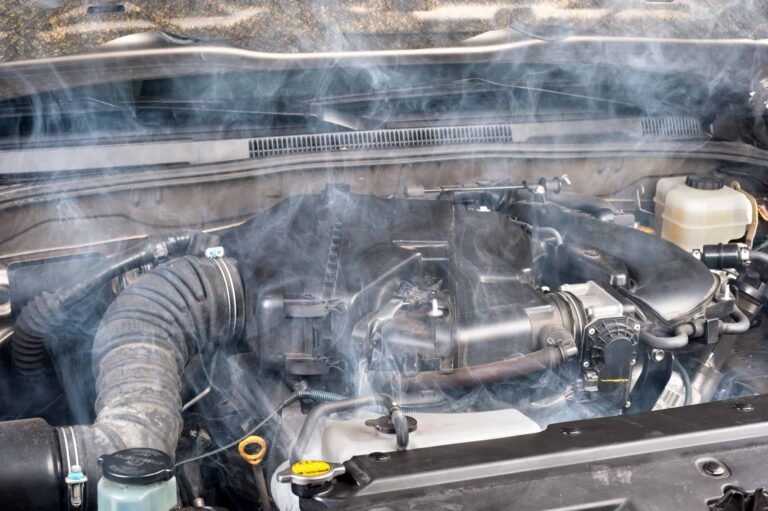
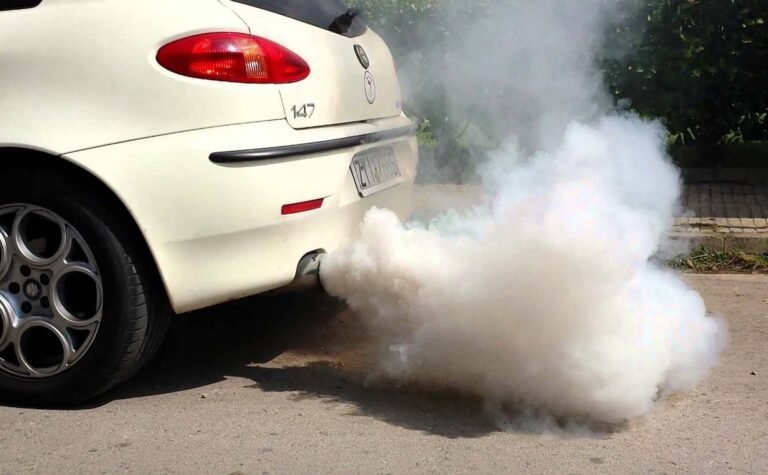
The location of the smoke can help narrow down the cause. Smoke from under the hood often points to oil burning on an outside surface. Blue-gray smoke from the tailpipe can point to internal oil burning. However, smell and smoke alone cannot confirm a failed part.
External oil burning
Oil escapes from an engine seal or gasket and touches a hot surface. This often creates an oily smell near the engine bay.
Internal oil burning
Oil enters the cylinders and burns with the air-fuel mixture. Blue-gray exhaust smoke and falling oil levels may appear.
Oil spilled during service
A small amount of oil may remain on the engine after an oil change. It can produce an odor as the engine warms up.
How Does Burning Engine Oil Smell?
Burning engine oil often produces a thick, sharp, acrid odor. Some drivers describe it as a hot, greasy, or smoky smell. It may become stronger after a drive because engine and exhaust parts stay very hot.
The smell can be confused with burning rubber, plastic, or transmission fluid. That is why it helps to check for other signs instead of relying on odor alone. A mechanic can inspect the affected area and identify the fluid.
Common Causes of a Burning Oil Smell
A leaking gasket or seal is a common starting point when an engine produces a burning oil odor. Oil can escape from several locations and travel across engine surfaces before it reaches a hot part. The leak may be small at first, so you might smell it before seeing a puddle under the car.
The following problems deserve attention. Their symptoms can overlap, so a visual inspection and proper diagnosis are more useful than replacing parts based on smell alone.
Source: vehiclefreak.com
1. Leaking Valve Cover Gasket
The valve cover sits on top of the engine. A gasket seals the space between the cover and the cylinder head. It keeps engine oil from escaping while the engine runs.
Heat and age can make this gasket hard, brittle, or damaged. Oil may then seep down the side of the engine and reach the exhaust manifold. The result can be a strong odor, light smoke, or oily marks near the upper engine.
This leak may become more noticeable after a long drive. The engine gets hot, and the leaked oil starts to burn. A mechanic can inspect the gasket and replace it if the leak is confirmed.
Common signs
Oily residue around the valve cover, a smell from the engine bay, and occasional smoke near the upper engine.
2. Loose or Leaking Oil Filter
The oil filter removes dirt and small particles from engine oil. It seals against the engine with a rubber gasket. If the filter is loose, damaged, or fitted with a faulty seal, oil may escape.
A leaking filter can leave oil around the filter housing or lower engine area. Oil may also spread toward hot components. A problem after an oil change can point to an installation issue, although the exact cause still needs inspection.
Do not try to tighten a hot oil filter by hand. Allow the engine to cool and have the filter and its sealing surface checked.
Common signs
Fresh oil around the filter, oil spots beneath the engine, or an odor that started shortly after an oil service.
3. Damaged Oil Pan Gasket or Drain Plug
The oil pan holds engine oil at the bottom of the engine. A gasket seals the pan, while a drain plug allows oil to leave during an oil change. A damaged gasket, worn sealing washer, or improperly fitted plug can cause a leak.
Oil may drip onto lower engine parts or collect on the ground beneath the vehicle. A small leak can become worse over time. If oil reaches the exhaust system, it can also produce a burning odor.
Look for fresh wet spots beneath the engine after parking on a clean, level surface. Remember that other vehicle fluids can also leave marks, so a puddle does not confirm an engine oil leak.
Common signs
Oil around the lower engine, repeated spots on the driveway, or a falling oil level.
4. Worn Engine Seals
Engine seals keep oil inside areas where rotating parts move. Crankshaft seals and camshaft seals are examples. Age, heat, wear, and engine pressure can damage these seals.
A worn seal may allow oil to escape near a pulley, belt, engine cover, or exhaust component. Some seals are hard to see without removing other parts. A mechanic may need to clean the area and trace the leak before choosing a repair.
Replacing a seal can involve more labor than changing a simple external gasket. The repair depends on the seal’s location and the vehicle’s engine design.
Common signs
Oil around the front or rear of the engine, unexplained oil loss, or an odor that returns after cleaning.
5. Overfilled Engine Oil
Adding too much oil can cause problems. The correct oil level is based on the vehicle manufacturer’s specifications, not on how full the dipstick looks at first glance.
Excess oil can be whipped by moving engine parts. It may also increase crankcase pressure or enter the engine’s ventilation system. In some cases, this allows oil to reach the intake or combustion chambers and burn.
Check the level on level ground and follow the procedure in the owner’s manual. If the level is above the maximum mark, do not keep adding oil. Have the excess removed and check why the engine was overfilled.
Common signs
An oil level above the maximum mark, smoke, unusual engine behavior, or a smell that begins after an oil refill.
6. Oil Spilled During an Oil Change
A small oil spill can happen during routine maintenance. Oil may remain around the filler opening, filter housing, or nearby engine parts. Once the engine gets hot, this leftover oil can create a temporary burning smell.
A light odor may fade after the affected area is cleaned and the engine runs. However, there is no fixed amount of time that makes a burning smell safe. A strong odor, visible smoke, or smell that keeps returning needs an inspection.
If the smell begins immediately after a service appointment, contact the shop. Ask the technician to check the oil filter, drain plug, filler cap, oil level, and any spilled oil.
Common signs
The smell starts after maintenance, with no earlier history of the same problem.
Internal Engine Problems That Can Burn Oil
Not every oil odor comes from an outside leak. Some engines lose oil because it passes into the combustion chamber and burns with the fuel. This can happen even when there is no obvious oil puddle beneath the car.
One useful clue is blue or blue-gray smoke from the exhaust. You may notice it when accelerating, starting the engine, or slowing down. The timing can help a technician narrow down the problem, but it does not identify the failed part by itself.
Worn Piston Rings or Cylinder Walls
Piston rings help seal the space between each piston and its cylinder wall. They also help control oil on the cylinder surface. When the rings or cylinder walls wear, too much oil may enter the combustion chamber.
The engine then burns oil during normal operation. You may notice blue-gray exhaust smoke, higher oil consumption, or reduced engine performance. A compression test or leak-down test can help a technician assess engine condition.
Worn Valve Stem Seals
Valve stem seals control the amount of oil around the engine’s intake and exhaust valves. When these seals wear, oil may enter the combustion chamber through the valve guides.
Some drivers notice a puff of blue smoke after starting the engine or after the vehicle has idled for a while. Other symptoms can occur, so the smoke pattern should be treated as a clue rather than a final diagnosis.
A Faulty PCV System
The positive crankcase ventilation system, often called the PCV system, manages gases that collect inside the engine crankcase. It sends these gases back into the intake system for controlled combustion.
A blocked or faulty PCV valve or hose can affect crankcase pressure and oil control. In some cases, oil can enter the intake and burn. A technician should inspect the valve, hoses, and related passages before replacing engine parts.
Leaking Turbocharger Oil Seals
A turbocharger uses engine oil to lubricate and cool its internal bearing system. Damaged seals or other turbocharger faults can allow oil to enter the intake or exhaust side.
Possible signs include blue-gray exhaust smoke, unusual oil consumption, and changes in engine performance. Turbocharger problems can have several causes, so a proper inspection is needed before replacing the unit.
Why Does the Burning Oil Smell Come Through the Vents?
A burning oil odor can enter the cabin through the heating, ventilation, and air conditioning system. This often happens when oil burns near the engine bay and fumes reach the outside-air intake near the base of the windshield.
When the ventilation system pulls in outside air, it can carry those fumes into the cabin. This explains why the smell may become stronger when you turn on the fan or select fresh-air mode. It does not necessarily mean the cabin air filter is the source.
Switching to recirculation may reduce the odor for a short time. However, it does not repair the leak or remove the source. Do not use this setting to keep driving with strong fumes or smoke entering the cabin.
Source: storage.googleapis.com
Check when the smell appears
Notice whether the odor starts when the engine warms up, when the fan runs, or after the vehicle stops.
Compare air settings
If the smell changes between fresh-air and recirculation settings, outside fumes may be entering through the ventilation intake.
Inspect the engine bay
A technician should check for oil leaks near the exhaust manifold, engine cover, and other hot parts.
Why Is the Smell Stronger After Driving?
Engine oil may not produce a strong odor while the engine is cold. As the vehicle warms up, exhaust parts and other engine surfaces become hot enough to burn leaked oil.
The odor may rise toward the windshield area or move through the engine bay. It can become more noticeable when the vehicle stops because airflow changes and hot parts continue to release heat.
If the smell appears after every drive, do not assume it is normal. A repeated odor suggests that the source should be found and corrected.
How to Check the Cause Safely
You can perform a few basic checks before visiting a repair shop. These checks can help you describe the problem and give a technician useful information. They cannot replace a full inspection.
Park on a level surface, switch off the engine, and allow hot parts to cool. Keep your hands away from the exhaust system, belts, fans, and other moving or hot components. Never crawl beneath a vehicle supported only by a jack.
Source: carveeta.com
Step 1: Notice the smell and its location
Record whether the odor comes from under the hood, the exhaust, or the cabin vents. Note when it appears and whether it becomes stronger after driving.
Step 2: Check the dashboard
Look for an oil pressure warning, check-engine light, or high engine temperature. An oil pressure warning requires immediate attention.
Step 3: Check the engine oil level
Use the dipstick or the vehicle’s electronic oil-level system according to the owner’s manual. Check on level ground and follow the required waiting time.
Step 4: Look for visible oil
With the engine cool, look for wet or greasy areas around the valve cover, oil filter, filler cap, and visible lower engine surfaces. Do not touch hot components.
Step 5: Check beneath the parked car
Look for fresh fluid spots on the ground. Note the location and size, but do not assume every dark spot is engine oil.
Step 6: Review recent maintenance
Think about recent oil changes, engine repairs, or added oil. A problem that starts after service may be related to a loose part, excess oil, or a spill.
Step 7: Arrange a professional inspection
Share your observations with a qualified mechanic. Ask for the actual leak source or internal oil-burning problem to be confirmed before approving repairs.
How to Check Engine Oil Correctly
Many vehicles use a traditional dipstick, while some newer models use an electronic oil-level display. Your owner’s manual explains which method applies to your car.
For a dipstick check, park on level ground and wait for the engine to cool or for the period specified by the manufacturer. Remove the dipstick, wipe it clean, insert it fully, and remove it again. Read the oil level against the marked range.
The level should stay between the minimum and maximum marks. If it is below the safe range, use only the oil grade and specification approved for your vehicle. Add small amounts and recheck rather than pouring in a large quantity at once.
If the oil pressure warning is on, adding oil does not prove that the engine has safe oil pressure. Do not restart or drive the vehicle simply because the dipstick shows an acceptable level.
Is It Safe to Drive With a Burning Oil Smell?
The safest choice depends on the strength of the odor and the other symptoms. A faint smell after a recent oil change may come from a small spill. A strong odor with visible smoke may mean oil is reaching a very hot surface.
There is no reliable way to judge fire risk by smell alone. Oil leaking onto an exhaust component can create a fire hazard. A low oil level can also reduce engine protection and lead to serious damage.
If smoke or flames appear, pull over as soon as it is safe, switch off the engine, and get everyone out. Move at least 100 feet away from the vehicle and call 911 if there is a vehicle fire. Do not open the hood if you suspect a fire underneath it.
Stop immediately
Stop in a safe location if you see smoke from the engine bay, flames, a major oil leak, or a rapidly rising temperature gauge. Turn off the engine and arrange roadside help.
Do not restart with an oil pressure warning
A red oil pressure warning can indicate that the engine is not receiving adequate lubrication. Shut down the engine as soon as it is safe and arrange a tow.
Arrange prompt inspection
A mild but repeated burning oil odor, unexplained oil loss, or fresh oil residue needs professional attention even if the vehicle still runs normally.
Avoid unnecessary driving
If the source is unknown, the smell is strong, or oil is visibly reaching hot parts, towing is safer than driving to a repair shop.
Warning Signs You Should Never Ignore
A vehicle may continue running even when an oil leak is serious. Do not use normal engine performance as proof that the car is safe. Pay attention to warning lights, smoke, and sudden changes in fluid levels.
The U.S. Fire Administration advises drivers to stop, switch off the engine, evacuate, and move at least 100 feet away when a vehicle catches fire. It also warns against opening the hood when a fire may be underneath it. Personal safety comes before checking the mechanical problem.
Visible flames
Leave the vehicle and call 911. Never return to a burning vehicle.
Smoke from under the hood
Pull over safely, shut off the engine, and get professional help. Do not open the hood if you suspect a fire.
Oil pressure warning
Stop the engine as soon as safely possible. Continuing to run it may cause severe engine damage.
Rapid oil loss
Do not continue driving when the oil level is falling quickly or oil is actively dripping onto hot components.
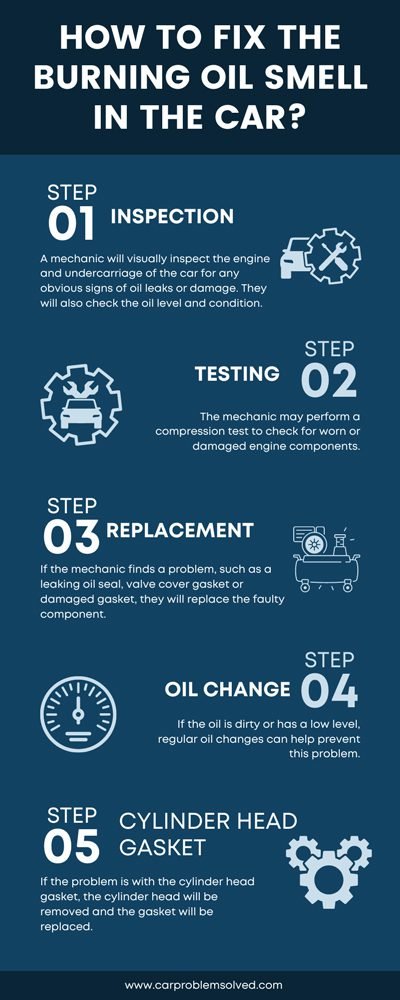
How Mechanics Diagnose and Repair the Problem
A mechanic should identify where the oil goes before recommending a repair. Several leaks can produce the same odor, and replacing the wrong gasket can waste money without solving the problem.
The inspection usually starts with the oil level, visible leaks, engine condition, and recent service history. The technician may need to clean an oily area and inspect it again to find the exact source.
Some leaks are difficult to see. In those cases, a technician may use an approved ultraviolet dye and a special inspection light. The dye can help show where the oil escapes. Internal oil burning may require additional engine tests.
Visual leak inspection
The technician checks the valve cover, oil filter housing, oil pan, drain plug, seals, and visible oil lines.
Oil level and condition check
The mechanic verifies the oil level and checks whether the correct oil specification was used.
UV dye inspection
An approved dye may help trace a leak that is difficult to locate by sight.
PCV system inspection
The technician checks whether crankcase ventilation problems may be contributing to oil consumption or leaks.
Compression or leak-down testing
These tests may help assess cylinder sealing when internal engine wear is suspected.
Common Repairs
The repair depends on the confirmed cause. A damaged valve cover gasket may need replacement. A loose or faulty oil filter may need proper installation or replacement. A leaking drain plug may need a new sealing washer or repair of damaged threads.
More complex problems can require seal replacement, PCV system repairs, or turbocharger work. Internal engine wear may require more extensive repairs. The mechanic should explain the findings and the expected work before starting.
After the repair, the affected area should be checked for remaining oil. The technician should also verify the oil level and confirm that the leak has stopped. Old oil residue can continue to smell until it is properly removed.
Questions to Ask Before Approving a Repair
Ask the mechanic to show you the source of the leak or explain the test that confirmed internal oil burning. This helps you understand why a particular part needs replacement.
You should also ask whether the engine needs cleaning, whether the oil level is correct, and whether the vehicle is safe to drive after the repair. If a recent oil change may be involved, ask the shop to inspect the filter, drain plug, and filler cap.
Common Mistakes That Can Make the Problem Worse
A burning odor can tempt drivers to try a quick fix. However, some simple actions can hide the symptom without solving the problem. Others can create a new safety risk.
A proper diagnosis is usually more useful than adding products or replacing parts without evidence. Keep the engine within its approved oil range and follow the manufacturer’s service instructions.
Adding too much oil
Extra oil does not repair a leak. Overfilling can create additional engine problems and may increase oil consumption.
Ignoring a small leak
A slow leak can grow and reduce the oil available for engine lubrication. Oil reaching a hot exhaust part can also create a fire risk.
Opening the hood during a suspected fire
A rush of air can make a fire worse. Leave the vehicle and follow emergency instructions instead.
Cleaning a hot engine
Hot exhaust and engine parts can cause burns. Allow the engine to cool and use an appropriate cleaning method.
Using the wrong oil
Oil viscosity and performance specifications matter. Use the grade and specification listed in the owner’s manual.
Using recirculation to hide the odor
Changing the air setting may reduce fumes in the cabin, but it does not fix an oil leak or make an unsafe vehicle safe to drive.
Replacing parts without diagnosis
A valve cover gasket, oil filter, or engine seal should not be replaced just because the car smells like burning oil. Confirm the source first.
How to Prevent Future Oil Leaks and Burning Odors
Regular maintenance can help reduce the chance of oil leaks and excessive oil consumption. It cannot prevent every gasket or seal from wearing out, but it can help you notice problems before they become serious.
Use the oil grade and service interval recommended by the vehicle manufacturer. Check the level at the intervals described in the owner’s manual, especially before long trips. If your vehicle has a history of oil consumption, ask a mechanic how often it should be checked.
Pay attention after every oil change. Look for new oil spots, check that the oil filler cap is secure, and watch for warning lights. If a new smell appears after service, contact the repair shop rather than waiting for it to disappear.
Follow the correct oil service schedule
Change engine oil and filters according to the manufacturer’s maintenance plan and driving conditions.
Use approved engine oil
Choose the correct viscosity and performance specification for your exact vehicle and engine.
Check oil levels regularly
Monitor the level using the method in the owner’s manual. Investigate any unusual drop.
Inspect for fresh leaks
Look for new oil marks around the engine and beneath the parked vehicle.
Keep service records
Record oil changes, repairs, oil additions, and any unusual smells. This history can help a mechanic find a recurring problem.
Fix damaged seals early
Have leaking gaskets and seals inspected before oil loss or contact with hot components becomes worse.
What to Check After an Oil Change
After an oil change, check the dashboard for warning lights and look for fresh oil spots once the vehicle is parked safely. A loose filler cap, leaking filter, or drain plug problem may appear soon after service.
If you notice smoke or a strong burning odor, stop driving and contact the service provider. Do not assume the problem is harmless because the oil change was recent.
A properly completed oil service should leave the engine with the correct oil level and no active leaks. If the smell continues, ask the shop to inspect the engine and clean any spilled oil.
Frequently Asked Questions
Q
Why Does My Car Smell Like Burning Oil but Have No Visible Leak?
An oil leak does not always leave a puddle. A small amount of oil may escape and burn on a hot engine or exhaust surface before reaching the ground. Oil may also enter the combustion chamber and burn internally.
Check the oil level according to the owner’s manual and look for blue-gray exhaust smoke. A mechanic may need to inspect the engine, PCV system, seals, and other components to find the cause.
Q
Why Does My Car Smell Like Burning Oil After an Oil Change?
Oil may have spilled onto the engine during the service. When the engine warms up, the leftover oil can produce a burning odor. A loose filter, damaged filter seal, loose drain plug, or overfilled engine can also cause the smell.
A small spill may stop producing an odor after the area is cleaned. However, persistent smells, visible smoke, or fresh oil spots need inspection. Contact the shop that performed the service.
Q
Can a Burning Oil Smell Cause a Car Fire?
Yes, oil that leaks onto a very hot exhaust component can create a fire hazard. A smell does not mean a fire will happen, but it should never be ignored.
If you see smoke or flames, pull over safely, switch off the engine, and get everyone out. Move at least 100 feet away and call 911 if the vehicle is on fire. Never open the hood when you suspect a fire underneath it.
Q
Why Does My Car Smell Like Burning Oil When I Turn on the Heat?
The heating and ventilation system can draw outside air through an intake near the base of the windshield. If oil is burning in the engine bay, fumes may enter through this intake and reach the cabin.
The odor may become stronger when the fan runs or when fresh-air mode is selected. Switching to recirculation may change the smell temporarily, but the oil leak still needs to be found and repaired.
Q
How Long Should a Burning Oil Smell Last After an Oil Change?
There is no fixed safe time for a burning oil odor to disappear. A small amount of spilled oil may produce a temporary smell as the engine warms up. Cleaning the affected area can help remove the source.
If the smell remains strong, returns after each drive, or comes with smoke, do not keep waiting for it to disappear. Ask the repair shop to check for an active leak, excess oil, or a loose filter or drain plug.
Q
Can Low Engine Oil Cause a Burning Smell?
Low engine oil can contribute to poor lubrication and increased engine wear. It may also be a sign that oil is leaking or being consumed inside the engine. However, a low level does not automatically explain a burning odor.
Check the level using the correct procedure and add only the approved oil if the level is low and there is no oil pressure warning. If the oil pressure light is on, shut off the engine as soon as it is safe and arrange professional help.
✦ Wrapping Up
Conclusion
A burning oil odor is a warning that something may be wrong with your vehicle. A leaking valve cover gasket, loose oil filter, damaged engine seal, overfilled oil, or internal engine wear can all cause this problem. The exact cause depends on where the oil goes and what other symptoms appear.
Start with safe checks. Park on level ground, let the engine cool, check the oil level, and look for visible leaks. Pay attention to blue-gray exhaust smoke, dashboard warnings, and any odor entering through the air vents. These clues can help a mechanic find the source.
Do not ignore a strong smell or visible smoke. If the vehicle shows signs of fire, evacuate and call 911. If the oil pressure warning appears, stop the engine and arrange a tow. Even a mild smell deserves attention when it keeps returning. Early diagnosis can help protect the engine and reduce the risk of a larger repair.
💡 Key Takeaway
Park safely and allow the engine to cool. Check the oil level according to your owner’s manual and look for visible leaks without touching hot parts. If you see smoke, flames, a major leak, or an oil pressure warning, stop driving and get professional help. For a repeated mild odor, schedule an inspection and ask the mechanic to identify the exact source before replacing any parts.
About john Adword
John Adword has tested and reviewed car seat covers and interior accessories for 5 years, evaluating fit, material performance, and long-term wear across a range of vehicles and climates. His testing approach follows the same methodology used across car Reviewer Plus's product reviews — hands-on installation, real-world use, and comparison against manufacturer claims — with an ongoing focus on tracking new seat cover materials and cooling technology as they come to market.