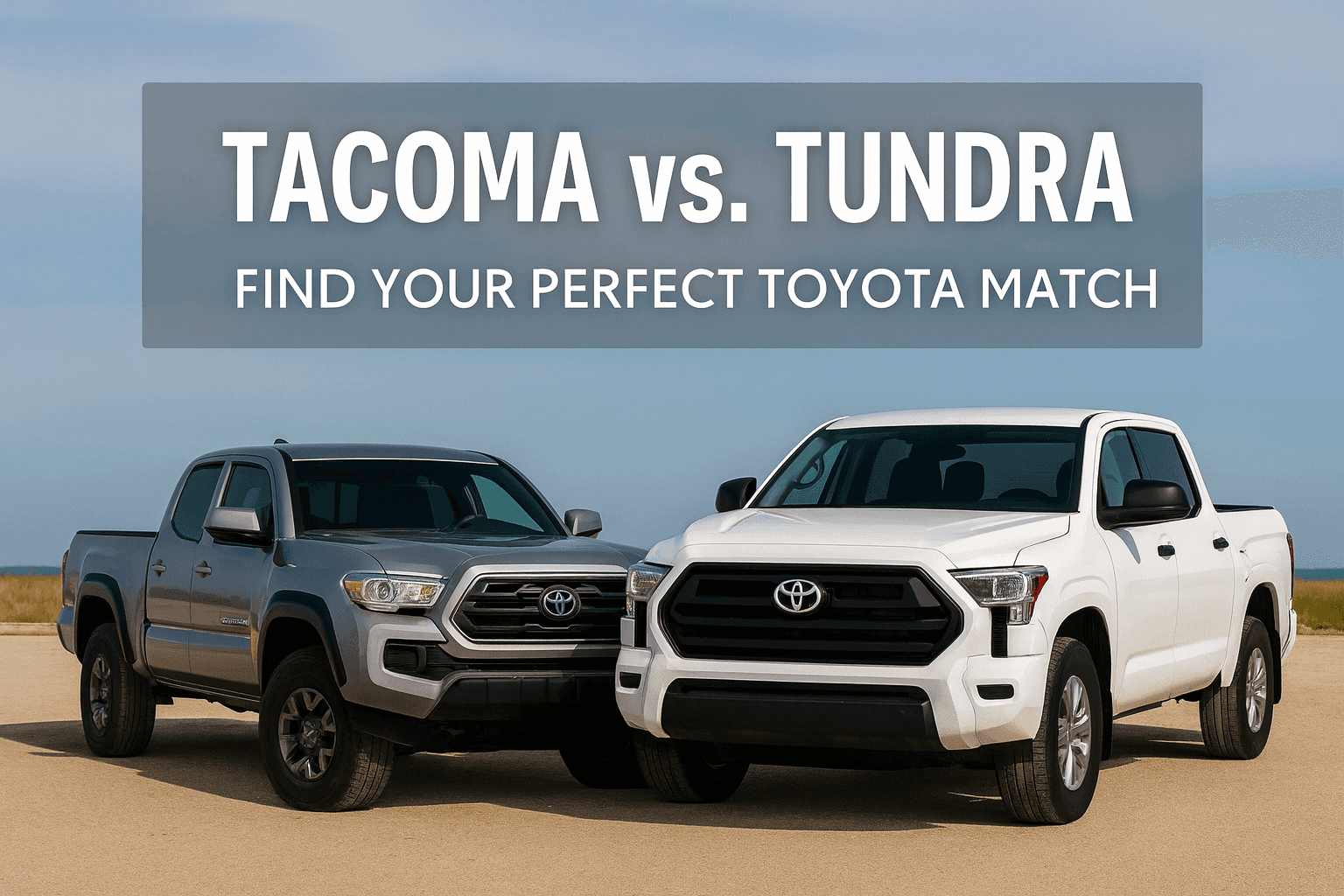
Tacoma Vs Tundra: Ultimate Comparison For Buyers
Tacoma is a smaller, nimble mid-size truck; Tundra is a full-size workhorse with more power and comfort.
I’ve spent years testing and living with both models, and I’ll walk you through tacoma vs tundra with clear, real-world insight. This guide breaks down engines, towing, off-road chops, daily comfort, ownership costs, and when each truck makes sense. Read on to pick the best truck for your life and needs.
Quick overview of tacoma vs tundra
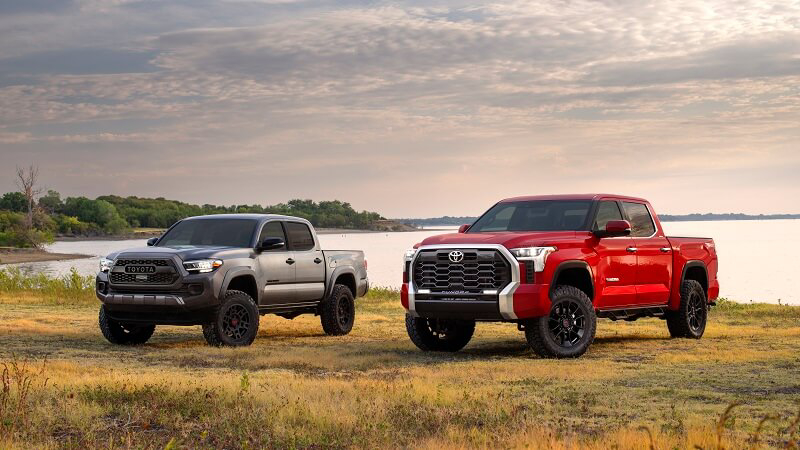
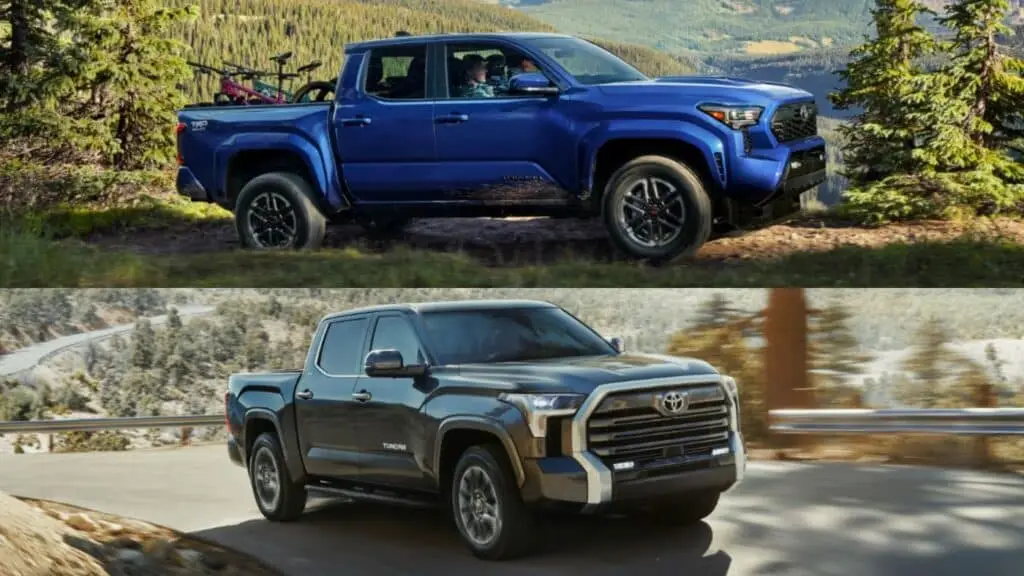
Tacoma is a mid-size pickup built for agility, off-road fun, and lower running costs. Tundra is a full-size pickup focused on power, towing, and cabin space. Both come from the same maker and share some DNA. But they serve different buyers and use cases. I’ll compare them side by side so you can decide which fits your routine and budget.

Performance and powertrain
Tacoma usually offers smaller engines with good torque for its class. Expect four-cylinder turbo or V6 options that balance everyday fuel use and trail performance. Tundra comes with larger V6 or V8-like powertrains and often a hybrid option for higher tow ratings and stronger acceleration. For highway merging and heavy loads, tundra’s power feels more assured.
Fuel economy trends:
- Tacoma typically returns better city and highway MPG in normal driving.
- Tundra sacrifices some fuel economy for higher towing and more low-end power.
Transmission and driveline:
- Tacoma favors lightweight transmissions tuned for responsiveness.
- Tundra uses heavier-duty transmissions built for towing and durability.
Real-world note: On a trip with a loaded camper, tundra felt stable and eager on the highway. Tacoma handled mountain roads with less fuss and better fuel numbers. This mirrors what many users report.
Size, cargo, and towing capacity
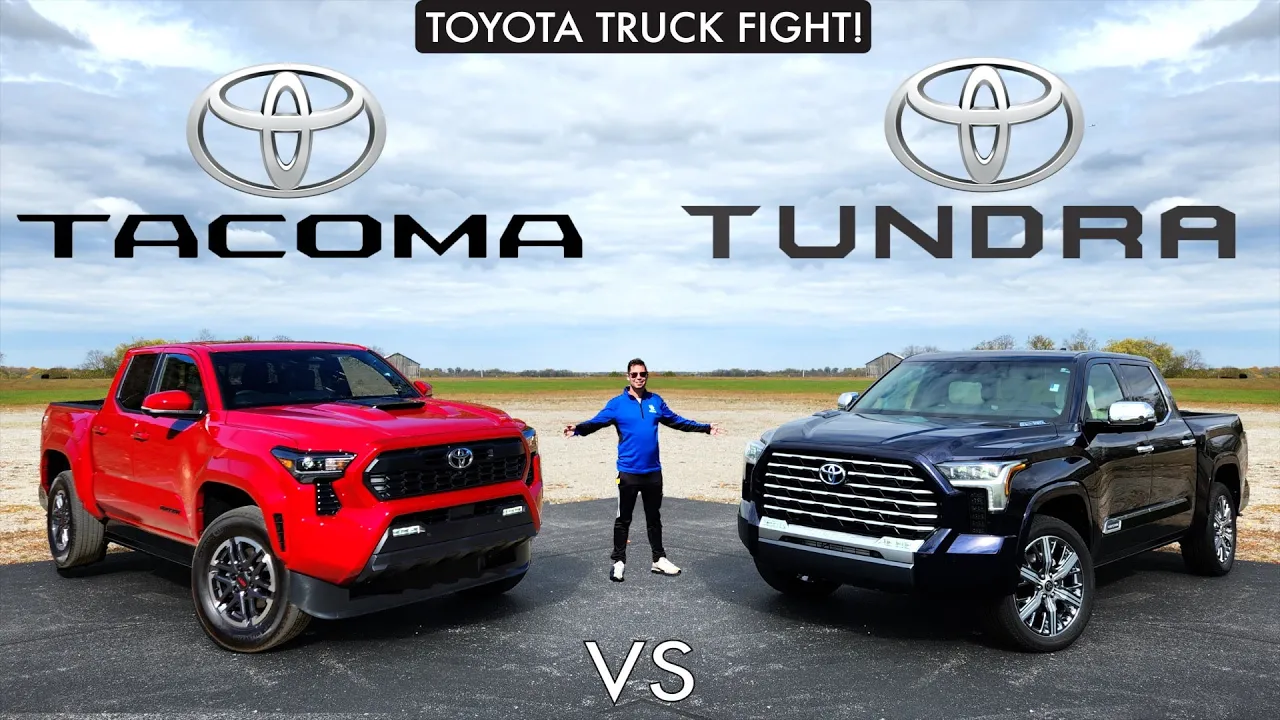
Tacoma is smaller outside and inside. It fits tighter driveways and parking spots with ease. Bed length and payload are solid for everyday chores and weekend gear. Tundra is longer, wider, and offers higher payload and towing numbers. If you tow boats, big trailers, or haul heavy construction gear often, tundra is the safer bet.
Towing quick facts:
- Tacoma towing range suits small trailers, light boats, and toys.
- Tundra supports larger trailers, heavier boats, and heavier work trailers.
Cargo and cabin space:
- Tacoma’s cabin is comfortable but more compact.
- Tundra delivers full-size room, more storage, and larger rear seats.
Practical tip: If you tow weekly over 5,000 pounds, favor tundra. For light towing and daily city use, tacoma fits better.
Interior, comfort, and tech
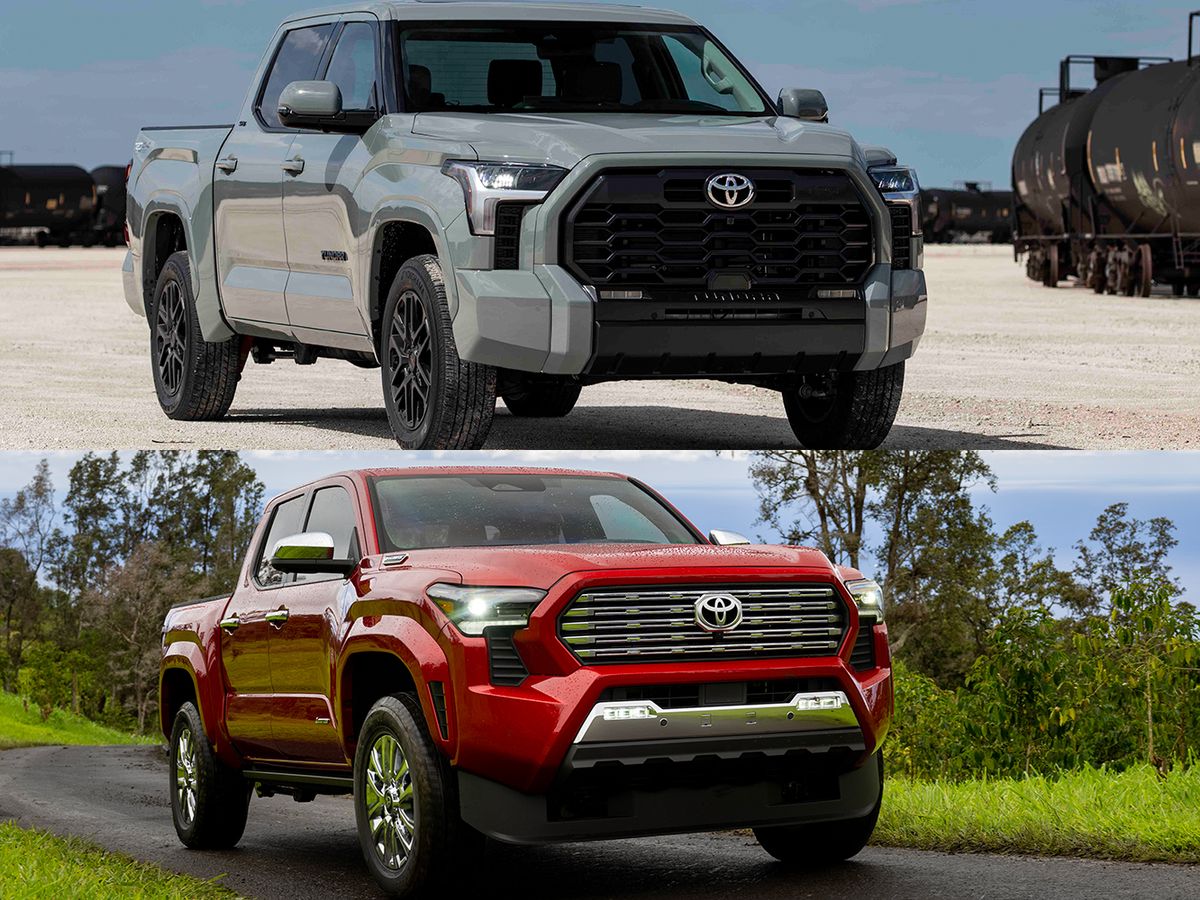
Tacoma keeps interiors simple and durable. Controls are intuitive. Newer models added more screens and driver aids. Tundra raises the bar with softer seats, quieter cabins, and more tech features as standard or optional. Expect larger infotainment screens and premium audio in tundra trims.
Comfort comparison:
- Tacoma is fine for short to medium trips and trail days.
- Tundra shines on long hauls and as a family vehicle.
Tech and safety:
- Both trucks offer modern safety features, but tundra often includes more advanced driver assists or larger displays at similar trim levels.
Personal take: I found tacoma’s seats firm but supportive for trail weekend trips. Tundra made long road days far more relaxing.
 capability and durability”
style=”max-width: 100%; height: auto; border: 2px solid black; border-radius: 10px; display: block; margin: 0 auto;”
loading=”lazy”
/>
Off-road capability and durability
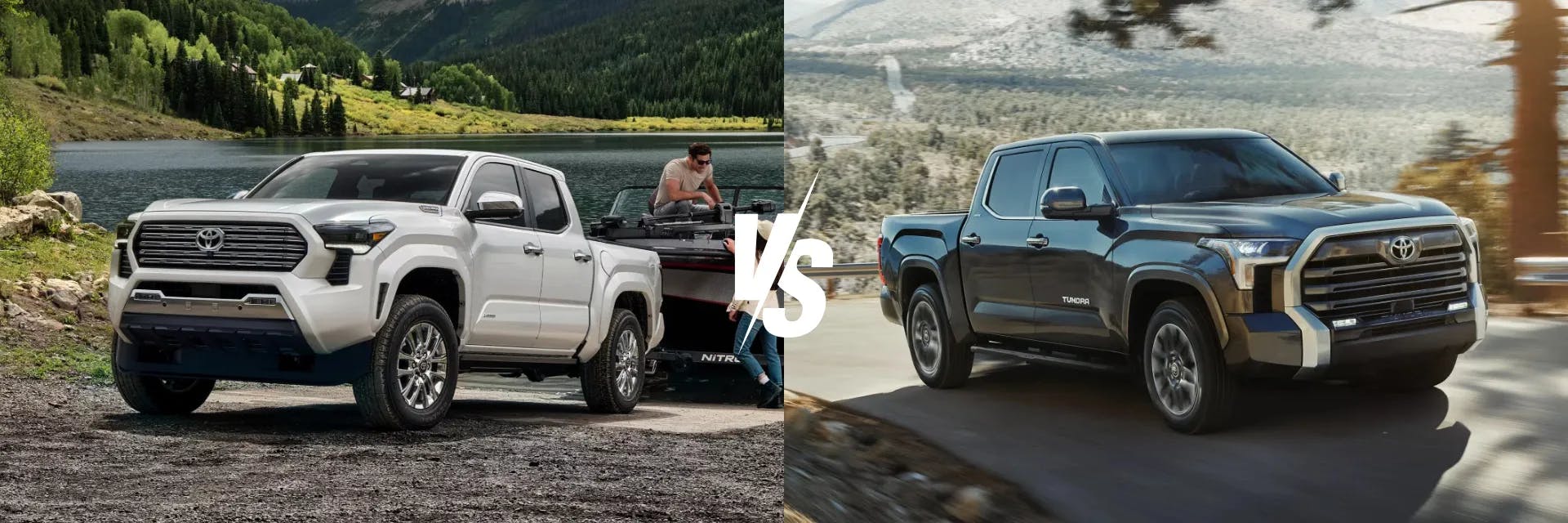
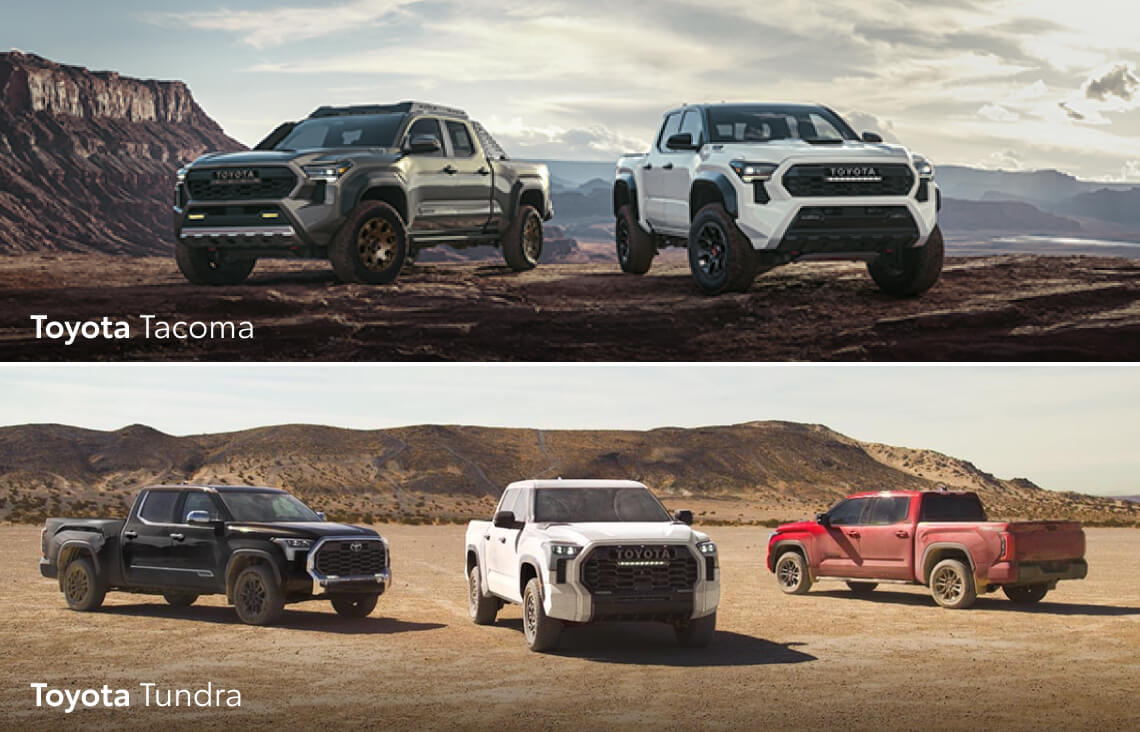
Tacoma has a stellar reputation off-road. TRD Pro and TRD Off-Road trims add suspension, skid plates, and locking differentials. It’s a favorite among trail riders who need a reliable, nimble truck. Tundra also offers rugged trims and can be built for serious off-road use, but its larger size can feel less nimble on narrow trails.
Durability and build:
- Tacoma’s body-on-frame and proven components make it durable for rough use.
- Tundra uses heavy-duty parts for towing and prolonged load stress.
If you plan frequent serious off-road use on tight single-track trails, tacoma often feels more at home. For desert runs, overland setups, or larger off-road trailers, tundra’s power and payload win.
Cost, fuel economy, and value
Tacoma typically costs less to buy and run. Its insurance and fuel bills are usually lower. Tundra starts higher but offers value in capability and comfort. Consider long-term needs when weighing price versus utility.
Cost breakdown:
- Purchase price: Tacoma lower; Tundra higher.
- Fuel: Tacoma more efficient in most trims.
- Resale: Tacoma holds value well in the used market; tundra also retains value but depends on configuration.
Value tip: If you plan to keep the truck long-term and tow heavy loads, tundra may justify its higher price. For lower overhead and strong resale, tacoma is a solid choice.
Reliability, maintenance, and ownership experience
Both trucks are known for reliability. Regular maintenance keeps either truck running for many years. Tacoma has decades of a reputation for longevity in harsh conditions. Tundra shares that rugged reputation but with heavier-duty systems that require slightly different upkeep.
Maintenance notes:
- Oil, brakes, and suspension checks are essential on both models.
- Tundra’s larger components can mean higher part costs for some repairs.
- Tacoma parts and aftermarket support are widely available for off-road builds.
Transparency: No vehicle is perfect. Expect wear items and occasional repairs with both. Budget for regular service and check common model years for known issues before buying used.

Which should you choose? Practical scenarios
Use this quick guide to match the truck to your life.
Choose tacoma if:
- You want a nimble mid-size truck for trails and city driving.
- You rarely tow loads over 5,000 pounds.
- You favor lower purchase price and better fuel economy.
Choose tundra if:
- You need high tow ratings and payload for work or large trailers.
- You want a comfortable full-size cabin for family trips.
- You prefer stronger acceleration and a more powerful drivetrain.
Other factors to weigh:
- Parking and garage space
- Local fuel prices and commute distance
- Planned aftermarket mods or camper setups
My personal experience and practical tips
I owned a tacoma for several years as a daily driver and trail truck. It fit narrow forest roads and saved fuel on commute days. Later, I tested a tundra while towing a 6,000-pound trailer across states. The tundra felt steadier at high speeds and handled the load without strain.
Lessons learned:
- Match truck size to your parking and garage space.
- Buy a towing package if you plan to tow often.
- Test drive both with your typical load to feel real differences.
Shopping tips:
- Check for rust and underbody condition on used trucks.
- Ask for maintenance records and towing history.
- Compare trim features to avoid missing must-have tech or safety gear.
Frequently Asked Questions of tacoma vs tundra
Is tacoma better for off-roading than tundra?
Tacoma is often better in tight, technical trails due to its smaller size. Tundra can be built for off-road deserts and heavy-duty terrain, but it is bulkier on narrow trails.
Which truck gets better fuel economy?
Tacoma typically gets better fuel economy in everyday driving. Tundra uses more fuel but can have hybrid options that improve efficiency under load.
Can a tacoma tow a camper?
Yes, tacoma can tow small to mid-size campers and trailers. For campers over 5,000 pounds, consider a tundra or verify the tacoma’s specific tow rating.
Which truck is cheaper to insure and maintain?
Tacoma usually costs less to insure and maintain because it is smaller and less costly to repair. Tundra can cost more, especially for parts tied to heavy-duty towing.
Do both trucks hold value well?
Both trucks hold value well compared to many vehicles. Tacoma often has especially strong resale due to its popularity in the used market.
Conclusion
Tacoma excels as a nimble, efficient mid-size truck built for tight trails and lower running costs. Tundra shines as a full-size workhorse that offers power, towing, and a roomy cabin for long hauls. Think about how you drive, what you tow, and where you park. Use the practical tips above to compare trims and test drive both trucks with real loads. Decide based on use, not just looks, and you’ll end up with a truck that fits your life. If this helped, share your priorities below or subscribe for deeper buying guides and hands-on comparisons.