What Car Suits Daily Commute: Best Compact Options
Most commuters benefit from a compact hybrid or fuel‑efficient small SUV for daily drives.
Choosing what car suits daily commute is both practical and personal. I’ve spent years testing cars in city traffic, highway runs, and tight parking lots, and I’ll walk you through clear criteria, real examples, and easy decisions. Read on to learn which car fits your routes, budget, and lifestyle so your daily commute becomes easier, cheaper, and more comfortable.

Why choosing the right car for your commute matters
Picking what car suits daily commute saves time, money, and stress every day. A good commuter car reduces fuel costs, lowers maintenance headaches, and makes long drives less tiring. The right choice also improves safety and can protect your mental energy after work.
I’ll explain how to match vehicle traits to your commute. You’ll get simple tests to decide if you need fuel efficiency, cargo room, all‑wheel drive, or parking ease. By the end you’ll know which car fits your life, not just your wishlist.
Key criteria to evaluate for daily commuting
Focus on a few core factors when you decide what car suits daily commute. Use these to filter options quickly.
-
Fuel economy
Look for high MPG or low cost per mile. Hybrids and small diesels often lead city driving. EVs cost less per mile but need charging access. -
Reliability and low maintenance
Choose brands with strong reliability records to avoid downtime and repair bills. Check real‑world ownership reports and warranty coverage. -
Comfort and ergonomics
A supportive seat and low cabin noise make daily trips easier. Consider lumbar support, seat adjustments, and simple controls. -
Size and parking ease
Compact cars and hatchbacks fit tight spots. If you park on a busy street, shorter length and tight turning radius help a lot. -
Safety and driver assists
Look for automatic emergency braking, lane‑keeping assist, and good crash test ratings. These features cut stress and risk on long commutes. -
Running costs and resale value
Total cost of ownership matters more than sticker price. Factor insurance, fuel, maintenance, and depreciation. -
Climate and terrain needs
If you face snow or steep roads, all‑wheel drive or higher ground clearance may be essential.
These criteria will help you decide what car suits daily commute based on your exact needs, not marketing.
Best car types for daily commuting
Different commute styles favor different vehicle types. Here’s a simple breakdown to match type to need.
-
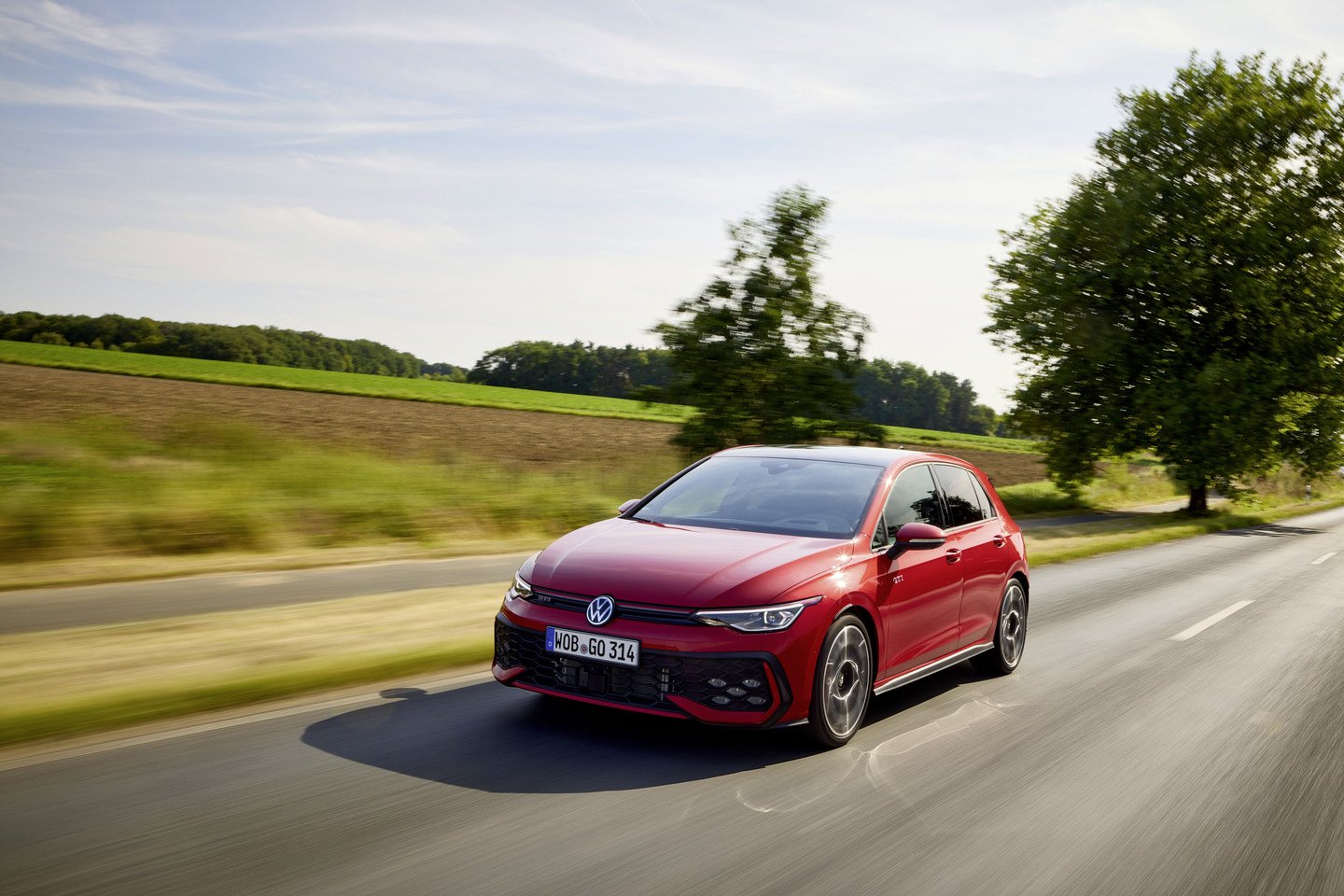
Compact sedans and hatchbacks
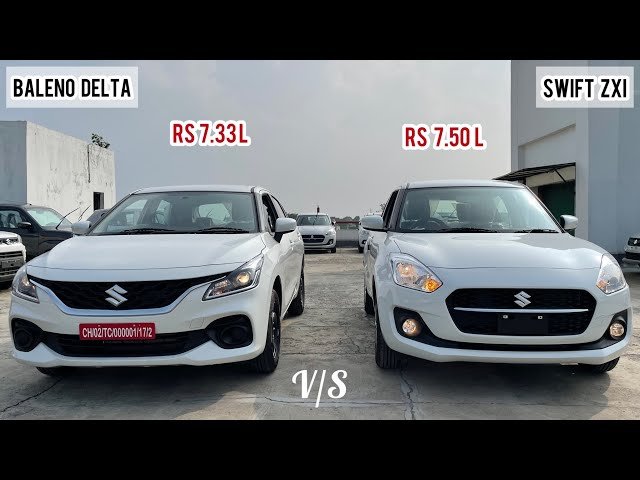
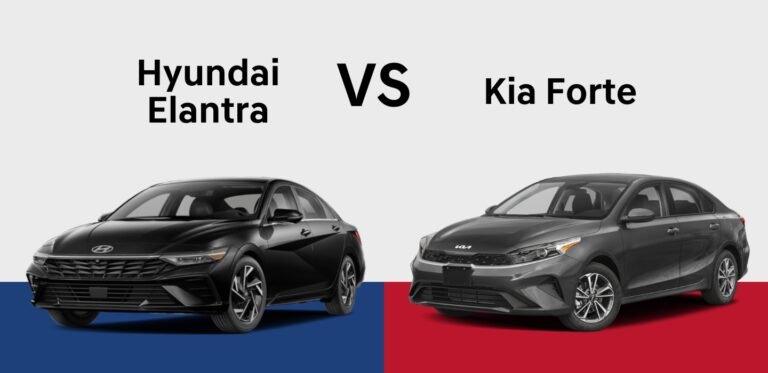
Ideal for tight city driving and easy parking. They are fuel efficient and cheap to insure. Good for solo commuters and small families. -
Hybrids and plug‑in hybrids
Best for mixed city/highway routes. They save fuel in stop‑start traffic. Plug‑ins add short electric commutes for very low running cost. -
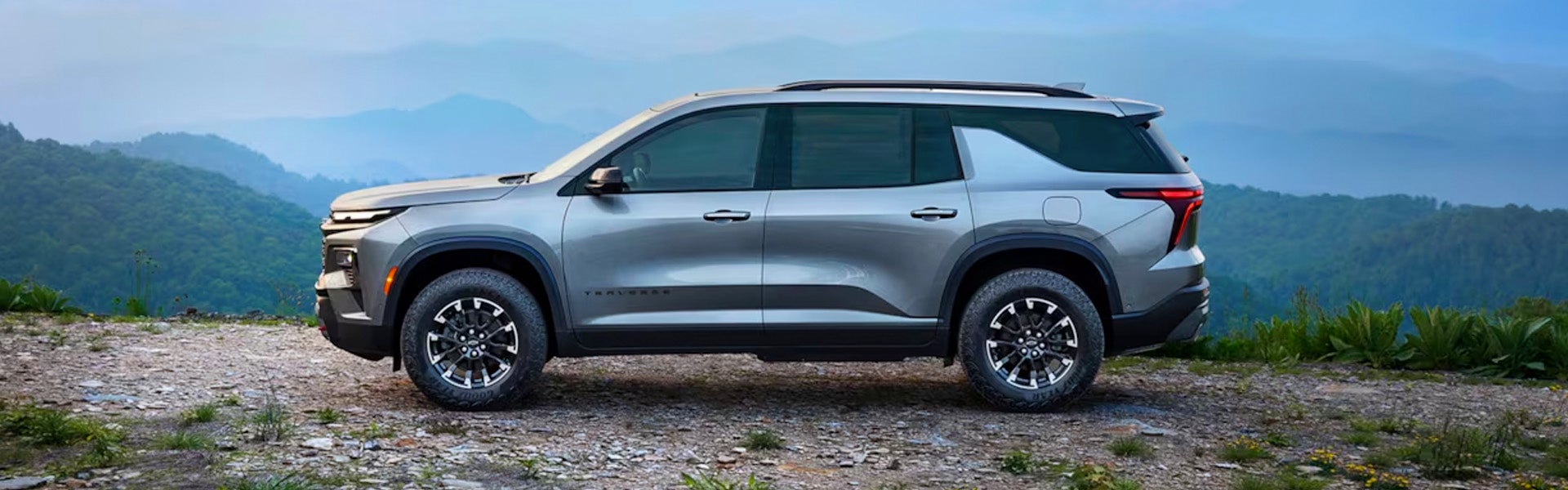
Small crossover SUVs
Offer better visibility and cargo room without much extra fuel cost. Choose one with good city MPG if traffic is heavy. -
Electric vehicles (EVs)
Great if you have home or workplace charging. EVs deliver low running cost and smooth driving, making them excellent for predictable routes. -
Diesel or efficient turbo gas engines
Good for long highway commutes where highway MPG matters more than city stop‑and‑go. -
Microcars and subcompacts
Perfect for dense urban cores when parking space is tiny. They trade comfort for maneuverability.
When asking what car suits daily commute, think about your daily route and parking. That will narrow the type quickly.

Real‑life examples and my commute experience
I once switched from a midsize sedan to a compact hybrid for a 30‑minute mixed commute. Fuel costs dropped about 35% and morning traffic felt less draining thanks to smoother acceleration. The tradeoff was smaller cargo space, which I solved with a small rooftop box for occasional trips.
A friend traded a large SUV for a small crossover and saw parking stress vanish. His commute time didn’t change, but his daily mood improved because getting in and out of tight spots stopped being a hassle.
Lessons learned from real use
- Match size to parking. Bigger cars add minutes when parking is tight.
- Consider automated features. Adaptive cruise and lane assist reduce fatigue on long drives.
- Test drive during commute hours. That reveals true cabin noise, visibility, and heating/cooling performance.
These personal insights help answer what car suits daily commute in real world terms, not just spec sheets.

Budget tiers and sample picks for commuters
Your budget shapes what car suits daily commute. Here are practical options by price band. Prices and availability change, so use these as starting points.
-
Under $20,000 (used market)
Reliable compact sedans and hatchbacks. Look for recent model years with good maintenance records. Prioritize low mileage and a clean service history. -
$20,000 to $35,000 (new or certified pre‑owned)
New compact hybrids, efficient crossovers, or small EVs on sale. This is the sweet spot for modern safety tech and warranty coverage. -
$35,000 to $50,000
Larger crossovers, well‑equipped hybrids, and longer‑range EVs. Expect more comfort and advanced driver aids. -
$50,000+
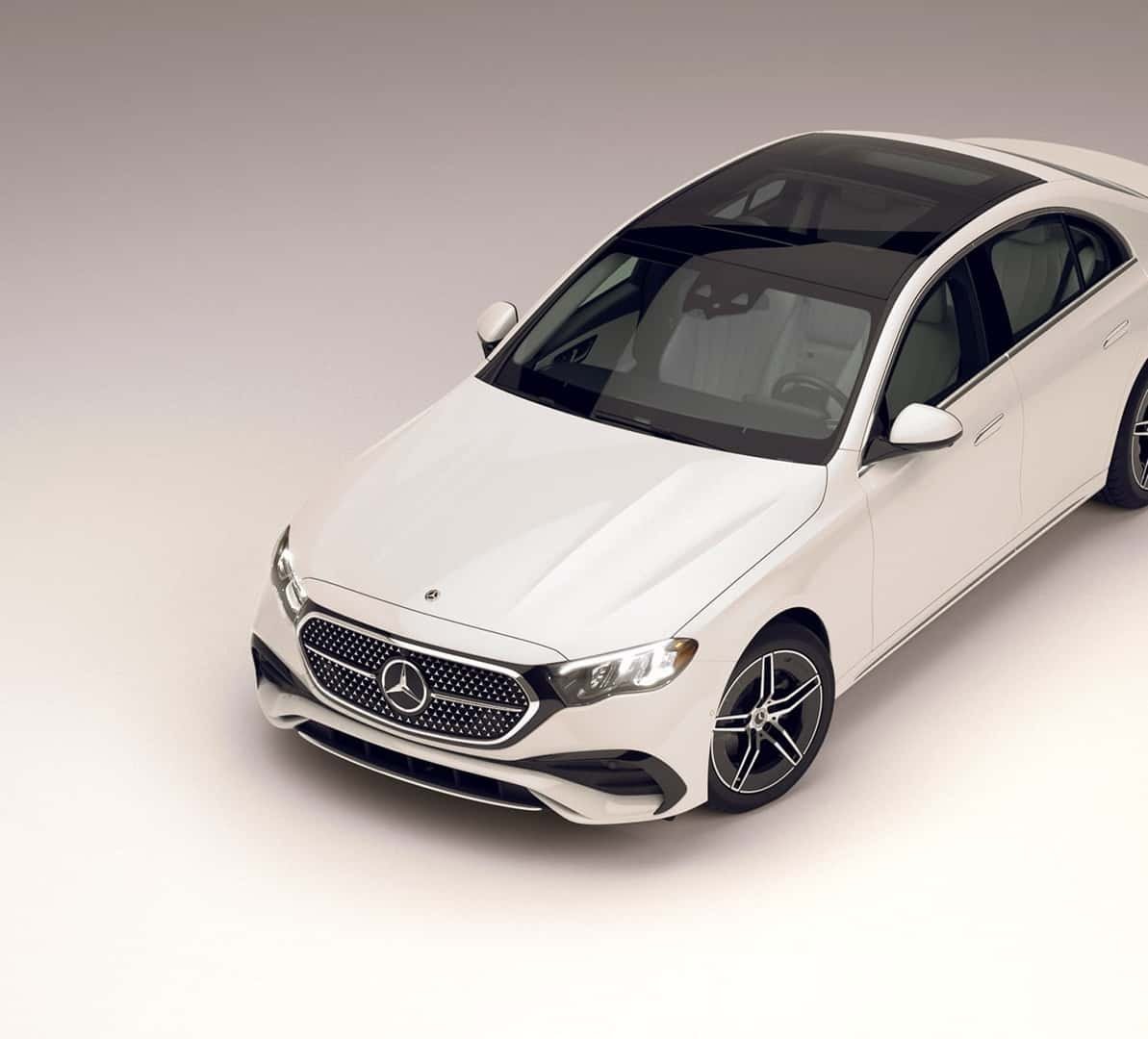
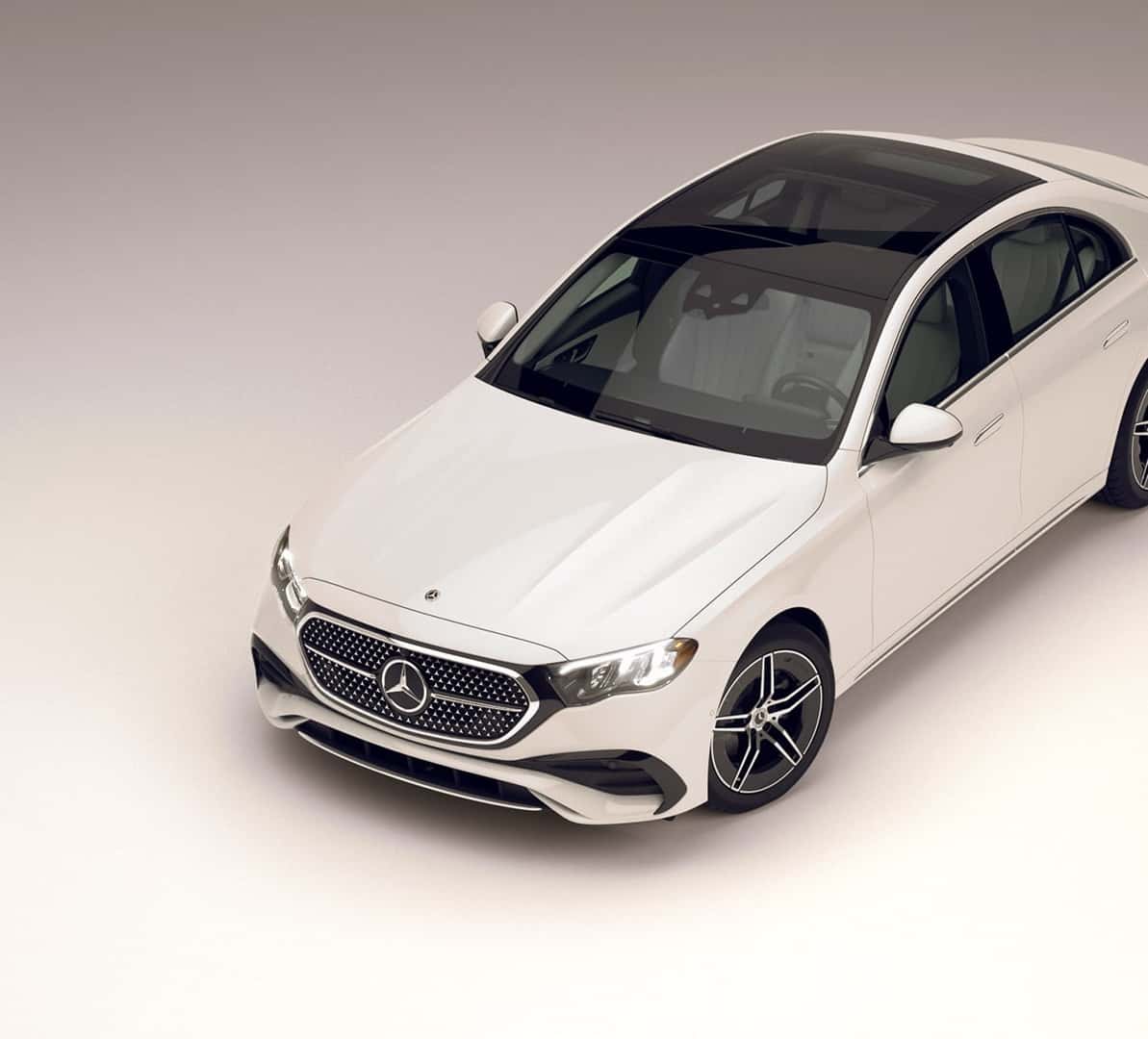
Luxury compact SUVs and high‑end EVs with superior driving refinement and tech. Best for longer commutes where comfort matters most.
Sample picks (generic categories to match needs)
- City short commute: Subcompact hatchback or micro EV.
- Mixed city/highway: Hybrid compact or plug‑in hybrid.
- Long highway commute: Efficient diesel or highway‑optimized hybrid.
- Weather/terrain challenges: Small AWD crossover.
- No local charging but want low running cost: Hybrid or fuel‑efficient gas car.
These budgets help you match what car suits daily commute without overpaying for features you won’t use.

Practical ownership and maintenance tips
Owning the right commuter car is about choices after the purchase. Small habits keep costs low and reliability high.
- Keep scheduled maintenance. Oil, filters, and tires extend life and efficiency.
- Use fuel apps and plan routes to lower idle time and improve MPG.
- Tire choice matters. Low rolling resistance tires can improve fuel economy slightly.
- For EVs, install a Level 2 charger if you can; it makes daily charging fast and simple.
- Track insurance and fuel spend monthly to spot issues early.
A clear maintenance plan will ensure your answer to what car suits daily commute stays true for years.
Environmental impact and future‑proofing your commute
Think about emissions and future needs when deciding what car suits daily commute. EVs reduce tailpipe emissions but require charging access. Hybrids offer a strong middle ground with lower fuel use and easier refueling.
Consider these points
- Home charging availability strongly influences EV practicality.
- Local incentives and tax credits can change the running cost math significantly.
- Think about resale: efficient cars hold value better in markets shifting to low emissions.
- If your commute may change in 3–5 years, flexible options (like used hybrids) reduce risk.
Balancing cost, convenience, and environmental impact helps you pick a commuter car that lasts.
Frequently Asked Questions of what car suits daily commute
What is the single most important factor for a commute car?
Fuel economy and reliability are the top factors for most commuters because they drive costs down and reduce downtime. Comfort and safety follow closely if your commute is long.
Are electric cars always better for commuting?
Not always. EVs are excellent if you have reliable charging and predictable daily range needs. If you lack charging access or drive very long distances, hybrids or efficient gas cars may suit better.
How much should I spend on a commuter car?
Spend what fits your budget while prioritizing low running costs and reliability. For many, the sweet spot is $20,000 to $35,000 for a new compact hybrid or certified used EV.
Is a small SUV better than a sedan for commuting?
A small SUV offers more cargo and visibility, but it may cost more to run. Choose a small SUV if you need space or higher ride height; choose a sedan if parking and fuel cost are priorities.
Should I buy new or used for commuting?
Both can work. New cars give warranty coverage and modern tech. Well‑maintained used cars can save money and still be reliable. Inspect service records and test drive during commute times.
Conclusion
Choosing what car suits daily commute boils down to matching your route, budget, and priorities. Focus on fuel economy, reliability, comfort, and real‑world needs like parking and charging. Test drive candidates during commute hours and track real costs before you buy.
Take action today: list your top three commute needs, set a realistic budget, and test drive two different vehicle types to see which fits best. Share your commute story or questions in the comments so others can learn from your experience.