
Many drivers only think about the battery when their car will not start. In reality, the alternator plays a key role because it keeps the battery charged and powers the vehicle’s electrical systems while the engine runs. Understanding what causes an alternator to fail can help you avoid sudden breakdowns.
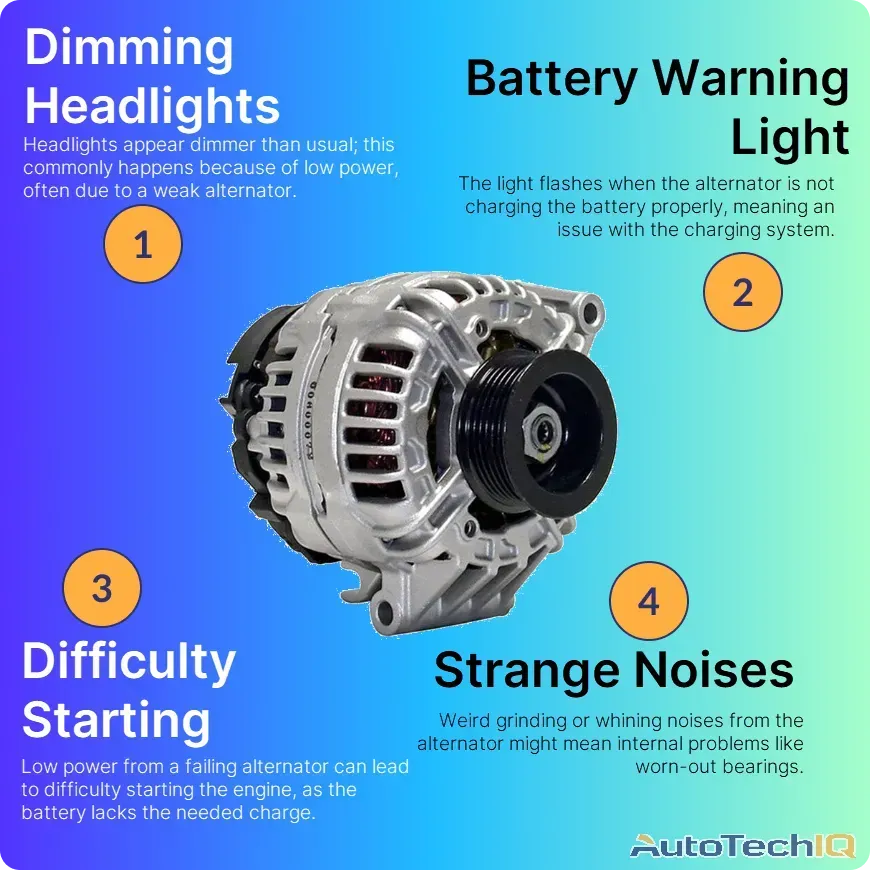
From years of working with vehicle electrical systems, one common lesson is that alternator failure rarely happens without warning. Small signs like dim headlights, strange noises, or a battery warning light often appear before a complete failure.
How an Alternator Works and Why It Can Fail
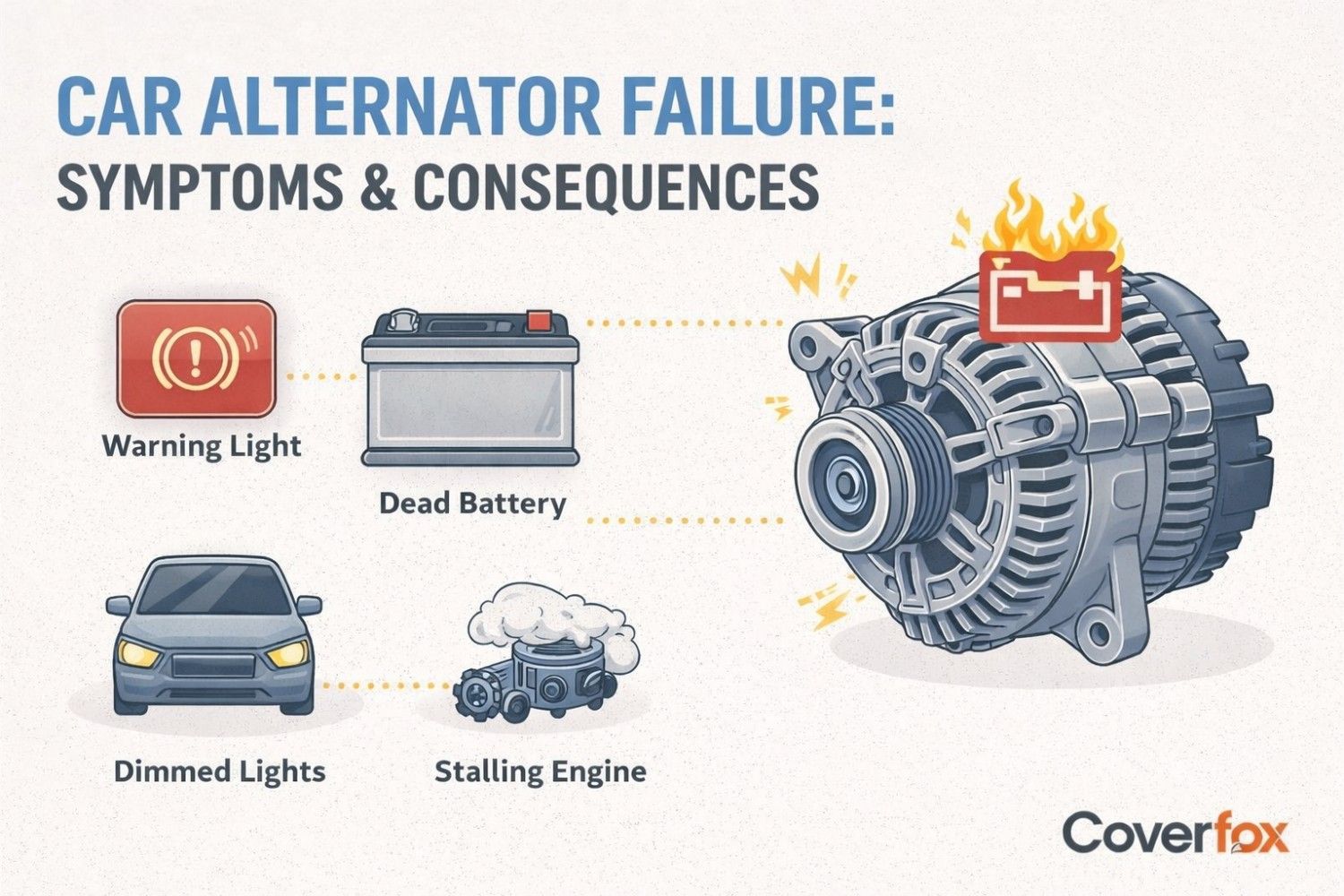
An alternator converts engine power into electricity. It uses a spinning rotor, stator, diodes, voltage regulator, and other parts to create and control electrical energy.
When any major part inside the alternator wears out, the unit may stop producing enough power. This is one of the main reasons drivers search for what causes an alternator to fail.
- ✦ Rotor and stator wear
These parts create electricity through movement and magnetic fields. Constant use can cause damage over time.
- ✦ Voltage regulator problems
The regulator controls charging output. A faulty regulator can cause undercharging or overcharging.
Normal Wear From Daily Driving
Alternators work every time you drive. After many years and thousands of miles, internal bearings, brushes, and electrical parts can wear down.
- ✦ High mileage use
Vehicles with long service histories often experience alternator wear because of repeated heat and movement.
Worn Bearings Are a Common Cause of Alternator Failure
Alternator bearings allow the rotor to spin smoothly. When these bearings wear out, they create friction and reduce alternator performance.
A failing bearing may produce grinding, whining, or growling sounds. Ignoring these noises can lead to complete alternator failure because the rotor may stop turning correctly.

- ✦ Excessive friction
Damaged bearings create resistance and increase heat inside the alternator.
- ✦ Mechanical damage
Severe bearing failure can damage other internal components.
Heat Damage Can Shorten Alternator Life
Heat is one of the biggest enemies of automotive electrical parts. Alternators operate in a hot engine bay, and excessive temperatures can damage insulation, wiring, and electronic parts.
What causes an alternator to fail in many cases is repeated heat exposure combined with heavy electrical demand. Vehicles with many accessories may place extra stress on the charging system.
- ✦ Engine bay temperature
High temperatures can weaken electrical connections and internal components.
- ✦ Cooling problems
Poor airflow around the alternator can increase operating temperatures.
Electrical Overload and Added Accessories
Modern vehicles use many electrical systems, including heated seats, advanced audio systems, cameras, and other devices. Too much demand can push an aging alternator beyond its limits.
- ✦ Heavy electrical load
Extra power demand can increase alternator stress.
Bad Diodes and Voltage Regulator Failure
The alternator contains diodes that convert electrical current into a usable form for the vehicle. When these diodes fail, the charging system may become weak or unstable.
A damaged voltage regulator can also create problems by sending too much or too little voltage to the battery and electrical systems.
- ✦ Battery not charging
Failed diodes or regulators may prevent the battery from receiving enough power.
- ✦ Electrical system damage
Overcharging can harm sensitive vehicle electronics.
Loose Belts and Damaged Connections Can Cause Failure
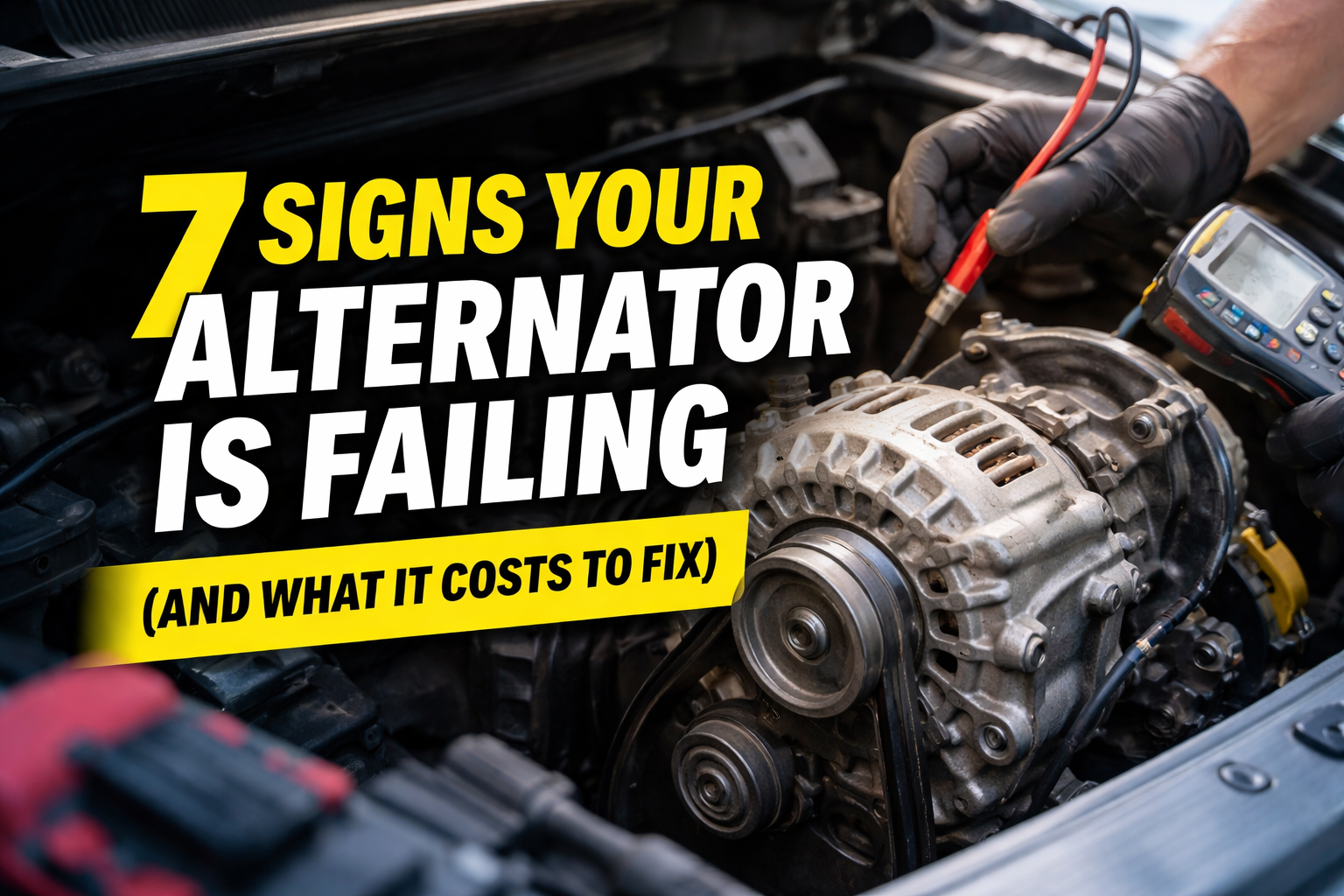
The alternator depends on the serpentine belt to spin and generate power. A loose, worn, or broken belt can prevent the alternator from working correctly.
Electrical connections also matter. Corroded terminals, damaged cables, and poor grounds can reduce charging performance and make the alternator appear faulty.
- ✦ Serpentine belt problems
A slipping belt reduces alternator speed and lowers charging output.
- ✦ Corroded wiring
Rust and corrosion can block proper electrical flow.
Battery Problems That Affect the Alternator
A weak battery can increase alternator workload. When the battery cannot hold a charge, the alternator may work harder than normal and wear faster.
- ✦ Old battery stress
A failing battery can force the alternator to constantly recharge it.
Warning Signs That Your Alternator May Be Failing
Knowing the warning signs can help you fix problems before your vehicle stops running. Most alternator failures provide clues before complete failure.
If you notice several symptoms together, it is smart to test the charging system instead of replacing parts without confirmation.

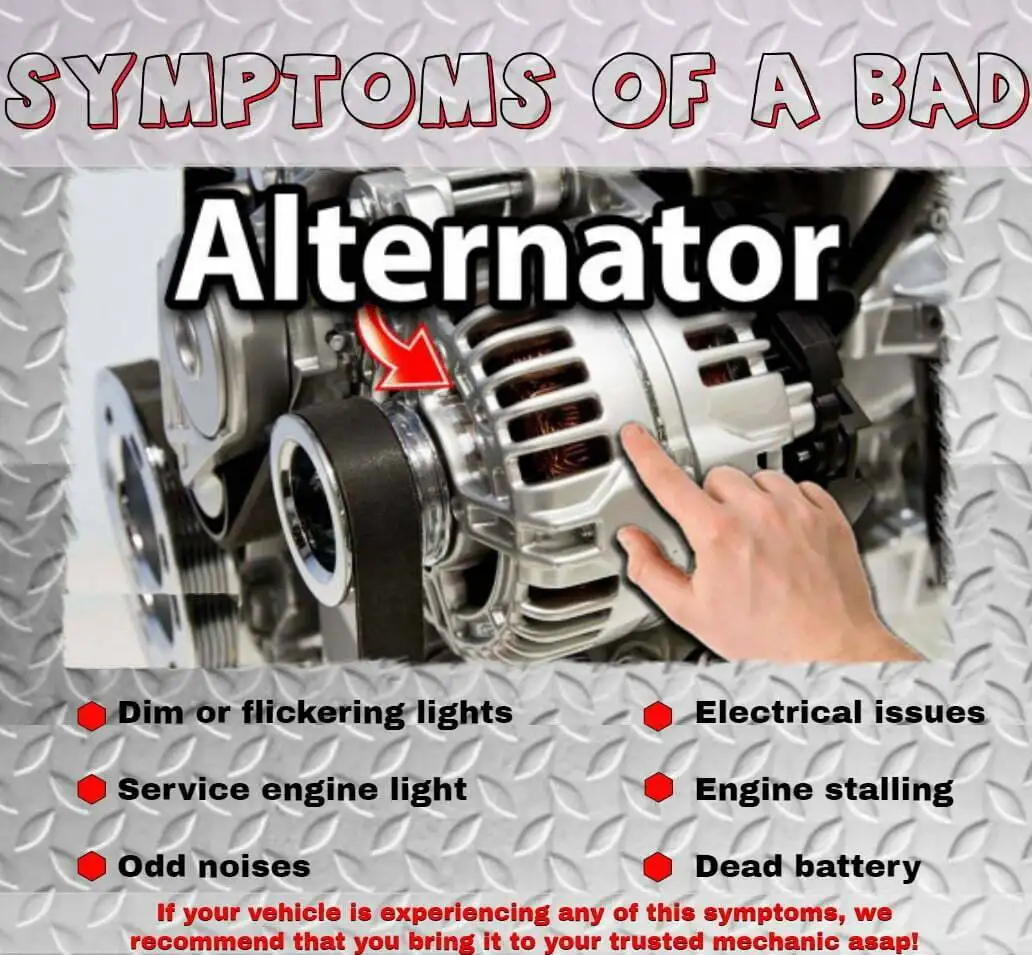
- ✦ Dim headlights
Weak alternator output can reduce power to vehicle lights.
- ✦ Battery warning light
The dashboard charging warning light often points to alternator or charging problems.
- ✦ Slow electrical systems
Power windows, fans, or accessories may work slower than normal.
- ✦ Strange noises
Grinding or whining sounds may indicate internal alternator damage.
How to Prevent Alternator Failure
Preventing alternator failure starts with regular vehicle care. Simple inspections can catch problems before they become expensive repairs.
Drivers in the United States often rely on their vehicles for daily commuting, road trips, and family needs. A healthy charging system helps avoid unexpected roadside problems.
- ✦ Inspect belts regularly
Check for cracks, looseness, or signs of wear.
- ✦ Keep battery terminals clean
Clean connections help the alternator charge efficiently.
- ✦ Test charging voltage
A charging test can identify weak alternator output early.
