
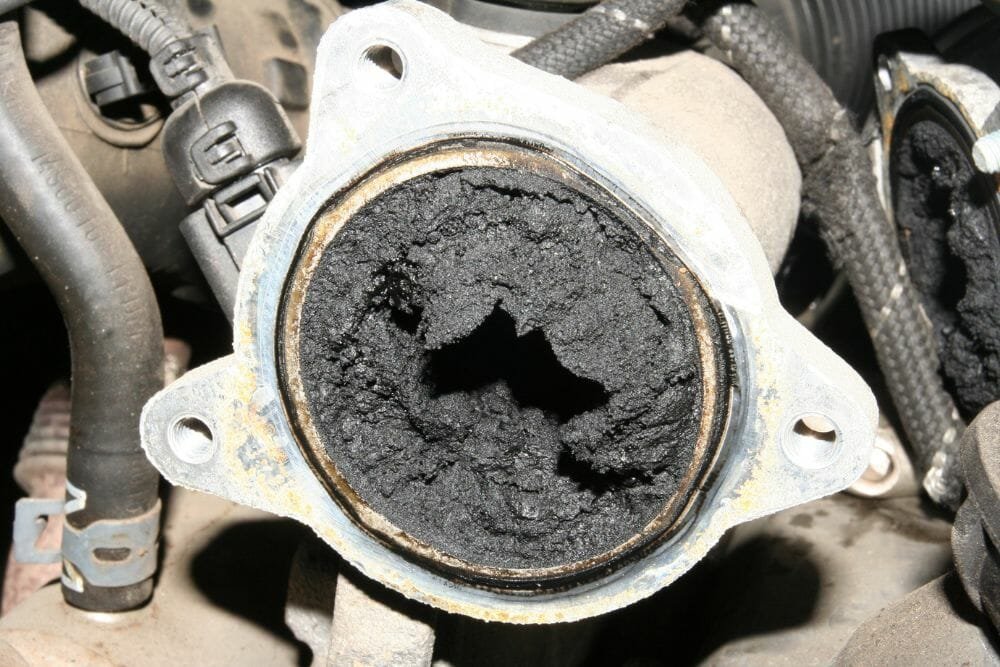
Many drivers ask, “What Causes EGR Valves to Become Dirty” after noticing rough idling, reduced power, or a check engine light. The EGR valve is designed to send a small amount of exhaust gas back into the engine to reduce emissions. Over time, those exhaust gases leave behind carbon deposits that can restrict the valve.
From working with vehicle maintenance issues, I have seen that EGR problems often start slowly. A vehicle may still run, but the engine can lose efficiency as deposits grow. Understanding what causes EGR valves to become dirty helps drivers prevent expensive repairs and keep their engines running smoothly.
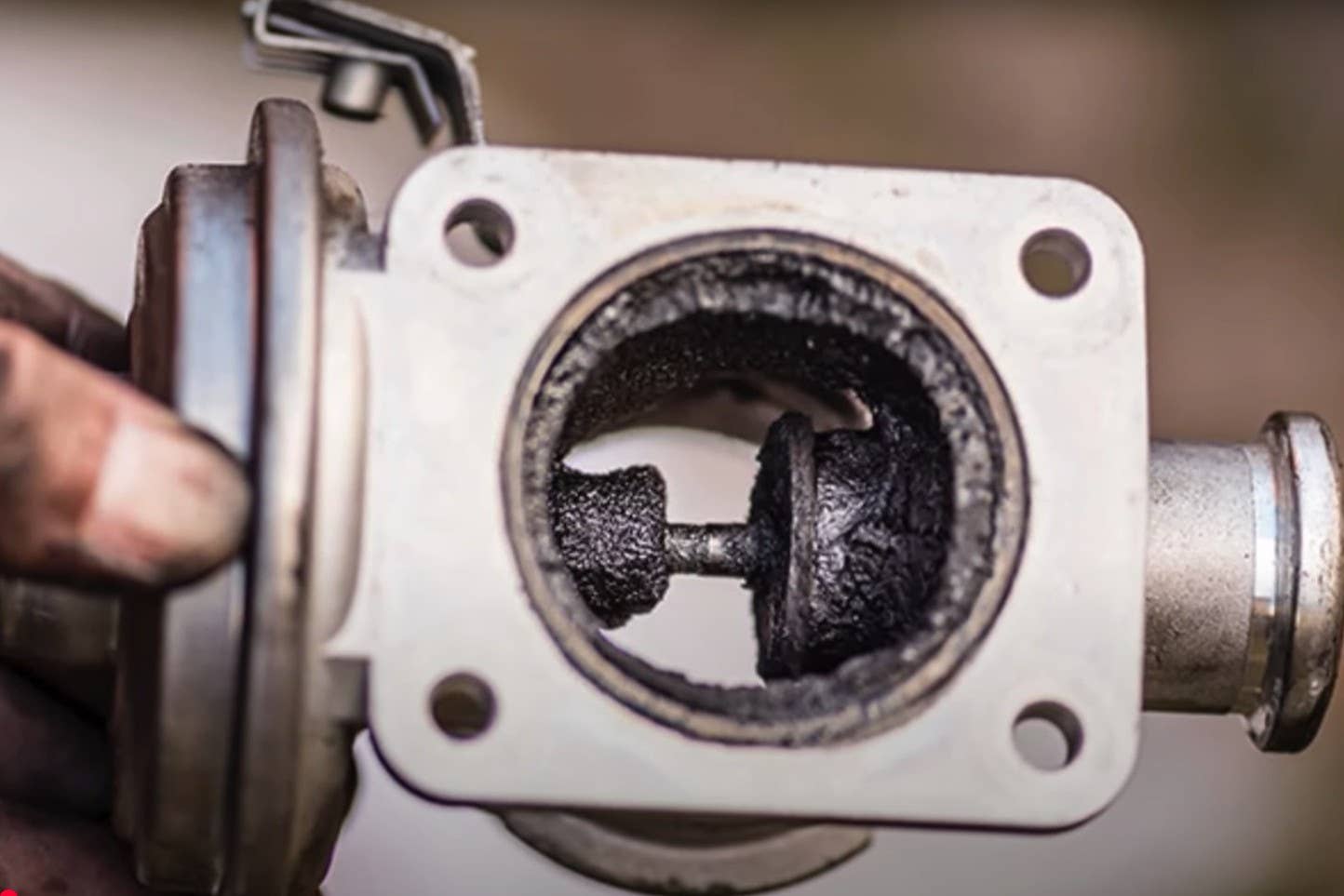
How the EGR Valve Works and Why It Gets Dirty
The Exhaust Gas recirculation (EGR) valve controls the flow of exhaust gas back into the intake system. This process lowers combustion temperatures and helps reduce nitrogen oxide emissions.
Because the EGR valve handles exhaust gases, it naturally collects soot. When exhaust mixes with oil vapor from the engine intake system, it can create a thick black buildup that affects valve movement.
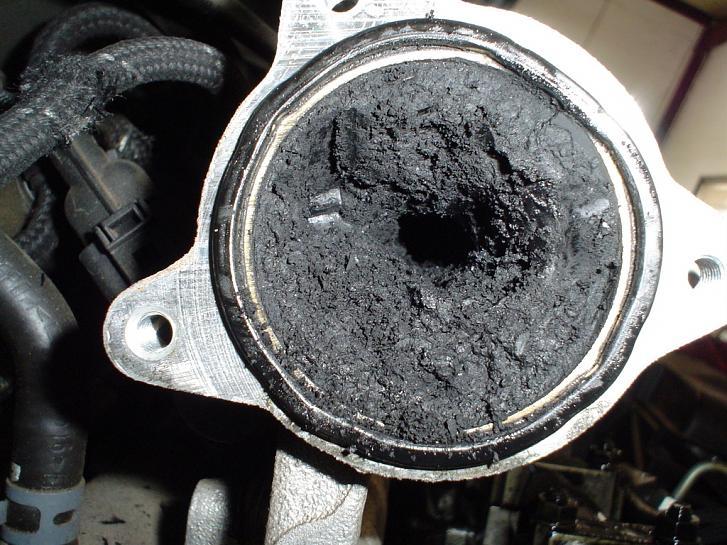
- ✦ Exhaust soot
Exhaust gases contain tiny carbon particles that can stick to the EGR valve surface.
- ✦ Oil vapor
Oil mist from the crankcase ventilation system can mix with soot and create sticky deposits.
Why Carbon Deposits Block EGR Operation
A clean EGR valve opens and closes based on engine demand. When carbon builds up, the valve may move slowly or become stuck.
A stuck EGR valve can send too much or too little exhaust gas into the engine. This can cause poor fuel economy, hesitation, and rough engine performance.
Main Causes of EGR Valve Carbon Buildup
The main reason behind what causes EGR valves to become dirty is the constant exposure to exhaust gases. However, several driving and engine conditions can make deposits form faster.
American drivers who spend many hours in city traffic or take frequent short trips may notice EGR problems sooner because the engine does not always reach ideal operating conditions.
- ✦ Frequent short trips
Short drives may prevent the engine from reaching temperatures that help burn away some deposits.
- ✦ Poor fuel combustion
Incomplete combustion creates more soot, which can increase EGR contamination.
- ✦ Diesel engine operation
Diesel engines naturally produce more soot, making EGR cleaning more common.
How Driving Habits Affect EGR Cleanliness
A vehicle used mainly for highway driving usually experiences better airflow and higher temperatures. These conditions can slow deposit formation.
A vehicle used mostly for stop-and-go traffic may create more buildup because the engine spends more time at low speeds and lower temperatures.
Engine Problems That Make EGR Valves Get Dirty Faster
Sometimes the EGR valve is not the original problem. Other engine issues can increase soot production and make the EGR system dirty faster.
Finding the root cause is important because cleaning the valve without fixing the engine issue may only provide temporary results.

- ✦ Faulty fuel injectors
Bad injectors can create an incorrect fuel mixture and increase soot production.
- ✦ Worn engine components
Engine wear can allow more oil vapor into the intake system.
- ✦ Air intake problems
Restricted airflow can reduce combustion quality and increase carbon buildup.
The Connection Between Oil and EGR Deposits
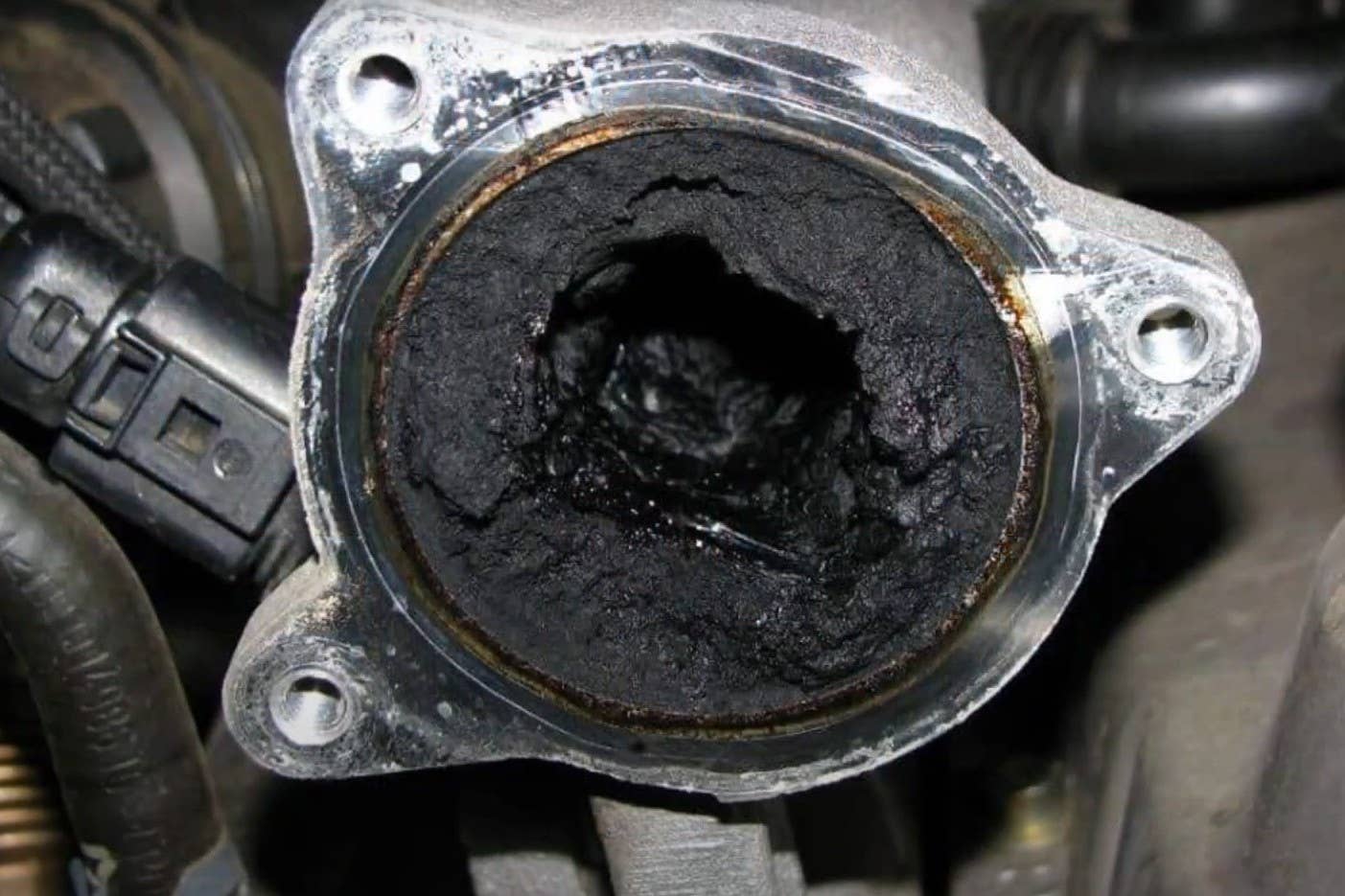
Oil vapor alone does not usually create heavy EGR buildup. The problem starts when oil mixes with exhaust soot and forms a thick sticky layer.
This mixture can coat the EGR valve, intake passages, and related components.
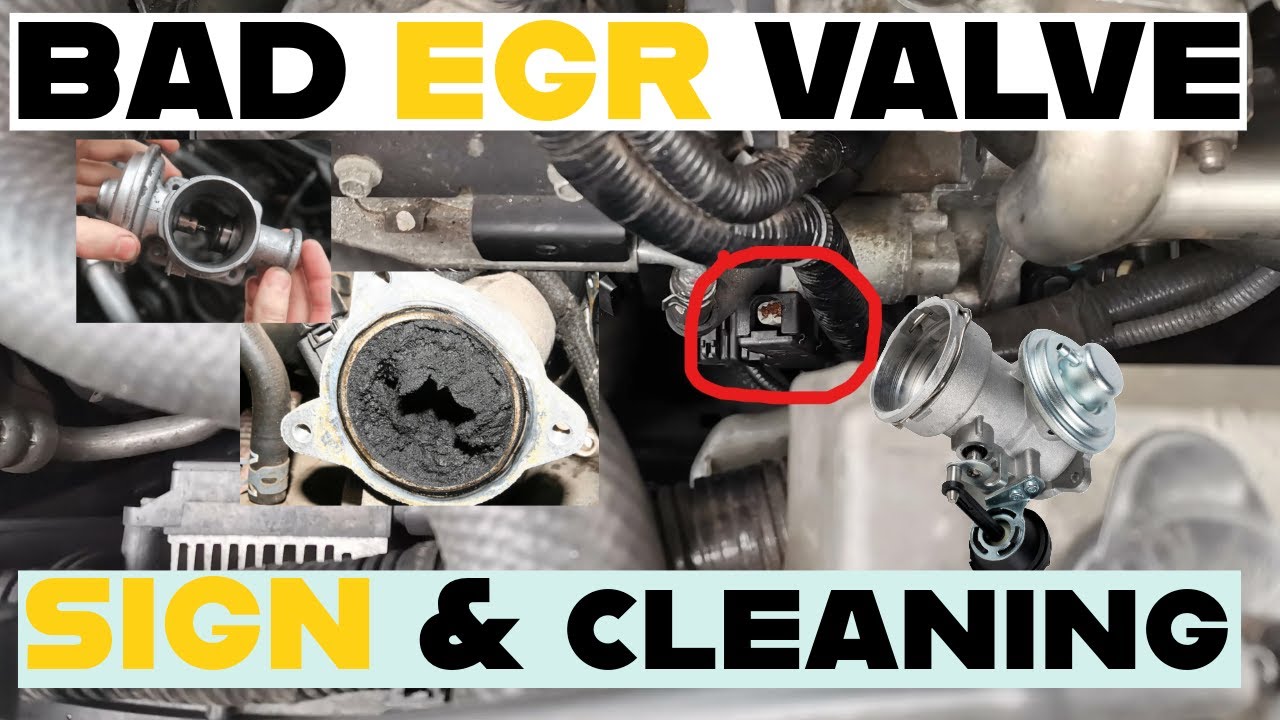
Symptoms of a Dirty EGR Valve
A dirty EGR valve can affect how smoothly an engine runs. The symptoms may appear slowly, which is why many drivers ignore them at first.
Knowing these warning signs can help you fix the problem before it causes additional engine issues.
- ✦ Rough idle
A clogged or stuck EGR valve can disturb the engine air and exhaust balance.
- ✦ Reduced acceleration
Carbon buildup can limit airflow and reduce engine response.
- ✦ Check engine light
The vehicle computer may detect incorrect EGR operation and store trouble codes.
- ✦ Poor fuel economy
An inefficient EGR system can affect combustion efficiency.
How to Prevent EGR Valves From Becoming Dirty
Preventing EGR buildup starts with good vehicle care. While carbon deposits are normal, proper maintenance can slow the process.
Drivers can improve EGR valve life by maintaining the engine, using quality fuel, and fixing performance problems early.

- ✦ Follow maintenance schedules
Regular oil changes and engine inspections help prevent excessive deposits.
- ✦ Avoid only short drives
Longer drives allow the engine to reach normal temperatures and operate efficiently.
- ✦ Repair engine issues quickly
Fixing injector, air intake, or combustion problems reduces soot production.
Cleaning a Dirty EGR Valve
Some EGR valves can be cleaned if the buildup is not severe. A mechanic may remove carbon deposits using proper cleaning methods.
In some cases, replacement is needed if the valve motor, sensor, or internal parts are damaged.
