
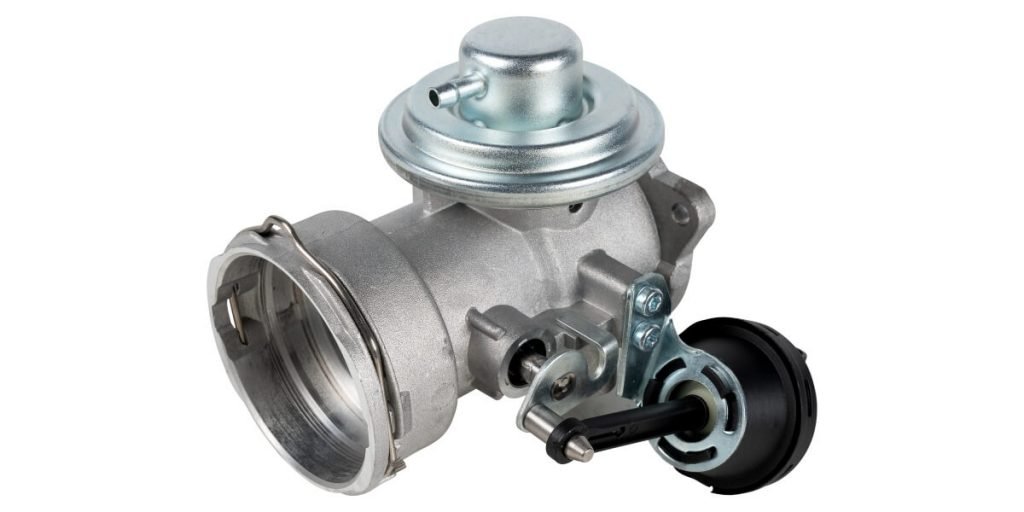
Many drivers first learn about the EGR valve when the check engine light turns on. The system may seem complex, but its job is simple. It helps your vehicle control emissions by sending a small amount of exhaust gas back into the engine during certain driving conditions.
When explaining what is an Exhaust Gas Recirculation Valve to vehicle owners, I often compare it to a temperature control system inside the engine. The valve helps reduce extreme combustion heat, which lowers the creation of nitrogen oxide gases. Modern gasoline and diesel vehicles in the United States rely on this system to meet strict emissions standards while maintaining efficient operation.

What Is an Exhaust Gas Recirculation Valve and What Does It Do?
An Exhaust Gas Recirculation Valve is a mechanical or electronic component that manages the flow of exhaust gases between the exhaust system and intake manifold. The valve opens and closes based on signals from the engine control module.
The main purpose of an Exhaust Gas Recirculation Valve is to reduce nitrogen oxide emissions. These gases form when combustion temperatures become very high. By introducing a controlled amount of exhaust gas into the intake air, the system lowers combustion temperature and helps create cleaner exhaust.
- ✦ Emission Control
The EGR valve reduces nitrogen oxide emissions by controlling combustion temperature.
- ✦ Engine Management
The valve works with engine sensors and the computer system to maintain proper operation.
- ✦ Fuel Efficiency Support
A properly working EGR system can help the engine operate more efficiently under certain conditions.
Why Do Cars Need an EGR Valve?
Cars need an EGR valve because engines naturally create nitrogen oxide gases during combustion. These gases contribute to air pollution, so manufacturers use EGR systems to control emissions.
In the United States, emissions regulations require vehicles to use technology that reduces harmful pollutants. The EGR valve is one important part of that technology.
- ✦ Lower Pollution
The system helps reduce harmful exhaust emissions released into the environment.
How Does an Exhaust Gas Recirculation Valve Work?
The Exhaust Gas Recirculation Valve works by allowing a small amount of exhaust gas to return to the intake system. The engine computer decides when the valve should open based on speed, load, temperature, and other sensor information.
During normal driving, the valve may open when the engine needs emission control support. It usually stays closed during cold starts, heavy acceleration, and some idle conditions because the engine needs fresh air for proper performance.

- ✦ Exhaust Gas Flow
The valve directs a controlled amount of exhaust gas back into the intake system.
- ✦ Computer Control
The engine control module adjusts valve operation using sensor data.
- ✦ Temperature Reduction
Returned exhaust gas lowers oxygen concentration and reduces combustion heat.
Main Parts of an EGR System
An EGR system includes more than just the valve. It may include passages, sensors, vacuum controls, coolers, and electronic components depending on the vehicle design.
- ✦ EGR Valve
Controls how much exhaust gas enters the intake system.
- ✦ EGR Cooler
Used mainly in diesel engines to cool exhaust gases before they return to the engine.
Different Types of Exhaust Gas Recirculation Valves
Manufacturers use different EGR valve designs depending on engine type and vehicle requirements. Older vehicles often use vacuum-controlled valves, while newer vehicles usually use electronically controlled systems.
Understanding the type of EGR valve in your vehicle can help during diagnosis and repair because each design has different failure points.

- ✦ Vacuum Controlled EGR Valve
Uses engine vacuum pressure to open and close the valve.
- ✦ Electronic EGR Valve
Uses an electric motor and sensors for precise control.
- ✦ Diesel EGR Valve
Designed to handle higher exhaust temperatures and soot levels.
Common Symptoms of a Bad Exhaust Gas Recirculation Valve
A failing Exhaust Gas Recirculation Valve can affect engine performance, fuel economy, and emissions. Problems usually happen when the valve becomes stuck open, stuck closed, or clogged with carbon buildup.
Many drivers notice warning signs before complete failure occurs. Early diagnosis can prevent additional damage to related engine components.

- ✦ Check Engine Light
The engine computer may detect incorrect EGR flow and activate the warning light.
- ✦ Rough Idle
A valve stuck open can disturb the air and fuel mixture at low speeds.
- ✦ Poor Acceleration
Incorrect exhaust flow can reduce engine response and power.
- ✦ Increased Smoke
Diesel engines may produce extra smoke when EGR operation is incorrect.
What Causes an Exhaust Gas Recirculation Valve to Fail?
The most common reason an Exhaust Gas Recirculation Valve fails is carbon buildup. Exhaust gases contain small particles that can collect inside the valve and passages over time.
Driving habits, engine condition, and maintenance history all affect EGR performance. Diesel engines often experience more carbon-related issues because diesel exhaust contains more soot.
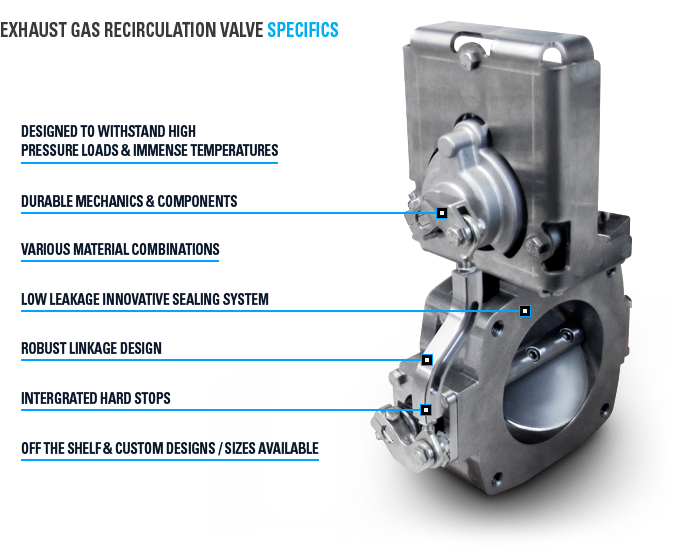
- ✦ Carbon Deposits
Soot buildup can restrict valve movement and reduce proper exhaust flow.
- ✦ Electrical Problems
Electronic valves can fail due to sensor or motor issues.
- ✦ Blocked Passages
Carbon buildup can prevent exhaust gases from reaching the intake system.
How to Diagnose and Maintain an Exhaust Gas Recirculation Valve
Diagnosing an EGR problem requires more than replacing the valve immediately. A technician should check diagnostic trouble codes, sensor readings, vacuum operation, wiring, and physical valve condition.
Proper maintenance depends on the vehicle design. Some EGR valves can be cleaned, while others may need replacement if internal parts fail.

- ✦ Scan Diagnostic Codes
An OBD2 scanner can identify possible EGR-related trouble codes.
- ✦ Inspect Carbon Buildup
Checking for deposits helps determine if cleaning is possible.
- ✦ Follow Service Guidelines
Regular maintenance helps protect emissions system performance.
