
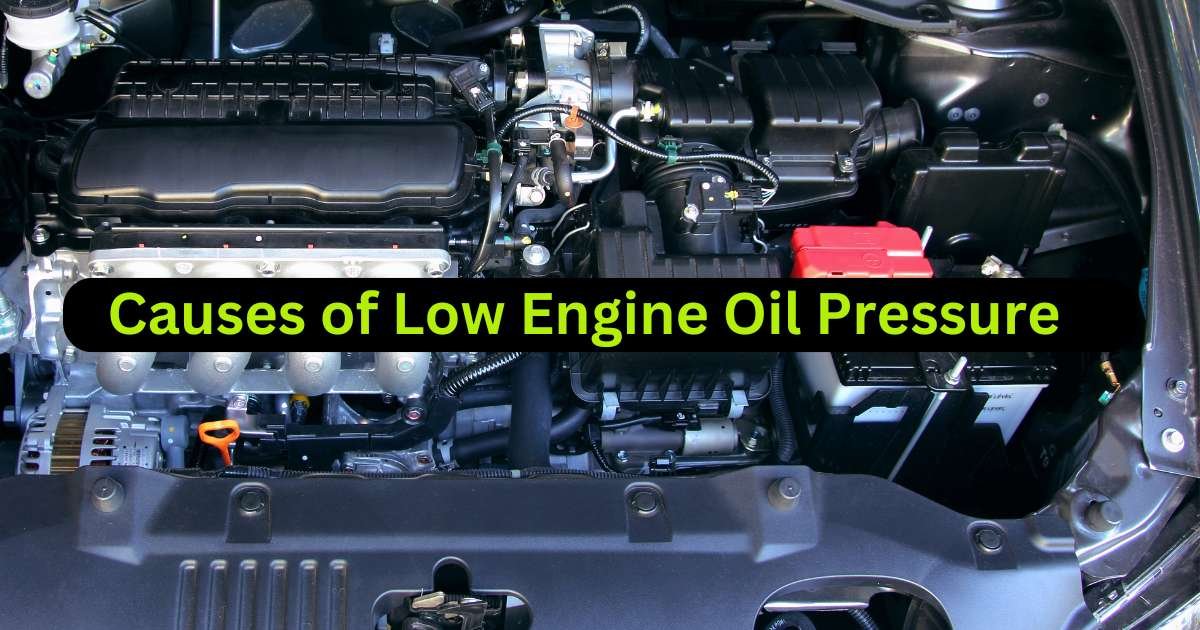
Engine oil pressure keeps vital parts inside your vehicle protected. Every day, millions of drivers in the United States depend on their engines to handle commuting, road trips, and daily work. When oil pressure drops, the engine may not receive enough lubrication.
From professional repair experience, one of the biggest mistakes drivers make is ignoring the oil pressure warning light. A small oil pressure problem can become a major engine repair if the cause is not found quickly. Understanding what causes low engine oil pressure helps you protect your vehicle and avoid costly damage.
 display: block; margin: 0 auto; border-radius: 12px; box-shadow: 0 8px 25px rgba(0, 0, 0, 0.12);”>
How Engine Oil Pressure Works and Why It Matters
Engine oil pressure is the force that moves oil through small passages inside the engine. The oil pump creates this pressure and sends oil to bearings, camshafts, pistons, and other moving parts.
Without enough oil pressure, metal parts can rub together with less protection. This creates heat, friction, and faster wear. Knowing how the lubrication system works makes it easier to understand what causes low engine oil pressure.
- ✦ Oil pump function
The oil pump pulls oil from the oil pan and pushes it through the engine passages.
- ✦ Oil circulation
Pressurized oil creates a protective layer between moving engine components.
- ✦ Engine protection
Correct oil pressure helps reduce heat, friction, and internal damage.
Low Engine Oil Level Is One of the Most Common Causes
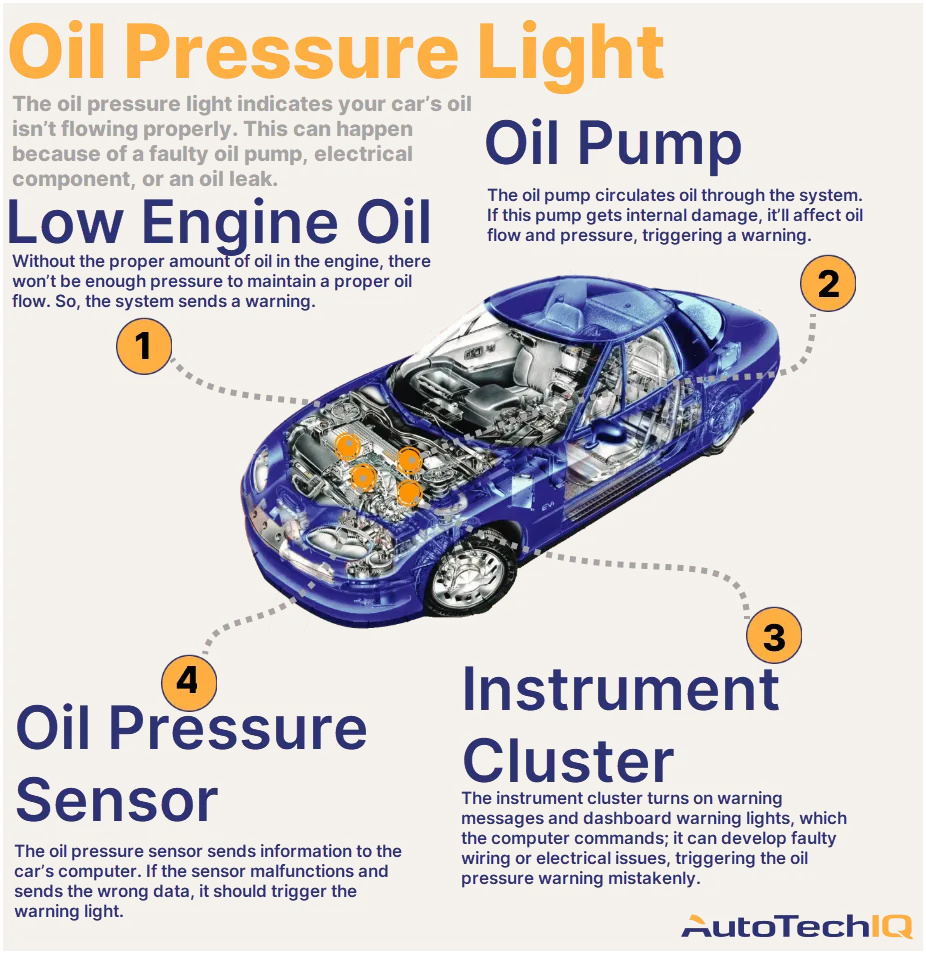
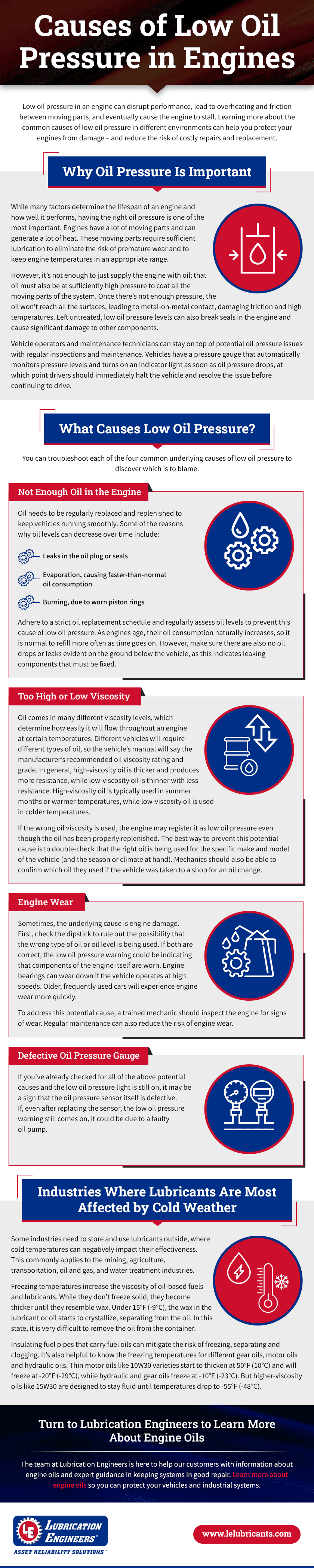
A low oil level is one of the simplest answers to what causes low engine oil pressure. When the oil level drops, the oil pump may not have enough oil to circulate through the engine.
Many vehicles lose oil slowly because of leaks, worn seals, or oil consumption. Drivers may not notice the problem until the oil pressure warning light appears or the engine starts making unusual sounds.
- ✦ Oil leaks
Damaged gaskets, seals, or oil pans can allow oil to escape from the engine.
- ✦ Oil burning
Older engines may burn oil because of worn piston rings or valve seals.
- ✦ Poor maintenance
Skipping regular oil checks can allow oil levels to become dangerously low.
Worn Engine Parts Can Reduce Oil Pressure
As an engine gets older, internal parts can wear down. This wear creates larger gaps between components, allowing oil to escape too quickly instead of maintaining pressure.
Worn bearings are a common reason for low engine oil pressure, especially in high-mileage vehicles. The engine may still run, but the oil pressure can slowly decrease over time.

- ✦ Worn bearings
Damaged bearings create extra space where oil can leak away from the pressure system.
- ✦ Engine wear
High mileage and poor maintenance can increase internal clearance.
- ✦ Reduced protection
Lower pressure means engine parts receive less oil during operation.
How Mileage Affects Oil Pressure
Vehicles with higher mileage often need closer oil monitoring. Regular oil changes and inspections can slow wear and help detect problems early.
A Failing Oil Pump Can Cause Low Engine Oil Pressure
The oil pump is responsible for creating pressure inside the lubrication system. When the pump becomes worn or damaged, it may not move enough oil through the engine.
A failing oil pump can cause low engine oil pressure at idle or while driving. In severe cases, the engine may lose lubrication and suffer major damage.

- ✦ Pump wear
Internal oil pump components can wear and lose their ability to create pressure.
- ✦ Damaged pickup tube
A damaged or blocked pickup tube can prevent oil from reaching the pump.
- ✦ Pressure valve problems
A stuck pressure relief valve can affect normal oil pressure levels.
Wrong Oil Type or Incorrect Oil Viscosity Can Lower Pressure
Engine oil must have the correct thickness, also called viscosity, for your vehicle. Using oil that is too thin or too thick can affect how the lubrication system works.
Modern engines are designed around specific oil grades. Always follow the owner’s manual recommendations when choosing motor oil.
- ✦ Wrong viscosity
Oil that is too thin may not create enough pressure in some engines.
- ✦ Temperature effects
Cold weather can change oil flow behavior, especially with incorrect oil types.
- ✦ Incorrect replacement oil
Using the wrong oil after maintenance can create pressure problems.
Clogged Oil Filter or Blocked Oil Passages Can Restrict Flow
A dirty oil filter can limit oil movement through the engine. When oil cannot flow freely, the lubrication system may struggle to maintain normal pressure.
Oil passages can also become restricted by sludge caused by poor maintenance or old oil. These blockages reduce the amount of oil reaching important engine parts.

- ✦ Dirty oil filter
A clogged filter can reduce proper oil circulation.
- ✦ Engine sludge
Old oil can create deposits that block internal oil pathways.
- ✦ Poor service history
Skipped oil changes increase the chance of lubrication problems.
Symptoms That Show Your Engine Has Low Oil Pressure
Recognizing symptoms early can prevent serious engine damage. Low oil pressure often gives warning signs before complete failure happens.
Drivers should never ignore unusual engine sounds or dashboard warnings. Quick inspection can help identify what causes low engine oil pressure before repairs become expensive.
- ✦ Oil pressure warning light
A dashboard warning light may appear when oil pressure falls below a safe level.
- ✦ Engine knocking sounds
Poor lubrication can cause metal components to create unusual noises.
- ✦ Higher engine temperature
Less oil circulation can increase heat inside the engine.
- ✦ Poor engine performance
Severe lubrication problems may affect smooth engine operation.
How Mechanics Diagnose Low Engine Oil Pressure
Finding what causes low engine oil pressure requires proper testing. Mechanics usually start with checking oil level, oil condition, and warning signs.
A professional diagnosis helps avoid replacing unnecessary parts. The goal is to find the actual cause before making repairs.
- ✦ Check oil level
The first step is confirming the engine has enough clean oil.
- ✦ Use a mechanical gauge
A pressure gauge can confirm whether the engine truly has low pressure.
- ✦ Inspect internal parts
Further testing may reveal pump problems, leaks, or worn components.
