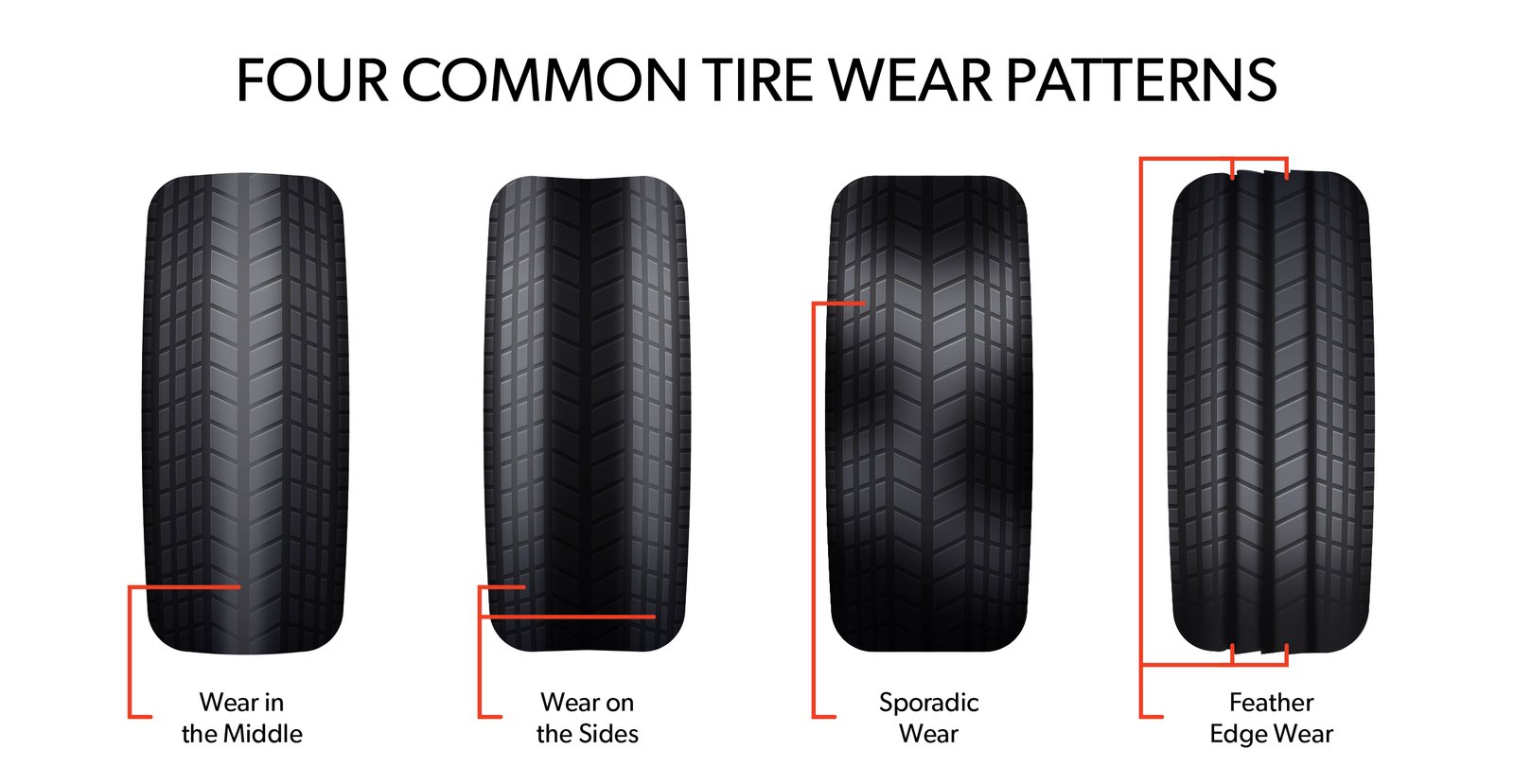
Poor alignment, bad inflation, worn suspension, and rough driving habits cause uneven tire wear.
I’ve spent years working on cars and studying tire patterns, so I know what causes uneven tire wear and how to fix it. This guide breaks down each cause, shows how to read wear patterns, and gives clear steps to prevent future problems. Read on to learn practical tips you can use today to extend tire life, save money, and stay safe on the road.
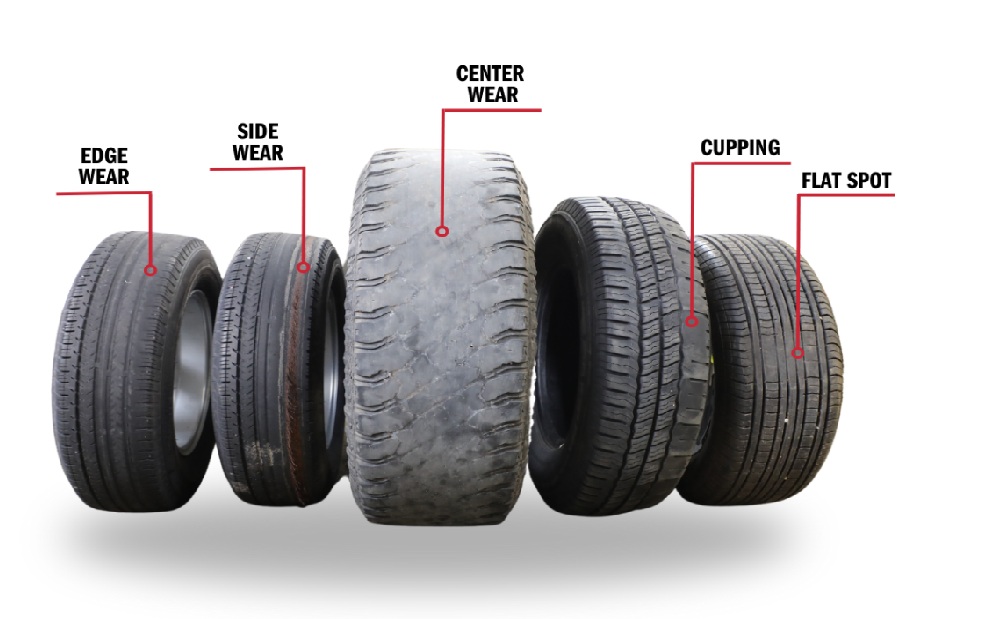
Why uneven tire wear matters
Tires are your car’s only contact with the road. Uneven wear cuts traction and raises the risk of blowouts. It also means higher fuel use and more frequent tire purchases.
Knowing what causes uneven tire wear helps you catch small issues early. Fixing the root cause saves money and makes driving safer.
Signs are often subtle at first. A quick monthly check can spot problems before they get expensive.
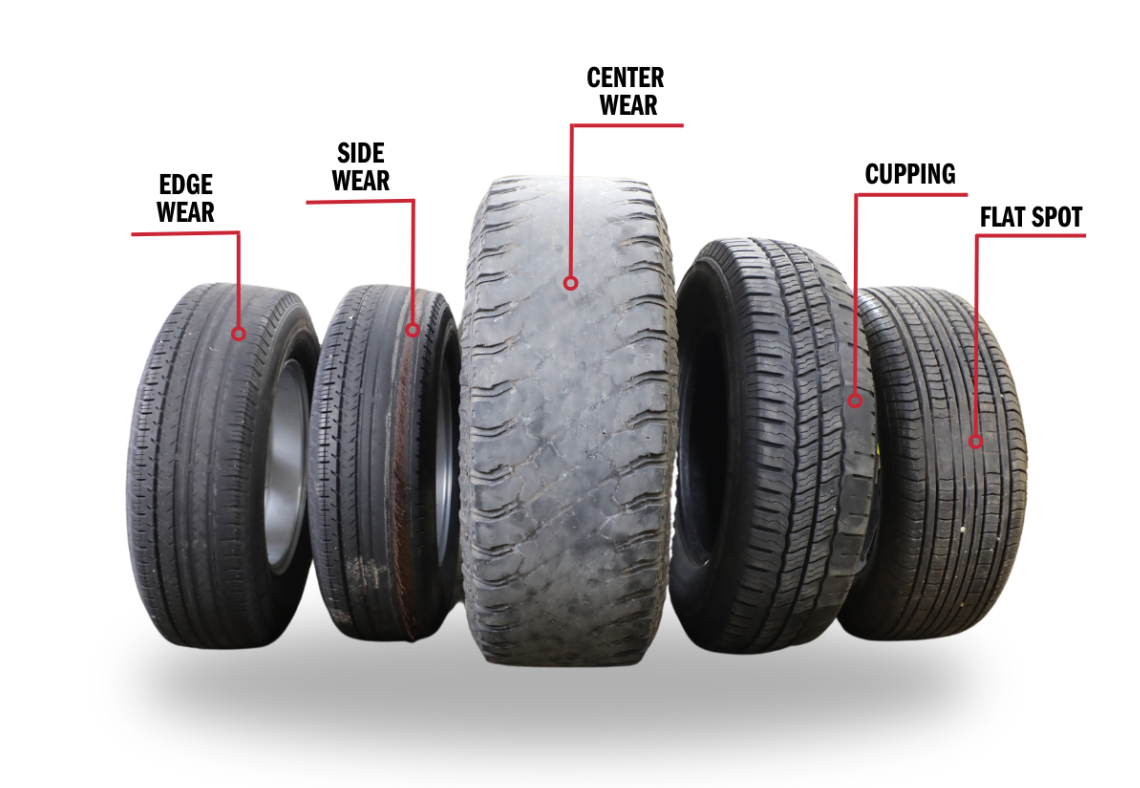
Common causes of uneven tire wear
Below are the main reasons what causes uneven tire wear. Each cause creates a distinct pattern. Learn the signs to diagnose the issue fast.
-
Wheel alignment errors
- Toe, camber, and caster out of spec shift load and rub the tire edge.
- Misalignment causes one-sided or feathered wear.
-
Incorrect tire pressure
- Overinflation wears the center of the tread.
- Underinflation wears the outer shoulders and increases sidewall flex.
-
Worn or damaged suspension parts
- Bad shocks, struts, or bushings let the tire hop or drag.
- This leads to cupping or scalloped wear.
-
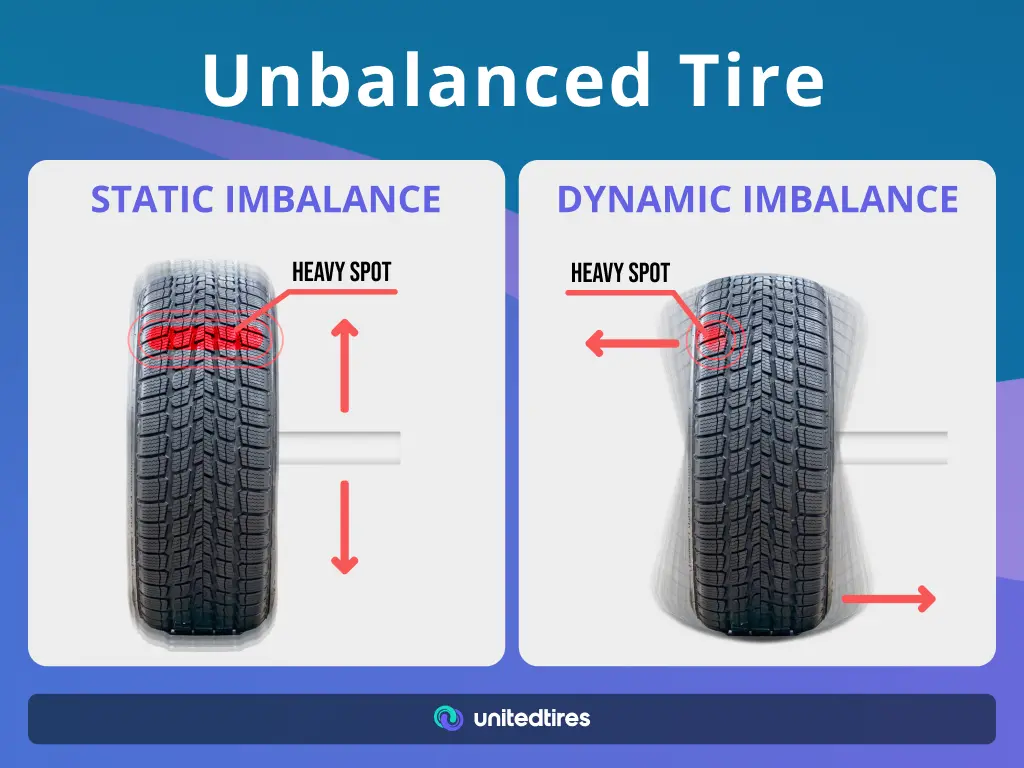
Unbalanced wheels
- Weight imbalance causes vibration.
- Vibrations create spotty cupping across the tread.
-
Driving habits and load
- Hard cornering and carrying heavy loads speed shoulder wear.
- Rough roads and potholes can cut or bruise tires.
-
Improper tire rotation
- Not rotating tires keeps heavier-wear positions fixed.
- This accelerates uneven tread loss on certain wheels.
-
Wheel bearing or hub issues
- Bad bearings change wheel angle under load.
- This creates one-sided wear or rapid shoulder wear.
Understanding what causes uneven tire wear helps you target the fix. Many problems start small and grow quickly if unchecked.
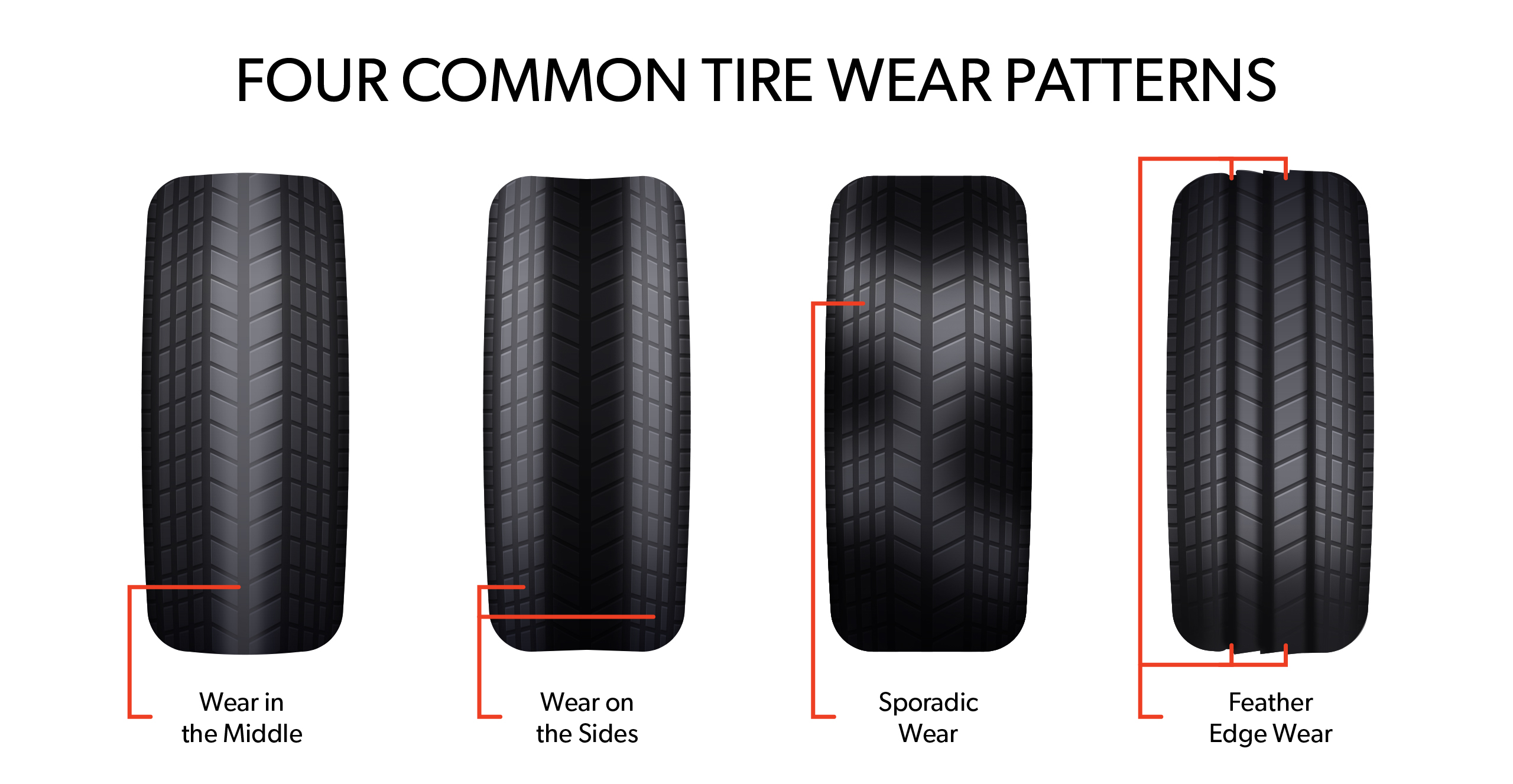
Types of uneven tire wear and what they mean
Reading patterns is like speaking tire language. Here are common patterns and what they usually mean.
-
Center wear
- More wear in the middle of the tread.
- Typically caused by overinflation.
-
Edge or shoulder wear
- Both outer edges wear faster than center.
- Caused by underinflation or low cornering pressure.
-
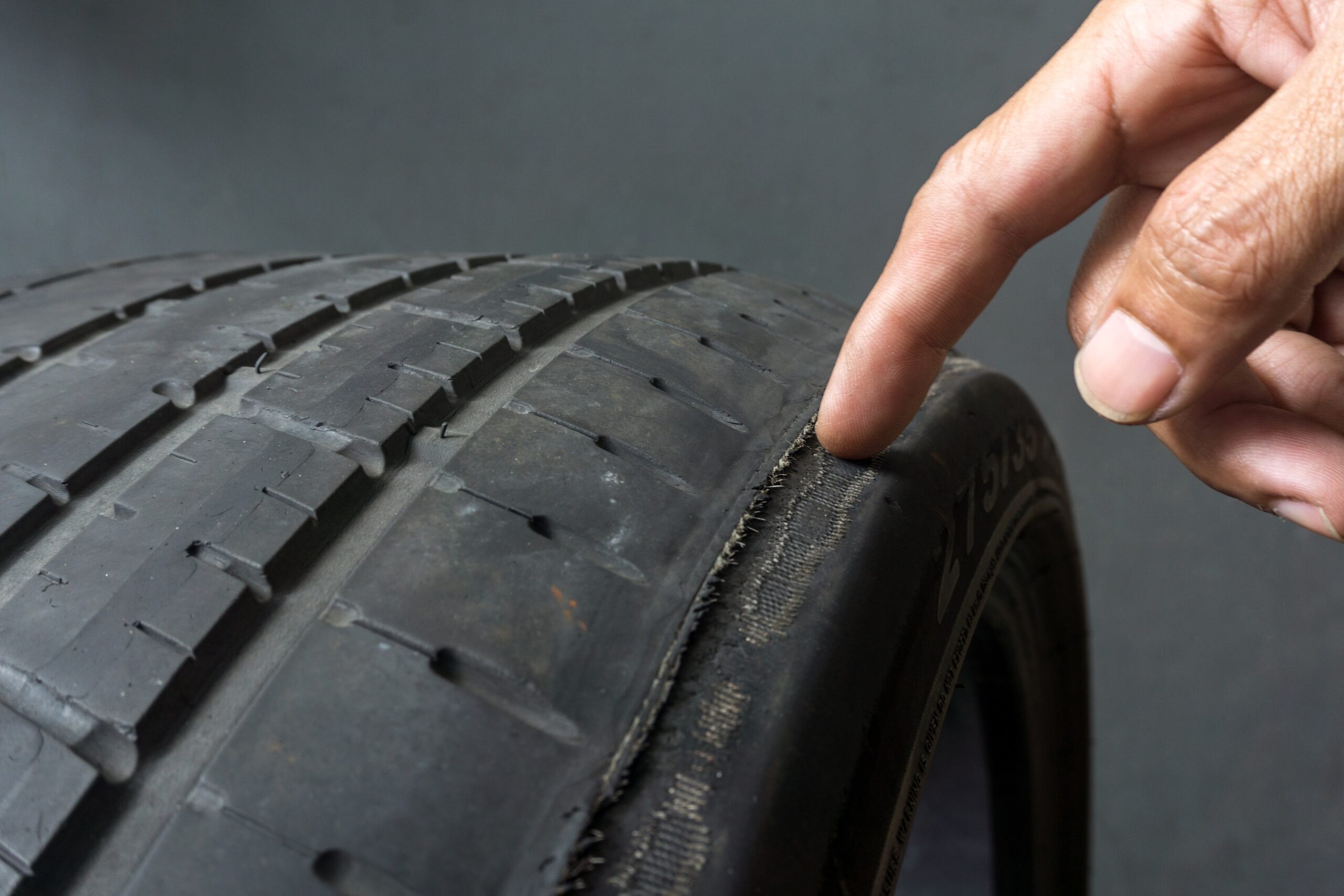
One-sided wear
- One edge of the tire shows much more wear.
- Usually indicates misalignment or bent components.
-
Cupping or scalloping
- Irregular high and low spots across the tread.
- Often due to worn shocks or poor balance.
-
Feathering
- Tread ribs show sharp outer edges and smooth inner edges.
- Caused by toe misalignment or worn suspension parts.
Knowing what causes uneven tire wear makes troubleshooting quicker. Match the pattern to the likely cause and inspect the related parts.
How to diagnose uneven tire wear
A simple, step-by-step check can find the cause. Do this once a month or after hitting a big pothole.
-
Visual inspection
- Look for center, shoulder, cupping, or one-sided wear.
- Write down what you see and where it is.
-
Check tire pressure
- Use a good gauge. Measure cold tires.
- Inflate to the vehicle maker’s spec.
-
Measure tread depth
- Use a tread gauge or a penny test.
- Compare depth across the tread and between tires.
-
Check alignment and balance
- Notice steering pull or vibration at speed.
- If present, have alignment and balance checked.
-
Inspect suspension and steering
- Look for leaking shocks, torn boots, or loose parts.
- Wiggle the wheels to test play in bearings and joints.
-
Rotate tires and recheck
- Swap positions to see if wear pattern moves.
- If the pattern follows the tire, balance or defect may be the issue.
PAA-style question — What causes uneven tire wear quickly?
- Rapid wear often comes from wrong pressure, bad shocks, or alignment issues.
PAA-style question — Can alignment cause uneven tire wear?
- Yes. Misalignment shifts load and creates one-sided or feathered wear.
Source: telletire.com
Prevention and maintenance tips
Consistent care prevents most cases of uneven wear. I learned this after replacing a set of tires sooner than needed due to neglect. Here are reliable steps I now follow.
-
Keep the right tire pressure
- Check monthly and before long trips.
- Use the vehicle placard or owner’s manual number.
-
Rotate tires regularly
- Follow the maker’s schedule, typically every 5,000–7,500 miles.
- Rotation evens out wear and extends life.
-
Get alignment checks
- Check after hitting curbs or potholes.
- Do an alignment every time you replace tires or notice handling changes.
-
Balance wheels when needed
- Balancing prevents cupping and vibration.
- Do it when you install new tires or if vibration occurs.
-
Replace worn suspension parts
- Shock and strut wear shows as cupping.
- Fix worn parts before replacing tires.
-
Watch driving habits
- Avoid hard launches, sudden stops, and aggressive cornering.
- Slow down over rough roads.
My tip: make tire checks part of fuel stop routine. A quick glance and a pressure check keep many issues from growing.

When to replace tires and safety considerations
Tires wear down to unsafe levels. Know the signs and act early.
-
Tread depth limits
- Replace at 2/32 inch minimum. Many experts recommend 4/32 for wet roads.
- Use a gauge or tread wear indicators on the tire.
-
Visible damage
- Cuts, bulges, or exposed cords mean replace now.
- Sidewall damage is unsafe even if tread seems OK.
-
Uneven wear that affects handling
- If steering pulls or braking is poor, replace affected tires.
- Sometimes one tire can ruin vehicle balance and safety.
-
Age of tire
- Replace tires over 6–10 years regardless of tread.
- Rubber hardens and loses grip over time.
When you replace, consider tire matching for axle pairs to keep handling predictable and safe.

Cost implications and long-term effects
Ignoring what causes uneven tire wear costs money and safety.
-
Direct costs
- More frequent tire replacement and repair bills.
- Wheel alignment and suspension work add expense.
-
Indirect costs
- Lower fuel economy from poor rolling resistance.
- Higher risk of accidents from reduced traction.
-
Long-term effects
- Repeated shocks to suspension shorten component life.
- Poor tire health can reduce resale value of the vehicle.
A small alignment or pressure check costs far less than new tires or handling repairs. Think of prevention as an investment.

Frequently Asked Questions of what causes uneven tire wear
Why do my tires wear more on one side?
One-sided wear usually stems from wheel misalignment or bent suspension parts. Have alignment and the suspension checked.
Can low tire pressure cause uneven wear?
Yes. Low pressure wears the outer shoulders and causes more heat, which speeds wear.
How often should I rotate my tires?
Rotate tires every 5,000–7,500 miles or per your vehicle maker’s schedule. Regular rotation evens wear across all tires.
Will bad shocks cause uneven tire wear?
Worn shocks let tires bounce and can cause cupping or scalloped wear. Replace shocks if cupping appears.
Can alignment fix all types of uneven wear?
Alignment fixes wear caused by angle issues. It won’t fix wear from poor inflation, balance, or internal tire defects.
How do I check for uneven tire wear at home quickly?
Visually inspect tread patterns, use a tread gauge, and check tire pressure cold. Rotate tires and note if wear pattern follows the tire.
Is tire age a factor in uneven wear?
Age affects rubber stiffness and grip but doesn’t directly cause a pattern. Old tires can wear faster and unevenly under stress.
Conclusion
Understanding what causes uneven tire wear helps you spot problems early and act fast. Regular tire pressure checks, rotations, alignment, and prompt suspension repairs are the best defenses. Take one small step this week: inspect your tires and note any odd patterns. If you find anything, schedule a check with a trusted shop or ask a friend who knows cars to help. Share your experiences or questions below and subscribe for more simple, practical car care tips.