
Aerodynamics shape how a car cuts air, affecting speed, fuel use, and stability.
I have spent years testing cars on tracks and in wind tunnels, so I know how car aerodynamics affect performance in real use. This article breaks down the science in plain words, shows the parts that matter, and gives practical tips you can use right away. Expect clear explanations, real-life examples from my work, easy comparisons, and steps you can try on your car.

How car aerodynamics affect performance: the basics
How car aerodynamics affect performance starts with one simple idea: air pushes back. When a car moves, air creates forces that slow it, lift it, or push it to the side. These forces change speed, fuel use, braking, and cornering.
Key terms to know:
- Drag: force that resists forward motion.
- Downforce: force that presses the car into the road.
- Lift: unwanted upward force that reduces grip.
- Drag coefficient (Cd): number that shows how slippery a car is.
How car aerodynamics affect performance is about managing these forces to improve speed, economy, and control.

The main aerodynamic forces and their impact
Understanding the main forces makes the rest simple.
- Drag reduces top speed and raises fuel use. Lower drag means better fuel economy and higher top speed.
- Downforce improves grip. More downforce lets you corner faster and brake later.
- Lift lowers stability. Too much lift can make a car feel light and unsafe at speed.
- Side forces affect crosswind handling and stability.
How car aerodynamics affect performance depends on the balance between drag and downforce. Race cars favor downforce. Road cars favor low drag with safe stability.

How aerodynamics influence fuel economy and top speed
A car fighting less air uses less fuel. Air resistance rises with the square of speed. That means small speed gains need lots more power.
Practical points:
- On highways, aerodynamics often matter more than engine tuning for fuel economy.
- Reducing drag can add several miles per gallon on long trips.
- Lower drag raises top speed without extra power.
How car aerodynamics affect performance at high speed is dramatic; small improvements in Cd give clear savings and better acceleration.
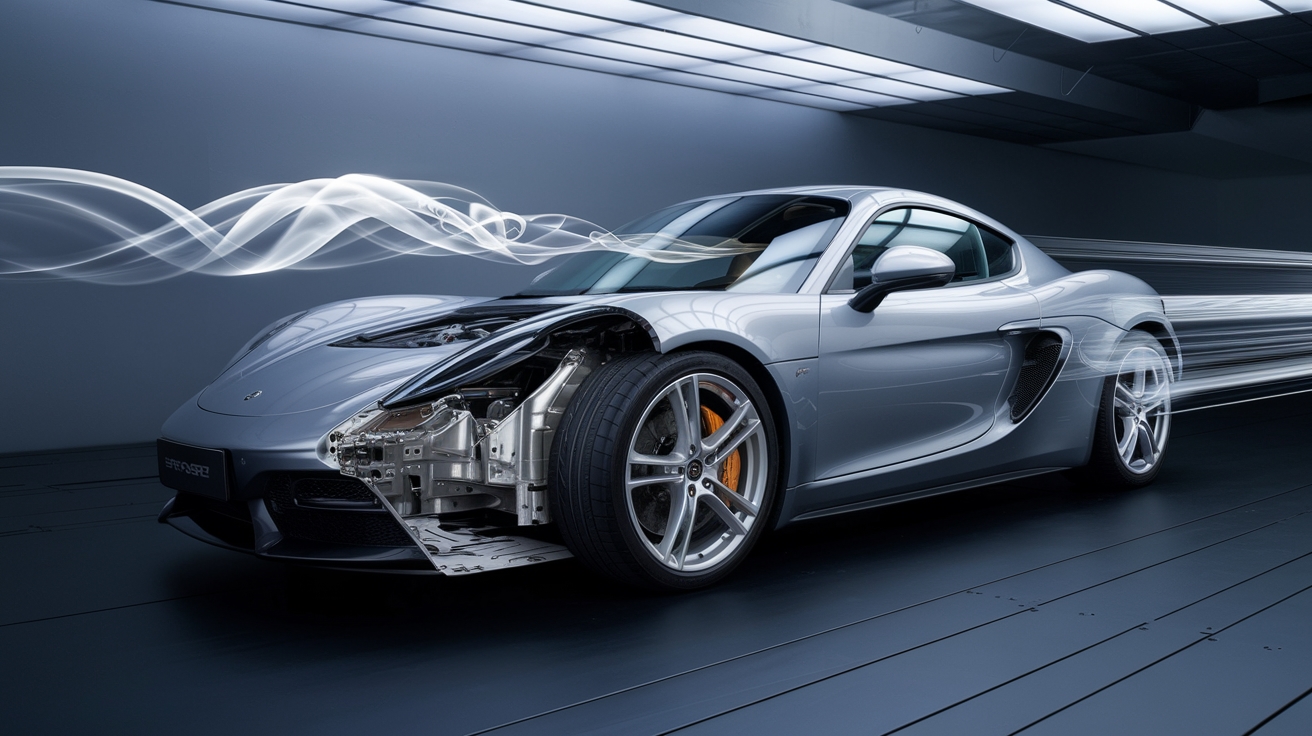
How aerodynamics change handling and braking
Aerodynamics change tire load without touching suspension. That affects grip and driver feel.
Effects to expect:
- More downforce increases corner speed and steering precision.
- Aerodynamic balance front-to-rear changes understeer or oversteer.
- At high speed, stable downforce helps braking and reduces lift under braking.
How car aerodynamics affect performance in corners is often why race teams tune wings and splitters for each track.
Design elements that control airflow
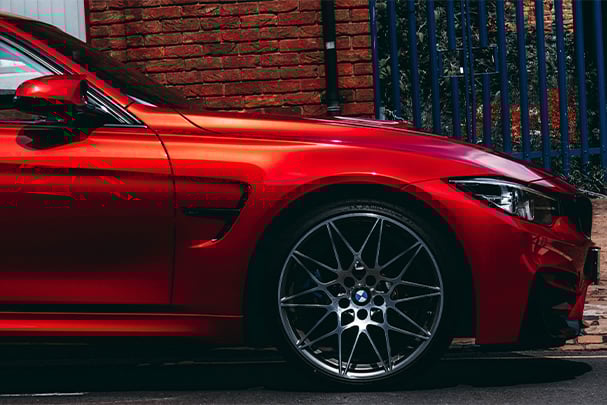
Car designers use many parts to shape airflow. Each part has trade-offs.
Common elements:
- Front splitter: reduces air under the car and raises front downforce.
- Rear wing or spoiler: creates rear downforce and tweaks balance.
- Diffuser: speeds air under the car to lower pressure and add downforce.
- Smooth underbody: reduces drag and prevents turbulent flow.
How car aerodynamics affect performance often comes down to small shape changes, like a lip or vent, that make big differences in real driving.

Testing, measurement, and validation
Engineers test aerodynamics with simple and advanced tools.
Methods used:
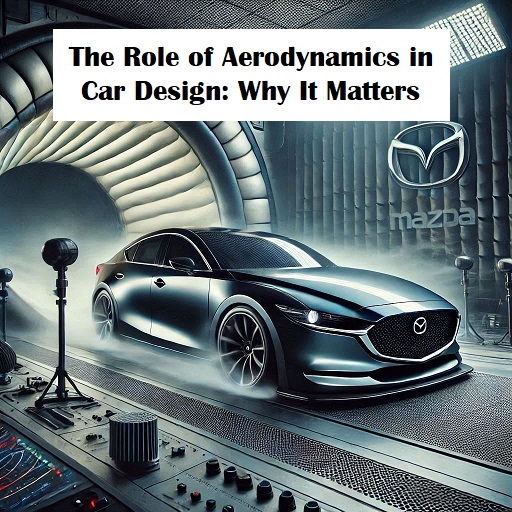
- Wind tunnel tests for controlled data on drag and downforce.
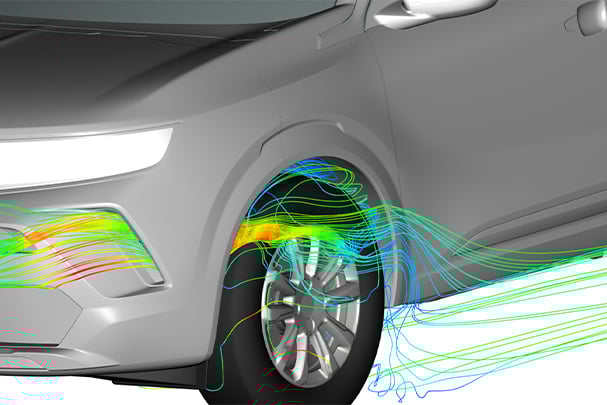
- CFD (computational fluid dynamics) to simulate flows before building parts.
- Road testing with balance meters and pressure taps to verify real-world results.
How car aerodynamics affect performance is validated by these tests, and real testing helps catch issues that models miss.
Practical tips: what you can do for your car
You don’t need a race team to improve things. Small changes help.
Things to try:
- Keep the underbody clean and sealed to reduce drag.
- Remove roof racks when not needed; they add lots of drag.
- Use small spoilers or lips designed for your model to fine-tune balance.
- Check tire pressure and alignment; poor setup hides aerodynamic gains.
How car aerodynamics affect performance in everyday driving is often about simple fixes that reduce wasted energy and improve stability.

Trade-offs, limits, and what to avoid
There is no free lunch. Adding downforce usually raises drag. Some upgrades can hurt fuel economy or ride quality.
Common limits:
- Too much front downforce can cause understeer at slow speeds.
- Big wings add drag and noise on streets.
- Cheap parts can disrupt airflow and make handling worse.
How car aerodynamics affect performance is always a balance. Aim for measured gains and test changes slowly.
Personal experience: lessons from testing and track days
On a recent test, adding a small diffuser and a tuned splitter cut lap times by two seconds on a local track. Fuel use rose slightly, but corner speed improved enough to justify it for the track.
What I learned:
- Measure before you modify. Baseline data lets you see real gains.
- Small changes stack. A low Cd and modest downforce can beat an all-in wing on mixed roads.
- Driver input matters. Even great aero helps only if the driver trusts the car.
How car aerodynamics affect performance showed up clearly in my testing: balanced, tested changes beat flashy parts every time.
Frequently Asked Questions of how car aerodynamics affect performance
How much does aerodynamics affect fuel economy?
Aerodynamics can change highway fuel economy by 5–30%, depending on car shape and speed. The faster you drive, the bigger the effect.
Will adding a spoiler improve my car’s performance?
A properly sized and placed spoiler can improve rear grip and balance. A wrong or cheap spoiler can increase drag and reduce performance.
Does lowering a car always improve aerodynamics?
Lowering can reduce underbody airflow and drag, but it can disturb flow and increase drag if done poorly. Proper tuning is needed.
How do I measure aerodynamic changes at home?
You can measure fuel use over fixed routes, use GPS lap times, and monitor stability in steady crosswinds. For precise data, professional testing is best.
Are wind tunnel results the same as real road results?
Wind tunnel and CFD give controlled data, but real roads add variables like bumps and changing wind. Road testing validates lab results.
Can small changes like wheel covers matter?
Yes. Wheel covers and smooth wheel designs reduce turbulent flow and can lower drag slightly, improving fuel economy at speed.
How long does it take to see benefits from aerodynamic upgrades?
You may see stability and lap-time benefits immediately. Fuel savings may need weeks of mixed driving to show as consistent improvements.
Conclusion
Aerodynamics control how a car meets the air. That affects speed, fuel use, handling, and safety. Simple changes and careful testing often give the best real gains. Start with baseline measurements, focus on balance between drag and downforce, and make small, testable changes. Try one upgrade at a time, track the results, and share what you learn. If you enjoyed this guide, leave a comment with your car model or subscribe for more practical tips and testing notes.