
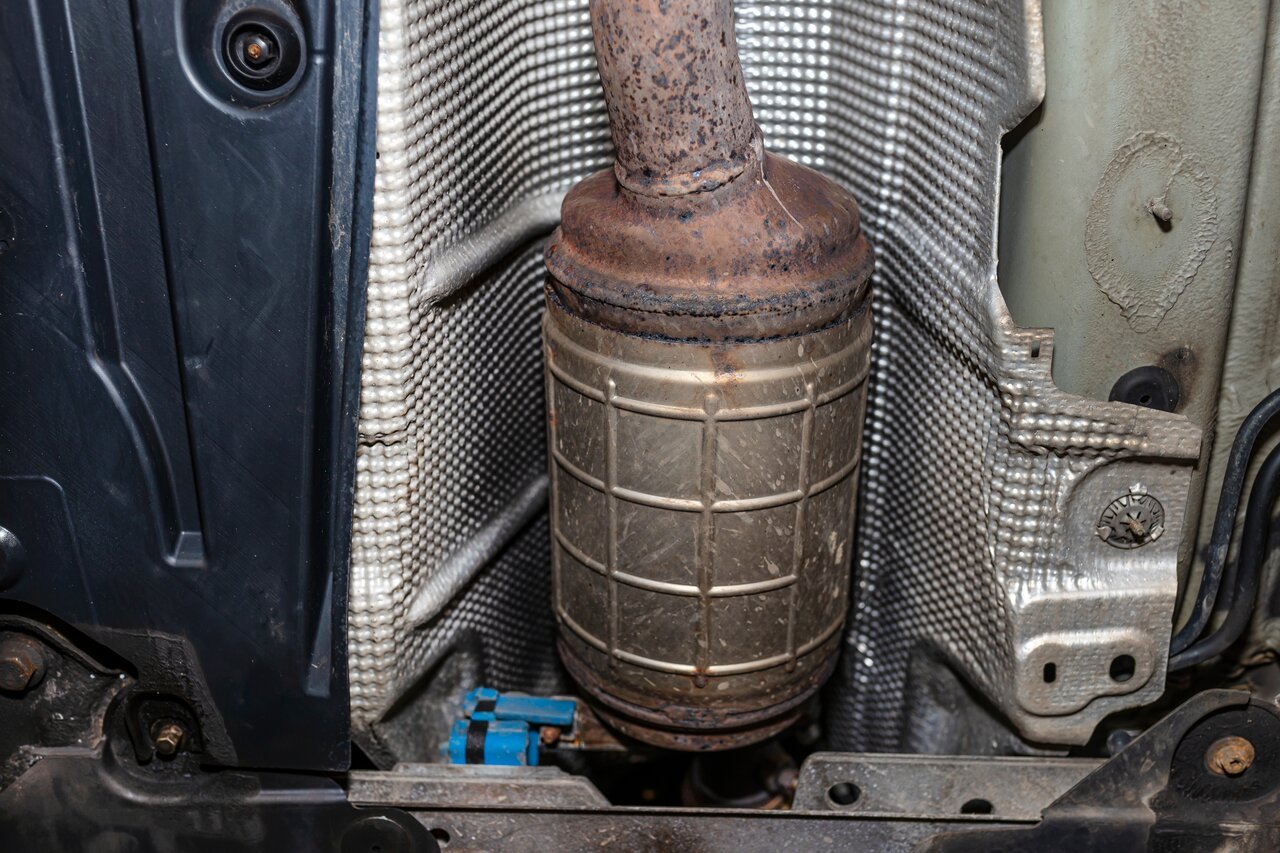
What happens when a diesel particulate filter gets blocked depends on how severe the blockage is. At first, the vehicle may only lose some power or use more fuel. As soot builds up, the exhaust system struggles to release gases, and the engine control system may reduce performance to protect the vehicle.
In the United States, many diesel pickup trucks, commercial vans, and heavy-duty vehicles rely on a diesel particulate filter to reduce harmful emissions. From practical repair experience, most serious DPF problems begin with small warning signs that drivers ignore for too long.

How a Diesel Particulate Filter Works Before It Gets Blocked
A diesel particulate filter is part of the exhaust system. Its main job is to capture soot particles created during diesel combustion. The filter stores these particles until the vehicle can burn them away during a regeneration process.
A healthy DPF allows exhaust gases to pass through while trapping harmful particles. When too much soot or ash collects inside the filter, exhaust pressure rises and the engine begins to struggle.

- ✦ Soot collection
The DPF catches carbon particles from diesel exhaust before they leave the tailpipe.
- ✦ Regeneration process
The vehicle raises exhaust temperature to burn trapped soot into smaller ash particles.
Why Regeneration Is Important
Regeneration keeps the DPF clean by removing built-up soot. During this process, the engine computer adjusts fuel and exhaust conditions to create higher temperatures.
If regeneration fails often, the filter becomes overloaded. This is one of the main reasons drivers ask what happens when a diesel particulate filter gets blocked.
What Happens When a Diesel Particulate Filter Gets Blocked
What happens when a diesel particulate filter gets blocked is a chain reaction that affects the entire vehicle. The blocked filter creates back pressure in the exhaust system, making it harder for the engine to remove burned gases.
The engine computer detects unusual pressure levels and may change how the vehicle operates. Many modern diesel vehicles enter a reduced power mode to prevent damage.

- ✦ Reduced engine power
The vehicle may feel slow because the engine cannot push exhaust gases out efficiently.
- ✦ Higher fuel use
The engine may burn extra fuel while trying to complete regeneration or maintain performance.
- ✦ Limp mode activation
The vehicle may limit speed and power when the blockage reaches a serious level.
Increased Exhaust Back Pressure
A clogged DPF acts like a blocked pipe. The engine must work harder because exhaust gases cannot escape freely.
High exhaust pressure can affect turbocharger operation, engine temperature, and overall reliability.
Common Signs of a Blocked Diesel Particulate Filter
Recognizing the warning signs early can prevent major repair costs. Many drivers first notice small changes before the vehicle shows a major failure.
The symptoms can vary by vehicle brand, diesel engine type, and blockage level. However, several problems appear often across diesel vehicles.

- ✦ DPF warning light
A dashboard warning light may appear when the vehicle detects excessive soot buildup.
- ✦ Poor acceleration
A restricted exhaust system can make the vehicle feel weak during driving.
- ✦ Frequent regeneration attempts
The vehicle may repeatedly try to clean the filter without success.
- ✦ Unusual engine behavior
Drivers may notice rough running, higher temperatures, or reduced efficiency.
Warning Lights and Dashboard Messages
Many diesel vehicles display a DPF warning symbol when soot levels become too high. Ignoring this warning can allow a manageable issue to become a costly repair.
A scan tool can help identify DPF-related fault codes and provide information about soot load and regeneration status.
Main Causes of Diesel Particulate Filter Blockage
A DPF does not usually become blocked overnight. Most failures happen because soot production increases or the vehicle cannot complete normal regeneration.
Driving habits play a major role. Diesel engines that spend most of their time on short city trips often experience more DPF issues.

- ✦ Frequent short trips
Short drives may not allow exhaust temperatures to become high enough for regeneration.
- ✦ Faulty engine components
Problems with fuel injectors, sensors, or the EGR system can increase soot production.
- ✦ Poor maintenance
Old oil, incorrect oil types, and ignored service intervals can contribute to DPF problems.
Failed Regeneration Cycles
A regeneration cycle can fail when the vehicle does not reach the required temperature or when another engine problem interrupts the process.
Repeated failed regenerations slowly fill the filter with soot and may eventually require professional cleaning.
How to Fix a Blocked Diesel Particulate Filter
The correct solution depends on how blocked the DPF is. A lightly loaded filter may recover through a proper regeneration cycle, while a heavily blocked filter may need professional cleaning.
Removing or disabling a DPF is illegal for many road vehicles in the United States because it increases harmful emissions. Proper diagnosis and repair are the safer choices.
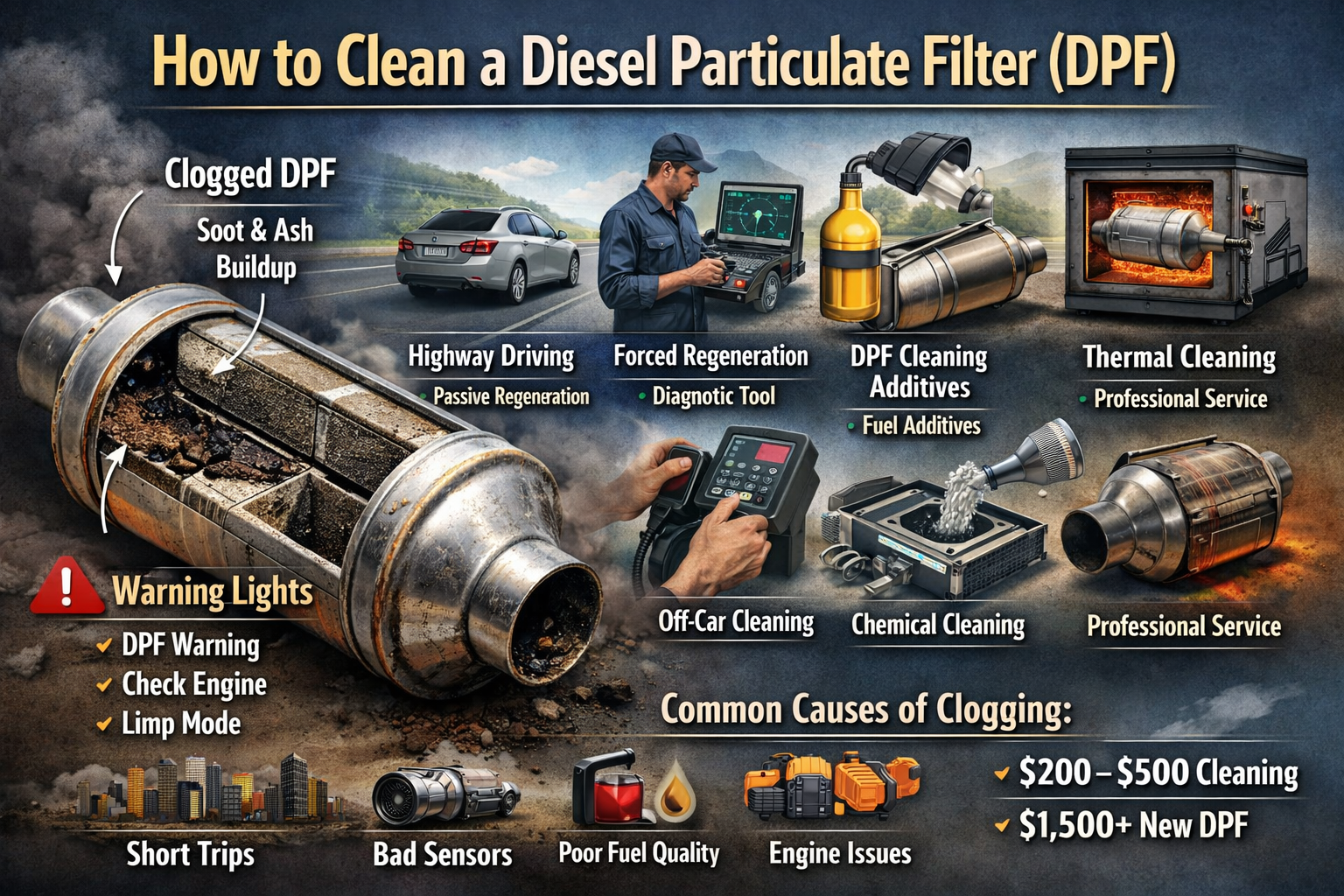
- ✦ Forced regeneration
A repair shop can use diagnostic equipment to start a controlled cleaning process.
- ✦ Professional DPF cleaning
Special cleaning equipment can remove soot and ash when normal regeneration cannot.
- ✦ Component repair
Fixing failed sensors or engine problems prevents the blockage from returning.
When Replacement Is Needed
A DPF may need replacement if the filter material is damaged or filled with ash beyond cleaning limits.
Replacement costs can be high, so regular maintenance and early diagnosis are important.
