
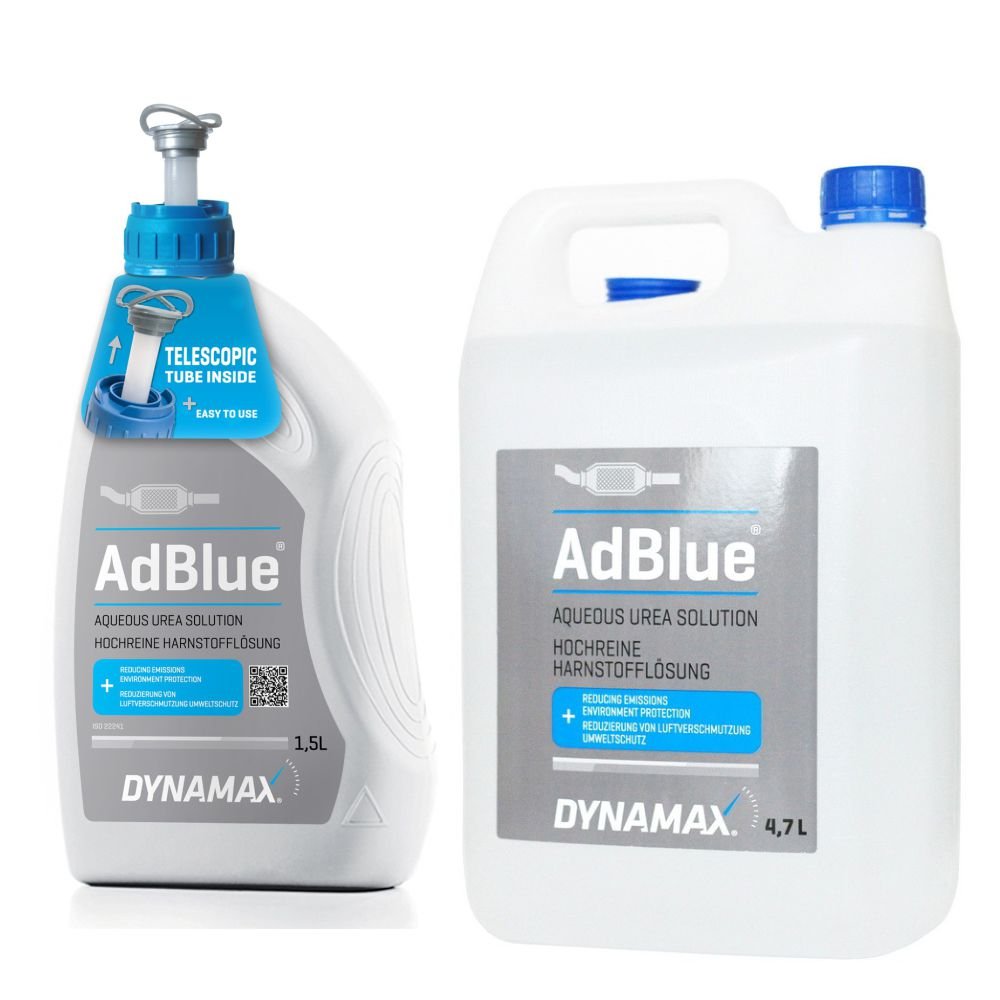
AdBlue or Diesel Exhaust Fluid is a urea-based fluid that lowers diesel exhaust emissions.
Many diesel vehicle owners ask, What Is AdBlue or Diesel Exhaust Fluid, especially after seeing a dashboard warning light. AdBlue is not a fuel additive. It is a separate fluid stored in its own tank and used by the emissions system to clean exhaust gases before they leave the vehicle.
From working with automotive maintenance topics, I have seen that many drivers confuse AdBlue with engine fluids. Understanding how this system works helps prevent expensive repairs and keeps modern diesel vehicles running smoothly. In the United States, many diesel trucks, SUVs, and commercial vehicles use Diesel Exhaust Fluid because of strict emissions rules.

What Is AdBlue or Diesel Exhaust Fluid?
What Is AdBlue or Diesel Exhaust Fluid? It is a clear liquid made from high-purity urea and deionized water. Modern diesel vehicles inject this fluid into the exhaust system to reduce harmful nitrogen oxide gases.
AdBlue is a brand name commonly used in Europe, while Diesel Exhaust Fluid or DEF is the common term used in the United States. Both products perform the same basic function when they meet the required quality standards.

- ✦ Main ingredients
DEF contains about 32.5% urea and 67.5% deionized water. The mixture helps create ammonia during the exhaust treatment process.
- ✦ Not a fuel product
AdBlue does not go into the diesel fuel tank. It has a separate storage tank and filling point.
- ✦ Used for emissions control
The fluid helps diesel engines meet environmental regulations by reducing nitrogen oxide pollution.
Why Is AdBlue Needed in Diesel Vehicles?
Diesel engines create strong power and fuel efficiency, but they can produce nitrogen oxide gases. These gases contribute to air pollution and must be controlled.
AdBlue works with Selective Catalytic Reduction technology to clean exhaust gases before they enter the atmosphere.
- ✦ Lower emissions
The SCR system reduces nitrogen oxide output from diesel exhaust.
How Does Diesel Exhaust Fluid Work?
To understand What Is AdBlue or Diesel Exhaust Fluid, it helps to understand the process inside the exhaust system. DEF is sprayed into hot exhaust gases before they reach the SCR catalyst.
The heat changes urea into ammonia. The ammonia then reacts with nitrogen oxides inside the catalyst and turns them into nitrogen and water vapor.

- ✦ DEF injection
A control system sprays small amounts of fluid into the exhaust based on engine conditions.
- ✦ Chemical reaction
The SCR catalyst uses ammonia from DEF to break down harmful nitrogen oxide gases.
- ✦ Clean exhaust output
The final result is mostly harmless nitrogen and water vapor released from the exhaust.
The Role of the SCR System
The SCR system is the main technology that makes Diesel Exhaust Fluid effective. It includes sensors, an injector, a DEF tank, and a catalyst.
If any part of this system fails, the vehicle may display warning messages or reduce engine power.
- ✦ Important components
The system includes a DEF tank, pump, injector, sensors, and SCR catalyst.
Which Vehicles Use AdBlue or DEF?
Many modern diesel vehicles use AdBlue or Diesel Exhaust Fluid because manufacturers must meet strict emission standards. These systems are common in passenger vehicles, pickup trucks, and commercial fleets.
In the United States, DEF systems are widely used in heavy-duty diesel trucks and many newer diesel-powered vehicles.

- ✦ Passenger diesel vehicles
Some diesel cars and SUVs use DEF systems to reduce emissions.
- ✦ Commercial trucks
Large diesel trucks often use DEF because they operate under heavy loads.
- ✦ Agricultural equipment
Some tractors and machines use SCR technology with Diesel Exhaust Fluid.
How Often Do You Need to Refill AdBlue?
The refill interval depends on the vehicle size, driving style, engine design, and DEF tank capacity. Many drivers refill AdBlue during regular service visits.
Heavy-duty trucks may use more DEF because they travel longer distances and carry heavier loads. Passenger vehicles usually need less frequent refills.

- ✦ Check dashboard warnings
Most vehicles provide alerts when DEF levels become low.
- ✦ Follow manufacturer guidance
The owner’s manual provides the correct refill schedule and fluid requirements.
What Happens When DEF Runs Out?
When Diesel Exhaust Fluid runs out, many vehicles enter a protection mode. Some vehicles limit performance, while others may prevent restarting after the engine is turned off.
Adding the correct DEF usually restores normal operation once the system recognizes the new fluid level.
- ✦ Warning messages
The dashboard may show low DEF warnings before the tank becomes empty.
Common AdBlue and DEF Problems
Although AdBlue systems are reliable, they can develop problems if the wrong fluid is used or if maintenance is ignored. DEF quality and storage conditions matter because contamination can damage system parts.
Drivers searching What Is AdBlue or Diesel Exhaust Fluid often also need to understand common warning signs. Early attention can prevent larger repair bills.
- ✦ DEF crystallization
When DEF dries, it can leave white crystals that may block injectors or system components.
- ✦ Wrong fluid use
Using water or other liquids instead of certified DEF can damage the SCR system.
- ✦ Sensor failures
Faulty sensors can create false warnings or incorrect DEF level readings.
How to Store Diesel Exhaust Fluid Properly
DEF should be stored in a clean container away from direct sunlight and extreme temperatures. Contamination can reduce its effectiveness.
Always use approved containers because DEF purity is important for modern emission systems.
- ✦ Keep it clean
Avoid dirt, fuel, oil, or other chemicals entering the DEF container.
Benefits of Using AdBlue or Diesel Exhaust Fluid
The main benefit of AdBlue or Diesel Exhaust Fluid is cleaner diesel exhaust. It allows diesel engines to maintain strong performance while meeting modern emission requirements.
A properly working DEF system can support fuel efficiency because manufacturers can tune diesel engines for better performance while controlling emissions.
- ✦ Reduced pollution
DEF helps lower nitrogen oxide emissions from diesel engines.
- ✦ Modern diesel technology support
SCR systems allow manufacturers to build cleaner and more efficient diesel vehicles.
- ✦ Regulatory compliance
DEF helps vehicles meet emission standards required in many regions.
