
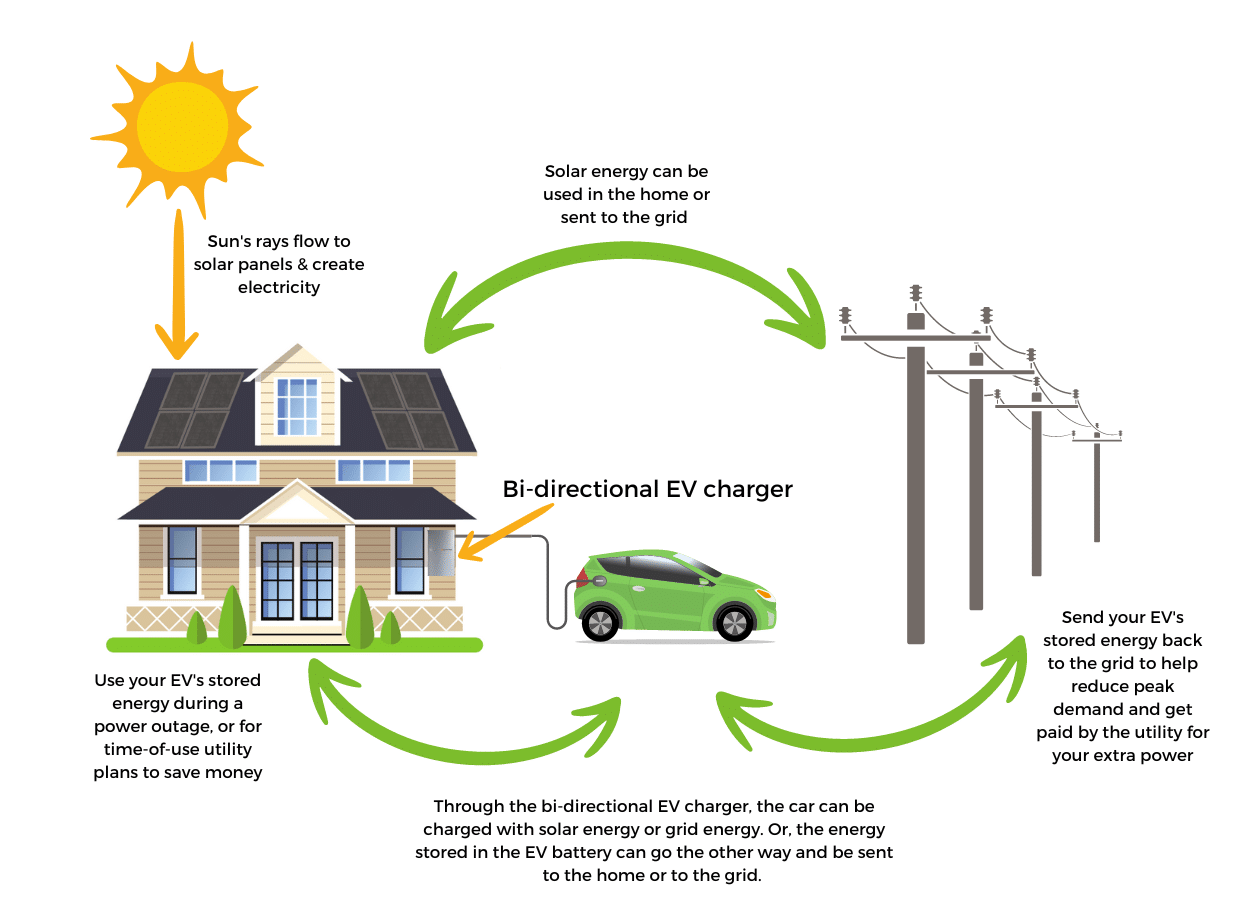
What Is Bidirectional EV Charging is a common question as electric vehicles become more connected to home energy systems. Unlike traditional chargers that only move electricity into a vehicle battery, bidirectional systems allow energy to flow in two directions.
From a consumer perspective in the United States, this technology can turn an EV into a mobile energy storage unit. A parked electric vehicle could help power a home during an outage, support the electrical grid during high demand, or run small devices during outdoor activities.
The idea is simple, but the technology behind it requires smart chargers, compatible EV batteries, and software that manages safe energy movement. As more automakers adopt this feature, bidirectional charging is becoming an important part of the future energy landscape.

How Bidirectional EV Charging Works
Bidirectional EV charging works by allowing electricity to move between the vehicle battery and another power system. A standard charger sends electricity only from the grid to the EV. A bidirectional charger can reverse that flow.
The process uses a special power converter that changes electricity between AC and DC formats. The EV battery stores DC energy, while most homes and electrical grids use AC power. The charger manages this conversion safely.
When energy is needed, the system can pull power from the EV battery and send it to a connected device, home, or grid connection. Smart controls decide when energy should flow and how much power should be used.

- ✦ Energy Storage
The EV battery stores electricity that can later be used for other purposes.
- ✦ Two-Way Power Flow
Electricity can move from the grid to the vehicle and from the vehicle back to another energy source.
- ✦ Smart Energy Control
Software manages charging, discharging, and battery protection.
Why Special Chargers Are Required
A normal Level 1 or Level 2 EV charger cannot send electricity back to a home or grid. Bidirectional charging requires hardware designed for two-way energy movement.
The charger must communicate with the vehicle, electrical system, and energy provider. This helps maintain safety and prevents battery damage.
Types of Bidirectional EV Charging Technology
When people ask what is bidirectional EV charging, they often want to understand the different ways an EV can share energy. These systems have different uses based on where the electricity goes.
The three major types are Vehicle-to-Grid, Vehicle-to-Home, and Vehicle-to-Load. Each option creates a different connection between the EV battery and the outside world.
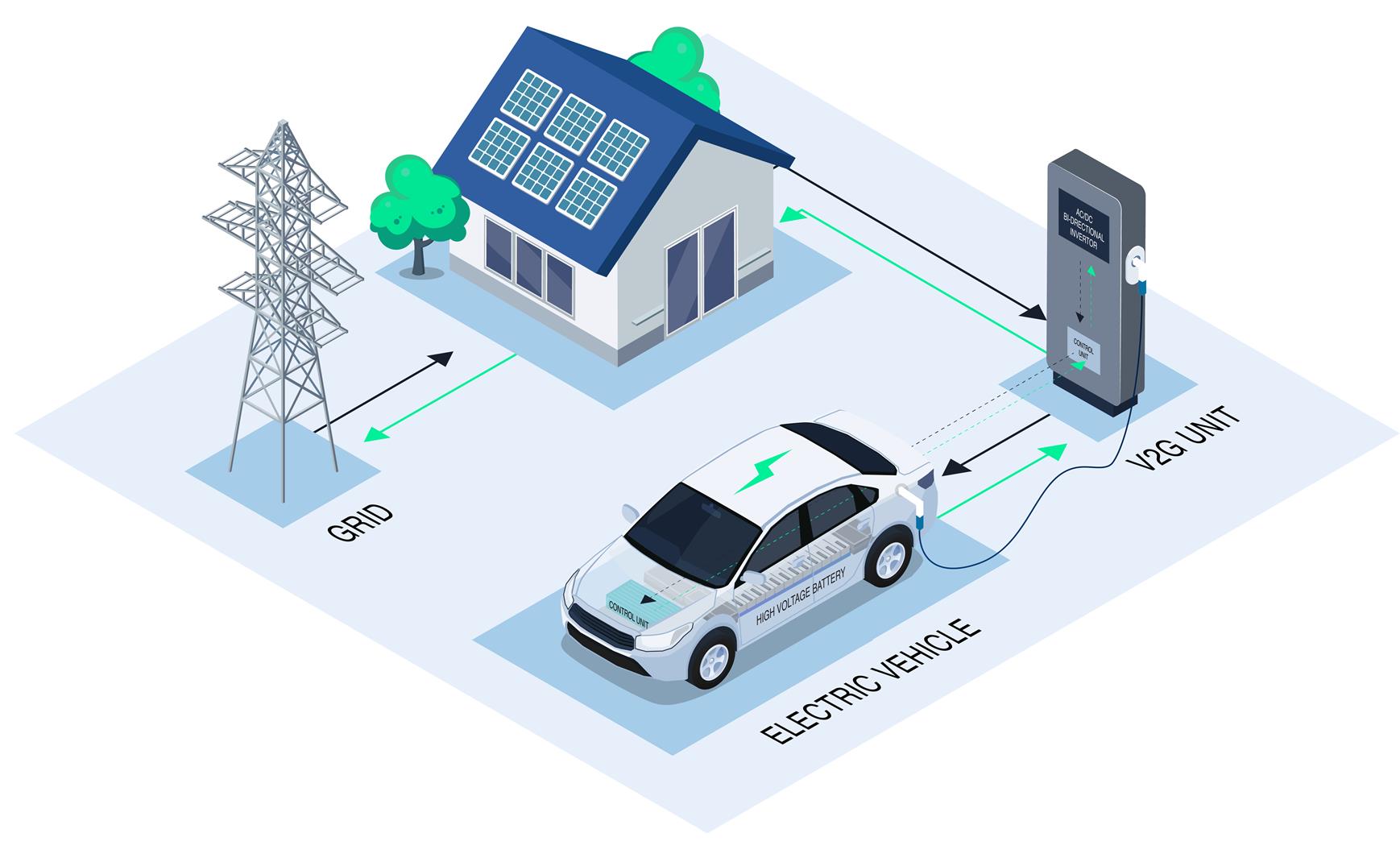
- ✦ Vehicle-to-Grid (V2G)
V2G allows an EV to send electricity back to the public power grid during periods of high demand.
- ✦ Vehicle-to-Home (V2H)
V2H allows an EV battery to provide backup electricity for a home during outages or peak pricing periods.
- ✦ Vehicle-to-Load (V2L)
V2L lets an EV power external devices such as tools, camping equipment, or appliances.
Vehicle-to-Grid Explained
Vehicle-to-Grid systems connect EV batteries with utility networks. When many vehicles participate, they can help balance electricity supply and demand.
For example, parked EVs could provide stored energy during busy evening hours when electricity use is high.
Vehicle-to-Home Explained
Vehicle-to-Home systems are especially useful for homeowners who want extra backup power. An EV can act like a large battery during storms or grid failures.
This can be valuable in areas of the US where extreme weather events create temporary power outages.
Benefits of Bidirectional EV Charging
Bidirectional EV charging offers benefits beyond transportation. It changes an EV from a simple vehicle into a flexible energy resource.
For many US drivers, the biggest advantage is energy independence. An EV with bidirectional capability can provide another layer of protection when electricity is unavailable.

- ✦ Backup Power During Outages
A compatible EV can supply electricity to essential home systems during a power interruption.
- ✦ Better Energy Management
Drivers may store electricity when rates are lower and use stored energy when demand is higher.
- ✦ Support for Renewable Energy
EV batteries can store excess solar energy and release it when renewable generation decreases.
- ✦ More Value From EV Batteries
The battery can serve multiple purposes instead of being used only for driving.
Challenges and Limitations of Bidirectional Charging
Although bidirectional charging has strong potential, it is not available for every electric vehicle. The vehicle, charger, and home electrical system must all support this feature.
The technology also adds complexity. Installation costs, equipment availability, and utility rules can affect how easily homeowners can use bidirectional charging.

- ✦ Limited Vehicle Compatibility
Only certain EV models currently support two-way energy transfer.
- ✦ Higher Equipment Cost
Bidirectional chargers usually cost more than traditional EV chargers.
- ✦ Battery Usage Concerns
Frequent charging and discharging may affect long-term battery performance, depending on usage patterns.
- ✦ Utility Requirements
Some grid-connected applications require approval and specific electrical standards.
Battery Life Considerations
Modern EV batteries are designed for many years of use, but additional energy cycles can increase battery activity. Vehicle manufacturers use battery management systems to reduce unnecessary stress.
Drivers should follow manufacturer recommendations before using their EV as an energy source.
The Future of Bidirectional EV Charging in the United States
The future of what is bidirectional EV charging depends on wider vehicle adoption, improved chargers, and stronger energy partnerships. As EV ownership grows, millions of vehicle batteries could become part of a larger energy network.
Automakers, utilities, and energy companies are exploring ways to use EV batteries as flexible storage systems. This could support renewable energy growth and improve grid reliability.
For everyday drivers, the technology may eventually make EV ownership more valuable by combining transportation, backup power, and energy savings in one system.

- ✦ Smarter Homes
EVs may become connected parts of future home energy systems.
- ✦ Grid Support
Large numbers of EVs could help manage electricity demand.
