
Brake judder is a vibration during braking caused by uneven brake force or damaged brake components.
If you feel your steering wheel shake when slowing down or notice a pulsing brake pedal, you may be experiencing brake judder. This problem is common in many vehicles, including cars driven daily on U.S. highways, city roads, and busy commuter routes.
In my experience studying brake system issues, brake judder is rarely caused by one simple failure. It usually develops from heat, uneven wear, incorrect installation, or small problems that become worse over time. Understanding what is brake judder and what causes it helps drivers avoid expensive repairs and unsafe braking conditions.

What Is Brake Judder and How Does It Feel?
Brake judder is a vibration or shaking sensation that happens when you apply the brakes. The vibration may appear in the brake pedal, steering wheel, or entire vehicle depending on where the problem starts.
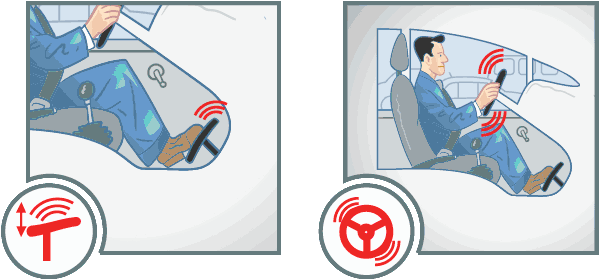
Many drivers describe brake judder as a pulsing brake pedal or a steering wheel that moves back and forth during braking. It often becomes more noticeable at higher speeds or during firm stops.
- ✦ Brake pedal pulsation
The brake pedal may push back against your foot because the brake rotor surface creates uneven contact with the brake pads.
- ✦ Steering wheel vibration
Front brake problems often transfer vibration through the steering system, especially during highway braking.
- ✦ Vehicle shaking
Severe brake judder can create noticeable movement throughout the vehicle body.
Brake Judder vs Normal Brake Noise
Brake judder is different from normal brake sounds. A small amount of brake noise may happen from dust or weather, but repeated vibration usually points to a mechanical issue that needs inspection.
What Causes Brake Judder?
What causes brake judder depends on the condition of the brake system. The most common reason is uneven contact between the brake pads and rotors.
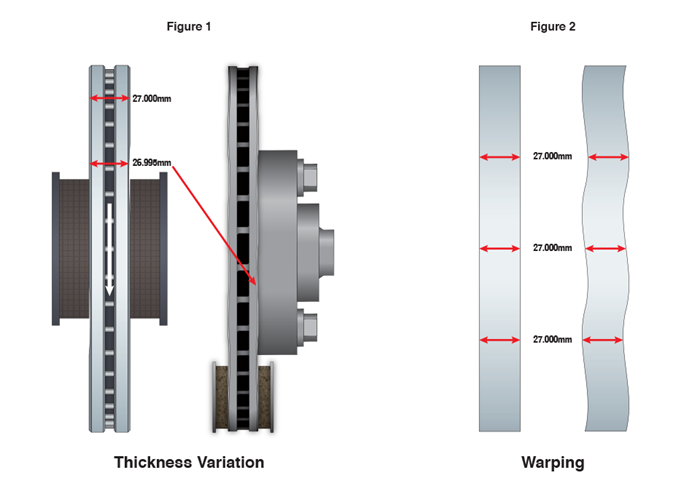
Brake rotors must have a smooth and consistent surface. When the rotor thickness changes from one area to another, braking force becomes uneven and creates vibration.
- ✦ Disc thickness variation
Uneven rotor thickness causes different braking pressure around the disc, leading to vibration.
- ✦ Excessive heat
Repeated hard braking can overheat rotors and create surface changes that lead to judder.
- ✦ Incorrect brake installation
Improper wheel torque or poor fitting can create uneven rotor movement.
Common Mechanical Problems Behind Brake Judder
Brake judder may come from several parts of the braking system. A complete inspection is important because replacing only one part may not solve the real cause.
Professional technicians often check rotors, pads, wheel hubs, calipers, and suspension parts when diagnosing brake vibration.

- ✦ Uneven brake pad deposits
Brake pad material can transfer unevenly onto the rotor surface and create braking differences.
- ✦ Dirty wheel hub surface
Rust or debris between the hub and rotor can prevent proper rotor alignment.
- ✦ Sticking brake caliper
A caliper that does not release correctly can create uneven heat and wear.
Why Rotor Installation Matters
Even new brake rotors can create brake judder if they are installed on an uneven or dirty hub surface. Proper cleaning and correct wheel tightening are key steps during brake service.
How Mechanics Diagnose Brake Judder
Diagnosing brake judder requires more than replacing brake pads. A technician checks the complete brake system to find the source of vibration.
Common tests include measuring rotor thickness, checking rotor runout, inspecting brake pad condition, and examining wheel hub surfaces.

- ✦ Visual inspection
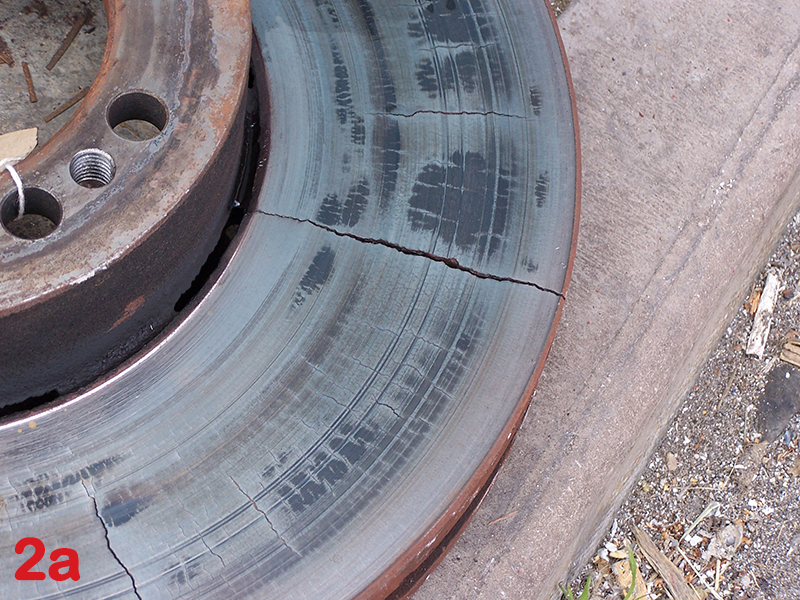
Technicians look for uneven wear, heat marks, cracks, and damaged brake components.
- ✦ Rotor measurement
A micrometer or dial indicator helps identify thickness differences and rotor movement.
- ✦ Road testing
A controlled test drive helps confirm when and how the vibration appears.
How to Fix Brake Judder
The correct repair depends on the cause of the brake judder. Minor surface problems may require cleaning, while damaged rotors or worn parts may need replacement.
A proper repair should address the reason the problem started. Installing new pads on damaged rotors, for example, may only provide a temporary solution.
- ✦ Replace damaged rotors
Rotors with serious thickness variation or damage usually need replacement.
- ✦ Install new brake pads
Worn or uneven pads may need replacement to restore smooth braking.
- ✦ Clean and prepare surfaces
Removing rust and debris from mounting surfaces helps ensure proper alignment.
How to Prevent Brake Judder in Your Vehicle
Preventing brake judder starts with regular maintenance and correct driving habits. Good brake care helps parts wear evenly and reduces heat-related damage.
Drivers in the U.S. who regularly travel through traffic, mountains, or areas with frequent stops should pay close attention to brake performance.

- ✦ Maintain brake components
Inspect pads, rotors, and calipers during routine service.
- ✦ Avoid unnecessary heavy braking
Smooth braking reduces excessive heat buildup.
- ✦ Use quality replacement parts
Reliable brake parts help maintain consistent braking performance.
