When drivers install new brake pads, many think the job ends once the parts are fitted. In reality, new pads need time and proper use before they deliver their best performance. What Is Brake Pad Bedding explains this important step that helps create a strong bond between the brake pad material and rotor surface.
From daily commuting in busy U.S. cities to highway driving across states, properly bedded brakes give drivers smoother stops and more consistent braking feel. In my experience working with automotive maintenance topics, many brake problems after installation come from skipping this simple but important process.

What Is Brake Pad Bedding and How Does It Work?
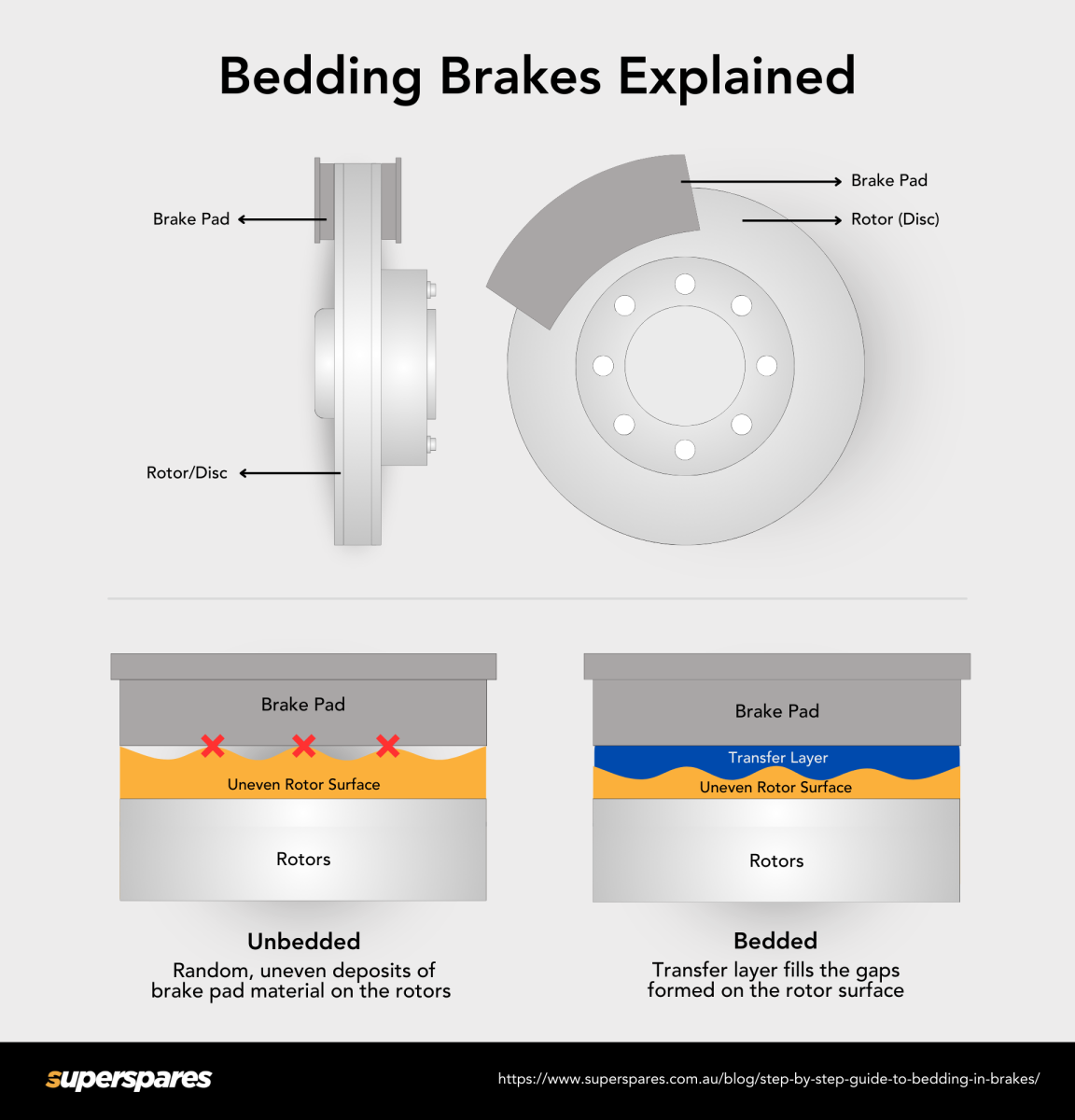
What Is Brake Pad Bedding refers to the controlled process of preparing new brake pads and rotors after installation. During this process, heat builds up gradually and transfers a thin layer of brake pad material onto the rotor.
This transfer layer creates a more even friction surface. Instead of the pad rubbing directly against an uneven metal rotor, both surfaces work together more efficiently. This helps the braking system provide smoother and more predictable stops.
- ✦ Creates an even friction layer
Bedding helps spread brake pad material evenly across the rotor surface.
- ✦ Builds controlled heat
The process slowly increases temperature to prepare brake parts for normal driving conditions.
The Difference Between Breaking In and Bedding Brakes
Breaking in brakes and bedding brakes are often used as the same term, but bedding is more specific. Breaking in simply means using new parts until they settle, while bedding uses a planned process to create the ideal contact surface.
- ✦ Normal driving
Casual driving may eventually wear in brakes but may not create the best friction layer.
Why Is Brake Pad Bedding Important?
New brake pads have surfaces that may not perfectly match the rotor at first. Without proper bedding, only small areas may touch during braking, which can reduce performance and create extra heat.
Learning What Is Brake Pad Bedding helps vehicle owners understand why a few careful stops after installation can protect their investment. Proper bedding also helps reduce common issues like brake noise, vibration, and uneven wear.
- ✦ Better braking response
A properly prepared brake surface provides more consistent stopping power.
- ✦ Lower chance of brake problems
Correct bedding can reduce uneven deposits and overheating issues.
- ✦ Longer brake component life
Even contact helps brake pads and rotors wear more smoothly.
How Bedding Affects Brake Performance
A properly bedded brake system has more predictable friction. This means the driver can apply the brakes and receive a similar response each time, especially during repeated stops.
- ✦ Consistent pedal feel
The brake pedal usually feels smoother when pads and rotors have a proper contact surface.
How To Bed New Brake Pads Correctly
The exact bedding method depends on the brake manufacturer, but the basic idea is the same. Drivers should create controlled heat cycles without overheating the brakes.
A common approach is to perform several medium stops from moderate speeds. The driver should avoid coming to a complete stop with heavy brake pressure during the process because this can create uneven pad deposits.

- ✦ Choose a safe road
Use an open area with enough space and low traffic before starting the process.
- ✦ Make controlled stops
Apply steady brake pressure instead of sudden emergency-style braking.
- ✦ Allow cooling time
Let the brakes cool between repeated stops to avoid excessive heat.
A Simple Brake Bedding Process
Many brake manufacturers recommend a series of gradual stops followed by a cooling period. Always check the instructions included with your brake pads because some materials require specific procedures.
- ✦ Step one
Start with gentle braking to warm the brake components.
- ✦ Step two
Increase braking pressure gradually during several controlled stops.
- ✦ Step three
Drive normally after the brakes cool down.
Common Mistakes When Bedding Brake Pads
Many drivers understand the need for new brakes but miss important details during the bedding process. Small mistakes can affect brake performance and create unnecessary wear.
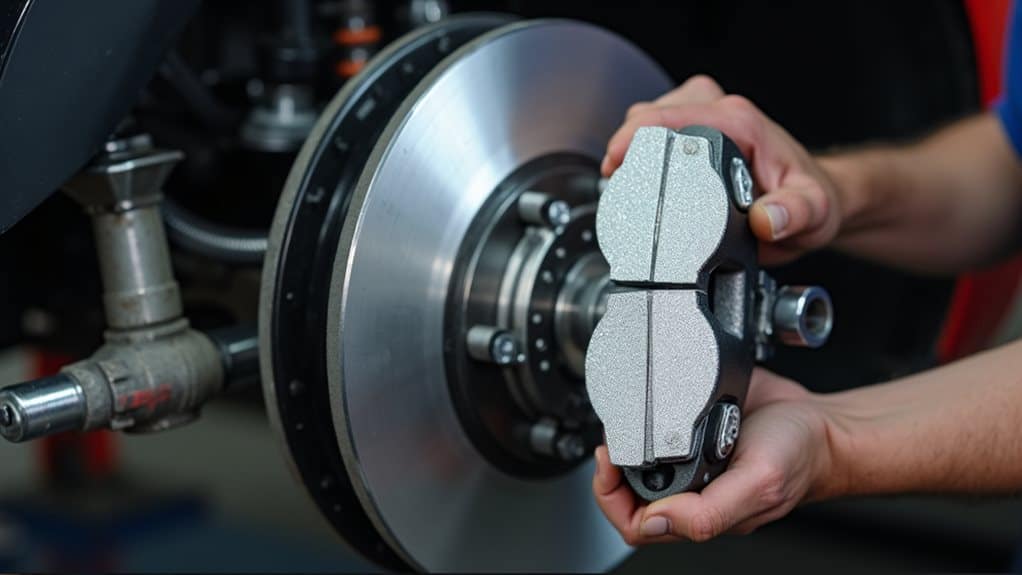
Knowing What Is Brake Pad Bedding also means knowing what not to do. Avoiding these mistakes helps protect both the brake pads and rotors.
- ✦ Hard braking immediately after installation
Aggressive stops before bedding can create uneven heat and deposits.
- ✦ Holding the brake pedal after a hot stop
Keeping pressure on hot brakes can leave uneven pad material on the rotor.
- ✦ Ignoring manufacturer instructions
Different brake compounds may require different bedding procedures.
Signs Your Brake Pads Were Not Properly Bedded
Poor brake bedding can create symptoms that drivers notice during normal use. These issues do not always mean the parts are defective, but they may show that the surfaces did not develop correctly.
Drivers should pay attention to changes in braking behavior after installing new pads.
- ✦ Brake vibration
Uneven deposits on the rotor can create shaking during braking.
- ✦ Brake squealing
Improper contact between surfaces may increase noise.
- ✦ Weak initial braking
New pads may feel less effective until they develop proper contact.
When To Inspect Your Brake System
If problems continue after several normal drives, inspect the brake components. A mechanic can check pad wear, rotor condition, and installation quality.