
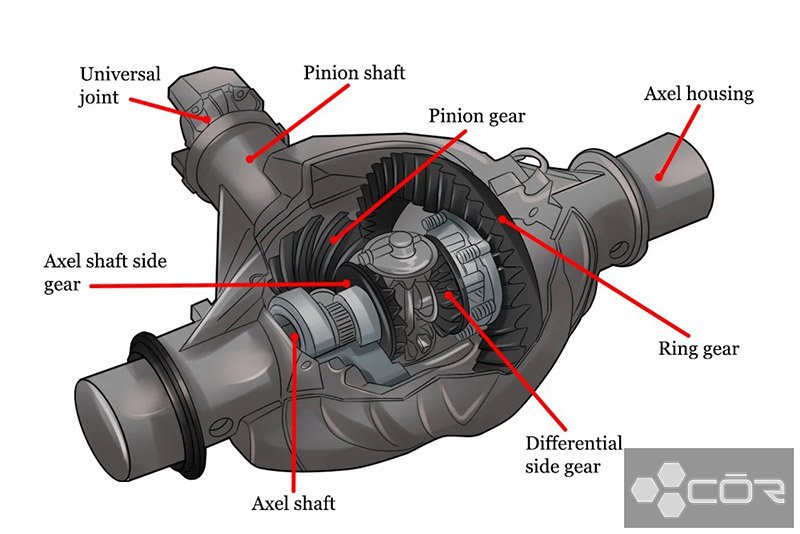
Many drivers know about engine oil and transmission fluid, but fewer think about the fluid inside the differential. The differential is a key part of your drivetrain. It helps your wheels rotate at different speeds when you turn, which keeps your vehicle stable and smooth.
In my experience reviewing vehicle maintenance needs, differential fluid is one of the most overlooked services. A car can feel normal while the fluid slowly loses its ability to protect metal gears. Learning what is differential fluid and when does it need changing can help prevent costly drivetrain repairs, especially for trucks, SUVs, AWD vehicles, and vehicles used for towing.
 display: block; margin: 0 auto; border-radius: 12px; box-shadow: 0 8px 25px rgba(0, 0, 0, 0.12);”>
What Is Differential Fluid and What Does It Do?
Differential fluid is a thick lubricant designed to protect the gears and bearings inside a vehicle’s differential. It is also called gear oil because it works with heavy gear systems that handle high pressure.
The differential transfers power from the engine and transmission to the wheels. Since gears create friction and heat during operation, they need constant lubrication to prevent damage.
Understanding what is differential fluid and when does it need changing starts with knowing its purpose. Clean fluid helps gears move smoothly, reduces heat, and protects expensive drivetrain parts.
- ✦ Reduces friction
Differential fluid creates a protective layer between moving metal parts to reduce wear.
- ✦ Controls heat
The fluid helps carry heat away from gears during normal driving and heavy loads.
- ✦ Protects components
Fresh fluid helps prevent damage to gears, bearings, and other differential parts.
How Differential Fluid Works Inside the Differential
Inside the differential housing, gears constantly contact each other while transferring engine power. Differential fluid coats these parts and helps them operate under pressure.
Unlike engine oil, differential fluid does not mainly clean or cool an engine. Its main job is to protect gear surfaces that experience strong forces during acceleration, towing, and cornering.
Why Does a Vehicle Need Differential Fluid?
A differential allows wheels on the same axle to rotate at different speeds. This is important because the outside wheel travels farther than the inside wheel during a turn.
Without proper lubrication, the gears inside the differential can create excessive heat and friction. Over time, this can damage the drivetrain and reduce vehicle reliability.
For many American drivers, this matters most when using trucks, SUVs, and AWD vehicles for towing, hauling, snow driving, or long road trips.
- ✦ Supports smooth turning
The differential allows different wheel speeds while maintaining traction.
- ✦ Handles heavy loads
Quality fluid helps protect gears during towing and demanding driving conditions.
- ✦ Improves drivetrain life
Regular maintenance reduces stress on expensive mechanical parts.
When Does Differential Fluid Need Changing?
The answer to what is differential fluid and when does it need changing depends on your vehicle type, driving habits, and manufacturer recommendations. There is no single interval that fits every vehicle.
Many manufacturers suggest changing differential fluid somewhere between 30,000 and 60,000 miles. Some vehicles may require service sooner if they tow heavy loads or operate in extreme conditions.
Always check your owner’s manual because differentials can use different fluid types and service schedules.

- ✦ Normal driving
Many vehicles can follow standard service intervals recommended by the manufacturer.
- ✦ Heavy-duty use
Towing, off-road driving, and frequent hauling may require more frequent fluid changes.
- ✦ Older vehicles
Older differentials may need closer inspection because seals and fluids age over time.
Driving Conditions That Shorten Differential Fluid Life
Short trips, extreme temperatures, towing, and frequent stop-and-go driving can increase stress on drivetrain components. These conditions can cause fluid to break down faster.
Drivers who use pickup trucks for work or SUVs for outdoor activities should pay extra attention to differential maintenance.
Signs Your Differential Fluid May Need Changing
Old differential fluid does not always create immediate symptoms. However, several warning signs can appear as lubrication quality decreases.
Knowing these signs can help you schedule service before major damage happens. A simple fluid change is usually much cheaper than repairing damaged gears.

- ✦ Whining or humming sounds
Unusual noises from the differential area may indicate worn fluid or gear problems.
- ✦ Vibrations while driving
Poor lubrication can contribute to drivetrain vibration or rough operation.
- ✦ Burning smell
Overheated or degraded fluid may produce a noticeable burnt odor.
- ✦ Fluid leaks
Leaks around the differential housing can reduce fluid levels and increase damage risk.
How Is Differential Fluid Changed?
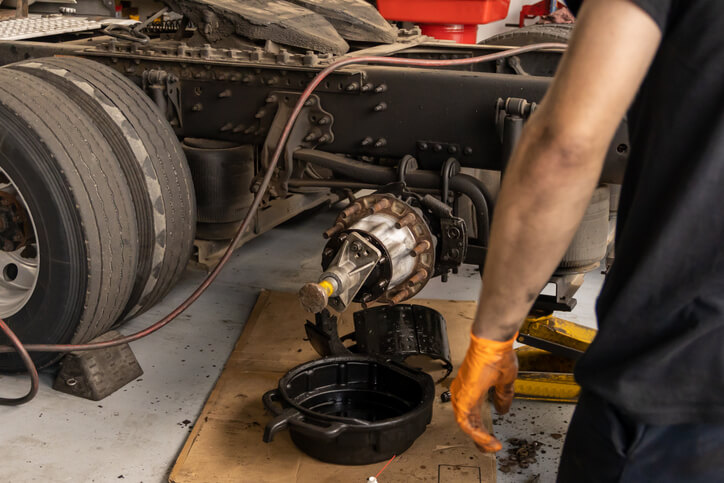
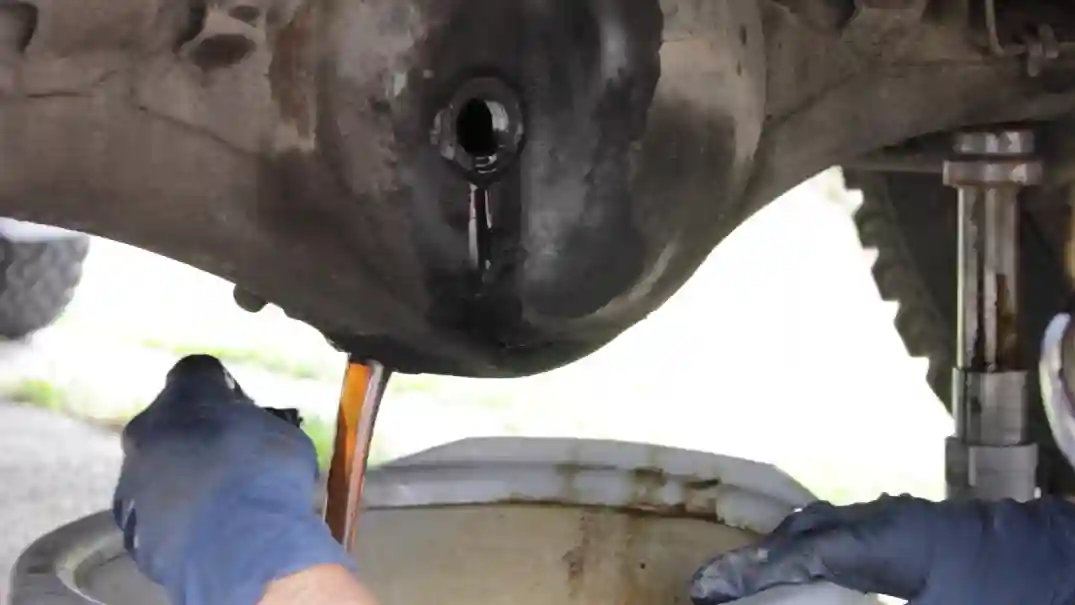
Changing differential fluid involves removing the old lubricant and replacing it with the correct new fluid. The process requires care because using the wrong fluid can affect performance.
A technician usually checks for leaks, removes the old fluid, inspects the differential area, and fills it to the correct level.
Many experienced mechanics recommend checking the fluid condition during regular maintenance visits, especially for trucks and AWD vehicles.

- ✦ Inspection
The technician checks seals, housing condition, and possible leaks before service.
- ✦ Fluid removal
Old contaminated fluid is removed from the differential housing.
- ✦ New fluid installation
The correct gear oil is added according to vehicle specifications.
Can You Change Differential Fluid Yourself?
Some experienced DIY owners can perform a differential fluid change with proper tools and safety equipment. However, access can be difficult on some vehicles.
If you are unsure about the correct fluid type or fill level, professional service can prevent mistakes.
What Happens If You Never Change Differential Fluid?
Skipping differential fluid changes allows contaminants and worn additives to remain inside the system. Over time, the fluid may lose its ability to protect gears.
Severe neglect can lead to increased friction, gear wear, and expensive differential replacement. This is why understanding what is differential fluid and when does it need changing is important for long-term vehicle ownership.

- ✦ Gear damage
Worn fluid can increase metal-to-metal contact and accelerate wear.
- ✦ Higher repair costs
Ignoring maintenance may turn a small service into a major drivetrain repair.
- ✦ Reduced performance
Poor lubrication can affect smooth power delivery.
