
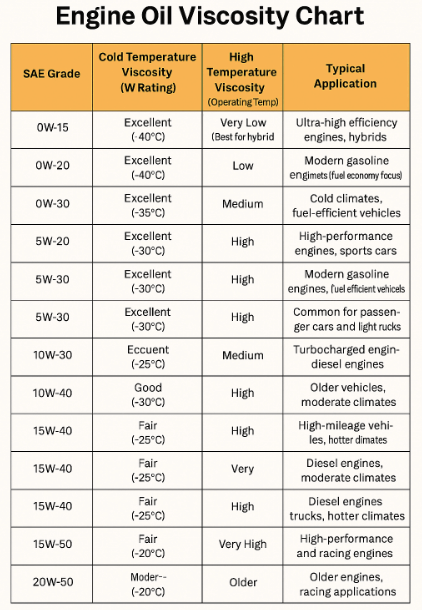
Engine oil viscosity measures how thick or thin oil is and how well it flows through an engine.
What Is Engine Oil Viscosity is one of the most common questions drivers ask when choosing motor oil. The answer is simple: viscosity tells you how easily oil moves when your engine is cold or hot. This affects lubrication, protection, and engine performance.
From my experience studying vehicle maintenance topics, many drivers focus only on oil brands and forget the importance of the correct viscosity grade. A high-quality oil with the wrong viscosity may not protect an engine as well as the manufacturer intended.
For U.S. drivers dealing with cold winters, hot summers, highway trips, and daily traffic, understanding oil viscosity helps prevent costly engine wear. The right oil keeps moving parts protected during startup and under heavy driving conditions.
What Is Engine Oil Viscosity and Why Does It Matter?
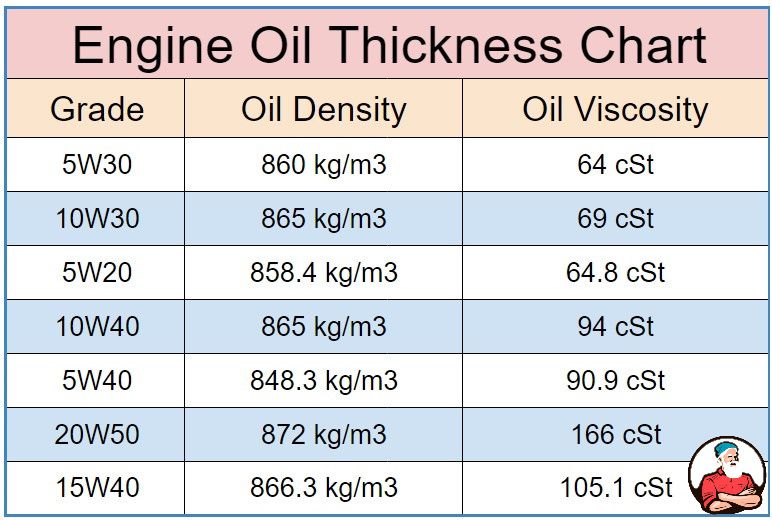
What Is Engine Oil Viscosity refers to the measurement of oil resistance to flow. A low-viscosity oil flows faster, while a high-viscosity oil moves more slowly because it is thicker.
Engine oil must flow quickly when you start your vehicle and remain strong when temperatures rise. If oil flows too slowly during startup, engine parts may experience extra friction before lubrication reaches them.
Viscosity matters because modern engines use small passages and tight tolerances. The oil must reach important parts like bearings, pistons, and camshafts quickly while still creating a protective layer.

- ✦ Cold temperature performance
Lower viscosity oils help engines start faster in cold weather because they flow more easily.
- ✦ High temperature protection
Higher operating temperature stability helps oil protect engine parts during demanding driving.
- ✦ Engine efficiency
The correct viscosity can reduce unnecessary resistance and help maintain fuel efficiency.
How Oil Thickness Affects Engine Protection
Oil that is too thin may fail to maintain a strong protective film between metal surfaces. Oil that is too thick may move slowly and increase resistance.
Vehicle manufacturers select viscosity grades after testing engine design, climate conditions, and performance needs. Following the owner’s manual is the safest approach.
How to Read Engine Oil Viscosity Ratings
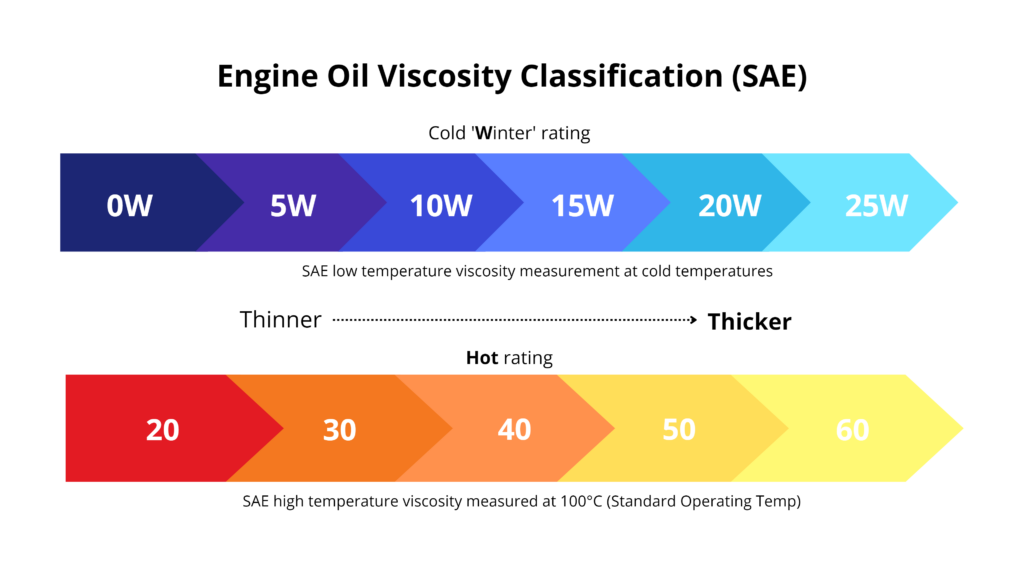
Most engine oils sold in the United States use the SAE viscosity rating system. Labels such as 0W-20, 5W-30, and 10W-40 contain important information about oil performance.
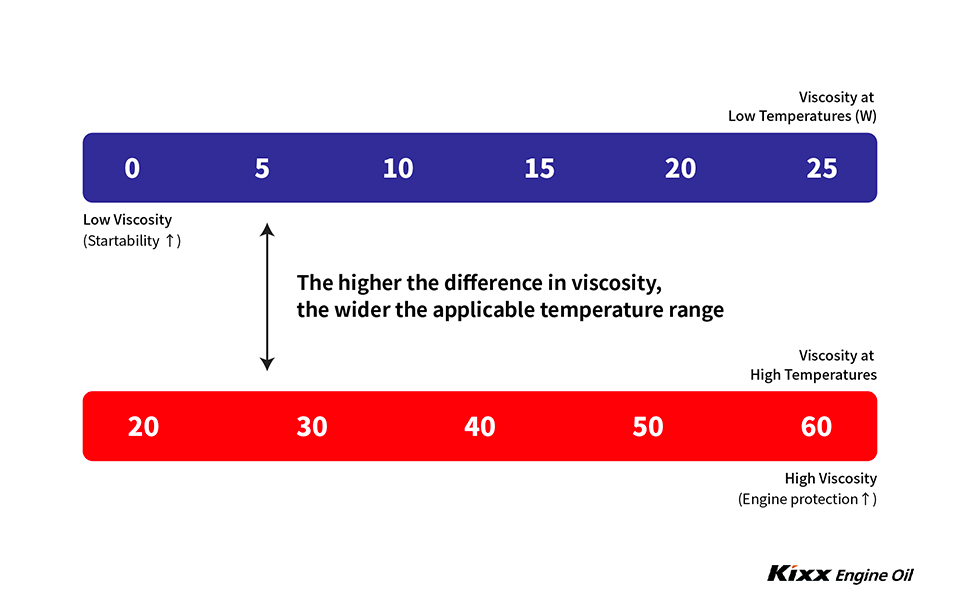
The first number with the letter W means winter performance. It describes how the oil flows during cold temperatures. The second number shows how the oil performs when the engine reaches operating temperature.
Understanding these numbers makes it easier to choose the right oil instead of guessing based on oil thickness alone.

- ✦ The W rating
The W stands for winter, not weight. A lower winter number means better cold-weather flow.
- ✦ The second number
This number represents oil thickness performance when the engine is hot.
- ✦ Multi-grade oil
Modern oils are designed to perform across a wide temperature range.
Example: Understanding 5W-30 Oil
A 5W-30 oil flows well during cold starts and maintains a 30-grade viscosity when the engine reaches normal temperature. Many modern vehicles use this type of oil because it balances protection and efficiency.
However, the best oil is not always the most popular one. The correct choice depends on the engine design and manufacturer recommendation.
Different Types of Engine Oil Viscosity Grades
Engine oil viscosity grades vary because vehicles operate in different conditions. A small passenger car, a heavy truck, and a performance vehicle may require different oil characteristics.
Common viscosity grades include 0W-20, 5W-20, 5W-30, 10W-30, and 10W-40. Each grade provides a different balance between cold flow and high-temperature protection.
Choosing the wrong grade can affect lubrication performance. Always check the owner’s manual before changing oil types.
- ✦ 0W-20 oil
Often used in newer fuel-efficient vehicles because it flows quickly during cold starts.
- ✦ 5W-30 oil
A common multi-grade oil used in many cars, SUVs, and light trucks.
- ✦ 10W-40 oil
A thicker option often used in certain engines that require higher viscosity protection.
Synthetic Oil and Viscosity Stability
Synthetic oils are designed to maintain viscosity more consistently across temperature changes. They often provide better performance in extreme heat and cold.
Synthetic oil does not mean every vehicle needs the same viscosity. The correct grade still depends on manufacturer requirements.
How Temperature Changes Engine Oil Viscosity
Temperature has a major effect on oil behavior. Cold temperatures make oil thicker, while high temperatures make oil thinner.
During winter mornings in places like the northern United States, engine oil needs to flow quickly after startup. During hot summer driving, oil must resist breaking down under heat.
Modern multi-grade oils use special additives that help them perform across a wider temperature range.
- ✦ Cold starts
Oil must move quickly to reduce wear immediately after starting the engine.
- ✦ Hot operation
Oil must maintain enough thickness to protect moving engine components.
Signs You May Be Using the Wrong Engine Oil Viscosity
Using an incorrect viscosity grade may create noticeable changes in engine behavior. While many factors can cause these symptoms, oil choice can play a role.
Drivers should pay attention to unusual engine sounds, poor performance, or changes after an oil change. A mechanic can help identify the real cause.
- ✦ Hard cold starts
Oil that is too thick may slow lubrication during startup.
- ✦ Increased engine noise
Poor lubrication can increase friction between moving parts.
- ✦ Reduced efficiency
Incorrect oil thickness may increase engine resistance.
