
When drivers ask, “What Does 5W-30 Mean on Engine Oil,” they are usually looking at the numbers printed on an oil bottle and trying to understand what they mean for their car. These numbers describe the oil’s viscosity rating, which tells how easily the oil moves at different temperatures.
From my experience explaining vehicle maintenance, many people think 5W-30 is a brand name or quality level. It is actually a measurement created by SAE standards. Understanding this rating helps drivers choose the right oil and avoid unnecessary engine wear.
In the United States, 5W-30 is one of the most common engine oil grades because it works well across many climates. It helps vehicles start during cold winters while still providing protection when engines reach high operating temperatures.

Understanding What Does 5W-30 Mean on Engine Oil
To understand what does 5W-30 mean on engine oil, you need to understand viscosity. Viscosity describes how thick or thin oil is and how easily it flows through an engine.
Engine oil must perform in two very different situations. It needs to flow quickly when you start your vehicle in cold weather, and it must stay strong enough to protect engine parts when temperatures rise.
The 5W-30 rating is called a multi-grade oil because it has been designed to work across a range of temperatures instead of only one condition.
- ✦ 5W Rating
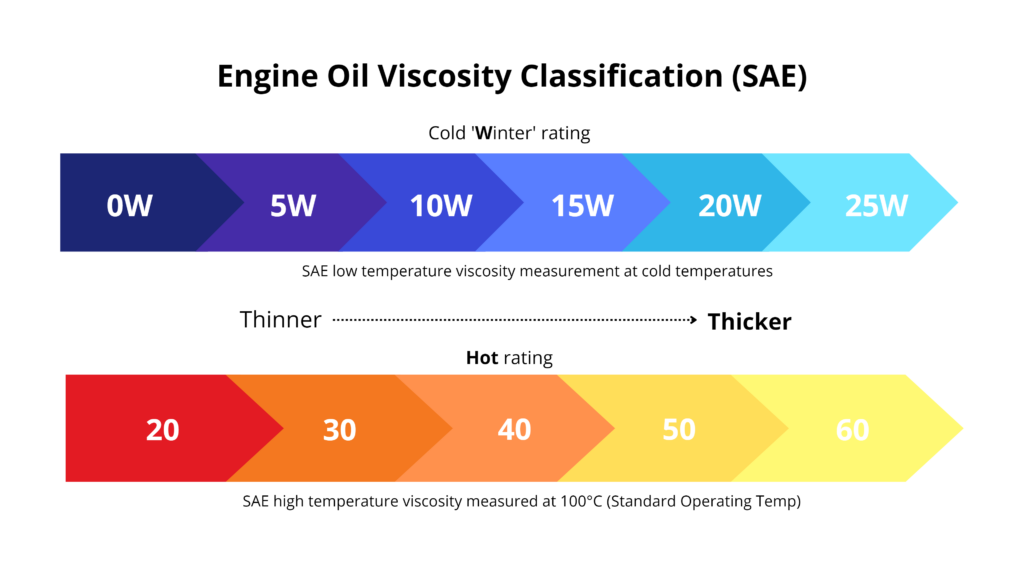
The 5 shows how the oil behaves during cold temperatures. Lower numbers generally mean better cold-weather flow.
- ✦ W Meaning
The letter W stands for winter, not weight. It describes how oil performs during cold starts.
- ✦ 30 Rating
The 30 shows the oil thickness and protection level when the engine reaches operating temperature.
Why Oil Viscosity Matters
Oil viscosity affects how quickly lubricant reaches important engine parts. A proper viscosity rating helps reduce friction between moving components.
If oil is too thick when cold, the engine may work harder during startup. If oil becomes too thin when hot, it may not create enough protective film between parts.
- ✦ Better Engine Protection
The correct oil grade helps maintain a protective layer between metal surfaces.
How the 5W-30 Oil Rating Works in Cold and Hot Conditions
The main reason people search what does 5W-30 mean on engine oil is to understand temperature performance. The two numbers represent two different testing conditions.
During winter or cold mornings, the first number matters most. A 5W oil can move faster than higher winter grades, helping lubricate engine parts sooner after startup.
Once the engine warms up, the second number becomes important. A 30-grade oil keeps a stable thickness that supports engine protection during normal driving.

- ✦ Cold Start Performance
5W-30 helps oil circulate quickly after ignition, especially in cooler weather.
- ✦ Hot Engine Protection
The 30 rating helps maintain proper lubrication when engine temperatures increase.
What Happens During a Cold Start
Most engine wear happens during startup because oil has not fully circulated yet. A lower winter viscosity helps reduce this delay.
Drivers in colder US states often pay close attention to winter oil ratings because temperatures can affect oil movement.
- ✦ Faster Oil Flow
Oil reaches bearings and other engine parts more quickly after starting.
Why Many Vehicles Use 5W-30 Engine Oil
Many manufacturers recommend 5W-30 because it provides a balanced performance profile. It offers good cold flow while maintaining protection during normal engine temperatures.
Modern engines are built with tighter internal spaces than older engines. They often need oils that can move quickly through small passages while protecting precision parts.
For many drivers, using the recommended 5W-30 oil can support smooth operation and consistent engine performance.
- ✦ Fuel Efficiency Support
Proper viscosity can reduce unnecessary resistance inside the engine.
- ✦ Year-Round Use
A multi-grade oil can work across changing seasons.
Synthetic vs Conventional 5W-30 Oil
Both synthetic and conventional oils can come in a 5W-30 grade. The viscosity rating tells thickness behavior, not whether the oil is synthetic.
Synthetic 5W-30 oils are designed with refined base oils and additives that can improve performance in demanding conditions.
- ✦ Synthetic Oil
Often provides stronger performance in extreme temperatures and longer service intervals when approved by the manufacturer.
- ✦ Conventional Oil
Traditional oil option that may work well for vehicles designed for it.
5W-30 Compared With Other Common Engine Oil Grades
Understanding what does 5W-30 mean on engine oil becomes easier when comparing it with other common grades. Different engines require different viscosity levels based on design and operating conditions.
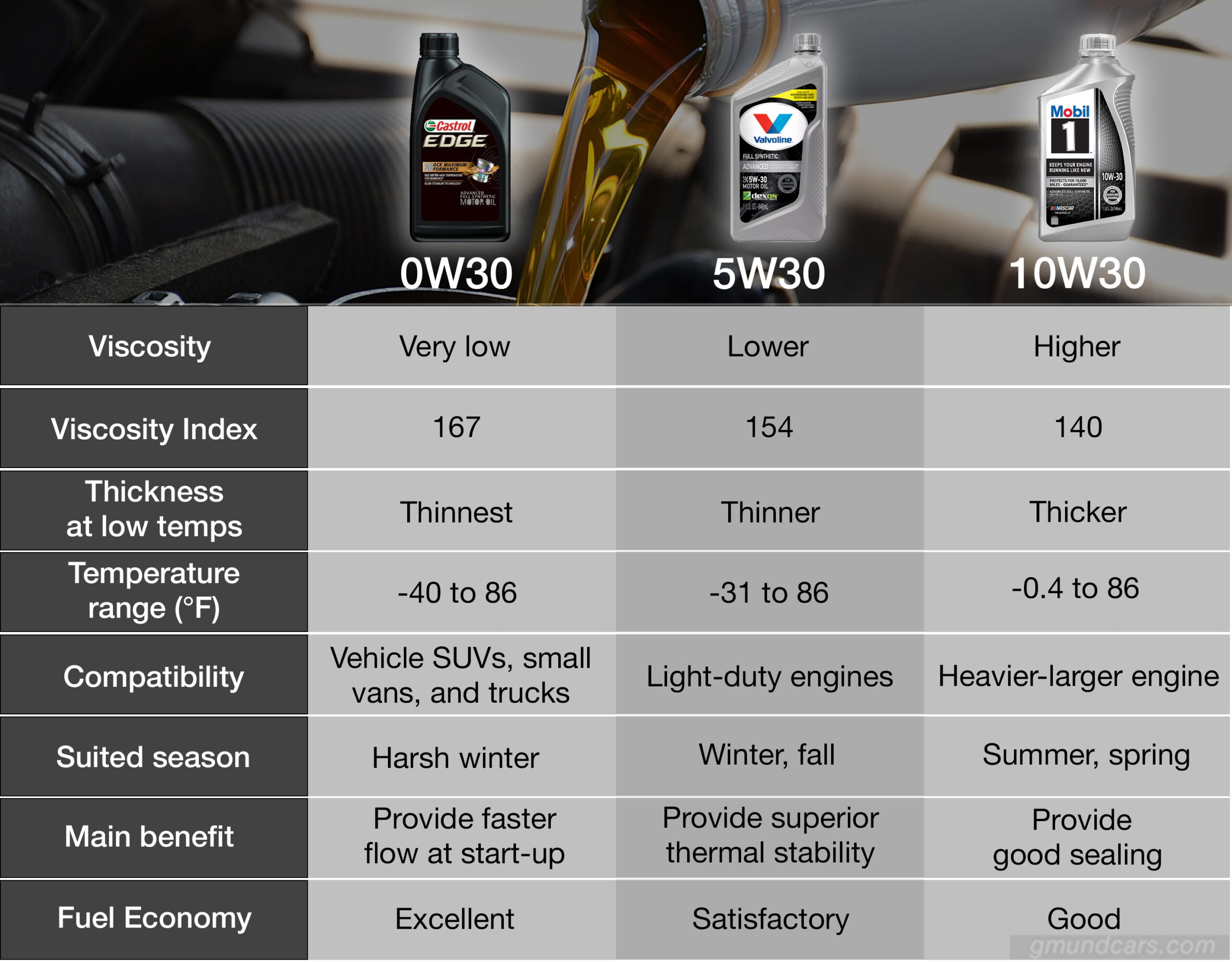
For example, 0W-30 can flow better in very cold weather, while 10W-30 may be less suitable for extremely cold starts. The best choice depends on the vehicle manufacturer’s recommendation.
- ✦ 5W-20 vs 5W-30
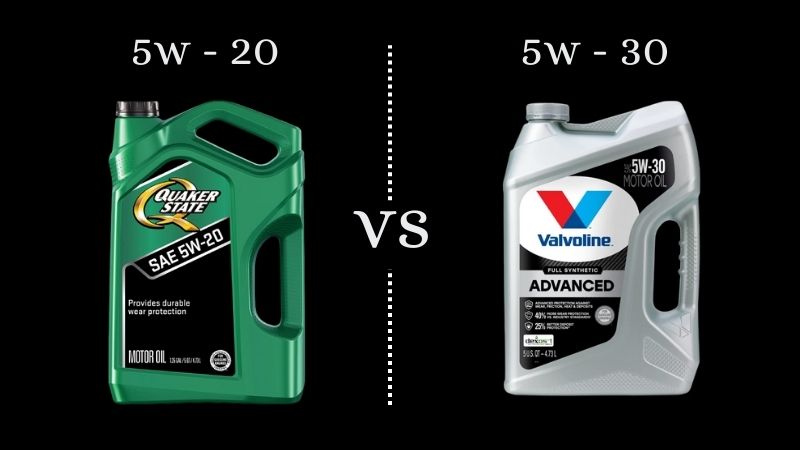
5W-20 is thinner at operating temperature and is often selected for specific engines designed for efficiency.
- ✦ 5W-30 vs 10W-30
Both have the same hot rating, but 5W-30 generally flows better in colder temperatures.
Why You Should Not Switch Oil Grades Without Checking
Changing oil viscosity without checking the owner’s manual can affect engine performance. Manufacturers choose oil grades after testing engine design, clearances, and temperature needs.
A thicker oil is not always better. The correct oil is the one designed for your specific engine.
- ✦ Follow Manufacturer Guidelines
Always check the owner’s manual before selecting a different viscosity.
How to Choose the Right 5W-30 Engine Oil for Your Vehicle
Choosing the right 5W-30 oil involves more than reading the viscosity number. Drivers should also check manufacturer approvals, oil specifications, and vehicle requirements.
Many newer vehicles require oils that meet certain performance standards. These standards help ensure compatibility with engine systems and emissions equipment.

- ✦ Check Your Owner’s Manual
The manual provides the exact oil grade and specifications recommended for your vehicle.
- ✦ Look for Required Certifications
Use oil that meets the required industry and manufacturer standards.
Common Mistakes Drivers Make
A common mistake is assuming every 5W-30 oil works the same way. The viscosity may match, but the additive package and approvals may differ.
Another mistake is choosing oil based only on climate. Vehicle design is the most important factor.
- ✦ Avoid Guessing
Use vehicle-specific recommendations instead of general assumptions.
