
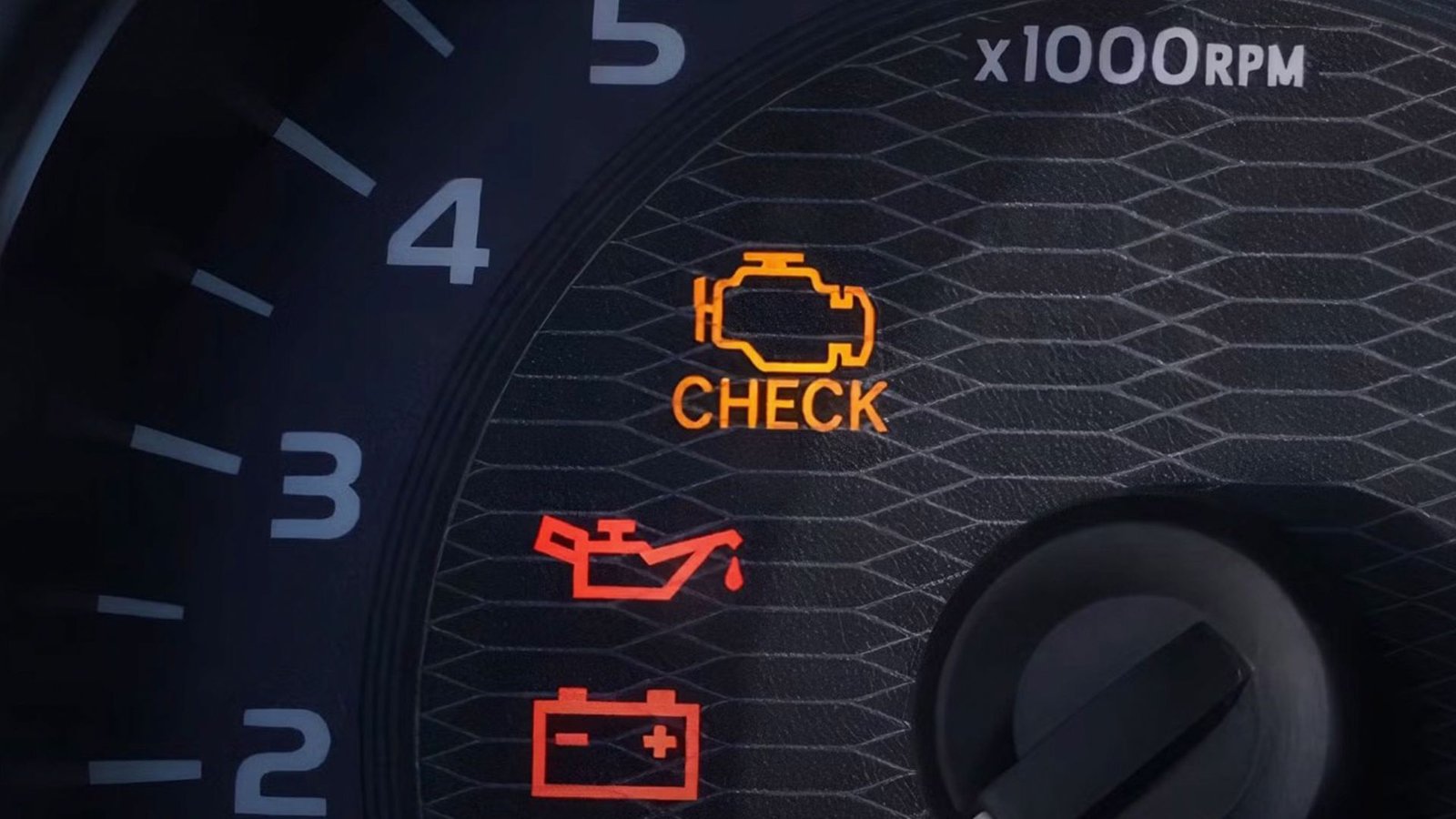
Many drivers first ask, What Is Limp Mode in a Car, after their vehicle suddenly loses power on the road. The engine may still run, but acceleration feels weak and the car may struggle to shift gears. This can feel alarming, especially during daily driving in busy U.S. traffic.
From years of working with vehicle diagnostics, I have seen that limp mode is not a failure itself. It is the car’s way of preventing more damage while giving the driver a chance to reach a safe location or repair shop. Modern vehicles use computers, sensors, and control modules to monitor performance and react when something goes wrong.

What Is Limp Mode in a Car and How Does It Work?
What Is Limp Mode in a Car? It is an emergency operating mode built into many modern vehicles. The engine control module or transmission control module activates it when it detects a condition that may harm the vehicle.
When limp mode starts, the vehicle computer limits certain functions. It may reduce engine power, limit RPM, lock the transmission into one gear, or disable features like turbo boost. The goal is to help the driver move safely without causing more damage.

- ✦ Reduced engine power
The computer may reduce throttle response and fuel delivery to protect engine parts.
- ✦ Limited transmission operation
Some vehicles keep the transmission in a single gear to prevent internal damage.
- ✦ Warning lights
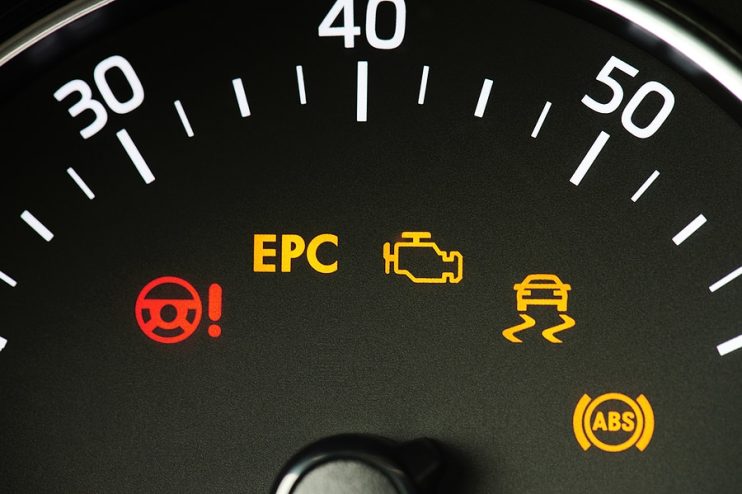
The dashboard may show a check engine light, transmission warning, or other alerts.
Why Cars Use Limp Mode
Modern cars have many electronic systems that constantly check engine and transmission health. If a sensor sends unusual information, the computer may activate limp mode before a small issue becomes a major repair.
- ✦ Damage prevention
The system reduces stress on components that may already have a problem.
Common Symptoms of Limp Mode in a Car
The signs of limp mode can vary by vehicle brand and model. Some drivers notice a sudden loss of power, while others experience strange transmission behavior.
Understanding these symptoms helps drivers avoid unnecessary panic and take the right next steps. A vehicle in limp mode may still drive, but it should be checked as soon as possible.

- ✦ Poor acceleration
The car may feel slow when pressing the gas pedal because engine output is limited.
- ✦ Transmission stuck in one gear
Automatic transmissions may stay in a fixed gear to reduce damage risk.
- ✦ Warning lights appear
The check engine light or other dashboard warnings may turn on.
- ✦ Lower maximum speed
Many vehicles limit speed so the driver can only travel short distances.
What Causes a Car to Enter Limp Mode?
What Is Limp Mode in a Car caused by? There is no single answer because many vehicle systems can trigger this safety feature. The computer reacts when it detects data or performance outside normal limits.
A proper diagnosis requires checking stored fault codes and inspecting related components. Replacing parts without finding the real cause can waste money.

- ✦ Faulty sensors
Problems with throttle position sensors, oxygen sensors, mass airflow sensors, or pressure sensors can trigger limp mode.
- ✦ Transmission problems
Low transmission fluid, overheating, or internal faults may cause the vehicle to enter protection mode.
- ✦ Turbocharger issues
Boost pressure problems can make the computer limit engine output.
- ✦ Electrical problems
Damaged wiring, weak batteries, or poor connections can create incorrect system readings.
Sensor Failures and Electronic Controls
Sensors act like the eyes and ears of a modern vehicle computer. When a sensor provides incorrect information, the computer may choose limp mode as a safety response.
- ✦ Throttle control issues
Electronic throttle problems can limit acceleration and activate safety controls.
Can You Drive a Car in Limp Mode?
A common question after learning What Is Limp Mode in a Car is whether driving is safe. In many cases, you can drive a short distance, but you should avoid long trips or heavy loads.
The safest choice depends on the problem causing limp mode. A minor sensor issue and a serious transmission failure can create similar symptoms but require very different actions.
- ✦ Drive carefully
Use gentle acceleration and avoid high speeds until the problem is diagnosed.
- ✦ Find a safe location
Move away from dangerous traffic areas if power suddenly drops.
- ✦ Avoid repeated resets
Turning the car off and on may temporarily clear limp mode but does not fix the cause.
How to Diagnose and Fix Limp Mode
The first step to fixing limp mode is finding the reason it activated. An OBD2 scanner can read diagnostic trouble codes stored by the vehicle computer.
A professional technician usually combines scanner results with physical inspections. The code points toward a system, but it does not always identify the exact failed part.

- ✦ Scan trouble codes
Use an OBD2 scanner to identify possible engine or transmission faults.
- ✦ Check fluids
Inspect engine oil, coolant, and transmission fluid levels when appropriate.
- ✦ Inspect wiring
Look for damaged connectors, corrosion, or loose electrical connections.
- ✦ Repair the root cause
Replace or repair the failed component instead of only clearing warning lights.
Using an OBD2 Scanner for Limp Mode Diagnosis
An OBD2 scanner helps reveal stored fault codes from the vehicle computer. Many car owners in the U.S. use basic scanners to understand warning lights before visiting a repair shop.
- ✦ Read diagnostic codes
Codes provide clues about affected systems.
How to Prevent Limp Mode Problems
Preventing limp mode starts with regular vehicle care. Many triggers develop slowly because of neglected maintenance or worn components.
Following the manufacturer’s service schedule can reduce the chance of sudden electronic or mechanical problems.
- ✦ Maintain fluids
Keep engine oil, coolant, and transmission fluid at proper levels.
- ✦ Fix warning lights early
Ignoring dashboard warnings can allow small issues to become bigger failures.
- ✦ Use quality parts
Reliable replacement parts help maintain proper system operation.
