When Spark Plugs Need Replacement: Signs And Timing
Spark plugs typically need replacement every 30,000–100,000 miles depending on type and driving conditions.
I’ve worked on hundreds of cars and taught technicians how to spot wear. This guide explains clearly when spark plugs need replacement, why it matters, and how to choose the right schedule for your vehicle. Read on for practical checks, real-world tips, and step-by-step advice you can trust.

How to recognize when spark plugs need replacement
Spark plugs wear slowly. Small changes become big problems. Look for these signs.
- Engine misfires or hesitates while accelerating. This often means a plug is failing.
- Rough idle or stalling at low speeds. Worn plugs can’t burn fuel evenly.
- Reduced fuel economy over several tanks. Poor combustion wastes gas.
- Hard starting, especially in cold weather. Old plugs need more power to spark.
- Check engine light comes on with ignition-related codes. Sensors flag misfires and efficiency loss.
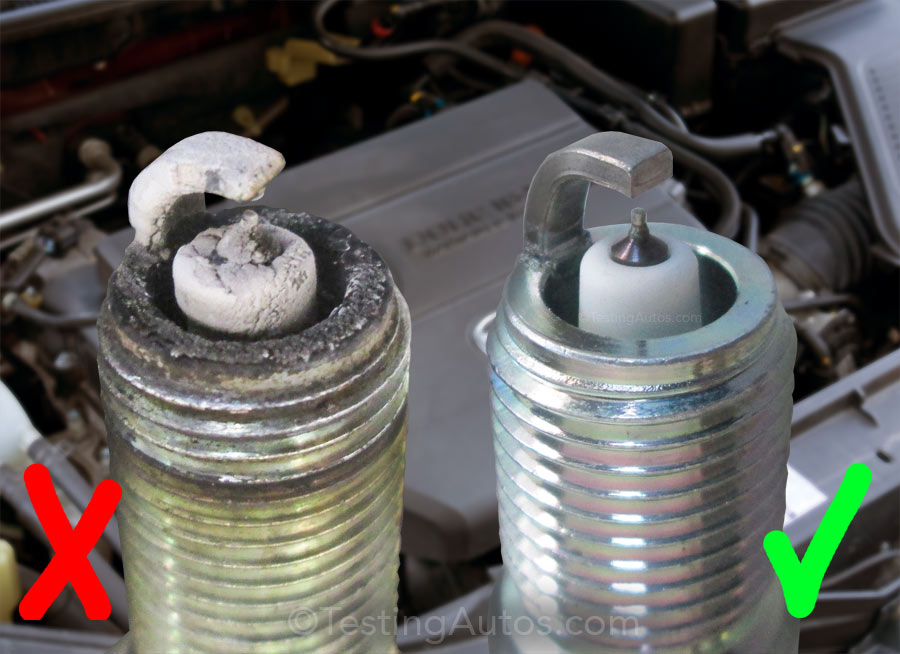
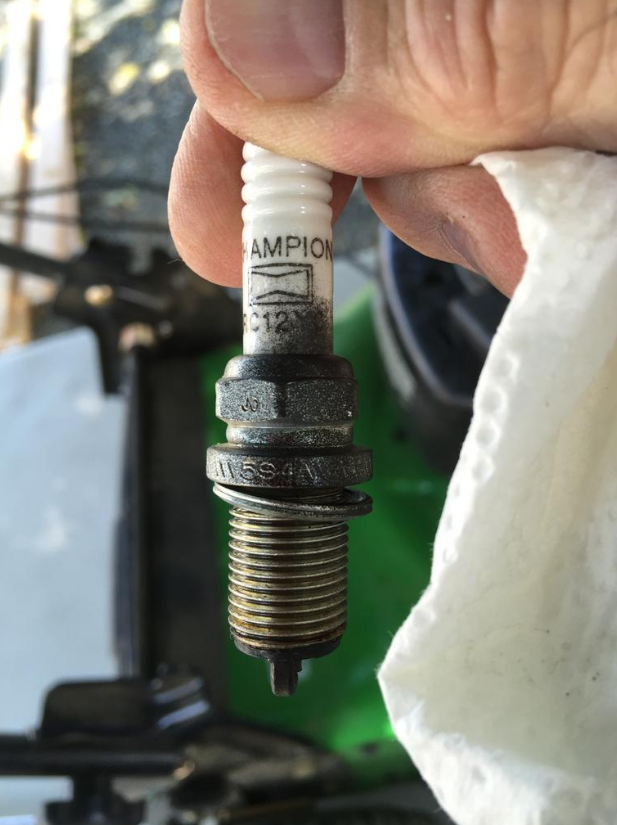
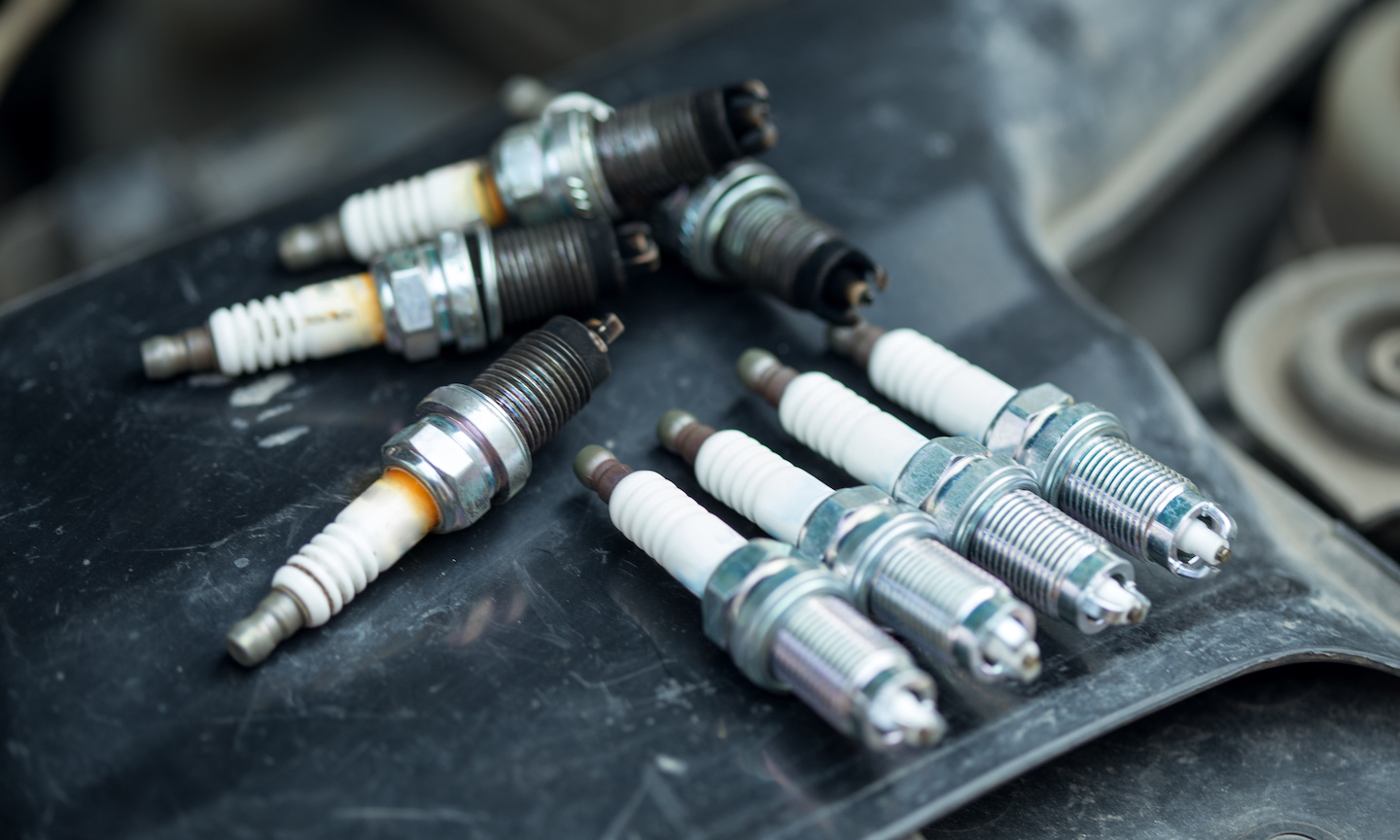
A quick visual check helps. Remove a plug and inspect the tip. White, blistered deposits can show overheating. Heavy black soot signals a rich fuel mix or fouling. Rounded or eroded electrodes mean age and arcing.
When I taught a maintenance class, a student drove a car that sputtered at highway speed. We found one plug with a cracked insulator and three electrodes worn thin. Replacing all plugs fixed the issue immediately.
Recommended replacement intervals and factors that change them
Manufacturer interval is the baseline. It’s often 30,000 to 100,000 miles. The exact number depends on plug type and engine.
- Copper plugs: usually 20,000 to 30,000 miles.
- Platinum plugs: often 60,000 to 90,000 miles.
- Iridium plugs: commonly rated for 80,000 to 100,000 miles.
Driving habits affect life. Short trips and stop-and-go driving shorten plug life. Hard, high-RPM driving or long towing runs can cause faster wear. Fuel quality, engine tune, and oil leaks also matter.
If you run performance chips, boost, or run a rich tune, check plugs sooner. If the engine has combustion issues, test plugs at the first sign rather than waiting for the interval.

Types of spark plugs and how they affect replacement timing
Different plugs last different lengths of time. Choose the style your car maker recommends or one that fits your driving.
- Copper core: least expensive, shortest life; good for older cars.
- Platinum-tipped: longer life, better heat tolerance.
- Double platinum: used in some distributorless systems; extended life.
- Iridium: most durable and best for modern engines; pricier but lasts longest.
Match plug heat range to your engine. A plug that runs too hot or too cold will fail early. When spark plugs need replacement, choosing the right type saves money and reduces repeat labor.
How to inspect and replace spark plugs (step-by-step)
Basic tools and a bit of care let you do the job yourself. If you’re unsure, consult a pro.
- Gather tools: correct socket, ratchet, torque wrench, gap gauge, anti-seize, and dielectric grease.
- Let engine cool to avoid burned hands and thread damage.
- Remove ignition coils or wires carefully to avoid damage.
- Clean around the plug hole to prevent debris from falling in.
- Unscrew the plug using a proper spark plug socket.
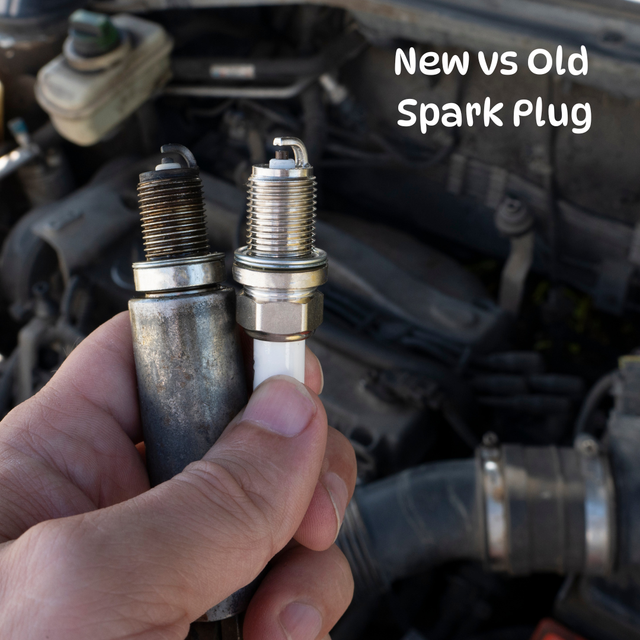
- Inspect the plug for deposits, electrode wear, or damage.
- Check and set the gap if the new plug requires it.
- Apply a small amount of anti-seize on threads if manufacturer allows.
- Install new plug and torque to spec. Reconnect coil or wire.
- Start engine and check for smooth idle and no misfires.
When spark plugs need replacement, replace all plugs at once when possible. Mixing old and new plugs can cause uneven performance and confusing diagnostics.

Cost, time, and when to hire a professional
Cost varies by plug type and labor rates. Parts alone range from cheap copper plugs to higher-priced iridium plugs. Expect to pay more for labor on engines with hard-to-reach plugs.
- Parts cost: $5–$60 per plug depending on type.
- Labor time: 0.5 to 2 hours for most cars; more for V6/V8 or engines with tight access.
- Total cost: typically $100–$300 at a shop for many consumer vehicles.
Hire a professional if plugs are hard to reach, if the engine has known timing or ignition issues, or if you lack tools like a torque wrench. A pro reduces risk of cross-threading or incorrect gaps.
Maintenance tips to extend spark plug life and prevent premature replacement
Good engine care delays replacement. Small habits pay off.
- Use the correct fuel and keep fuel system clean.
- Change air filter and fuel filter on schedule.
- Fix oil leaks that can foul plugs.
- Maintain ignition coils and wires; replace when cracked or aged.
- Follow the vehicle manufacturer’s tune-up schedule.
If you change plugs, keep a log with date and mileage. This helps predict when spark plugs need replacement next. My own cars run longer on iridium plugs when I keep filters and coils in good shape.
Troubleshooting common plug problems and what they mean
When spark plugs need replacement, the fault often points to other issues. Use plugs as diagnostic clues.
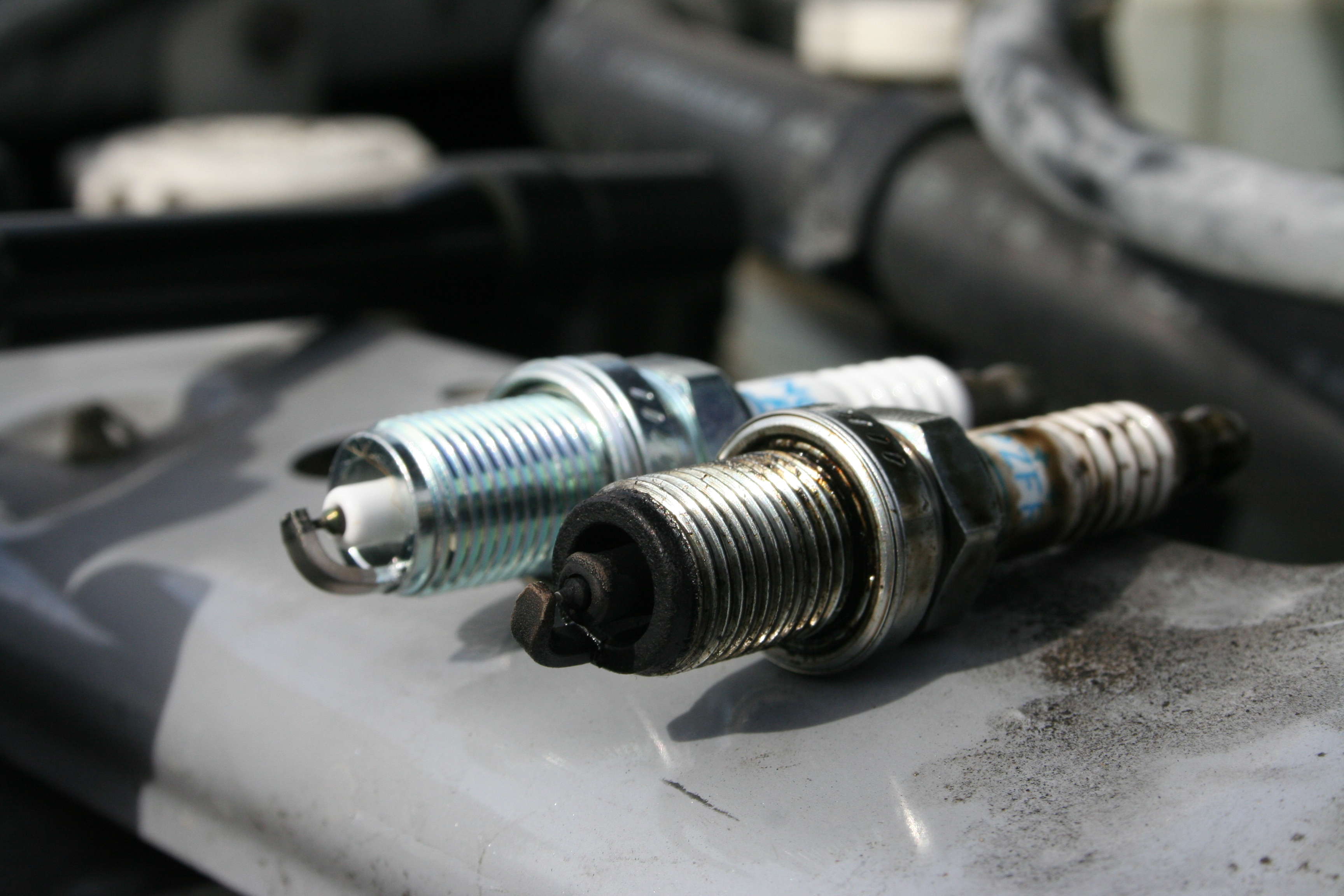
- Carbon-fouled plug: black, sooty tip. Means rich fuel, clogged air filter, or weak ignition.
- Oil-fouled plug: oily deposits. Look for worn valve guides or piston rings.
- Overheated plug: white or melted tip. Check cooling system and heat range.
- Worn electrode: rounded edges and larger gap. Normal wear from many miles.
Replace plugs but also fix root causes. Otherwise, new plugs will fail fast and you’ll repeat the job.
My real-world experience and common mistakes to avoid
I once replaced plugs on a commuter car that still hunted at idle. I had not checked plug gaps. The mechanic had used pre-gapped plugs for another model, and the gap was wrong. The lesson: always verify gap and torque.
Common mistakes I’ve seen:
- Not changing all plugs at once.
- Cross-threading plugs by hand-tightening too hard.
- Using wrong heat range or plug type to save money.
- Forgetting to inspect ignition coils and wires.
Take your time. Correct prep and a torque wrench prevent damage.
Frequently Asked Questions of when spark plugs need replacement
How often should I check my spark plugs?
Check plugs at the first sign of trouble or at major service milestones. A quick visual inspection every 30,000 miles is a good habit.
Can I replace one spark plug instead of all of them?
It’s best to replace all plugs at once for consistent performance. Replacing only one can leave uneven wear and cause new problems.
Will bad spark plugs damage my catalytic converter?
Yes. Repeated misfires can send unburned fuel into the exhaust and overheat the catalytic converter, causing damage.
Are iridium plugs worth the extra cost?
For most modern cars, iridium plugs last longer and improve longevity. They cost more up front but can save money over time.
What happens if I wait too long to replace spark plugs?
You may see poor fuel economy, rough running, hard starts, and potential engine damage if misfires continue. Waiting increases repair costs.
How can I tell if a plug is fouled or just dirty?
Fouled plugs show distinct deposits: oily wet coating for oil fouling, dry black soot for carbon fouling. Dirty plugs from short rides may clean up after a longer drive but should still be evaluated.
Conclusion
When spark plugs need replacement, timely action keeps your engine running smoothly and saves money. Watch for misfires, rough idle, poor fuel economy, and visible plug wear. Follow manufacturer intervals, match plug type to your engine, and inspect plugs during routine service.
Take one step today: check your owner's manual and mark a plug inspection on your calendar. If you found this useful, leave a comment, subscribe for more guides, or share your spark plug story.