Why Engine Size Matters In Cars: What To Know
Engine size matters because it directly shapes power, fuel use, and driving feel.
I have spent years testing and advising drivers on engines, and I can tell you that understanding why engine size matters in cars helps you pick the right vehicle for your life. This article explains what engine size means, how it affects performance, fuel, cost, and real-world use. Read on for clear advice, examples, and practical tips that help you choose the best engine for your needs.
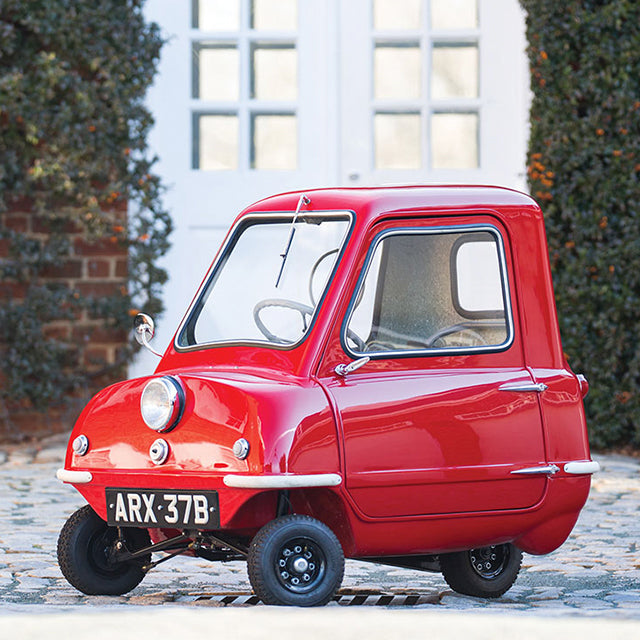
What engine size actually means
Engine size usually refers to displacement. Displacement is the total volume of all the cylinders in an engine. It is measured in liters or cubic centimeters (cc). A 2.0-liter engine displaces two liters of air-fuel mix each cycle.
Engine size is a baseline spec. It helps predict power and torque. But technology also matters. Turbocharging, direct injection, and hybrid systems change what a given size can do.
Why engine size matters in cars starts here. The number gives a quick idea of power, but not the whole story. Think of displacement like the size of a pump. Bigger pumps can move more fluid, but design and controls change how well they work.
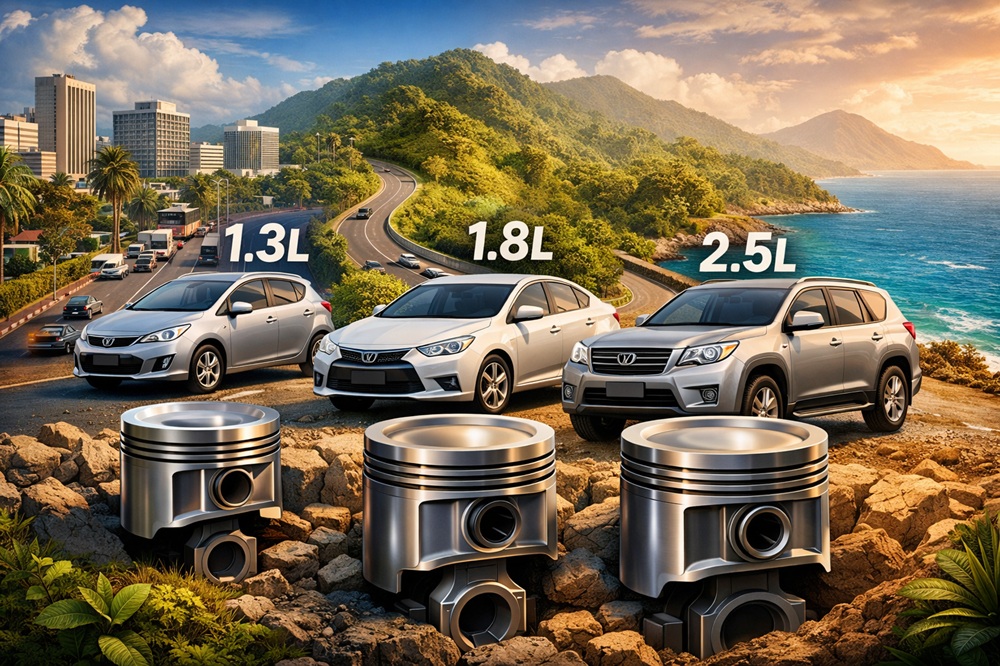
How engine size affects performance
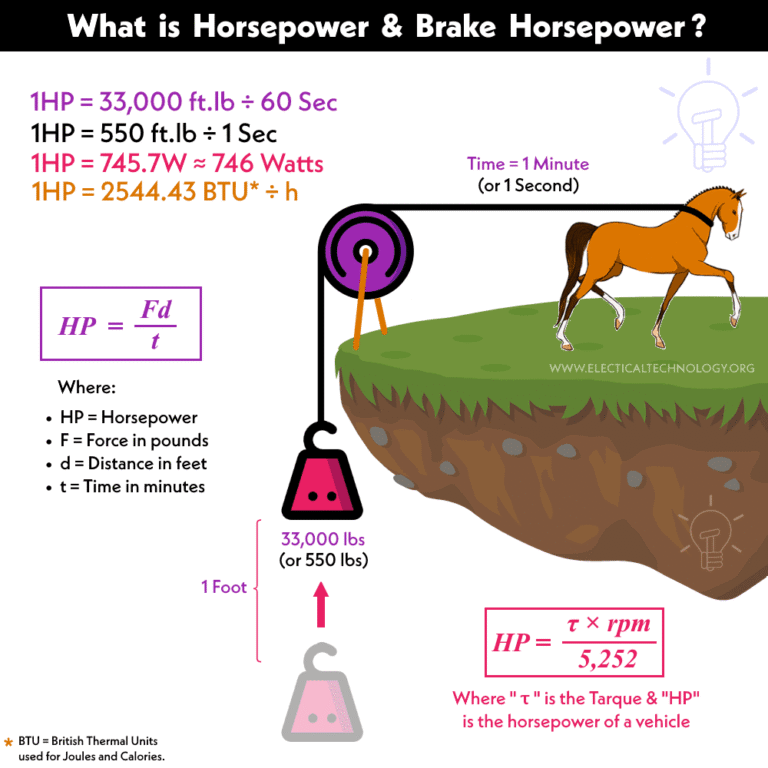
Bigger engines often deliver more horsepower and torque. That means quicker acceleration and higher towing capacity. A 3.5-liter V6 will usually out-accelerate a 1.5-liter inline-4 without forced induction.
Smaller engines tend to have less low-end torque. That affects city starts and towing. Turbochargers can help by forcing more air into a small engine. This narrows the gap between small and large engines.
- Power and acceleration: Larger displacement usually equals stronger acceleration.
- Torque delivery: Bigger engines give more low-RPM muscle for towing.
- Top speed and flexibility: Bigger engines often sustain higher power at high speeds.
- Drivability: Engine size changes throttle response and how the car feels.
Why engine size matters in cars? It shapes the driving experience you get behind the wheel. If you want fast, steady power, a larger engine often delivers it more simply.

How does engine size influence everyday driving?
Smaller engines use less fuel around town but may feel strained under load. Larger engines ease the strain but often sip more fuel. Modern small engines with turbochargers balance both needs.
Can tech change what engine size means?
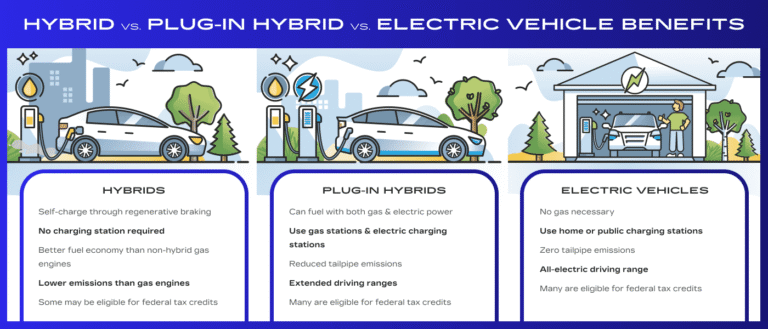
Yes. Turbocharging, hybrids, and variable valve timing let smaller engines match the output of larger ones. But added tech can raise cost and repair complexity.
Fuel economy, emissions, and regulations
Larger engines burn more fuel when driven hard. That raises CO2 emissions and gas costs. However, a large engine running at low load can be more efficient than a small one pushed hard.
Regulations and taxes in many regions use displacement or emissions to set fees. That is one reason why carmakers offer smaller, efficient engines in some markets.
- Fuel use: Bigger engines tend to use more fuel under similar driving styles.
- Emissions: More fuel means more CO2 unless offset by tech.
- Real-world economy: Driving style and gear ratios matter as much as size.
- Government rules: Taxes and fees may favor smaller displacement engines.
Why engine size matters in cars partly because it ties into fuel bills and legal costs. Choose an engine that fits both your drive habits and local rules.

Cost, maintenance, and ownership trade-offs
A bigger engine can raise purchase price and insurance rates. It may cost more to repair if parts are heavy duty. On the flip side, larger engines often run at lower stress for the same task, which can aid longevity.
Smaller engines with turbochargers can be cheaper to buy but may need more frequent maintenance. Turbo wear, higher operating temps, and more complex cooling systems can add service costs over time.
- Purchase price: Engine size influences MSRP and trim choices.
- Insurance and taxes: Displacement and power affect premiums in some regions.
- Maintenance: Simpler larger engines can be easier to service; tech-heavy small engines can be pricier to fix.
- Resale: Buyers may pay more for engines suited to their use (towing vs city driving).
Why engine size matters in cars also shows up in long-term costs. Think beyond the sticker price. Factor in fuel, maintenance, and insurance.

When a bigger engine makes sense
If you tow, haul, or carry frequent passengers, a larger engine helps. Long highway trips and sustained high-speed driving also favor bigger displacement. Sports drivers who want instant throttle response often pick larger or higher-output engines.
- Towing and hauling: Larger engines give stable power and less strain.
- Mountain and high-altitude driving: Bigger displacement resists power loss at altitude better.
- Performance intent: Drivers wanting raw feel and sound often choose larger engines.
Why engine size matters in cars is clear when need and use are heavy. In those cases, the extra displacement delivers reliability and comfort.
When a smaller engine is the smarter choice
Commuters, city drivers, and eco-focused buyers often do well with smaller engines. They save fuel in stop-and-go traffic. Paired with modern tech, small engines can still feel peppy on demand.
- Urban driving: Small engines offer better economy in city cycles.
- Budget and eco goals: Lower fuel use and smaller emissions meet many buyer goals.
- Advanced alternatives: Hybrid and mild-hybrid systems boost small engines for city life.
Why engine size matters in cars depends on daily needs. If your days are short drives and city errands, a small engine often wins on cost and comfort.
Real-world examples and my experience
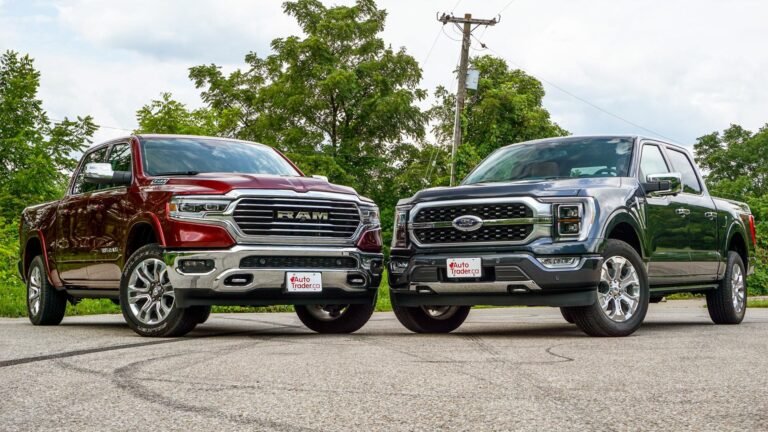
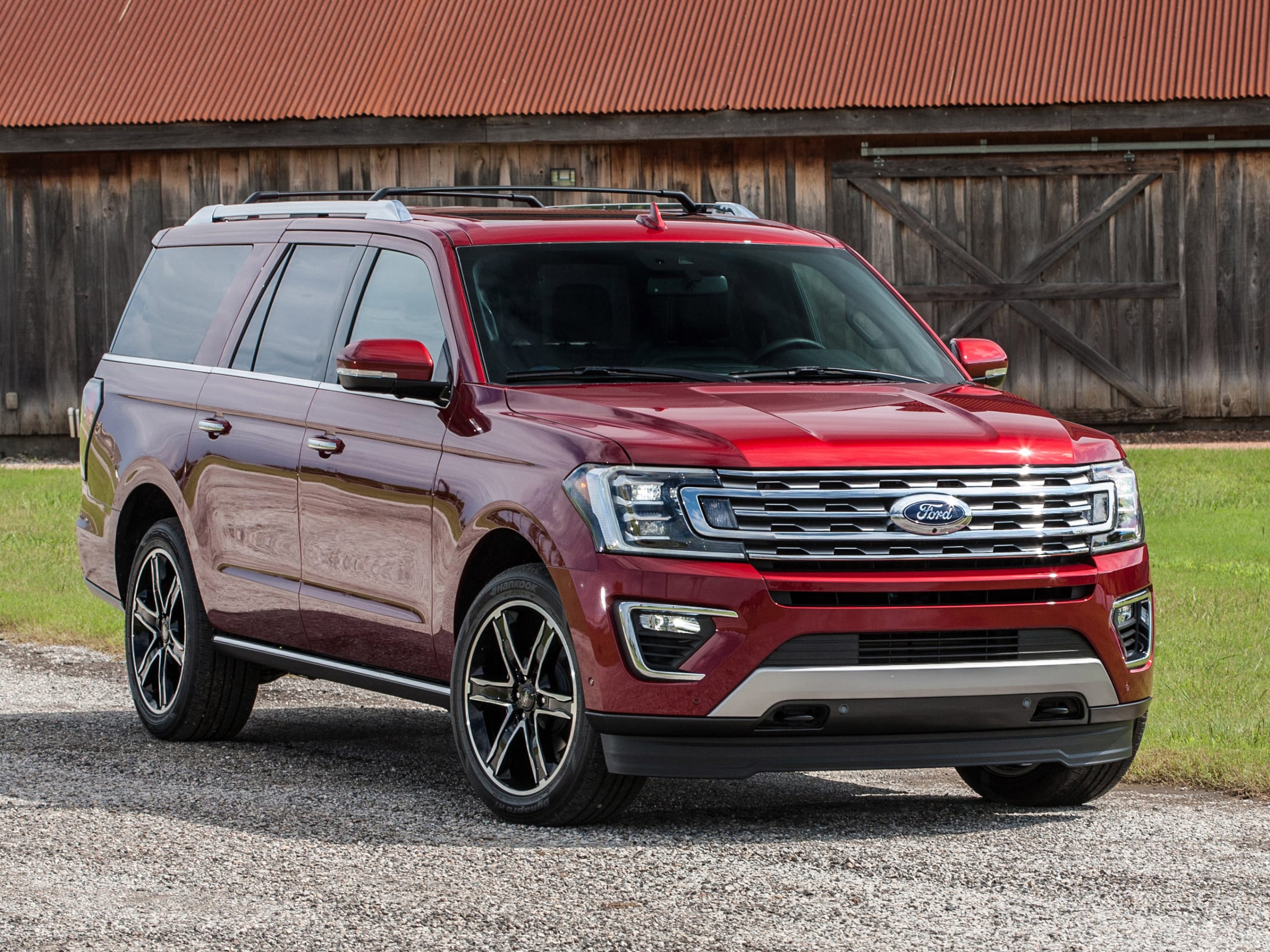
I once tested two midsize SUVs back to back. One had a 2.0-liter turbo, the other a naturally aspirated 3.5-liter. The turbo felt quick off the line but got hot and thirsty under heavy towing. The 3.5-liter pulled calmly and used steady fuel when loaded.
From my years of testing, the main lesson is this: match engine size to use. I have seen buyers choose too-small engines for towing and regret it later. I have also seen buyers buy large engines for short commutes and waste fuel.
- Mistakes to avoid: Don’t pick engine size on badge appeal alone.
- Tips I share: Test drive under load. Ask about towing and fuel data.
- Practical advice: Consider long-term costs, not just initial thrills.
Why engine size matters in cars showed up in every test I ran. The right engine saved drivers money and frustration. The wrong one did the opposite.

Practical tips for choosing the right engine
Use this checklist when you shop.
- List your daily trips, load needs, and highway miles.
- Decide if towing or hills are common in your routine.
- Consider modern tech: turbo, hybrid, or mild-hybrid.
- Test drive with a load if you plan to tow or carry gear.
- Check long-term costs: fuel, insurance, and maintenance.
- Think resale: Engines aligned with buyer demand hold value better.
Why engine size matters in cars is a question of fit. Pick the size that fits your life. If unsure, aim for a mid-range engine and consider hybrid help.
Frequently Asked Questions of why engine size matters in cars
How does engine size affect fuel economy?
Larger engines usually use more fuel, especially under heavy load. However, driving habits and tech like turbocharging can change real-world fuel use.
Will a smaller turbo engine match a larger natural engine?
Sometimes. Turbocharging boosts small engines, but turbo units can be stressed and need proper care. The feel and low-end torque may still differ.
Does engine size affect insurance costs?
Yes. Insurers may charge more for high-displacement or high-power engines. Rates also depend on vehicle class and driver history.
Can engine size predict reliability?
Not directly. Simpler, well-built larger engines can be very reliable. Complex, small turbo engines can be reliable too, but they may require more care.
Should I choose engine size based on resale value?
Partly. In markets where towing or power is prized, larger engines hold value. In eco-focused markets, efficient small engines and hybrids may resell better.
Conclusion
Engine size matters in cars because it influences power, fuel use, cost, and how a car fits your life. Match engine size to your driving needs, budget, and local rules. Test drive with real loads, check long-term costs, and consider tech like turbo or hybrid systems.
Takeaway: pick an engine that suits how you drive, not what looks impressive on paper. If you found this useful, leave a comment, subscribe for more practical car advice, or try the checklist on your next car search.