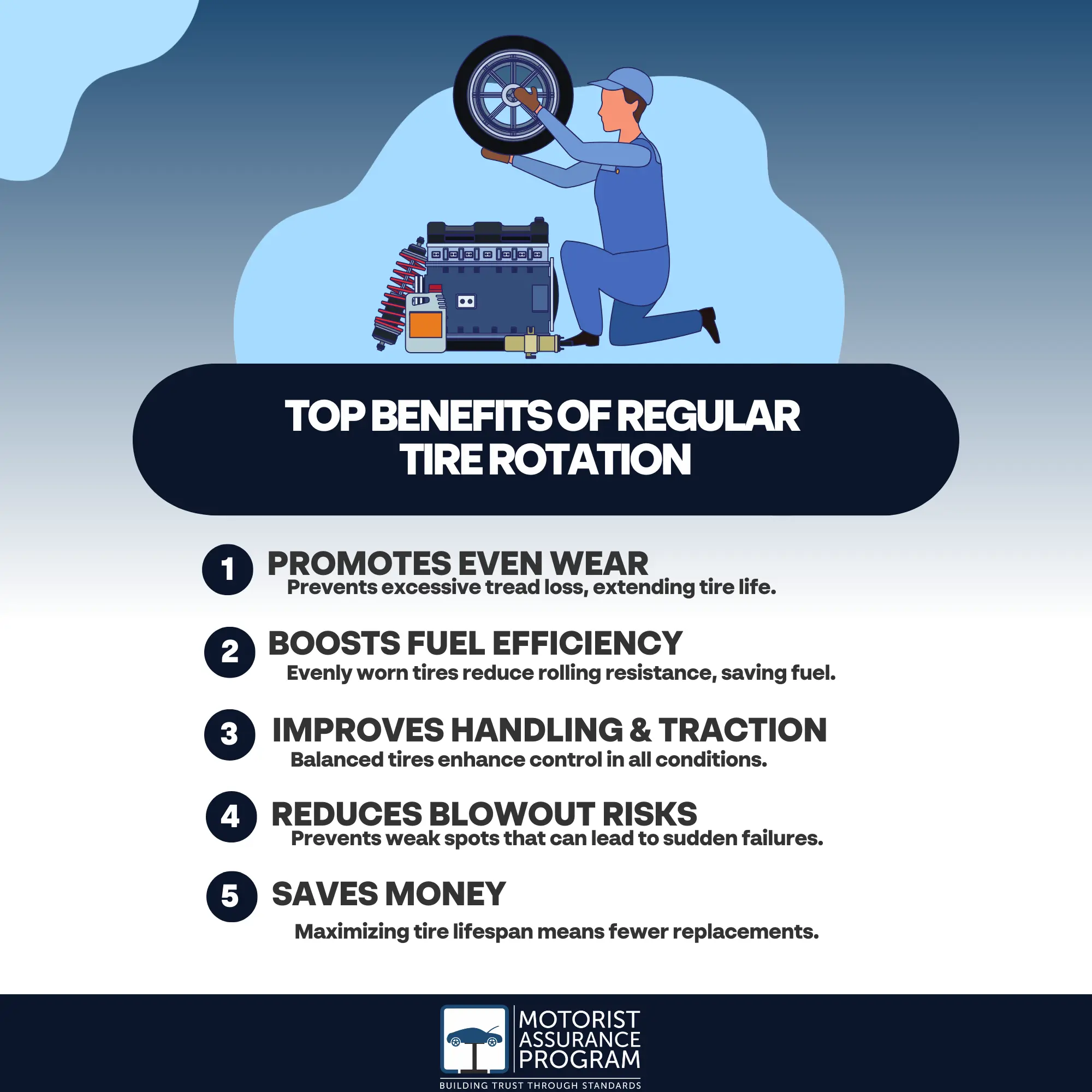
Regular tire rotation prevents uneven wear, improves safety, and extends tire life.
I have spent years working on cars and advising drivers. I know why tire rotation is important and how to make it work for you. This article explains the reasons, the best schedules, common patterns, clear signs you need a rotation, and simple tips from real-world experience. Read on to protect your tires, save money, and drive safer.
Why tire rotation is important: core reasons
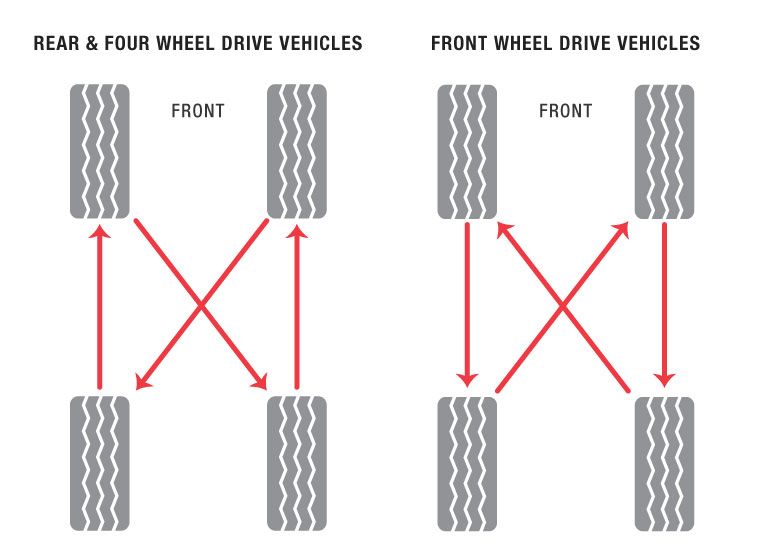
Tire rotation spreads wear more evenly across all four tires. Front tires and rear tires wear differently because of steering, braking, and power delivery. Rotating tires helps keep tread depth consistent, which improves traction and safety.
Tire rotation also helps save money. Even wear delays the need for replacement. Many warranties require regular rotation to remain valid. That makes rotation a simple way to protect your investment.
Regular rotation reduces vibration and improves ride comfort. It also helps maintain fuel efficiency by keeping rolling resistance balanced across tires. For these reasons, understanding why tire rotation is important is a smart step for every driver.
How tire rotation works
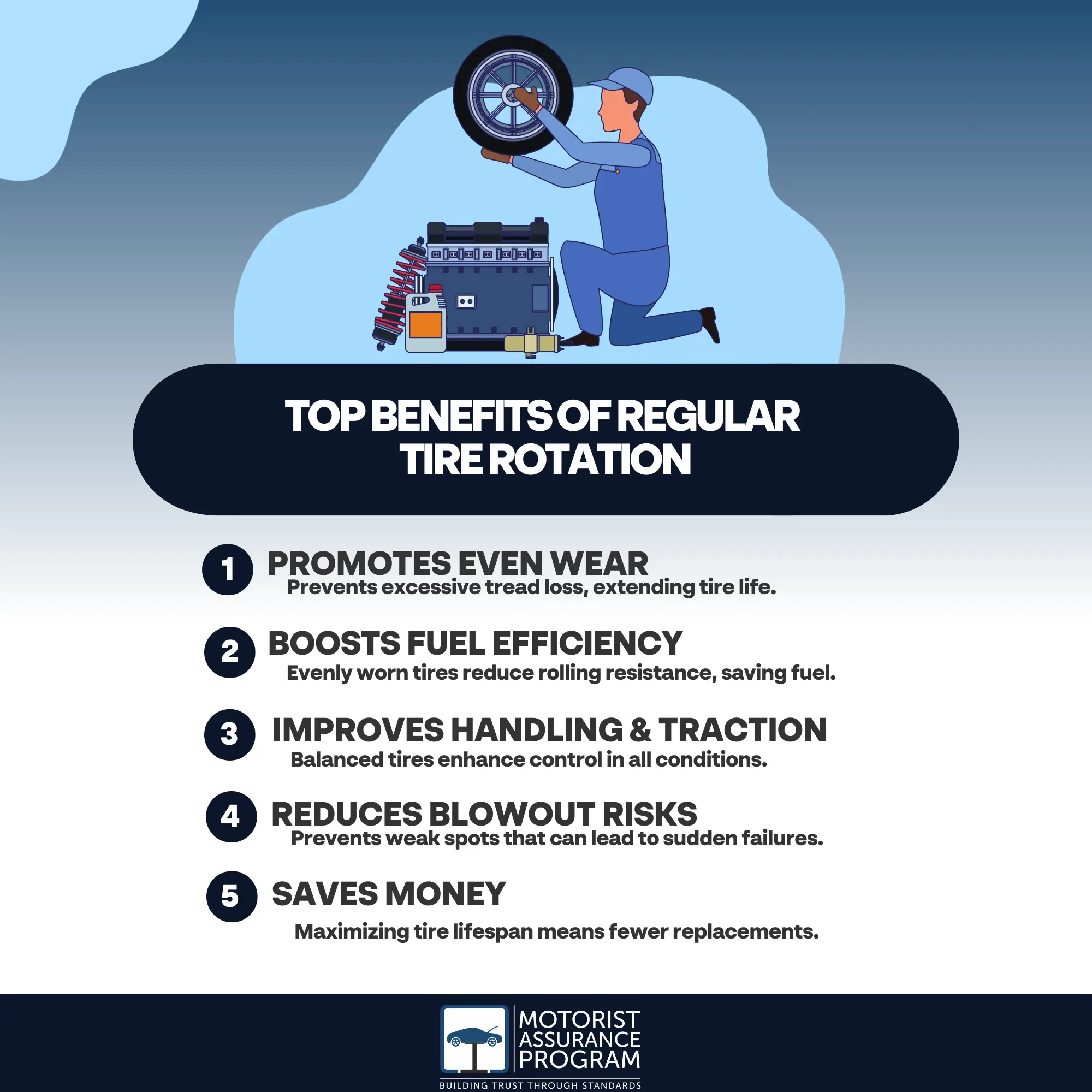
Tire rotation means moving each tire to a different position on the vehicle. Patterns vary by drive type: front-wheel, rear-wheel, all-wheel, and directional tires have different moves. Mechanics typically mark tires and follow a pattern to balance wear.
Rotation can include the spare tire if it is a full-size match. Rotating tires does not fix alignment or balance issues. Those must be checked separately.
Knowing how tire rotation works helps you pick the right schedule and pattern. This keeps the car safe and the tires lasting longer.

Benefits of regular tire rotation
- Even tread wear and longer tire life
- More uniform tread depth prevents early replacement.
- Better traction and braking
- Even tires bite the road more predictably in wet or icy conditions.
- Improved fuel economy
- Balanced rolling resistance can lower fuel use slightly over time.
- Smoother ride and less vibration
- Rotation can reduce steering shake and noise.
- Warranty protection
- Many tire makers require rotation to honor tread-life warranties.
From my shop experience, tires rotated on schedule last noticeably longer. I once extended a set of tires by nearly 15% by rotating them every oil change. That saved my client a sizable cost and improved safety.
When and how often to rotate tires
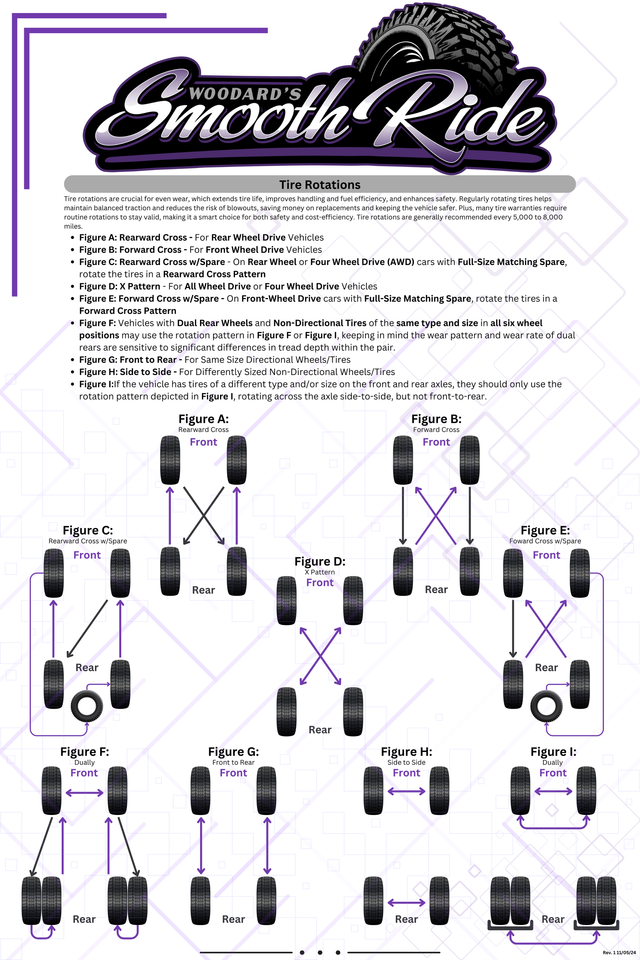
Most drivers should rotate tires every 5,000 to 8,000 miles. A good rule is to rotate at every oil change if you follow a 5,000-mile interval. Always check the vehicle owner's manual for the maker’s specific recommendation.
Driving style affects frequency. Heavy towing, frequent hard braking, and aggressive cornering speed up wear. In those cases rotate more often. Also inspect tires visually every month and before long trips.
Consistency matters. Regular rotation is one of the easiest ways to get the most life from a tire set. This explains one key reason why tire rotation is important for normal car care.
Tire rotation patterns and methods
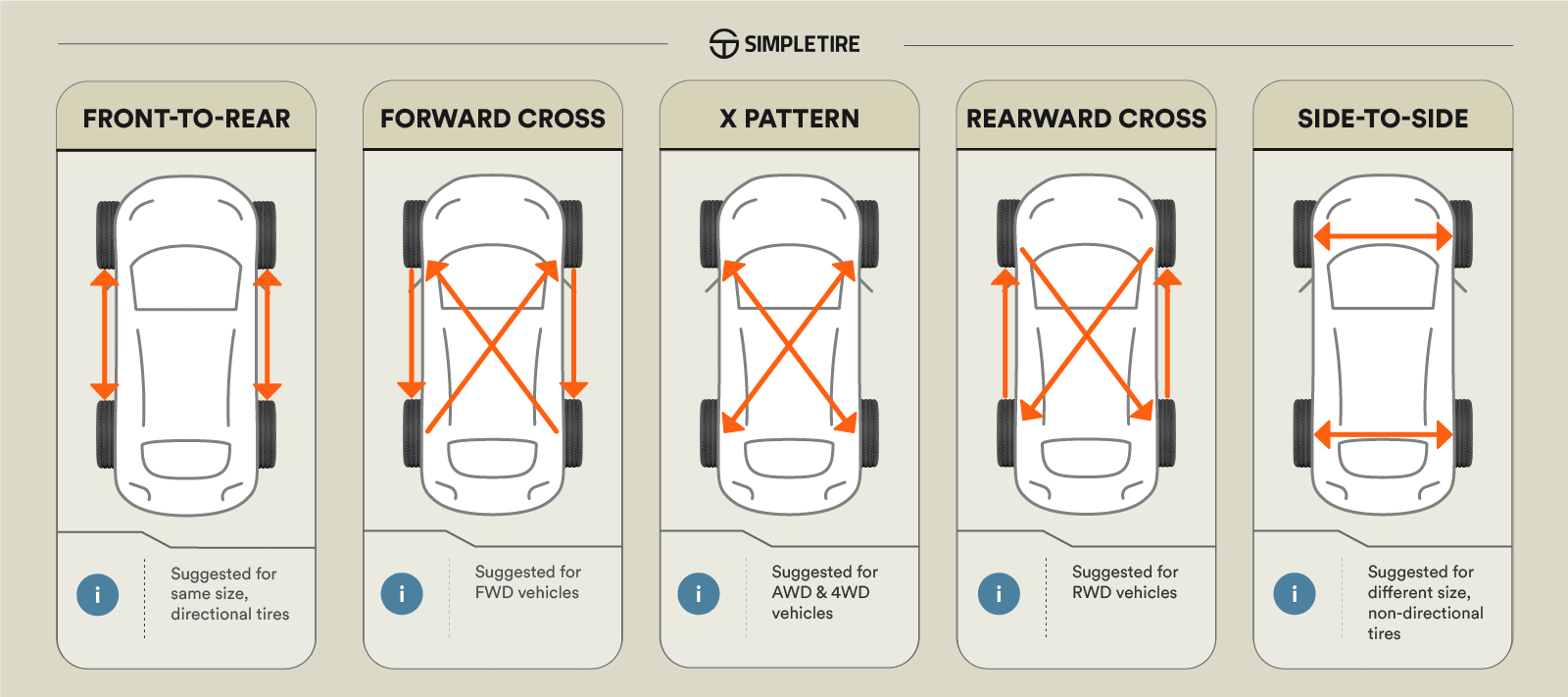
Choose the right pattern for your car and tire type.
- Forward cross
- Common for front-wheel drive. Front tires move to rear on same side. Rear tires cross to front.
- Rearward cross
- Used for rear-wheel and 4×4 vehicles. Reverse of forward cross.
- X-pattern
- All tires cross diagonally. Simple for many cars.
- Side-to-side
- Used for directional tires or staggered sizes where front and rear sizes differ.
- Include the spare
- If spare matches, rotate it into the sequence to equalize wear.
Follow the vehicle maker’s guidance. The right pattern keeps tread even and prevents odd wear patterns. This practical step shows why tire rotation is important for real-world performance.
Signs you need a tire rotation
- Uneven tread depth between left and right or front and rear
- Measure tread with a gauge or a penny test.
- Pulling or drifting during straight-line driving
- Often a sign one side is more worn.
- Noticeable vibration, hum, or thumping at certain speeds
- Could be caused by uneven wear.
- Rapid wear on the outside edges or center of a tire
- Tells you which position wearing faster.
If you see any of these signs, schedule a rotation and an alignment check. Acting early prevents faster tire damage and shows why tire rotation is important for safety.

DIY vs professional rotation
DIY rotation is possible with the right tools. You need a jack, stands, and a torque wrench. Follow the correct pattern and torque lug nuts to spec.
Professional shops add value. They check alignment, balance, and tire condition. They also inspect brakes and suspension. If you lack tools or confidence, let a pro handle it.
I have rotated tires both ways. DIY saved money but took more time. A pro once found a slow leak I missed. Both approaches can work if done right.
Costs, savings, and warranty implications
Tire rotation is low cost. Many shops offer rotation for a small fee or free with other services. DIY cost is near zero beyond your tools.
Savings add up. Delaying one tire replacement offsets many rotation visits. Also, failing to rotate can void some tread-life warranties. Keep records and receipts to protect warranty claims.
Understanding the finance side makes clear why tire rotation is important for smart car ownership.
Limitations and things to watch
Tire rotation cannot fix alignment problems or mechanical faults. If alignment is off, rotation will not stop uneven wear. Rotating a damaged tire does not make it safe again.
Be careful with mixed tires. Different sizes, brands, or heavy wear can limit rotation options. Directional tires and staggered setups have special rules. Always check manufacturer guidance and replace tires when tread is too low.
Being honest about limits helps set realistic expectations. That builds trust and supports why tire rotation is important but not a cure-all.
Frequently Asked Questions of why tire rotation is important
How often should I rotate my tires?
Rotate most tires every 5,000 to 8,000 miles or at each oil change. Check your owner's manual for the exact recommendation.
Will rotating tires improve fuel economy?
Yes, it can help slightly by balancing rolling resistance. The gain is modest but adds up over time with consistent rotations.
Can I rotate directional tires?
Directional tires have to stay on the same side of the car. You can swap front to rear on the same side if the pattern allows, but avoid crossing sides.
Does tire rotation affect wheel alignment?
No, rotation does not fix alignment. If alignment is needed, a separate alignment service is required to correct steering or camber issues.
Is tire rotation required for warranty coverage?
Many tire warranties require regular rotation. Keep records and follow mileage intervals to maintain coverage.
Can rotating tires mask suspension problems?
Rotation can hide symptoms temporarily but will not solve the root cause. If uneven wear returns quickly, inspect suspension and alignment.
Conclusion
Tire rotation is a simple, low-cost habit that improves safety, extends tire life, and can save money. Regular rotation evens wear, keeps traction steady, and helps maintain warranties. Make a plan: check your manual, rotate every oil change or 5,000 to 8,000 miles, and keep records. Start today by scheduling your next rotation or checking your tires. Share your experience, ask questions below, or subscribe for more car care tips.