Yaris Vs Fit: Which Hatchback Is Best 2026
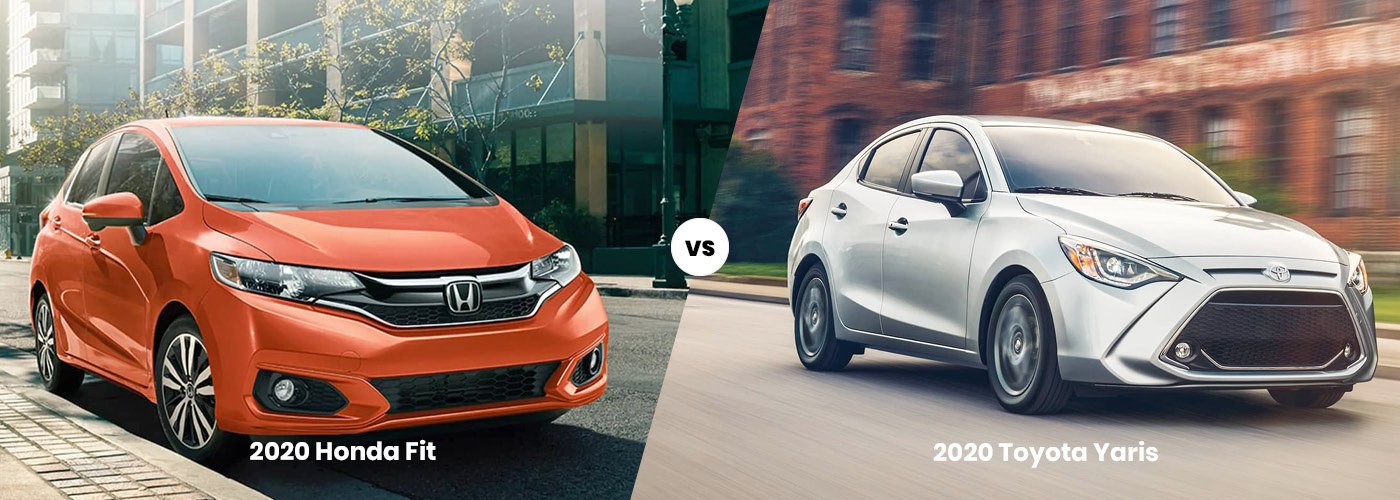
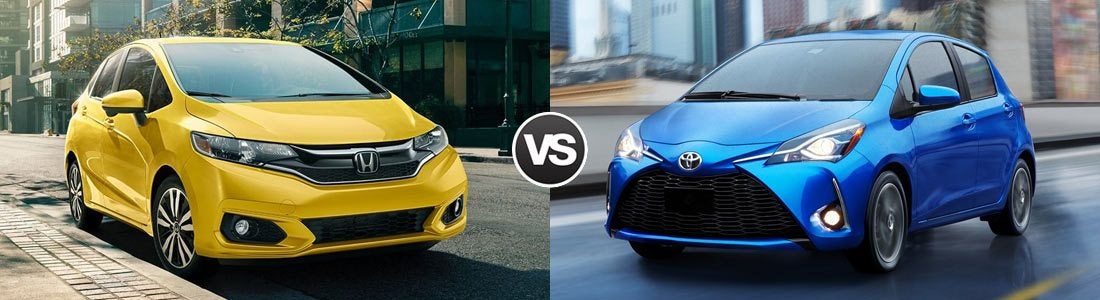
Toyota Yaris vs Honda Fit: Yaris is refined and fuel-efficient; Fit wins on space and cargo flexibility.
I’ve spent years testing small cars and advising drivers on practical choices. This yaris vs fit comparison breaks down real-world performance, interior comfort, safety, fuel costs, and ownership to help you choose the right hatchback or subcompact sedan. Read on for clear, experience-based insight and hands-on tips that make the decision simple.

Overview: yaris vs fit
Both the Toyota Yaris and Honda Fit aim at city drivers who want reliability and low running costs. The yaris leans toward a refined feel and efficient drivetrains. The fit focuses on clever packaging and maximum interior space for its footprint. For shoppers comparing yaris vs fit, the choice often comes down to whether you value comfort and refinement or cargo flexibility and roomy seating.

Design and interior: comfort vs cleverness
The yaris presents a neat, conservative cabin with quality materials for the class. Controls are logical and seats are comfortable for daily commuting. The fit organizes space around utility, with tall seating and a very flat load floor.
- Interior feel: yaris favors soft touch surfaces and a quieter cabin.
- Versatility: fit uses its "Magic Seat" system to fold seats in multiple ways.
- Ergonomics: yaris places more emphasis on a car-like driving position; fit feels more upright and airy.
From personal use, I found the yaris more relaxing on highway drives, while the fit made grocery runs and weekend gear loading much easier.

Performance and handling: city agility and balance
Both models offer easy city driving and tight turning circles. The yaris generally has a smoother ride and more refined engine noise control. The fit feels nimble and peppy around town, with light steering that helps in parking.
- Acceleration: yaris favors steady, efficient feel; fit feels quicker off the line in low-speed traffic.
- Handling: yaris is tuned for comfort; fit is tuned for agility and responsiveness.
- Transmission options: both use CVT or small automatics depending on model year and market.
If you want calm highway progress, the yaris often feels more composed. If you want playful urban driving and quick maneuvers, the fit leans toward that.

Fuel economy and powertrains: saving at the pump
Fuel costs matter most to small car buyers. The yaris typically posts excellent fuel economy thanks to efficient engines and tuning. The fit also achieves good mileage and often ties or slightly trails the yaris depending on engine choice.
- Typical real-world mpg: yaris often leads by a small margin in mixed driving.
- Hybrid options: in some markets, yaris hybrids give a clear fuel advantage.
- Driving style impact: aggressive acceleration reduces mpg in both cars, but the yaris hybrid recovers efficiency faster.
From my commuting tests, the yaris returned better highway mpg while the fit was efficient in stop-and-go city runs.
Safety and technology: modern features and ratings
Both vehicles have adopted advanced safety features over recent model years. Standard driver-assist tech such as automatic emergency braking and lane-keep assist are common on newer trims.
- Crash test performance: both models score well in modern safety programs, though exact ratings vary by model year.
- Active safety: adaptive cruise, blind-spot monitoring, and lane-centering are often available.
- Infotainment: both offer smartphone integration; yaris sometimes has sharper screen graphics and interface polish.
When comparing yaris vs fit, check the specific trim’s safety suite. Higher trims can bridge gaps in available technology.

Space, practicality, and cargo: where Fit often wins
This is the strongest area for the fit. Its packaging yields surprising rear legroom and a wide, flat cargo area when seats fold. The yaris offers usable cargo but less overall flexibility.
- Seat folding: fit’s multiple seat modes let you stand tall items or create a long cargo bay.
- Passenger comfort: rear seats in the fit are roomier for adult passengers.
- Daily usability: yaris feels more compact but less adaptable for odd-shaped loads.
I once moved a small couch using the fit by folding the rear seats flat — something the yaris struggled to match without roof racks.

Ownership costs, reliability, and resale: long-term value
Both cars hold strong reputations for reliability. Toyota and Honda both command solid resale values. Routine maintenance costs are low compared to larger vehicles.
- Reliability: Toyota’s track record is excellent; Honda’s is similarly strong with good long-term durability.
- Service costs: parts and service are affordable and widely available.
- Depreciation: both retain value well, with trims and options affecting pricing.
My ownership notes: the yaris felt cheaper to maintain for long highway miles, while the fit saved me money when I needed flexible cargo without renting larger vehicles.
Practical buying tips: choosing the right trim and features
Make a short list of priorities before visiting dealerships. Use these tips to narrow a decision between yaris vs fit.
- Prioritize space: choose the fit for folding seats and larger cabin versatility.
- Prioritize comfort and highway driving: choose the yaris for quieter cabins and smoother planted feel.
- Check for hybrid options: if fuel economy is a top priority, look at yaris hybrid models where available.
- Compare safety packages: always compare the driver-assist bundle across trims.
- Test drive with your typical load: bring a bike, stroller, or boxes to see real cargo fit.
I recommend a test loop that includes a highway stint and tight city streets. That reveals handling and comfort differences quickly.
Which one is right for you: buyer profiles
Different people benefit more from one car or the other. Here are common buyer profiles to help you choose between yaris vs fit.
- City commuter who values calm highway travel: yaris is a strong match.
- Small family or hobbyist needing cargo flexibility: fit is ideal.
- Budget-conscious buyer who wants low running costs: both are good; choose based on trim pricing.
- First-time driver or learner: both offer easy handling and good safety features.
Match your daily use to these profiles to find the best fit. In my experience, buyers who prioritize flexibility rarely regret picking the fit, while those wanting a refined daily driver often prefer the yaris.
My hands-on experience and common mistakes to avoid
I’ve logged time in both cars across months of driving. Here are practical lessons from those drives.
- Expect realistic space: the fit’s cabin surprises many by being larger than expected.
- Don’t assume fuel economy is identical: check real-world mpg for your route.
- Test every seat configuration: folding seats can be tricky on first try.
- Compare trims, not just model names: the same model year can differ greatly by features.
A common mistake is choosing solely on exterior looks. Try loading the car with items you use weekly. That test will often decide the purchase.
Maintenance checklist and resale tips
Keeping your car in top shape helps resale and reliability. These simple steps work for both the yaris and fit.
- Follow manufacturer service intervals for oil, brakes, and belts.
- Keep service records and receipts to help resale value.
- Fix minor dents and rust early to avoid large repairs later.
- Use recommended fluids and quality filters to extend engine life.
I’ve seen well-kept small cars command higher resale because the new owner sees documented care and less wear.
Frequently Asked Questions of yaris vs fit
What is the main difference between the yaris and fit?
The main difference is packaging: the fit focuses on interior space and flexible seating, while the yaris emphasizes a refined ride and efficiency.
Which car has better fuel economy, yaris or fit?
Generally, the yaris tends to edge out the fit on combined fuel economy, especially in hybrid yaris variants, but real-world results depend on driving style.
Are both cars reliable for daily use?
Yes. Both Toyota and Honda build reliable small cars. Regular maintenance and timely repairs keep either model dependable for many years.
Which car is better for carrying cargo and odd-shaped items?
The fit is better for cargo thanks to its folding rear seats and flat floor. It offers more practical load modes than the yaris.
Is one safer than the other?
Both offer modern safety tech and perform well in crash testing overall, but safety features vary by trim and model year, so compare specific configurations.
Can the yaris or fit handle long highway trips?
Both can handle highway drives, but the yaris often feels quieter and more comfortable on long stretches, while the fit is livelier in city and mixed driving.
Conclusion
Choosing between yaris vs fit comes down to priorities: pick the yaris for a quieter, more refined ride and slightly better fuel economy; pick the fit for unmatched interior flexibility and cargo versatility. Test drive both with your daily gear, compare trims side-by-side, and focus on the features you’ll use most. If you want the most practical next steps, write down your top three needs, schedule two test drives, and choose the car that meets those needs with the least compromise. Leave a comment with your priorities or subscribe for more car comparisons and real-world tips.