Digital tire inflator beats analog for accuracy and convenience, but analog wins on simplicity and cost.
I have spent years testing tire gear and advising drivers on smart buys. This guide dives deep into digital tire inflator vs analog tire inflator so you can pick the best tool for your needs. I explain how each type works, show real-world pros and cons, and share hands-on tips I learned from roadside fixes and garage tests.

Overview: digital tire inflator vs analog tire inflator
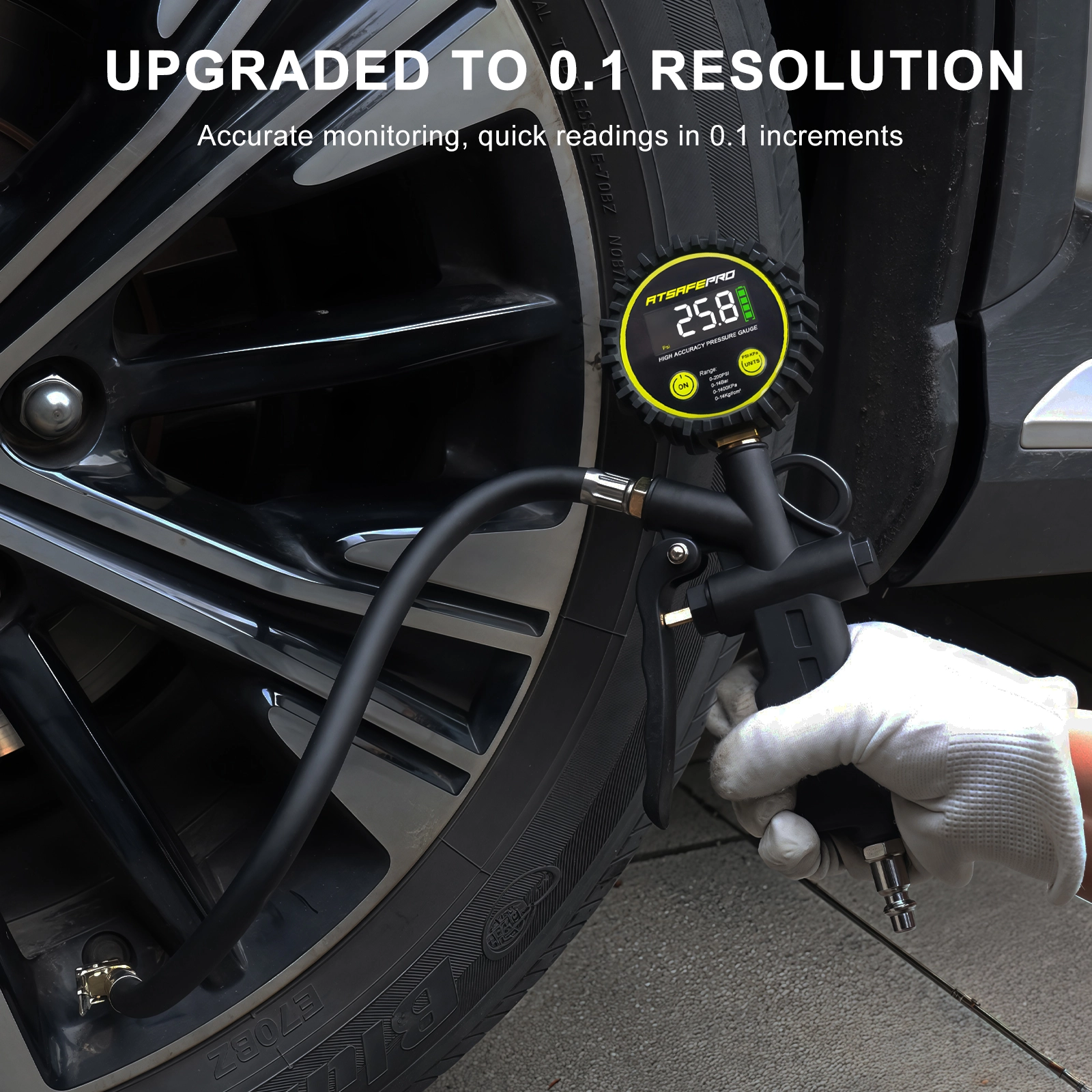
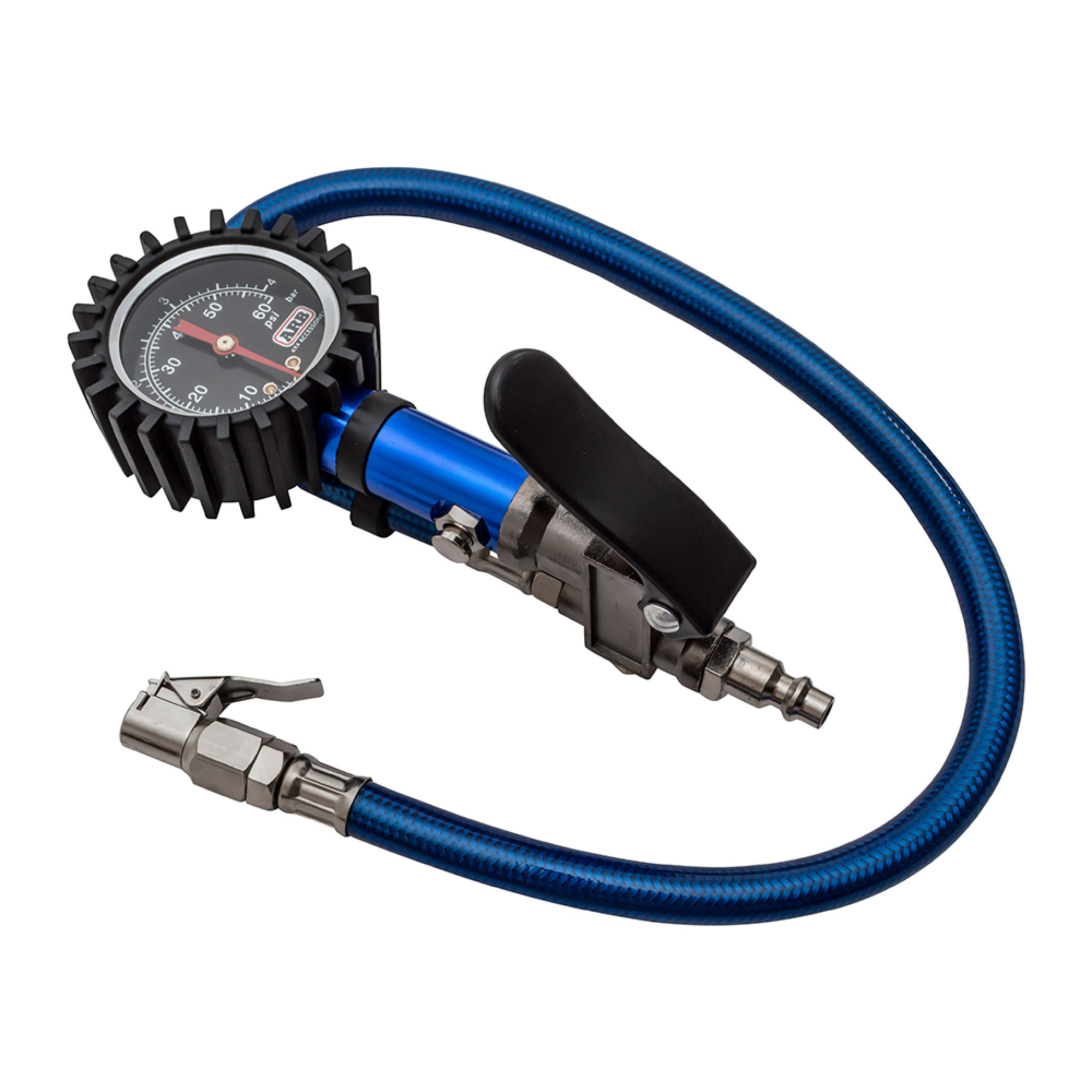
A digital tire inflator reads pressure with electronic sensors and shows numbers on a screen. An analog tire inflator uses a mechanical gauge with a needle or dial to show pressure.
I’ve used both on cars, bikes, and lawn gear. Digital tire inflator vs analog tire inflator matters if you value speed, exact pressure, and extra features. If you run a small fleet or care about fuel economy, a digital model often saves time and money. If you want a simple, durable tool for occasional use, analog can be ideal.

How they work: basics and key differences
Digital tire inflator vs analog tire inflator differ at the sensor level and how they display results. Digital units use electronic pressure sensors. Those sensors send a signal to a microchip that converts it into a numeric readout.
Analog units rely on a Bourdon tube or a mechanical spring and a needle. The tire pressure expands the tube or moves the spring. That movement turns the needle on a dial. Digital models may include auto-shutoff, preset targets, and backlit screens. Analog models keep things simple: connect, read, and adjust.
Pros and cons: digital tire inflator vs analog tire inflator
Compare key benefits and trade-offs so you can match a tool to your needs.
- Digital advantages
- High accuracy and precise decimal readings for exact PSI.
- Fast readings and features like presets and auto-stop.
- Useful for monitoring multiple vehicles or variable loads.
- Digital drawbacks
- Higher cost and reliance on batteries or charging.
- Electronics can fail if exposed to water or heavy impact.
- Calibration can drift; occasional recheck is needed.
- Analog advantages
- Low cost and no batteries needed.
- Very tough in rough conditions and easy to repair.
- Quick visual check when you only need a general idea.
- Analog drawbacks
- Harder to read exact values, especially small increments.
- Needle can stick after rough use or shocks.
- Less suited to modern tires that need tight tolerances.
My experience: for everyday commuting, a small digital inflator felt like a time-saver. For weekend trail runs and dusty jobs, analog gear kept working when electronics did not.
 reliability: what really matters”
style=”max-width: 100%; height: auto; border: 2px solid black; border-radius: 10px; display: block; margin: 0 auto;”
loading=”lazy”
/>
Accuracy, speed, and reliability: what really matters
When you compare digital tire inflator vs analog tire inflator, accuracy is often the deciding factor. Digital units typically give a readout within 0.5 PSI or better. Analog units can be off by a few PSI if the mechanism ages or the dial is small.
Speed favors digital inflators with quick read and auto-stop. Analog can be fast for rough checks but slower when you chase exact values. Reliability depends on use: analog wins in extreme conditions and rough handling. Digital wins when you store preset pressures and need repeatable results.
I once used a digital inflator to set tire pressure for a long highway trip. The car returned better fuel mileage at the recommended PSI. That small gain paid for the digital inflator in a few months.
Choosing the right inflator: use cases and buying guide
Match the inflator to how you drive and what you own.
- For daily drivers and commuters
- Use digital tire inflator vs analog tire inflator for precise readings and quick checks.
- Choose units with auto-shutoff and a memory for PSI values.
- For off-road and rugged jobs
- Pick analog for durability or a rugged, weatherproof digital model.
- Look for long hoses and solid connectors.
- For bikes and low-volume tires
- Digital inflators help you hit low PSI targets quickly.
- Portable analog hand pumps still work but need more effort.
- For fleets and shops
- Invest in high-quality digital models with calibration options and logs.
- Consider models with built-in compressors and quick-fill ability.
Key features to inspect:
- Display clarity and backlight.
- Hose and chuck quality.
- Power source: battery, rechargeable, or AC.
- Calibration method and warranty.
I recommend testing a unit on your tire and cross-checking it with a trusted gauge. That little test shows whether the digital tire inflator vs analog tire inflator you pick truly meets your needs.
Maintenance and troubleshooting tips
Simple care keeps both types working well.
- Digital care tips
- Keep batteries charged and use dry storage.
- Avoid submerging the unit or exposing it to heavy dust.
- Recalibrate if readings drift or after a hard impact.
- Analog care tips
- Store where the needle won’t be jarred.
- Check for leaks at the chuck and hose regularly.
- Replace the gauge if the needle sticks or the glass fogs.
- Troubleshooting common issues
- If pressure reads low, test with a known good gauge.
- If auto-stop fails on a digital unit, check firmware or battery level.
- If air leaks at the chuck, swap to a different head or replace seals.
From my shop days: a cheap digital inflator with poor seals felt great until its hose cracked. Spend a little more on the hose and chuck. That saves time and keeps readings consistent.
Frequently Asked Questions of digital tire inflator vs analog tire inflator
Is a digital tire inflator more accurate than an analog one?
Yes. Digital tire inflator vs analog tire inflator usually means digital models read within smaller PSI margins. Calibration and battery health still affect accuracy.
Do digital inflators need frequent calibration?
They can drift over time, so check calibration yearly or after heavy use. Recalibrate if readings differ from a trusted reference gauge.
Which inflator type is better for off-road use?
Analog is often more durable in wet and dusty conditions. Rugged digital models exist, but analog is simpler and tougher.
Can I rely on an analog gauge for precise tuning?
Analog gauges give a good ballpark, but they lack the fine increments digital units provide. For precise tuning, use digital.
Are digital inflators worth the extra cost?
If you need precise readings, fast checks, or presets, digital pays off through convenience and fuel savings. For occasional use, analog may be more cost-effective.
Conclusion
Choosing between digital tire inflator vs analog tire inflator comes down to your needs. Pick digital for precision, speed, and modern features. Pick analog for ruggedness, low cost, and simple reliability. Test any inflator you consider and keep it maintained to protect tire life and fuel efficiency. Try one on your next trip, then decide which type suits your routine best. Leave a comment or subscribe to get more gear guides and hands-on tips.