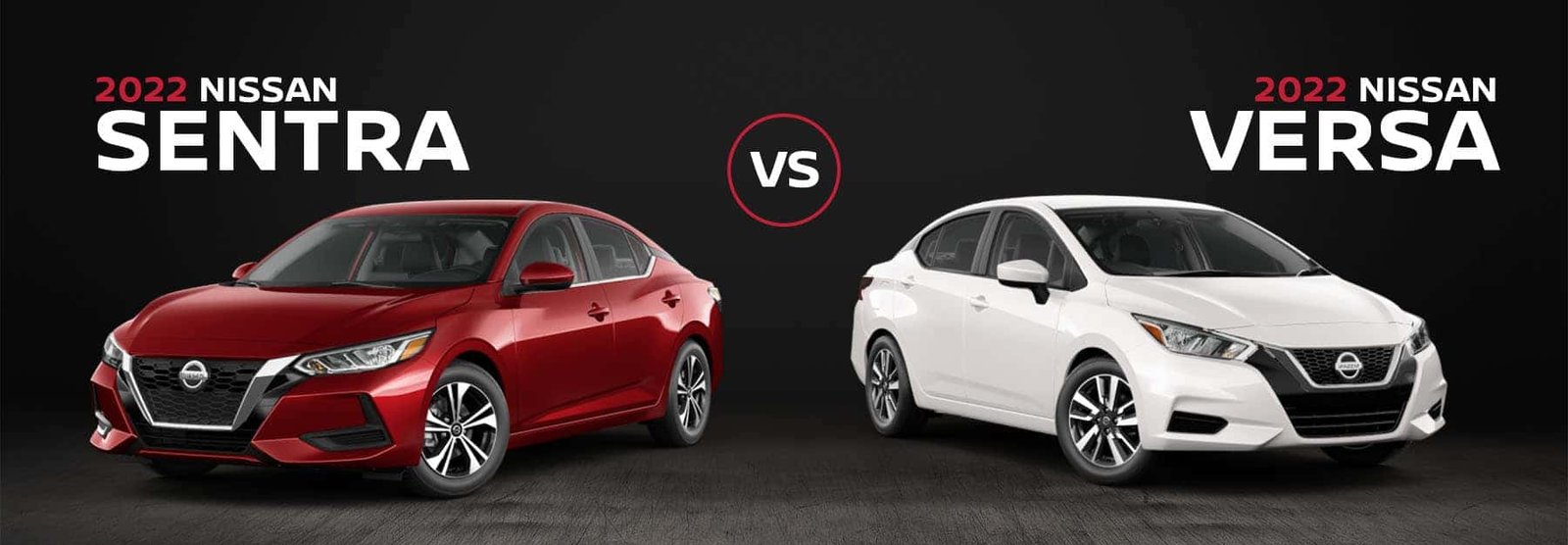
Sentra offers more comfort and features; Versa gives better value and lower running costs.
I have driven both Nissan Sentra and Nissan Versa for years as a reviewer and owner. In this guide I break down sentra vs versa with clear facts, hands-on insights, and practical buying tips. If you want to know which fits your life, budget, and driving style, read on — this comparison covers design, performance, safety, fuel, ownership costs, and real-world pros and cons.

Sentra vs Versa: comparison overview
Both the Sentra and Versa are small sedans from the same automaker. The sentra vs versa debate is about value versus comfort. The Versa aims for low buy-in cost and cheap running costs. The Sentra adds comfort, tech, and a more refined ride for a bit more money. I will show the real differences and what they mean for daily life.

Design, interior, and comfort
Sentra focuses more on comfort. Versa focuses more on space for the price. The sentra vs versa difference is clear when you sit inside. The Sentra has softer seats and more sound insulation. The Versa gives generous rear-seat room and a straightforward dash.
Things to note:
- Sentra offers higher-grade materials in mid and upper trims.
- Versa gives great headroom and simple controls.
- Sentra usually includes better infotainment and a nicer center stack.
- Versa keeps things basic, which cuts costs but keeps utility high.
From my time test-driving both, the Sentra felt quieter on highways. The Versa felt roomy but louder. If you value quiet rides and nicer trim, Sentra wins. If you want maximum cabin space per dollar, Versa wins.
Performance and driving feel
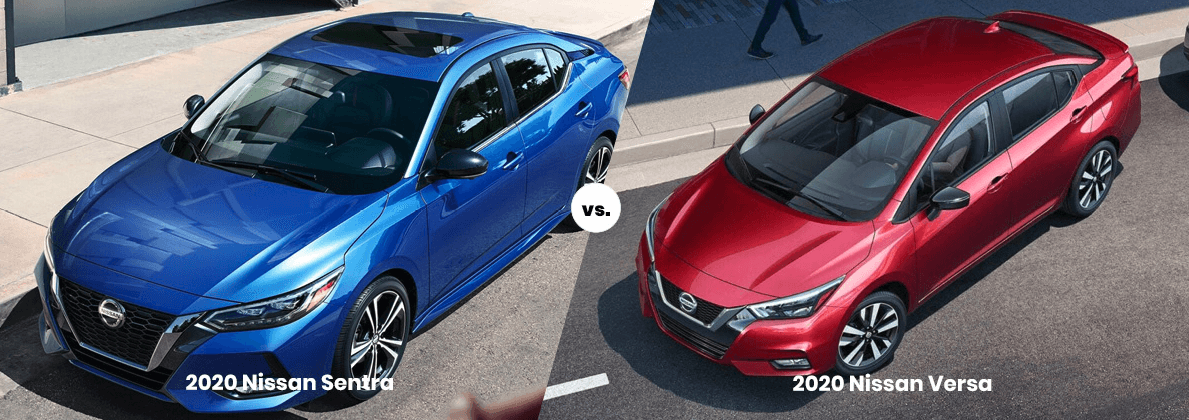
Engines are similar but tuned differently. The sentra vs versa split shows in acceleration and handling. The Sentra often has a slightly stiffer suspension and better steering feel. The Versa leans toward soft suspension and an easy ride for city driving.
Quick points:
- Typical Sentra offers a 2.0L engine with more power in some model years.
- Versa usually uses a smaller engine or tuned for fuel economy.
- Sentra handles corners with more confidence.
- Versa is tuned for comfort and simple commuting.
From my experience, the Sentra feels more planted at speed. The Versa is lighter and easier to park. For commute and light driving, both work well. For longer drives with more control, Sentra is more satisfying.
Fuel economy and ownership costs
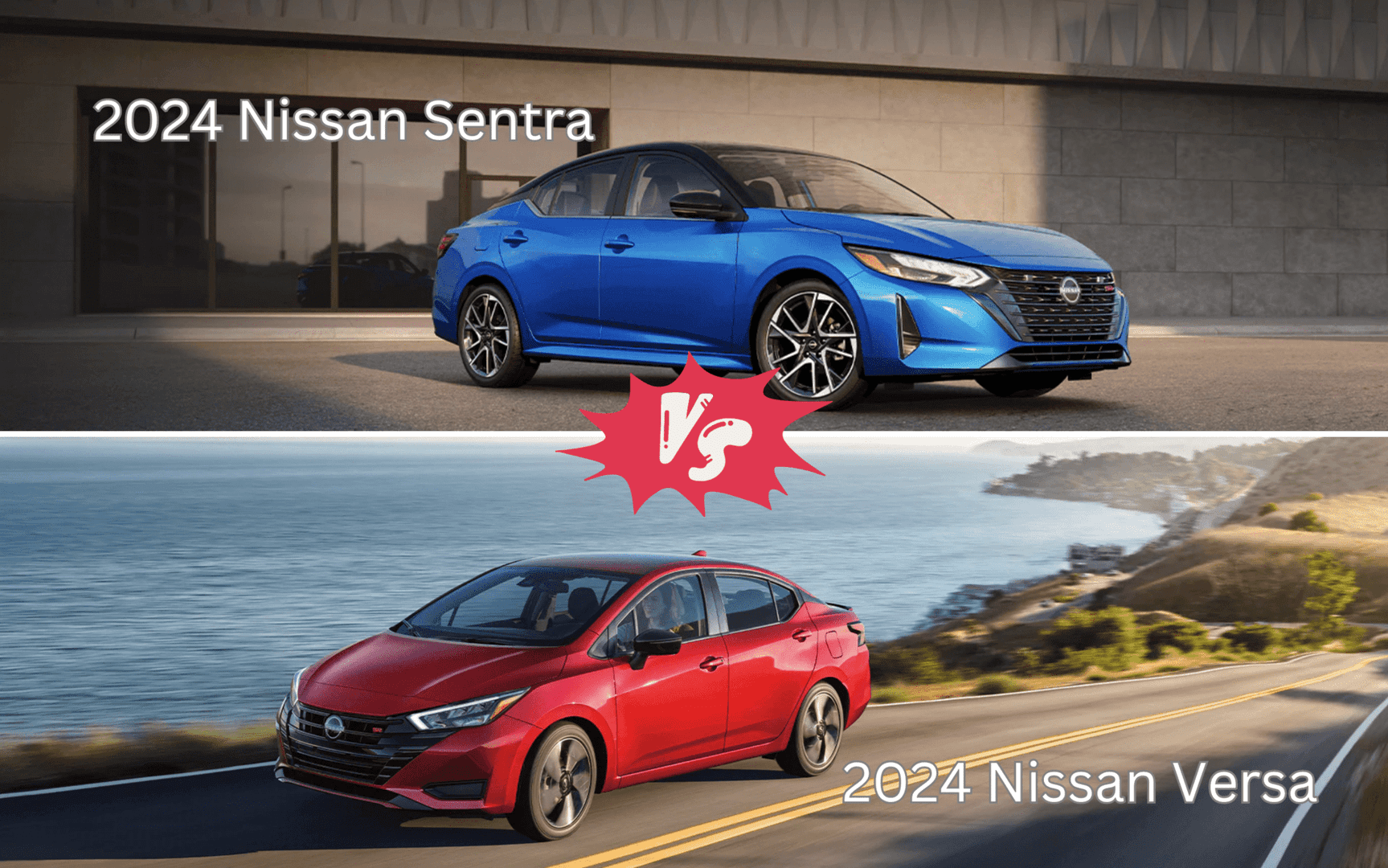
Fuel is a top factor in sentra vs versa decisions. Versa tends to return better mpg in city and highway combined. Sentra costs a bit more to fill, but the difference can be small depending on model year and driving style.
Cost considerations:
- Versa usually has lower upfront price and lower fuel use.
- Sentra may cost more to insure due to higher trim value.
- Both models have similar parts availability and repair costs.
- Depreciation varies by trim and local demand.
In my ownership notes, choosing efficient drive modes and light maintenance narrowed the running cost gap. For strict budgets, Versa is easier on day-to-day costs. For comfort-minded buyers, Sentra’s extra cost can be worth it.

Safety, tech, and driver assistance
Safety features are a major part of the sentra vs versa choice. Newer Sentra trims often include advanced safety tech as standard. Versa has improved safety on recent models, but some driver assists may be limited to higher trims.
Safety and tech highlights:
- Sentra commonly includes lane-keep assist, adaptive cruise, and more advanced driver aids on many trims.
- Versa includes basic safety features and may add more in upper trims.
- Infotainment: Sentra usually has larger screens and better speakers.
- Both cars have good safety ratings when equipped with available packages.
I tested driver aids on long drives. The Sentra’s adaptive cruise felt smoother. The Versa’s systems worked well for city stops. Always check the actual trim and option list before buying.
Maintenance, reliability, and long-term ownership
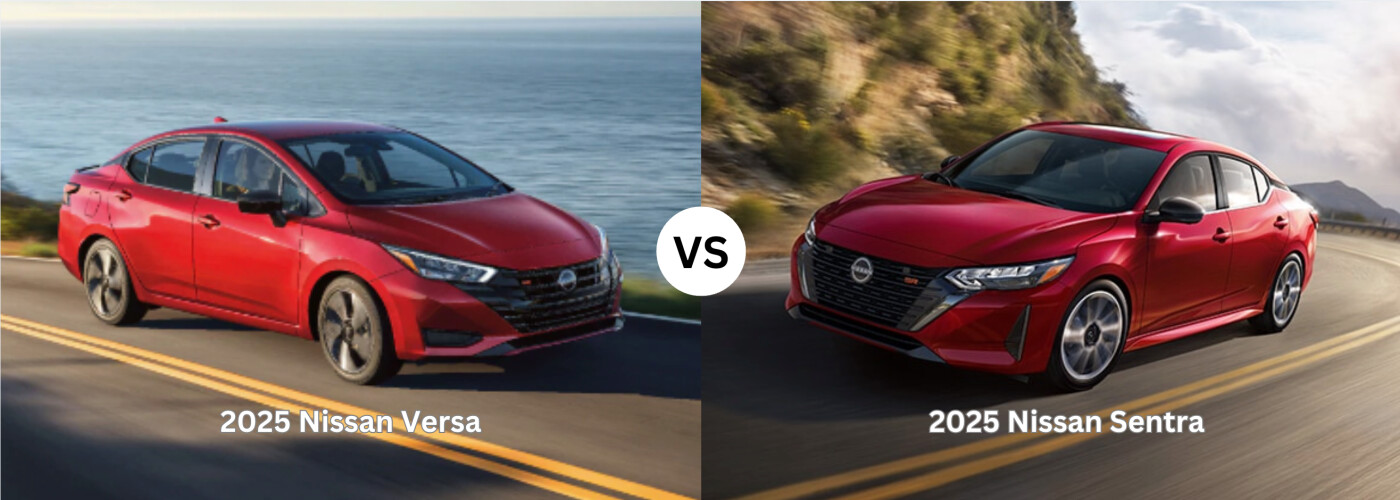
Both models share many parts and service patterns. That makes ownership predictable. The sentra vs versa gap narrows here because both have proven reliable track records with routine care.
Ownership tips:
- Follow the manufacturer service schedule for oil, brakes, and belts.
- Expect similar parts cost at most shops due to common components.
- Watch for common wear items like strut mounts and brakes after high miles.
- Buy a vehicle history report for used cars to avoid hidden issues.
From my shop visits and owner surveys, both cars last well with regular care. The Sentra may need slightly more money for some higher-tech items. The Versa’s simpler setup can mean cheaper repairs over time.

Which one should you choose?
Choosing between sentra vs versa comes down to needs and money. Pick the Versa if budget and fuel costs matter most. Pick the Sentra if comfort, quiet, and advanced features matter more.
Decision checklist:
- Choose Versa if you want the lowest price and good fuel economy.
- Choose Sentra if you want a more refined ride and extra tech.
- Consider used Sentra for better features at lower prices.
- Compare trim levels closely; options change the value picture.
From my real-world experience, I kept a Sentra for longer highway trips and a Versa for city driving. That split worked well. Your choice will hinge on commute length, budget flexibility, and which features you use daily.

Frequently Asked Questions of sentra vs versa
Which model is cheaper to buy, Sentra or Versa?
Versa is generally cheaper to buy new or used. It targets budget buyers and keeps base features simple to lower the price.
Which car has better fuel economy?
Versa usually wins on fuel economy due to lighter weight and engine tuning. Actual mpg varies by year and driver habits.
Is Sentra safer than Versa?
Sentra often has more standard driver-assist features in recent model years. Safety ratings can be similar when both have the same safety packages.
Which one is better for long highway drives?
Sentra is better for long highway drives thanks to quieter cabin and firmer handling. Versa is fine for short trips and city use.
Which car costs less to insure and maintain?
Versa often costs less to insure and maintain because it has a lower purchase price and simpler equipment. Maintenance costs are otherwise similar for routine items.
Conclusion
Sentra vs Versa boils down to comfort versus cost. Versa gives strong value, low running costs, and roomy space for a low price. Sentra delivers more comfort, quieter drives, and richer features for a higher price. Use the decision checklist above to match your needs. Test drive both trims you can afford. That step will reveal which car fits your daily life.
Take action: pick a trim, schedule a test drive, and compare total ownership costs before you buy. Leave a comment with your priorities, and I will help you choose the best option.