Weather changes can alter engine power, fuel efficiency, traction, and overall safety.
I have worked on cars for over a decade and driven in heat, snow, rain, and wind. In this article I explain clearly how weather affects car performance. You will get plain answers, proven tips, and real-life checks you can use today to keep your car reliable in any weather. Read on to learn the causes, signs, fixes, and smart habits that protect your vehicle and your drive.
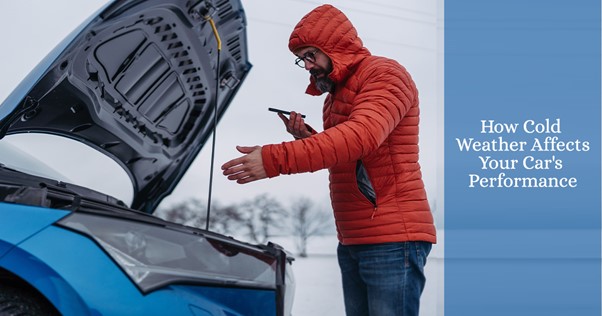
How weather affects car performance: a clear overview
Weather is one of the main factors that changes how a car runs. Temperature, humidity, rain, snow, and wind each change parts of the car. These changes affect engine power, fuel use, braking, tire grip, electrical systems, and cabin comfort. When you know what to look for, you can prevent many failures and drive safer.
Key ways weather affects car performance:
- Engine efficiency: Cold and hot air change combustion and power.
- Traction and brakes: Wet, icy, or loose roads cut grip and increase stopping distance.
- Electrical systems: Batteries and sensors respond poorly to extremes.
- Fuel use: Cold engines use more fuel; heat can increase air conditioning load.
- Tires and suspension: Temperature alters pressure and wear.
I will cover each factor in detail. I will also share my hands-on tips from years in the shop and on long road trips. This will help you save money and avoid avoidable breakdowns.

Cold weather effects on cars
Cold weather can be harsh on vehicles. It slows chemical reactions in batteries and thickens fluids. Cold air is denser, which affects engines and fuel mix.
How cold impacts parts:
- Battery: Cold reduces cranking power. Older batteries fail in winter.
- Engine oil: Viscosity rises, making the engine harder to turn at start.
- Fuel: Gasoline vapor behavior changes; diesel can gel in very low temps.
- Tires: Pressure drops in cold air, lowering traction and causing uneven wear.
- Cabin heating: Heater delay can cause fogging and driver discomfort.
Signs of cold-related trouble:
- Slow engine crank or no-start.
- Rough idle after cold starts.
- Dim headlamps or flickering interior lights.
- Longer stopping distances on cold roads.
Practical tips I use:
- Replace batteries older than 4–5 years before winter.
- Use winter-grade oil as recommended by the manufacturer.
- Check tire pressure weekly when temps drop.
- Keep fuel tank at least half full to reduce condensation.
- Carry an ice scraper, small shovel, and warm gloves.
From my experience, a weak battery often shows up the first cold morning of the season. A quick pre-winter check saves many roadside calls.

Hot weather effects on cars
High heat stresses cooling systems and interior components. Hot air is less dense, which can reduce engine power. Air conditioning use raises engine load and fuel use.
How heat affects parts:
- Cooling system: Overheating can warp heads and damage gaskets.
- Transmission: Hot fluid breaks down faster, lowering protection.
- Tires: High road temps increase tire pressure and risk of blowouts.
- Battery: Heat shortens battery life by accelerating chemical wear.
- AC system: Heavy use can strain belts and the compressor.
Signs of heat-related trouble:
- Temperature gauge rising above normal.
- Steam or smell of coolant.
- Soft or bulging tires on hot days.
- Weak cabin cooling or odd AC noises.
Practical tips I use:
- Check coolant level and hoses before summer travel.
- Replace old coolant and use the correct mix.
- Inspect belts and pulleys for cracks.
- Park in shade when possible and use sunshades to protect the interior.
- Keep tire pressure within the manufacturer’s recommended range; check when tires are cool.
On long summer drives, I watch the temperature gauge closely. Pull over early if it starts climbing. Small stops to top up coolant can prevent big repairs.
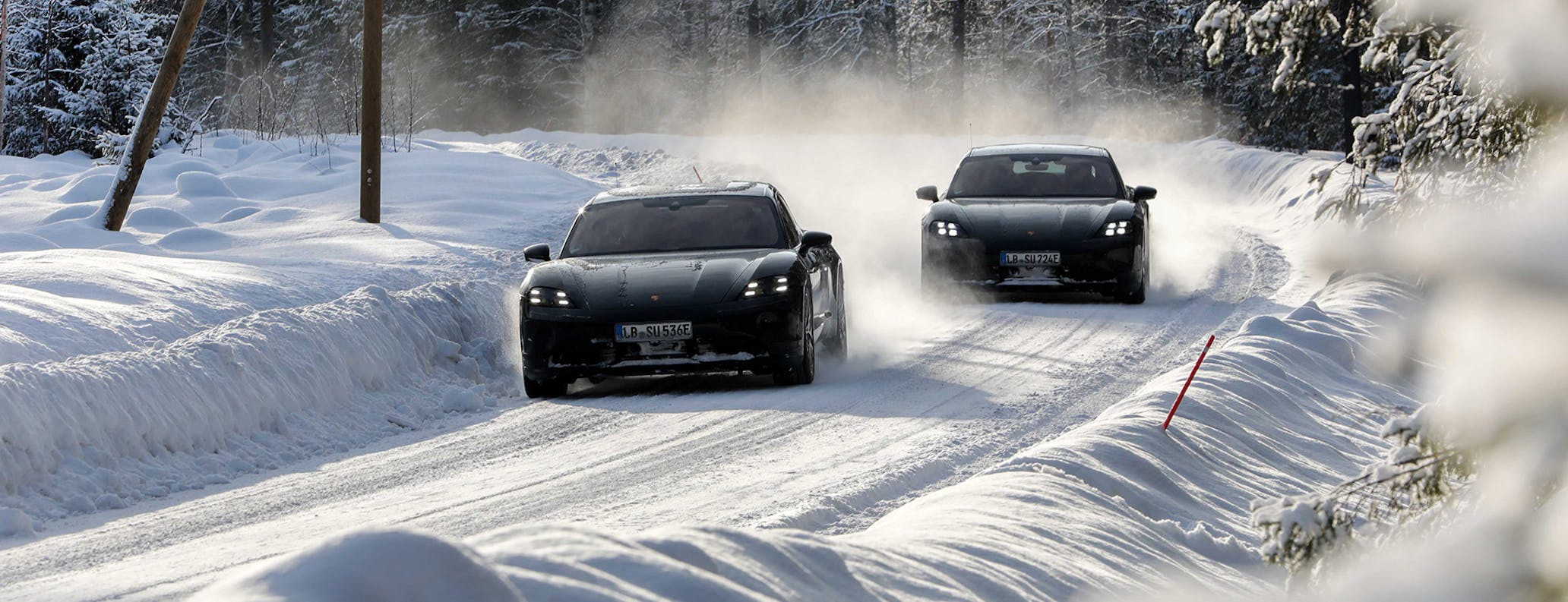
Rain, ice, snow, and humidity: grip, visibility, and corrosion
Wet or icy roads and high humidity change traction, braking, and visibility. Water can also speed up rusting and corrode electrical connections.
Effects on safety and parts:
- Traction loss: Water and ice reduce tire contact with the road.
- Braking: Stopping distances increase in wet or icy conditions.
- Visibility: Rain, snow, and fog lower sight distance and sometimes blind sensors.
- Corrosion: Salt and moisture accelerate rust on undercarriage and brake parts.
- Sensors: Rain and ice can obstruct cameras, radar, and lidar.
Driving habits to reduce risk:
- Slow down early for wet or icy roads.
- Increase following distance by at least two to three times in poor conditions.
- Replace worn wiper blades annually.
- Use winter tires in snowy climates for better traction.
- Wash the underbody after winter trips to remove salt.
A note from the road: I once drove in freezing rain without winter tires. The car felt like it floated on ice. I learned the hard way to switch to winter tires well before the first storm.

Wind and atmospheric pressure: steering, stability, and fuel economy
Strong winds can push vehicles off course. Low barometric pressure and storms can mean rapid weather changes that affect ride comfort and efficiency.
How wind and pressure affect performance:
- Crosswinds: Large gusts push high-profile vehicles and trailers.
- Handling: Wind can change the steering feel and require more correction.
- Fuel economy: Headwinds reduce mpg; tailwinds can help.
- Suspension stress: Repeated corrections wear steering components faster.
Driver tips:
- Keep both hands on the wheel and reduce speed in strong crosswinds.
- Be cautious passing high trucks; gusts can be strong in the wake.
- Tie down or remove roof cargo in high wind to reduce drag and lift.
In windy coastal drives I limit speed and keep a firm grip. I also secure roof racks before storms. This saves fuel and reduces risk of damage.

How to prepare and maintain your car for all weather
Routine maintenance reduces weather-related failure. Small checks prevent big problems.
Seasonal checklist:
- Winter
- Replace battery if weak.
- Fit winter or all-season tires with good tread.
- Check heater and defroster.
- Keep emergency kit with blanket and jump leads.
- Summer
- Inspect coolant, radiator, and hoses.
- Check AC system and cabin filter.
- Monitor tire pressure and wheel alignment.
- Rainy season
- Replace wipers and check washer fluid.
- Inspect brake pads and rotors for wear.
- Check seals and drains to avoid water ingress.
- Year-round
- Check lights, battery, and tire tread monthly.
- Follow service intervals for oil, filters, and belts.
Tools and items to carry:
- Tire gauge and portable air compressor.
- Jumper cables or a jump starter pack.
- Ice scraper and small brush in winter.
- Water, snacks, and first-aid kit for long trips.
My shop routine that helps customers:
- I check battery health before winter and replace weak units.
- I recommend tire swaps early rather than on the first cold day.
- I log coolant and transmission service dates to prevent overheating.
These steps help your car adapt to weather and reduce the chance of breakdowns.

Driving tips for different weather conditions
Simple changes in behavior add big safety gains. Match your driving to the weather.
Rain and wet roads:
- Slow down and avoid sudden steering.
- Use gentle braking and allow extra stopping distance.
- Avoid standing water to reduce hydroplaning risk.
Snow and ice:
- Accelerate and brake gently to avoid wheel spin.
- Use a higher gear on slippery surfaces if you drive a manual.
- Remove snow from lights and roof before driving.
Hot weather:
- Use AC moderately and park in shade.
- Watch tire pressure as it rises in heat.
- Carry extra water for long trips.
Windy conditions:
- Drive away from large trucks if possible.
- Keep a steady line and reduce speed for better control.
- Remove rooftop boxes when wind is forecast.
I once followed these tips on a mountain road in fog. I kept speed low and used fog lights. The trip felt safer and I avoided close calls.

Common failures and how to diagnose them quickly
Knowing quick checks saves time and money. Here are simple ways to spot weather-induced issues.
Quick diagnostics:
- No start in cold: Check battery voltage and terminals for corrosion.
- Overheating: Check coolant level and radiator fan operation.
- Poor fuel economy: Inspect air filter and tire pressure.
- Squeaky belts in heat: Look for cracks or glazing on belts.
- Reduced AC: Check compressor clutch, refrigerant level, and cabin filter.
When to see a pro:
- Repeated battery failures.
- Coolant leaks or frequent overheating.
- Brake fade or inconsistent stopping.
- Unusual noises or warning lights that persist.
My rule is to act early. Replacing a worn belt or weak battery is far cheaper than a broken alternator or tow bill.

Frequently Asked Questions of how weather affects car performance
How does cold weather affect my car battery?
Cold slows the chemical reactions in a battery. This reduces starting power and can cause older batteries to fail. Keep batteries tested and replace weak ones before winter.
Will hot weather damage my engine?
High heat can cause overheating if the cooling system is weak. It also stresses fluids and belts. Regular coolant checks and timely belt replacements reduce risk.
Do I need different tires for winter?
Winter tires improve grip in snow and ice. They use a softer compound and deeper tread patterns for cold temperatures and snowy roads. Use them in regions with regular winter storms.
How does rain affect braking distance?
Wet roads reduce friction and increase stopping distance. Heavy rain can also cause hydroplaning. Slow down and increase following distance in wet conditions.
Can humidity affect engine performance?
High humidity reduces air density and can slightly lower engine power. It can also cause condensation in fuel or electrical parts if severe. Proper maintenance limits these effects.
Should I change oil for seasonal weather?
Check your owner’s manual. Some cars benefit from different oil viscosities in extreme cold or heat. Follow manufacturer recommendations for best results.
How often should I check tire pressure in changing weather?
Check tire pressure at least once a month and when temperatures shift significantly. Tire pressure drops in cold weather and rises in hot weather. Proper pressure improves safety and fuel economy.
Conclusion
Weather affects car performance in many ways. Temperature, moisture, wind, and pressure change engine behavior, tire grip, braking, and electrical systems. Regular checks, seasonal swaps, and simple driving adjustments reduce risk and save money. Start by testing your battery, checking tire pressure, and keeping fluids in good condition. Take one step today: set a reminder to do a seasonal car check, and leave a comment with your own weather-tested tips or questions.