
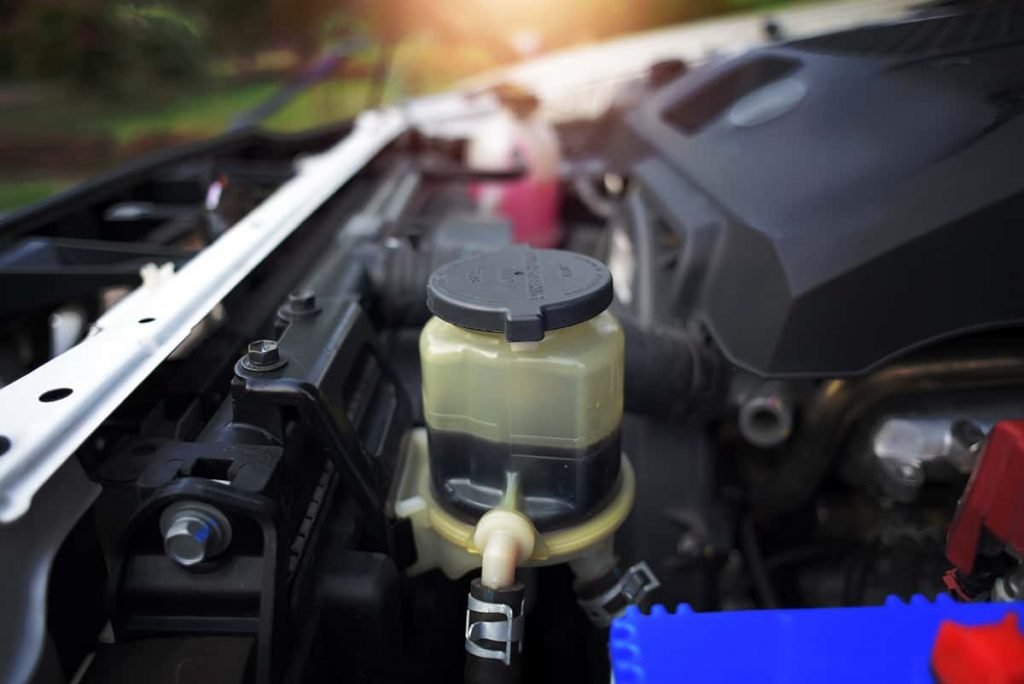
If you drive in the United States, you use your steering system every day. From parking at a grocery store to making turns on busy roads, your vehicle depends on a working power steering system. Many drivers notice the steering wheel but forget the fluid that makes the system work.
What Is Power Steering Fluid and What Does It Do is a common question among car owners because this fluid plays a major role in steering comfort and safety. In my experience studying vehicle maintenance, many steering problems start with simple fluid issues that owners overlook.
Power steering fluid creates hydraulic pressure inside the steering system. This pressure helps the power steering pump assist your steering effort, making the wheel easier to turn. Without the right fluid level and condition, the system can become noisy, stiff, or damaged.

What Is Power Steering Fluid?
Power steering fluid is a special hydraulic fluid used in vehicles with hydraulic power steering systems. It transfers pressure from the power steering pump to the steering gear, helping the driver turn the wheels with less force.
Unlike engine oil, power steering fluid does not lubricate engine parts. Its main job is to move energy through the steering system while protecting internal components from friction and heat.
What Is Power Steering Fluid and What Does It Do depends on the type of steering system in your vehicle. Some cars use dedicated power steering fluid, while others use automatic transmission fluid approved by the manufacturer.
- ✦ Hydraulic Pressure Transfer
The fluid carries pressure created by the pump to help move steering components.
- ✦ Component Protection
The fluid reduces wear by keeping moving parts lubricated and cooler.
- ✦ Smooth Steering Feel
Clean fluid helps the steering wheel turn easily and respond properly.
How Power Steering Fluid Differs From Other Vehicle Fluids
Every vehicle fluid has a specific purpose. Brake fluid transfers braking force, engine oil protects the engine, and coolant controls engine temperature. Power steering fluid is designed specifically for steering pressure and movement.
Using the wrong fluid can damage seals, reduce system performance, and create expensive repairs. Always check your owner’s manual before adding any fluid.
How Does Power Steering Fluid Work?
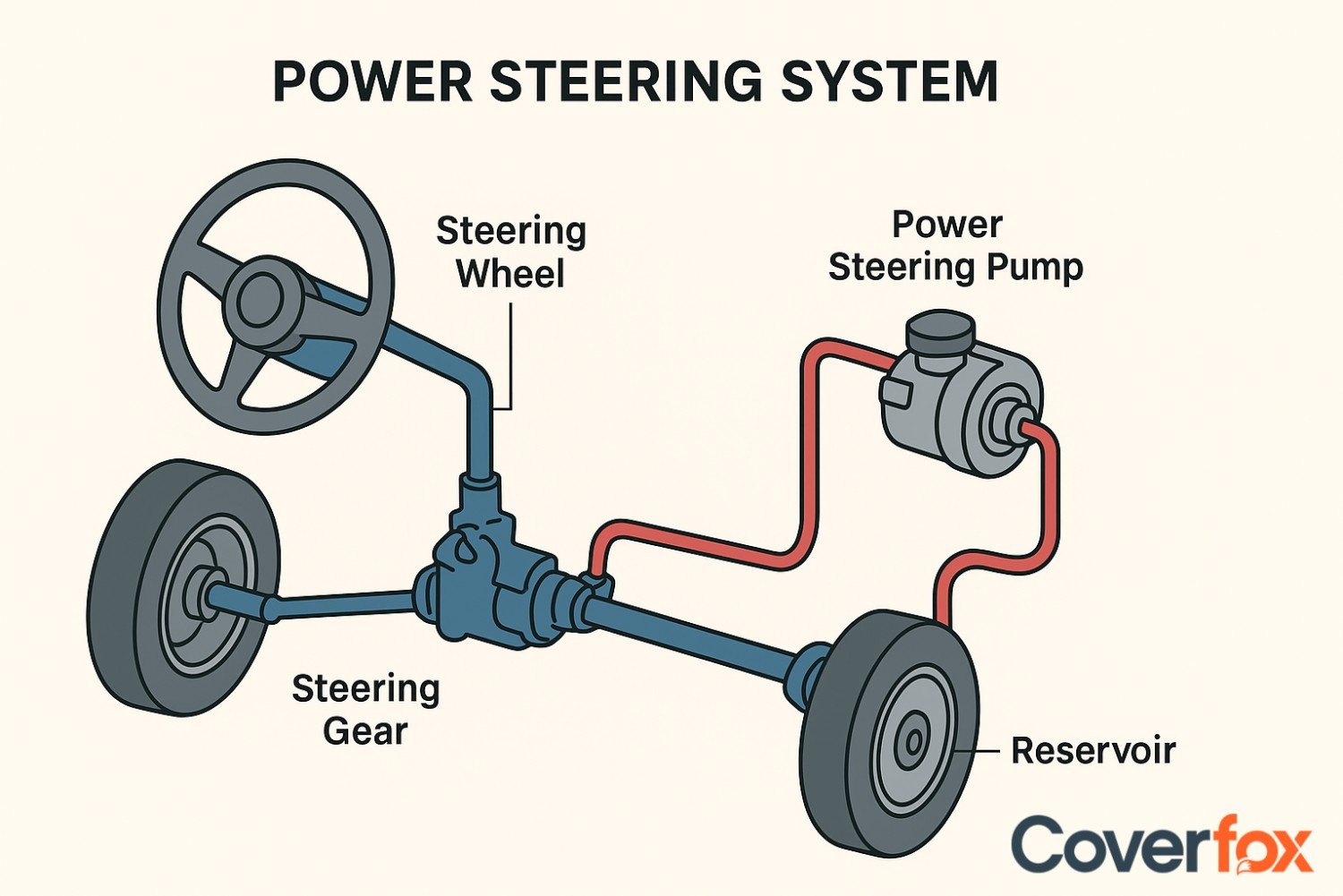
To understand What Is Power Steering Fluid and What Does It Do, it helps to understand the basic steering process. When you turn the steering wheel, the power steering pump pushes fluid through hydraulic lines.
The pressurized fluid reaches the steering gear, where it helps move the wheels in the direction you choose. This assistance reduces the physical effort needed to control the vehicle.
The fluid also absorbs some heat created by constant movement and pressure. Clean fluid allows the system to operate smoothly for a longer time.
- ✦ Fluid Movement
The pump moves fluid through hoses and chambers inside the steering system.
- ✦ Pressure Support
Hydraulic pressure helps turn the wheels without requiring heavy steering force.
- ✦ Heat Control
The fluid helps manage heat caused by repeated steering movement.
Why Does Your Vehicle Need Power Steering Fluid?
Modern vehicles are designed for comfort and easy handling. Power steering fluid allows drivers to control heavier vehicles without fighting against the weight of the tires and steering parts.
Without enough fluid, the power steering pump may struggle to create pressure. This can make the steering wheel harder to turn, especially during parking or slow-speed driving.
What Is Power Steering Fluid and What Does It Do becomes clearer when you see how much daily driving depends on smooth steering assistance.

- ✦ Easier Steering
The fluid helps drivers turn the wheel with less physical effort.
- ✦ Pump Protection
Proper fluid levels prevent excessive strain on the power steering pump.
- ✦ Longer System Life
Clean fluid helps steering parts last longer.
Benefits During Everyday Driving
A healthy power steering system makes daily driving more comfortable. It helps with tight parking spaces, highway lane changes, and normal cornering.
Many drivers first notice a problem when steering feels heavier than normal. Checking the fluid condition can help find issues early.
Types of Power Steering Fluid
There are different types of power steering fluid because vehicle manufacturers design steering systems with different materials and requirements. The correct fluid depends on your specific vehicle.
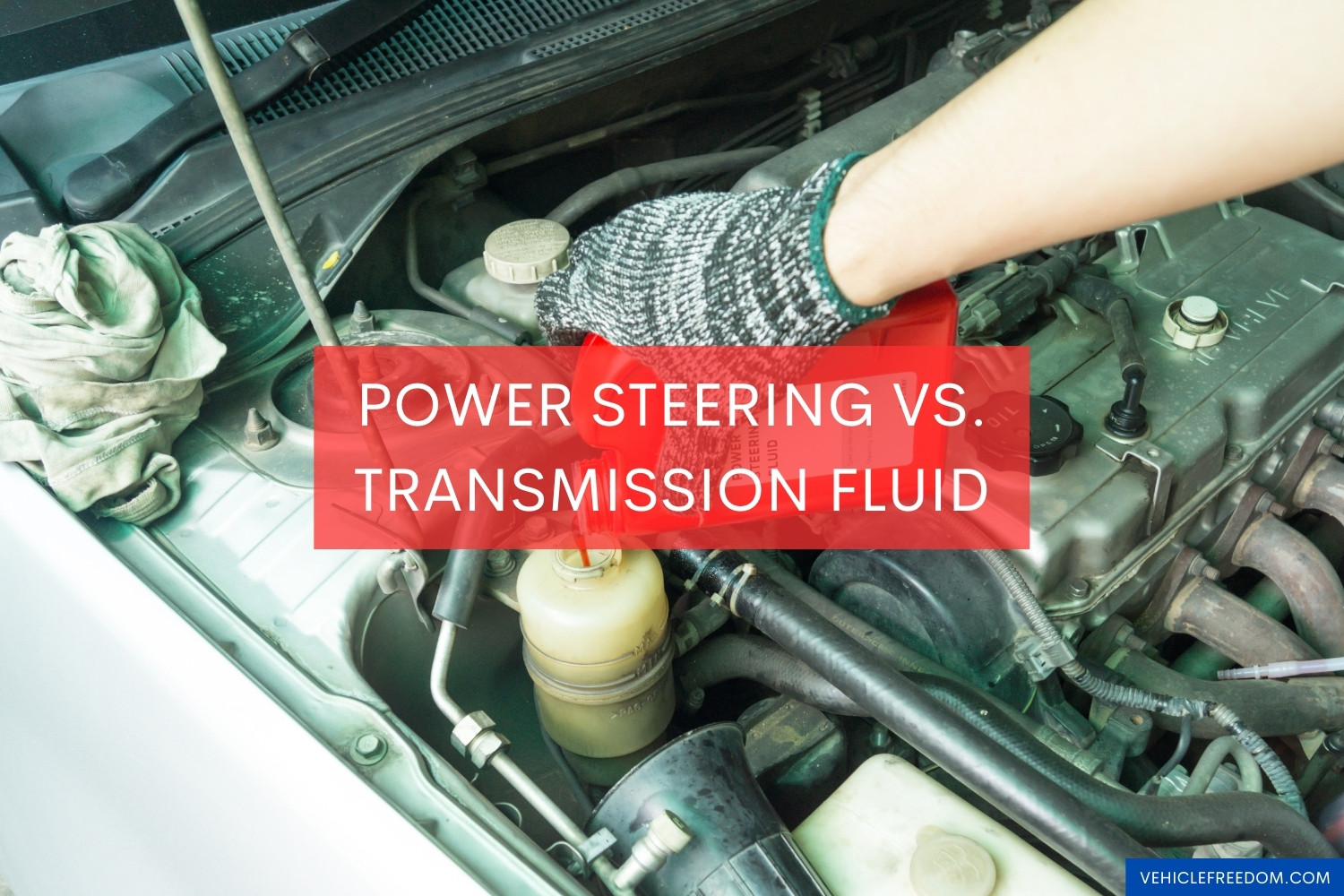
Some systems use traditional hydraulic power steering fluid, while others use automatic transmission fluid or synthetic fluids. Using the wrong product may cause seal problems or poor performance.
Always follow the manufacturer’s recommendation when selecting power steering fluid for your car or truck.
- ✦ Mineral-Based Fluid
A traditional fluid type used in some older hydraulic steering systems.
- ✦ Synthetic Fluid
A modern option designed to provide better temperature protection in some vehicles.
- ✦ ATF-Based Fluid
Some manufacturers specify automatic transmission fluid for power steering systems.
Signs Your Power Steering Fluid Needs Attention
Power steering fluid does not always fail suddenly. Over time, it can become dirty, lose its protective qualities, or leak from damaged hoses and seals.
Recognizing early warning signs can help prevent expensive repairs. A small fluid issue can become a major power steering pump problem if ignored.

- ✦ Hard Steering Wheel
Low fluid levels can make turning the wheel feel heavier than usual.
- ✦ Whining Noise
A noisy pump may indicate low fluid or air entering the system.
- ✦ Fluid Leaks
Red, amber, or clear fluid under the vehicle may indicate a steering leak.
- ✦ Slow Steering Response
Dirty fluid may reduce smooth steering performance.
How to Maintain Power Steering Fluid
Regular inspection is one of the easiest ways to protect your steering system. Many vehicle owners check engine oil and coolant but forget about power steering fluid.
You should inspect the fluid level and condition based on your vehicle manufacturer’s maintenance schedule. Some modern vehicles use sealed systems that require less frequent service.
If the fluid looks dark, smells burnt, or contains debris, a professional inspection may be needed.

- ✦ Check Fluid Level
Keep the fluid between the minimum and maximum marks on the reservoir.
- ✦ Inspect Color
Clean fluid is usually clear or lightly colored depending on the formula.
- ✦ Fix Leaks Quickly
Leaks can reduce system pressure and damage the pump.
