
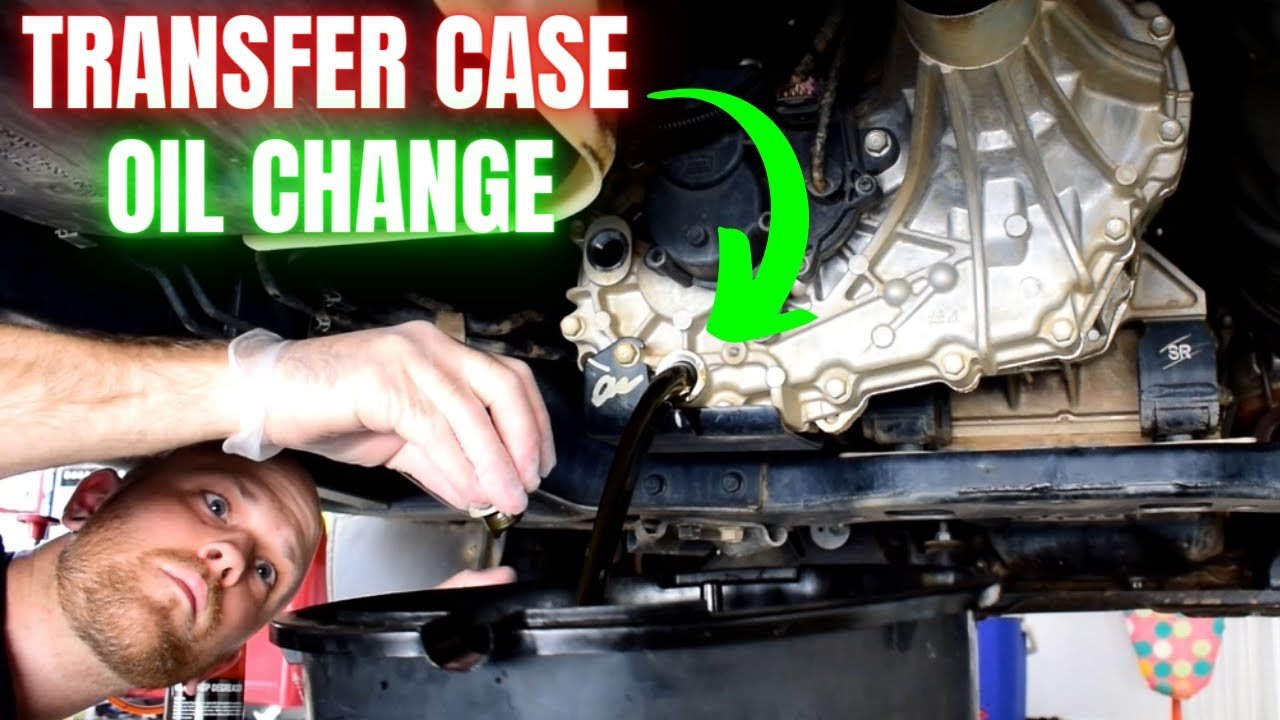
If you drive a 4WD truck, SUV, or AWD vehicle in the United States, your transfer case plays a key role every time power moves to more than one axle. The transfer case uses special fluid to protect gears, bearings, and chains that handle engine power.
Many drivers know about engine oil and transmission fluid but forget about transfer case fluid. In my experience studying vehicle maintenance issues, neglected drivetrain fluids often create costly repairs because problems stay hidden until parts begin to wear.
Understanding What Is Transfer Case Fluid and When Does It Need Changing helps you protect your vehicle, improve reliability, and avoid unexpected repair bills. A simple fluid service can help your 4WD or AWD system perform better for years.

What Is Transfer Case Fluid and What Does It Do?
Transfer case fluid is a special lubricant designed for the transfer case in four-wheel-drive and all-wheel-drive vehicles. The transfer case sits between the transmission and axles. It sends engine power to the front and rear wheels.
The fluid reduces friction between moving parts. It also helps control heat and protects metal surfaces from wear. Without proper fluid, internal parts can grind, overheat, or fail.
The exact fluid type depends on the vehicle. Some transfer cases use automatic transmission fluid, while others need special gear oil or manufacturer-specific fluid.
- ✦ Lubrication
Transfer case fluid creates a protective layer between gears, chains, and bearings.
- ✦ Heat Control
The fluid carries heat away from moving parts during normal driving and heavy use.
- ✦ Component Protection
Clean fluid helps prevent wear and extends transfer case life.
How the Transfer Case Works
The transfer case receives power from the transmission and splits it between axles. In 4WD vehicles, it allows drivers to select different driving modes for snow, mud, trails, or normal roads.
Because the transfer case handles constant movement and torque, it needs the correct fluid to work safely.
Why Transfer Case Fluid Matters for 4WD and AWD Vehicles
Four-wheel-drive and all-wheel-drive systems place extra demands on drivetrain parts. The transfer case works whenever power distribution changes between wheels.
Old or contaminated fluid loses its ability to protect internal parts. Over time, this can increase friction and create damage inside the transfer case.
For American drivers who tow trailers, drive in snow, or use trucks for work, regular transfer case fluid service becomes even more important.

- ✦ Better Drivetrain Performance
Fresh fluid helps the transfer case move power smoothly between axles.
- ✦ Reduced Wear
Clean lubricant protects expensive internal components from unnecessary damage.
When Does Transfer Case Fluid Need Changing?
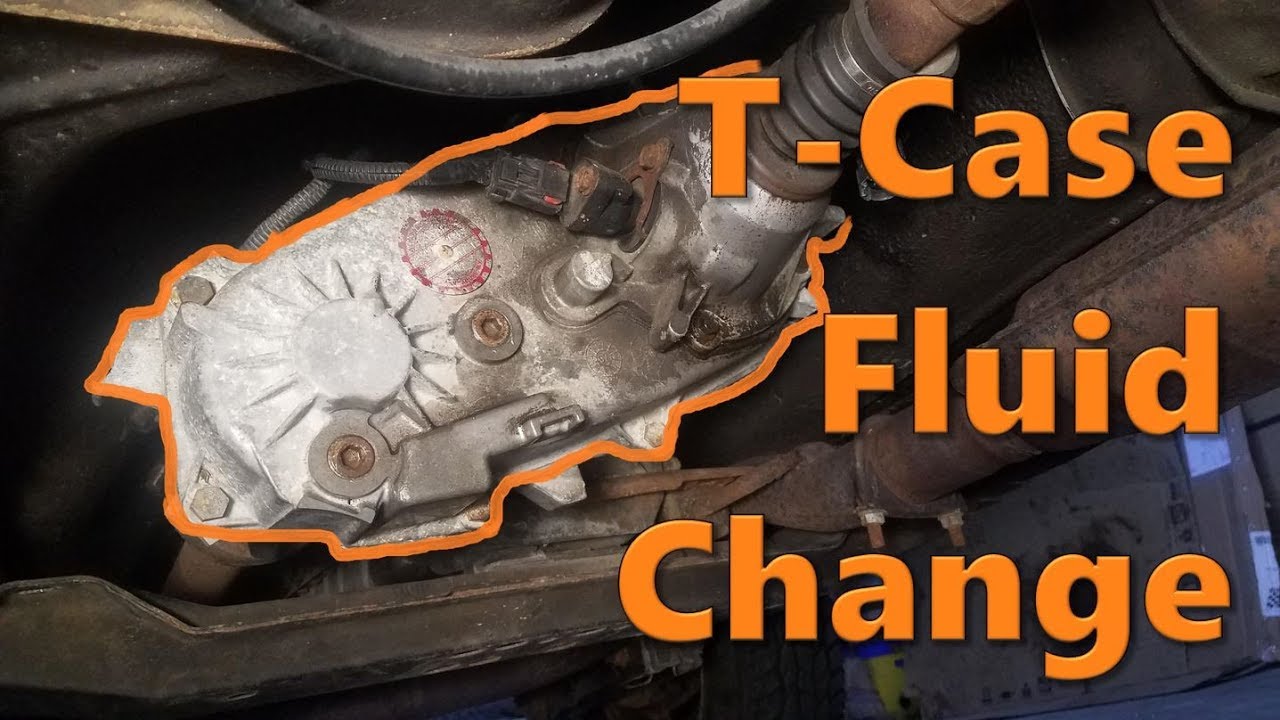
The answer to What Is Transfer Case Fluid and When Does It Need Changing depends on your vehicle, driving habits, and manufacturer recommendations. Many manufacturers suggest checking or replacing the fluid at specific mileage intervals.
Some vehicles may need service around 30,000 to 60,000 miles, while others may have longer intervals. Always check your owner’s manual because each transfer case has different requirements.
Severe driving conditions can shorten the service interval. Frequent towing, off-road driving, deep water exposure, and heavy loads can break down fluid faster.
- ✦ Regular Driving
Follow the maintenance schedule listed by your vehicle manufacturer.
- ✦ Heavy Use
Change fluid sooner if you tow, haul, or drive off-road often.
- ✦ Fluid Condition
Dirty, dark, or contaminated fluid may require replacement even before the scheduled interval.
Signs Your Transfer Case Fluid May Need Replacement
A vehicle may show warning signs when transfer case fluid becomes old or low. Paying attention early can prevent larger problems.
- ✦ Unusual Noises
Grinding, humming, or whining sounds can indicate poor lubrication.
- ✦ Difficulty Changing Modes
Problems switching between 2WD and 4WD may point to transfer case issues.
How to Check Transfer Case Fluid Condition
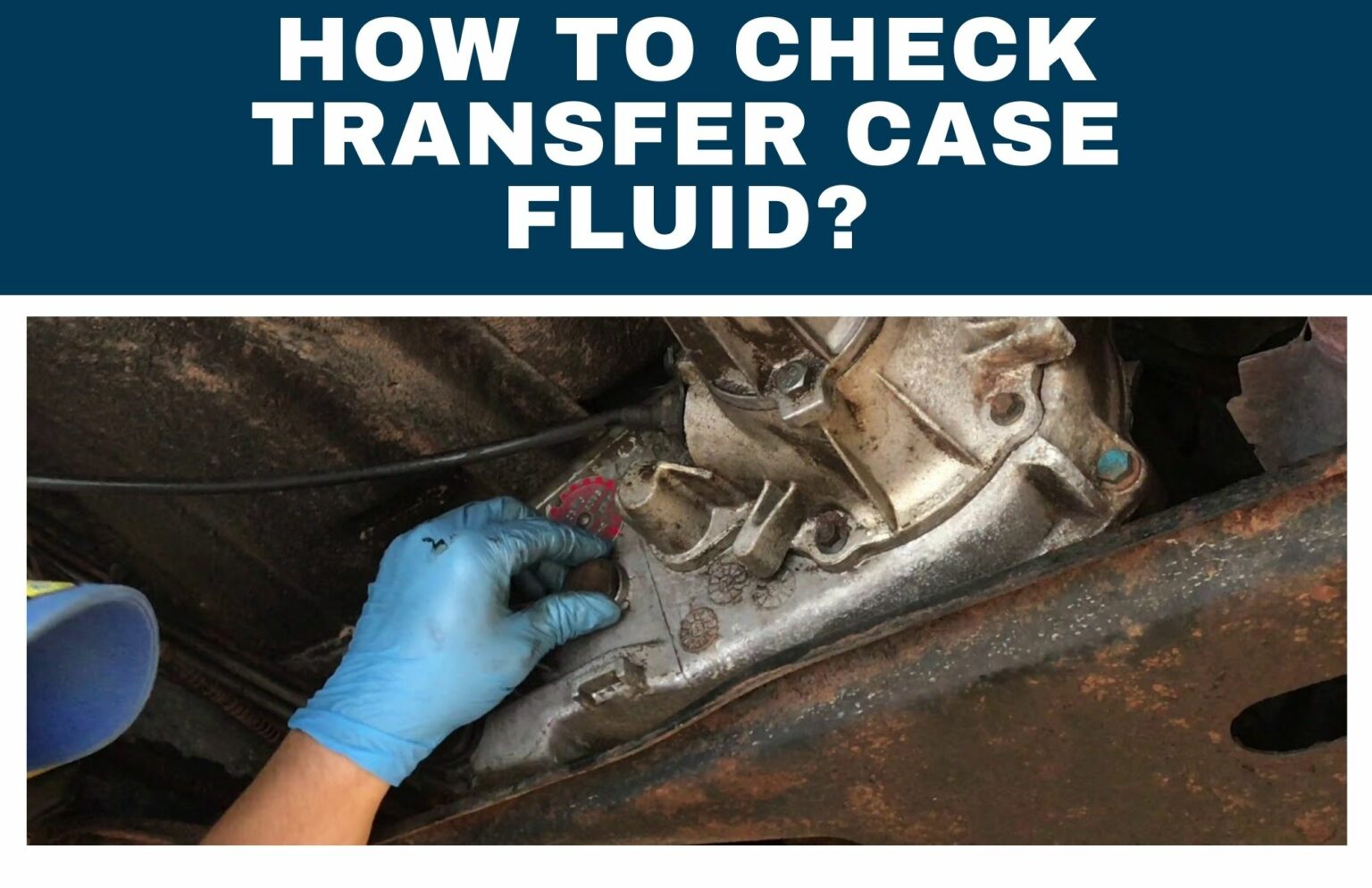
Checking transfer case fluid requires looking at the fluid level, color, and condition. Many transfer cases have a fill plug that allows inspection.
A healthy fluid level should reach the correct point recommended by the manufacturer. Low fluid can mean a leak or poor maintenance.
A mechanic can inspect the fluid for metal particles, burning smells, or signs of contamination.
- ✦ Fluid Color
Fresh fluid usually has a clean appearance, while old fluid may look dark or dirty.
- ✦ Fluid Smell
A burnt smell may indicate overheating or excessive wear.
What Happens If You Do Not Change Transfer Case Fluid?
Ignoring transfer case fluid maintenance can lead to serious drivetrain problems. As fluid breaks down, it loses protection and allows more friction between parts.
Over time, worn gears, damaged bearings, or chain problems may require expensive repairs. A small maintenance service can prevent larger mechanical failures.
Many vehicle owners focus only on engine oil changes. However, drivetrain fluids like transfer case fluid are also important for long-term reliability.

- ✦ Increased Wear
Old fluid cannot protect internal parts as effectively.
- ✦ Higher Repair Costs
Transfer case damage can require major repairs or replacement.
Transfer Case Fluid Change Process and Cost Factors
A transfer case fluid change usually involves removing old fluid, checking for problems, replacing seals if needed, and adding the correct new fluid.
The process is usually simpler than many major drivetrain repairs. However, using the wrong fluid can damage sensitive components.
The cost depends on the vehicle model, fluid type, labor rates, and whether any leaks or damage are found during inspection.

- ✦ Use Correct Fluid
Always use the fluid type specified by the vehicle manufacturer.
- ✦ Inspect for Leaks
A leak can quickly reduce fluid levels and cause damage.
