
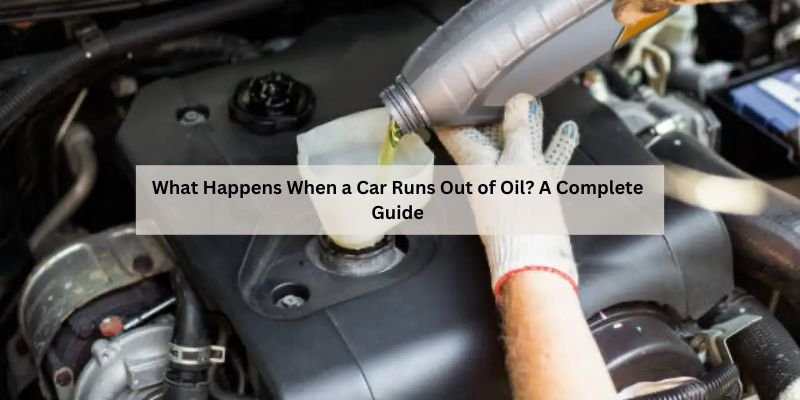
A car without engine oil can overheat, damage internal parts, and eventually stop running.
Understanding what happens when a car runs out of engine oil can help drivers avoid one of the most expensive engine failures. Engine oil does much more than reduce friction. It cools parts, cleans the engine, seals small gaps, and helps the engine work smoothly.
In the United States, many drivers use their vehicles daily for commuting, family trips, and long road journeys. A simple missed oil change or ignored oil leak can turn into major engine damage if the problem is not fixed early.
From years of studying automotive repair issues, one lesson stands out: an engine rarely fails instantly because of low oil alone. Damage usually builds as metal parts run hotter and rub together without proper protection.

Why Engine Oil Is Critical for Your Car
Engine oil creates a thin protective layer between moving metal parts. Inside an engine, components like pistons, bearings, and camshafts move thousands of times every minute. Without oil, these parts create intense friction and heat.
When learning what happens when a car runs out of engine oil, the first thing to understand is lubrication loss. The engine depends on oil flow to reduce wear and keep temperatures under control.
Modern engines are built with tight tolerances, which means even a small drop in oil pressure can affect performance and reliability.
- ✦ Reduces friction
Engine oil prevents direct metal-to-metal contact between moving parts.
- ✦ Controls heat
Oil carries heat away from engine components that coolant may not reach.
- ✦ Removes contaminants
Oil collects dirt and small particles so they can be removed during an oil change.
How Oil Protects Internal Engine Parts
The crankshaft, bearings, and pistons depend on a steady oil supply. When oil disappears, these parts can wear rapidly because they no longer have a protective barrier.
- ✦ Bearing protection
Oil keeps bearings from overheating and wearing against the crankshaft.
What Happens When a Car Runs Out of Engine Oil
When a car runs out of engine oil, the damage process starts quickly. The engine loses lubrication, friction increases, and temperatures rise. The longer the engine runs, the greater the chance of permanent damage.
The exact outcome depends on the vehicle, driving conditions, engine design, and how long it operates without enough oil. Some engines may survive a short period, while others can fail within minutes.
Drivers often notice warning signs before complete failure happens. Paying attention to these signs can save thousands of dollars in repair costs.

- ✦ Increased friction
Metal parts begin rubbing together, causing accelerated wear and possible breakage.
- ✦ Extreme engine heat
Without oil to remove heat, engine temperatures can rise beyond safe levels.
- ✦ Engine seizure
Severe oil loss can cause parts to lock together, stopping the engine completely.
The First Minutes Without Oil
At first, the engine may continue running because some oil residue remains on internal surfaces. However, this protection quickly disappears as friction increases.
- ✦ Early damage
Small scratches and wear marks can form on engine surfaces.
Common Signs Your Car Is Running Low on Engine Oil
Knowing the warning signs is one of the best ways to understand what happens when a car runs out of engine oil. Most vehicles provide clues before serious damage occurs.
Drivers should never ignore dashboard warnings, unusual engine sounds, or changes in performance. These signs often appear before complete engine failure.
- ✦ Oil warning light
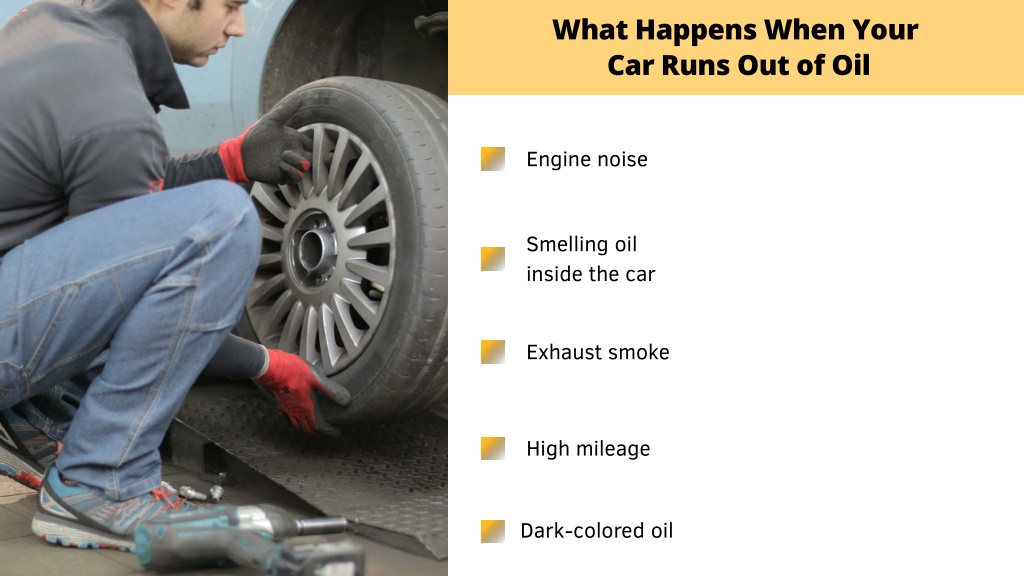
A red oil pressure light usually means the engine may not be receiving enough oil pressure.
- ✦ Knocking or tapping sounds
Unusual metal noises can indicate poor lubrication inside the engine.
- ✦ Burning oil smell
A strong oil smell may mean oil is leaking onto hot engine parts.
- ✦ Loss of engine power
Low lubrication can make the engine run poorly or enter a protection mode.
Why Dashboard Oil Warnings Matter
The oil warning light is not a reminder for a routine oil change. It often indicates low oil pressure, which can mean the engine is already at risk.
- ✦ Act quickly
Pull over safely and check the oil level before continuing to drive.
Types of Engine Damage Caused by Running Without Oil
A lack of engine oil can damage many internal components. Some repairs may involve replacing individual parts, while severe cases may require a complete engine replacement.
Understanding what happens when a car runs out of engine oil helps drivers see why prevention is much cheaper than repair.
- ✦ Damaged bearings
Engine bearings can wear away and create serious internal problems.
- ✦ Cylinder and piston damage
High friction can damage cylinder walls and piston surfaces.
- ✦ Warped engine parts
Extreme heat can change the shape of important engine components.
Can an Engine Be Repaired After Running Without Oil?
Sometimes an engine can be repaired if damage is limited. However, if the engine has seized, replacement is often more practical than rebuilding individual parts.
- ✦ Inspection is required
A mechanic must check internal damage before deciding on repairs.
What To Do If Your Car Runs Out of Engine Oil
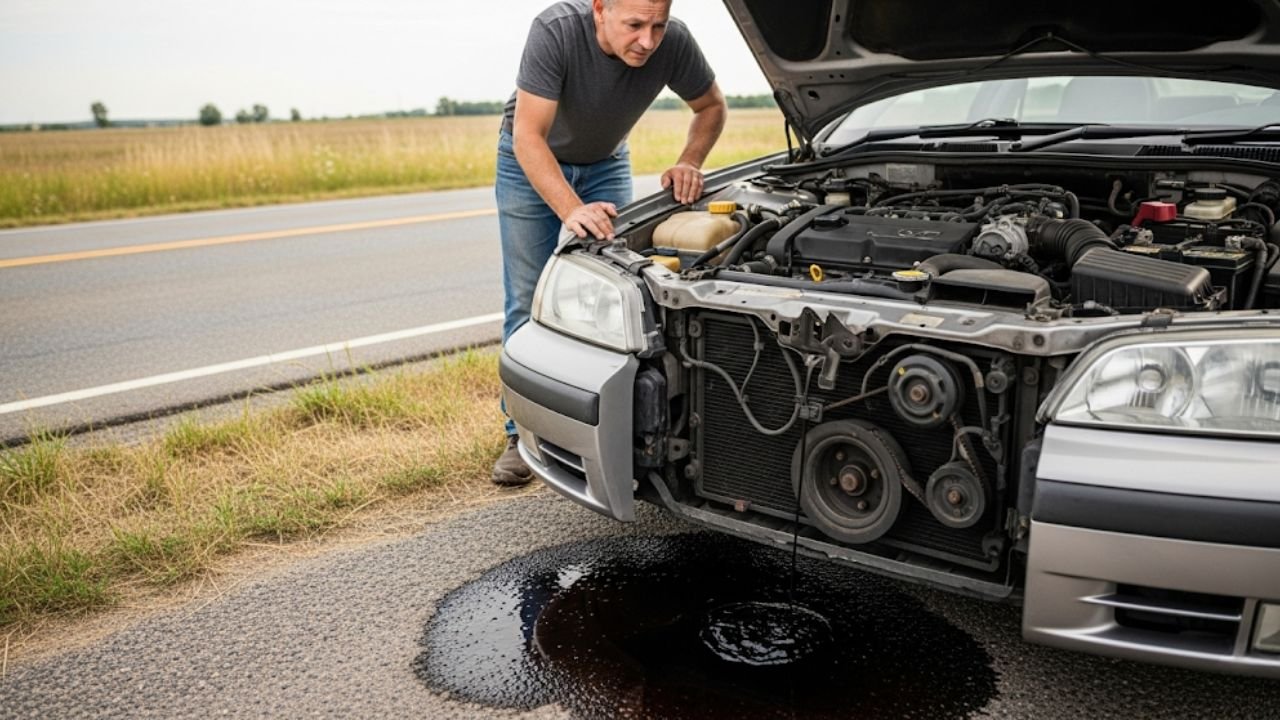
If you suspect your vehicle has run out of oil, do not continue driving. Every extra mile can increase internal engine damage.
The safest action is to stop the vehicle, turn off the engine, and inspect the situation. Adding oil may help if the engine has not suffered damage, but a professional inspection is often needed.
- ✦ Turn off the engine
Stopping operation prevents additional friction and heat buildup.
- ✦ Check the oil level
Use the dipstick or vehicle oil monitoring system if available.
- ✦ Call for assistance
A tow service or mechanic can prevent further damage.
How to Prevent Running Out of Engine Oil
Preventing engine oil problems is simple compared with repairing engine damage. Regular maintenance keeps oil levels safe and helps detect leaks early.
Most vehicle owners should follow the maintenance schedule in their owner’s manual. Driving habits, climate, and vehicle age can affect oil needs.
- ✦ Check oil regularly
Inspect the oil level at recommended intervals or before long trips.
- ✦ Follow oil change schedules
Use the correct oil type and replace it according to manufacturer recommendations.
- ✦ Fix leaks quickly
Small oil leaks can become major problems if ignored.
