
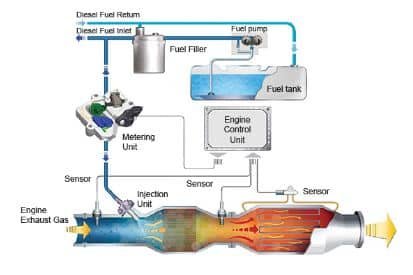
Modern diesel vehicles in the United States use a Diesel Particulate Filter (DPF) to reduce harmful soot emissions. The filter collects tiny carbon particles from diesel exhaust before they leave the tailpipe. Over time, the collected soot must be removed through a regeneration process.
Understanding what is a Diesel Particulate Filter regeneration cycle helps drivers avoid common DPF problems. I have seen many diesel owners misunderstand regeneration and assume a warning light means the filter has already failed. In many cases, the vehicle simply needs the right driving conditions to complete its cleaning cycle.
A Diesel Particulate Filter regeneration cycle is an automatic process controlled by the engine computer. The system raises exhaust temperature to burn soot into ash, allowing the filter to continue working properly.

What Is a Diesel Particulate Filter Regeneration Cycle and Why Does It Matter?
A Diesel Particulate Filter regeneration cycle is the cleaning process that removes soot stored inside the diesel particulate filter. The DPF traps soot during normal engine operation, but the filter cannot hold unlimited amounts of material.
During regeneration, the vehicle increases exhaust heat so the trapped soot can burn away. This keeps exhaust flow open and allows the diesel engine to run efficiently.
Without regular regeneration, soot can build up and restrict exhaust flow. This may cause reduced engine power, poor fuel economy, warning lights, and costly repairs.

- ✦ Reduces soot buildup
The regeneration cycle removes carbon deposits collected inside the DPF.
- ✦ Maintains engine performance
A clean DPF helps exhaust gases move freely and supports normal engine operation.
- ✦ Supports emissions compliance
The DPF regeneration process helps diesel vehicles meet modern emissions standards.
How the DPF Stores Soot
A DPF contains a honeycomb structure with small channels that capture soot particles from exhaust gases. The filter allows gases to pass while trapping harmful particles.
As soot levels increase, sensors measure pressure changes across the filter. The engine control module uses this information to decide when regeneration should begin.
- ✦ Soot collection
The filter captures carbon particles produced during diesel combustion.
How Does a Diesel Particulate Filter Regeneration Cycle Work?
A Diesel Particulate Filter regeneration cycle works by increasing exhaust temperature until soot inside the filter burns away. The vehicle computer manages fuel injection, exhaust temperature, and sensor readings during this process.
The exact process depends on the vehicle design. Some diesel engines regenerate naturally during highway driving, while others use additional fuel injection or heating methods.
The regeneration cycle usually happens without driver input. Most drivers only notice small changes, such as a slightly higher idle speed or cooling fan operation.
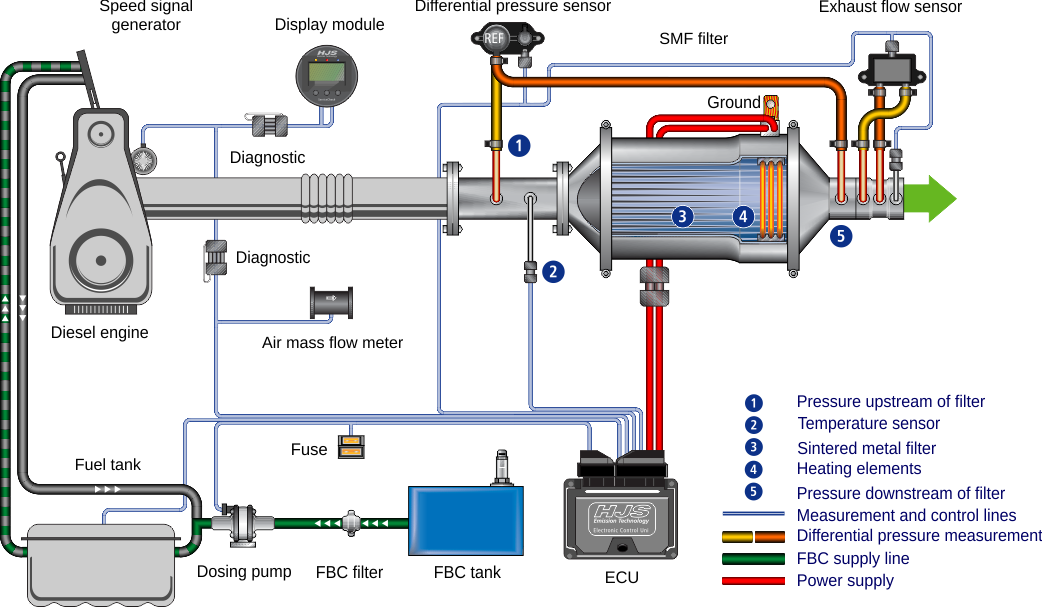
- ✦ Sensors monitor filter condition
Pressure and temperature sensors help the vehicle decide when regeneration is needed.
- ✦ Exhaust temperature increases
The system creates enough heat to burn accumulated soot.
- ✦ Soot becomes ash
The burning process converts soot into smaller ash particles that remain in the filter.
The Role of the Engine Control Module
The engine control module acts as the brain of the regeneration system. It monitors driving conditions and activates regeneration when soot levels reach a certain point.
If sensors detect a problem, the vehicle may delay regeneration and store diagnostic trouble codes.
- ✦ Automatic control
The computer manages regeneration timing without requiring manual action.
Types of Diesel Particulate Filter Regeneration Cycles
There are three main types of Diesel Particulate Filter regeneration cycles: passive regeneration, active regeneration, and forced regeneration. Each method uses different techniques to remove soot.
Knowing the difference helps vehicle owners understand what happens when their diesel vehicle starts a cleaning process.

- ✦ Passive regeneration
Uses naturally high exhaust temperatures during highway driving to burn soot without extra fuel.
- ✦ Active regeneration
Uses additional fuel or engine adjustments to raise exhaust temperature when normal driving does not create enough heat.
- ✦ Forced regeneration
A repair professional starts the cleaning process with diagnostic equipment when automatic regeneration cannot complete.
Passive Regeneration Explained
Passive regeneration often happens during long highway trips. Higher engine loads create enough exhaust heat to naturally burn soot.
This is one reason diesel vehicles used for short city trips may experience more DPF problems.
- ✦ Best driving condition
Long highway operation usually supports passive regeneration.
Active Regeneration Explained
Active regeneration happens when the vehicle intentionally increases exhaust temperature. The system may add fuel during the exhaust stroke or adjust engine operation.
Drivers may notice a hot smell, increased idle speed, or a cooling fan running after parking.
- ✦ Computer controlled process
The vehicle automatically starts active regeneration when needed.
What Conditions Start a Diesel Particulate Filter Regeneration Cycle?
A vehicle does not start a Diesel Particulate Filter regeneration cycle randomly. The engine computer checks several factors before beginning the cleaning process.
Driving speed, engine temperature, soot level, and exhaust pressure all affect regeneration timing. A diesel truck driving on highways may regenerate more easily than a vehicle used only for short trips.

- ✦ Soot load level
Higher soot levels increase the need for regeneration.
- ✦ Engine temperature
The engine usually needs to reach operating temperature before regeneration begins.
- ✦ Driving pattern
Longer drives help create the heat needed for successful regeneration.
Why Short Trips Cause DPF Problems
Many diesel owners in urban areas drive short distances where exhaust temperatures stay too low. This prevents complete regeneration.
Repeated incomplete cycles can cause soot buildup and may eventually require professional cleaning.
- ✦ Low heat operation
Short trips may not allow enough time for soot burning.
Signs Your Diesel Particulate Filter Regeneration Cycle Is Not Completing
A healthy DPF system should complete regeneration automatically. However, several warning signs can show that the process is failing or being interrupted.
Ignoring these signs may allow soot levels to increase until the vehicle enters reduced power mode.

- ✦ DPF warning light
A dashboard warning may appear when soot levels become too high.
- ✦ Reduced engine power
The vehicle may limit performance to protect the engine and emissions system.
- ✦ Poor fuel economy
A clogged filter can increase engine workload and fuel use.
- ✦ Frequent regeneration attempts
Repeated cleaning cycles may indicate another underlying issue.
Common Causes of Failed Regeneration
Failed regeneration can happen because of faulty sensors, injector problems, low exhaust temperature, or incorrect driving habits.
A professional diagnosis can identify whether the issue is the DPF itself or another engine component.
- ✦ Faulty sensors
Incorrect sensor readings can prevent proper regeneration.
