
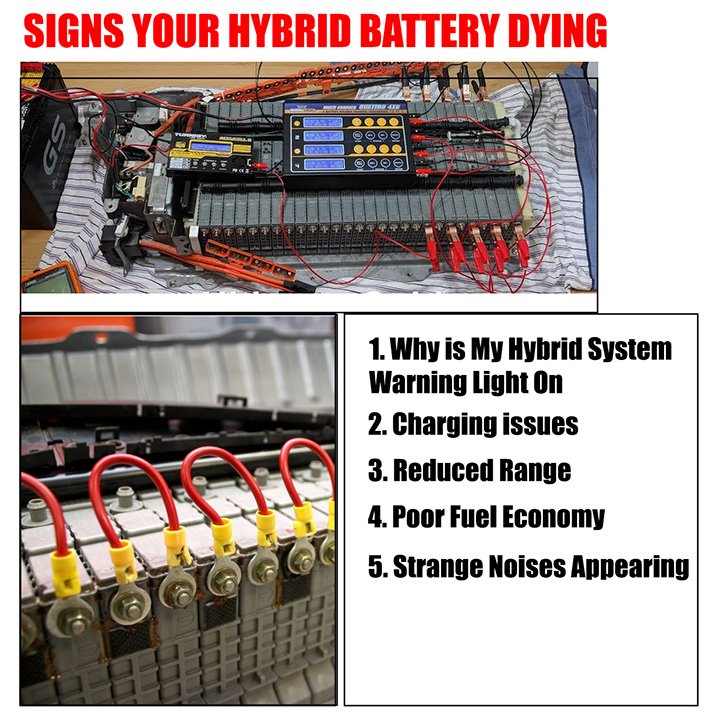
A hybrid vehicle depends on its battery pack to store and deliver electrical energy during driving. Over time, every hybrid battery loses some ability to hold energy. Understanding what causes hybrid battery capacity to decrease helps owners protect their investment and avoid unexpected repair costs.
From years of studying vehicle systems, one common pattern is clear: hybrid batteries usually do not fail suddenly. They slowly lose capacity as individual battery cells experience wear. A driver may first notice reduced fuel economy, shorter electric assist periods, or slower acceleration before a warning light appears.
For U.S. drivers who use hybrid cars for daily commuting, highway trips, and family transportation, battery health plays an important role in long-term ownership costs. Simple habits like keeping the cooling system clean and avoiding extreme heat exposure can make a meaningful difference.

Natural Aging Is the Main Cause of Hybrid Battery Capacity Loss
The most common reason why hybrid battery capacity decreases is normal aging. Battery cells contain chemical materials that slowly change after years of charging and discharging.
Even when a hybrid vehicle is driven carefully, the battery cannot keep the same performance forever. Over time, the battery stores less energy and provides less electric assistance to the vehicle.
- ✦ Chemical aging
Battery materials lose some ability to move energy efficiently as chemical reactions occur over many years.
- ✦ Reduced energy storage
Older hybrid batteries cannot hold the same amount of electrical energy as when they were new.
Why Battery Cells Wear Over Time
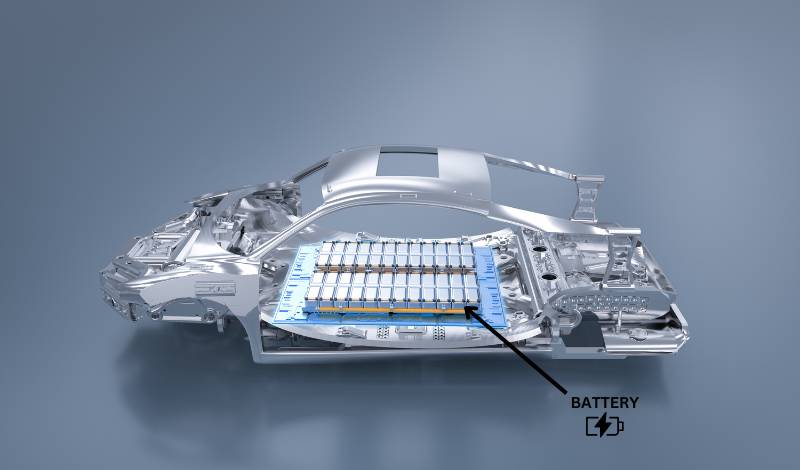
A hybrid battery pack contains many smaller cells working together. When some cells weaken, the entire battery system may reduce performance to protect itself.
- ✦ Cell imbalance
Different cells can age at different rates, creating uneven battery performance.
Heat Exposure Accelerates Hybrid Battery Degradation
Heat is one of the biggest factors that affects hybrid battery health. High temperatures increase chemical activity inside battery cells and can speed up capacity loss.
Drivers in hot areas of the United States, such as Arizona, Texas, and Florida, may see faster battery aging if cooling systems are not maintained properly.

- ✦ High temperature stress
Extreme heat can damage battery materials and reduce the battery’s ability to store energy.
- ✦ Poor cooling airflow
Blocked vents or dirty cooling fans can prevent the battery from staying within a safe temperature range.
The Role of Hybrid Battery Cooling Systems
Hybrid vehicles use cooling systems to manage battery temperature. Keeping these systems clean helps maintain stable battery performance.
- ✦ Cooling maintenance
Regular inspection of battery cooling vents and fans helps prevent unnecessary heat buildup.
Repeated Charging and Discharging Cycles Reduce Battery Capacity
Every time a hybrid battery charges and releases energy, it completes part of a battery cycle. Thousands of cycles over many years slowly reduce capacity.
Hybrid vehicles are designed to handle frequent cycling, but repeated energy movement still creates gradual wear inside the battery cells.
- ✦ Daily driving cycles
Regular commuting creates repeated battery use that contributes to long-term capacity reduction.
- ✦ Regenerative braking cycles
Regenerative braking adds energy back into the battery, but repeated cycling still affects battery chemistry over time.
Why Hybrid Batteries Are Designed for Partial Charging
Most hybrid systems avoid completely charging or emptying the battery. This design reduces stress and helps extend battery life compared with many traditional battery systems.
- ✦ Battery management system
The vehicle controls charging levels to protect battery health.
Long Periods of Inactivity Can Affect Hybrid Battery Health
Many people think a parked hybrid car does not affect battery condition. However, leaving a hybrid vehicle unused for long periods can allow battery charge levels to drop.
Extended inactivity may create stress on battery cells, especially when the vehicle sits in extreme temperatures without regular operation.

- ✦ Low charge conditions
A battery that remains inactive for a long time may lose available energy and require system recovery.
- ✦ Storage environment
Hot garages and outdoor parking areas can increase battery stress during long storage periods.
Best Practices for Stored Hybrid Vehicles
Owners who leave vehicles unused for weeks should follow manufacturer recommendations and operate the vehicle periodically when possible.
- ✦ Regular operation
Occasional driving helps maintain normal battery activity.
Driving Habits and Maintenance Can Influence Battery Lifespan
Driving style does not usually cause immediate hybrid battery failure, but certain habits can increase stress on the system. Aggressive acceleration, extreme temperatures, and ignoring maintenance can contribute to faster wear.
Good maintenance practices help the hybrid battery management system work correctly and allow the vehicle to maintain better performance.

- ✦ Aggressive driving
Frequent hard acceleration can increase battery workload.
- ✦ Skipped maintenance
Ignoring cooling system checks can allow heat-related battery problems to develop.
- ✦ Warning light neglect
Delaying diagnosis can allow small battery issues to become larger problems.
Signs That Hybrid Battery Capacity Is Decreasing
Drivers may notice several warning signs before complete battery failure. Early attention can help identify problems before repair costs increase.
- ✦ Lower fuel economy
The gasoline engine may run more often when the battery provides less electric assistance.
- ✦ Shorter electric operation
The vehicle may spend less time using electric power.
