
Many drivers wonder How Regenerative Braking Charges a Hybrid Battery because hybrid vehicles seem to recharge without being plugged in. The answer is simple: the car captures energy that would normally disappear as heat when you slow down. It then stores that energy inside the hybrid battery for later use.
In my experience studying modern hybrid systems, regenerative braking is one of the most important technologies that separates hybrid cars from traditional gasoline vehicles. Every stop sign, traffic light, and downhill drive creates a chance to recover energy. For everyday U.S. driving, especially in cities with frequent stops, this system can make a noticeable difference.
What Is Regenerative Braking in a Hybrid Car?
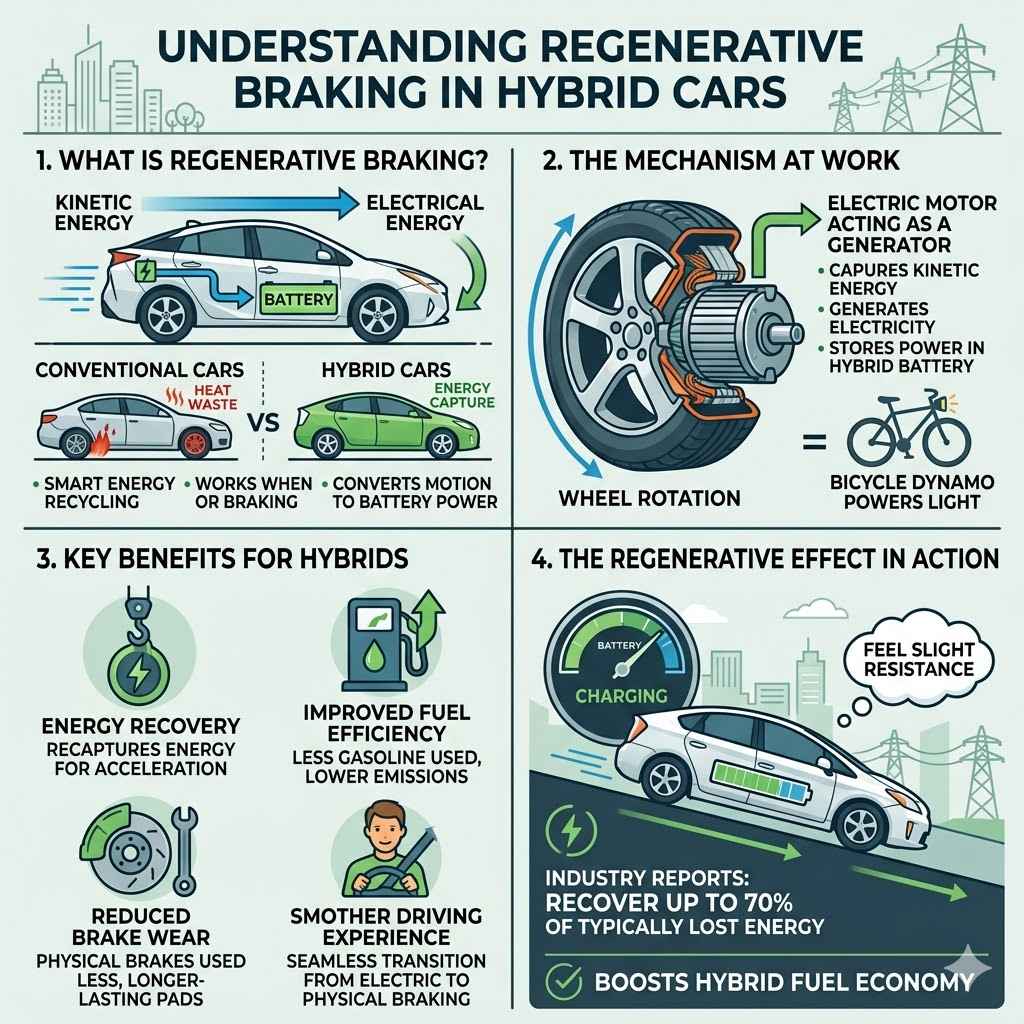
Regenerative braking is an energy recovery system used in hybrid and electric vehicles. It allows the vehicle to capture some of the energy created when the car slows down. Instead of wasting this energy as heat through normal brake friction, the system converts it into electricity.
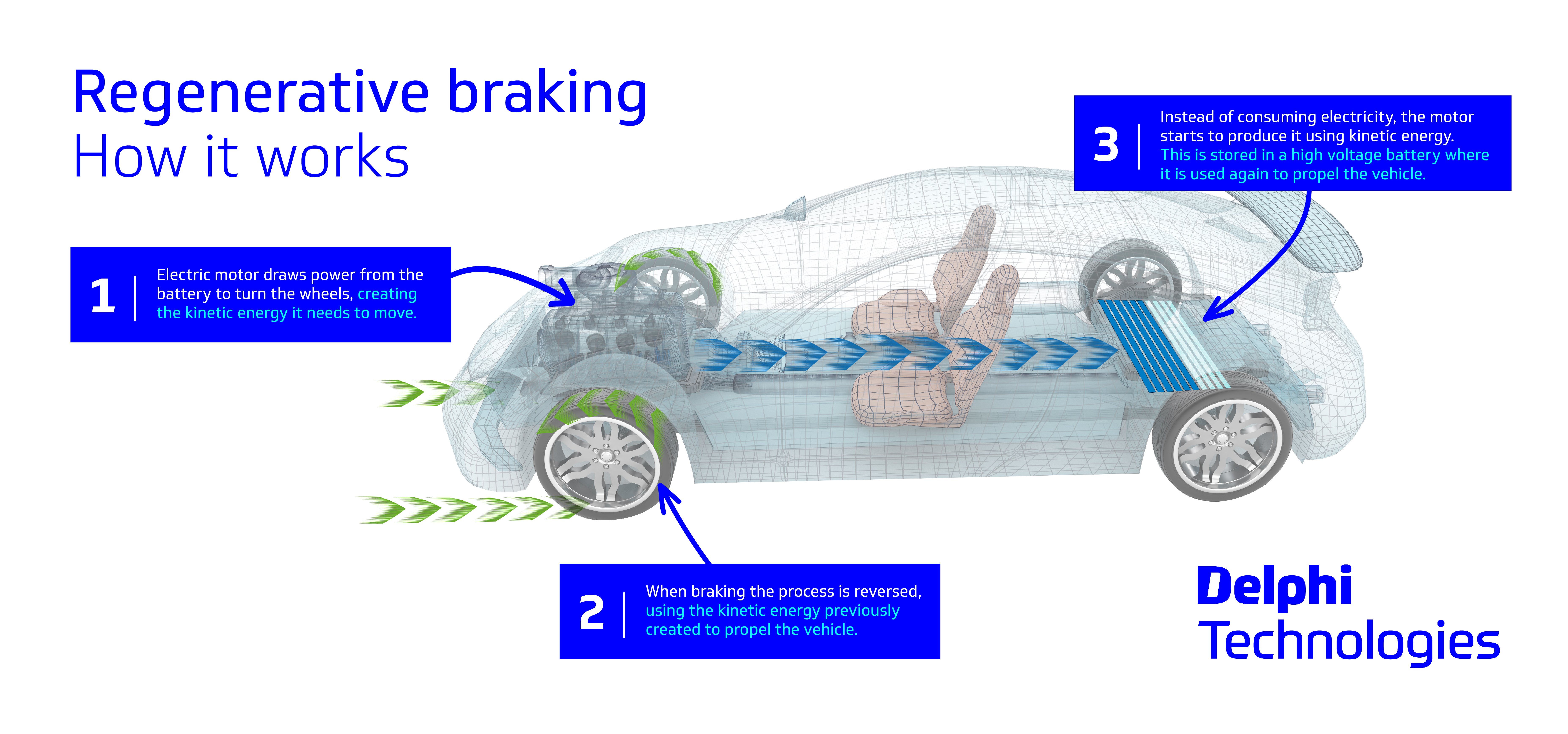
When learning How Regenerative Braking Charges a Hybrid Battery, it helps to understand that the process uses the vehicle’s electric motor in reverse. During acceleration, the motor uses electricity from the battery to move the car. During braking, it acts like a generator and creates electricity.

- ✦ Energy recovery
The system collects energy that would normally be lost during braking.
- ✦ Motor reversal
The electric motor changes operation and works as a generator.
- ✦ Battery storage
The recovered electricity is stored in the hybrid battery pack.
Why Hybrid Cars Need Regenerative Braking
A hybrid vehicle depends on both gasoline power and electric assistance. The battery needs regular charging to provide electric support. Regenerative braking gives the battery small energy boosts during normal driving without needing an external charger.
- ✦ Supports electric driving
Stored energy allows the electric motor to assist the gasoline engine.
How Regenerative Braking Charges a Hybrid Battery Step by Step
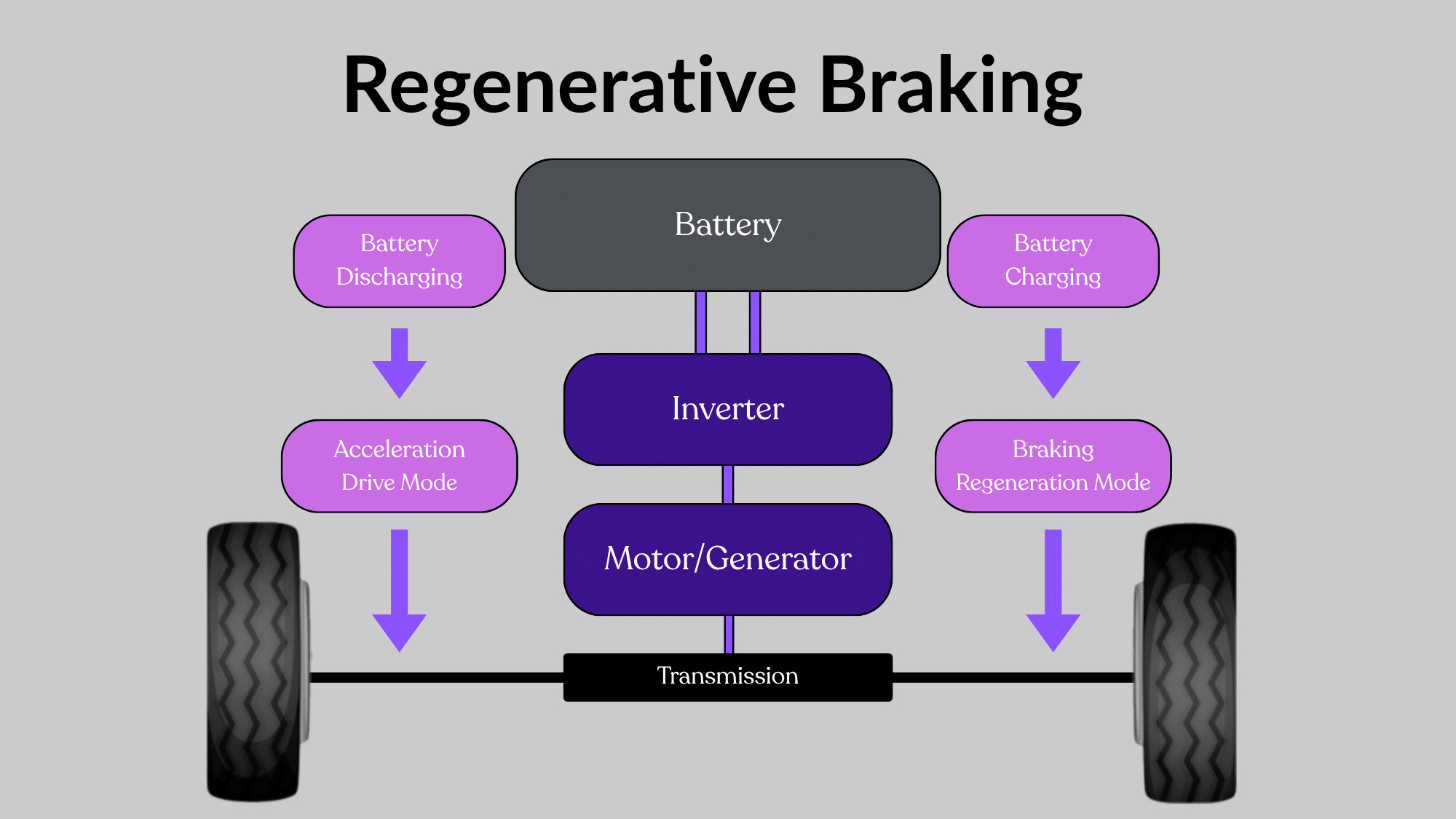
Understanding How Regenerative Braking Charges a Hybrid Battery requires looking at what happens during a normal stop. When a driver releases the accelerator or presses the brake pedal, the hybrid control system detects the need to slow down.
The system then reduces power from the electric motor and changes its role. The spinning wheels continue turning the motor, which creates electricity. That electricity travels through power electronics and reaches the battery pack.
- ✦ Step 1: Vehicle slows down
The wheels continue moving while the driver reduces speed.
- ✦ Step 2: Motor becomes generator
The electric motor uses wheel movement to create electrical energy.
- ✦ Step 3: Battery stores energy
The battery management system controls how much energy enters the battery.
The Role of the Battery Management System
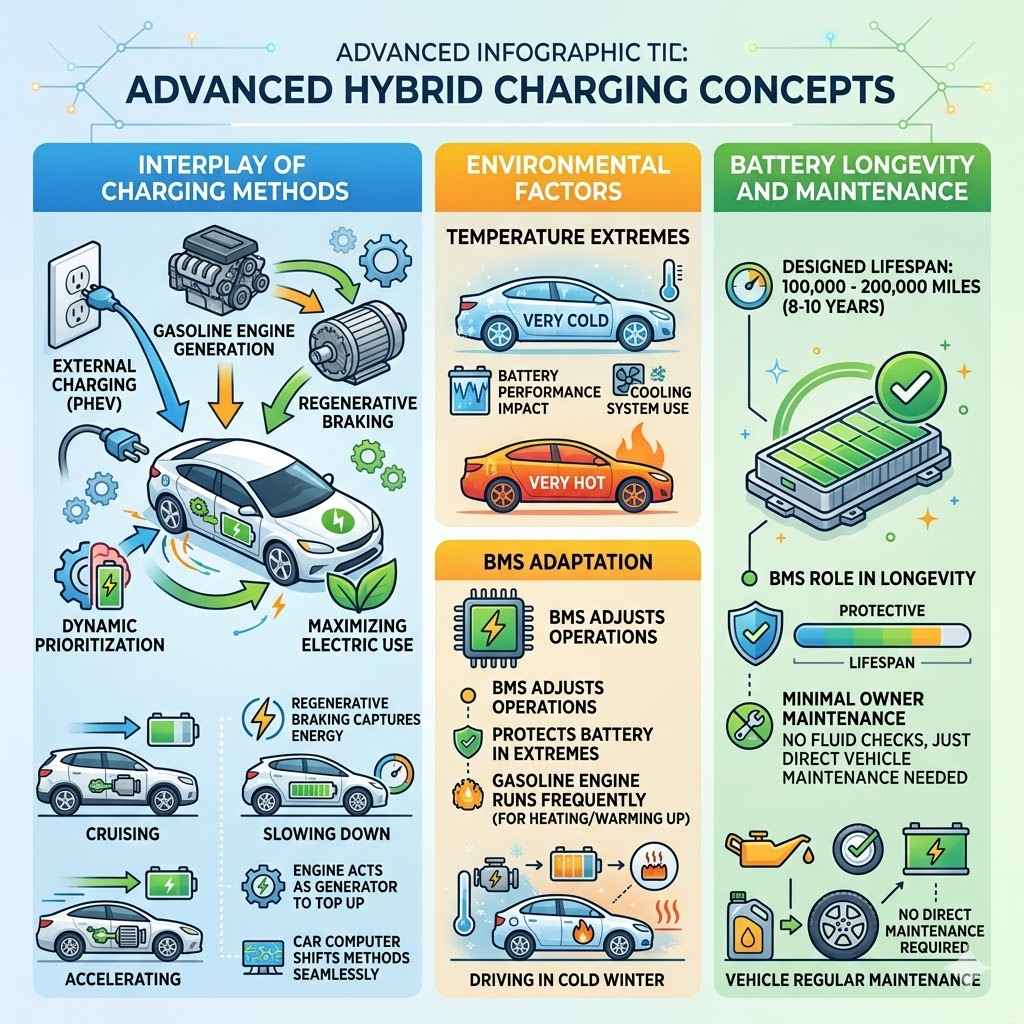
The battery management system protects the hybrid battery during charging. It controls voltage, temperature, and charging speed to keep the battery safe and efficient.
- ✦ Battery protection
The system prevents overcharging and manages battery health.
How the Electric Motor Creates Electricity During Braking
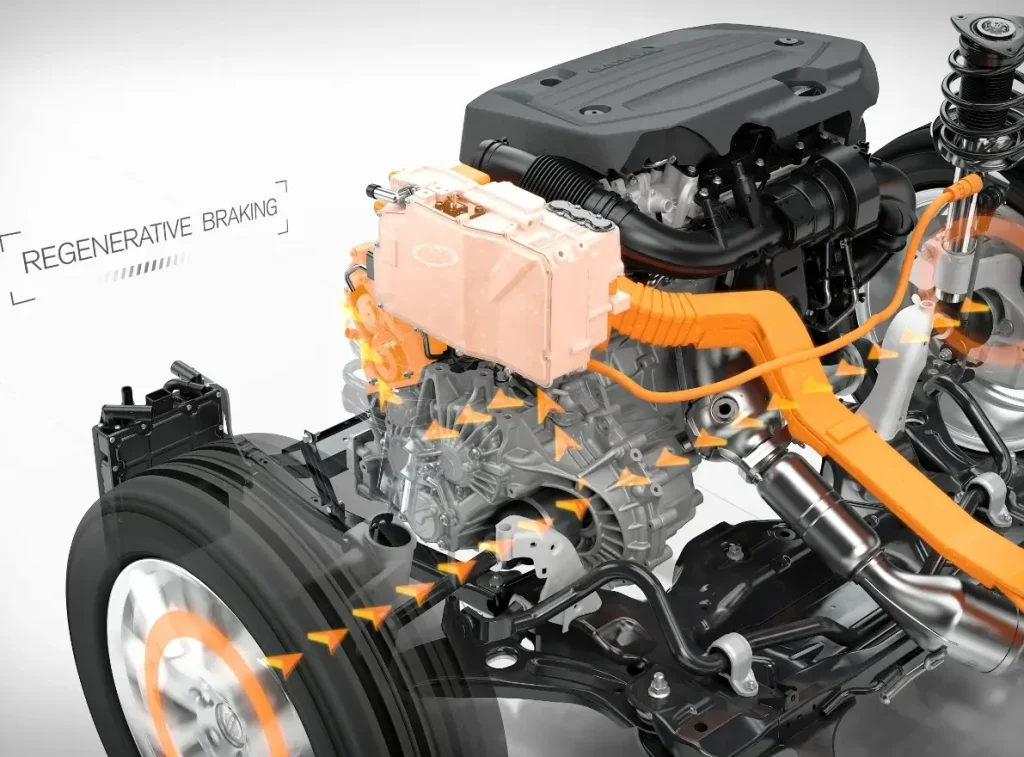
The electric motor is the heart of the regenerative braking system. It can operate in two directions. It can use electricity to create movement, or it can use movement to create electricity.
When braking begins, the motor creates resistance against the wheels. This resistance slows the vehicle while producing electrical energy. This process is why regenerative braking feels different from traditional braking in some hybrid cars.
- ✦ Motor mode
The motor uses stored battery energy to help move the vehicle.
- ✦ Generator mode
The motor captures wheel movement and sends energy back to the battery.
Difference Between Regenerative and Traditional Braking
Traditional brakes use friction between brake pads and rotors. This creates heat that leaves the vehicle and cannot be reused. Regenerative braking recovers part of that energy instead.
- ✦ Less energy waste
Some braking energy returns to the battery instead of becoming heat.
When Does Regenerative Braking Recharge the Hybrid Battery?
Regenerative braking works whenever the vehicle slows down and the wheels can provide energy back to the motor. It is most effective during situations where drivers frequently reduce speed.
For American drivers, city traffic, stop-and-go commuting, and downhill roads provide many opportunities for energy recovery. Highway driving usually creates fewer chances because the vehicle does not brake as often.
- ✦ City driving
Frequent stops allow more energy recovery.
- ✦ Downhill driving
The system captures energy while controlling vehicle speed.
- ✦ Traffic conditions
Repeated slowing and stopping increase regenerative charging opportunities.
Driving Habits That Improve Energy Recovery
Smooth driving improves regenerative braking performance. Gradual braking gives the system more time to recover energy compared with sudden hard stops.
- ✦ Brake smoothly
Gentle braking allows more energy recovery.
Benefits of Regenerative Braking in Hybrid Vehicles
Learning How Regenerative Braking Charges a Hybrid Battery also explains why hybrid vehicles are efficient. The system reduces wasted energy and allows the gasoline engine to work less during many driving conditions.
The technology also reduces wear on traditional brake parts because the electric motor handles part of the slowing process. This can help extend brake component life.
- ✦ Better fuel economy
Recovered energy helps the vehicle use less gasoline.
- ✦ Lower brake wear
Regenerative braking reduces dependence on friction brakes.
- ✦ Improved efficiency
The vehicle reuses energy that would otherwise be lost.
Limitations of Regenerative Braking
Regenerative braking cannot recover all braking energy. The system has limits based on battery capacity, temperature, and driving conditions. Traditional brakes still work together with regenerative braking for safety.
- ✦ Battery limits
A full battery cannot accept unlimited additional energy.
