
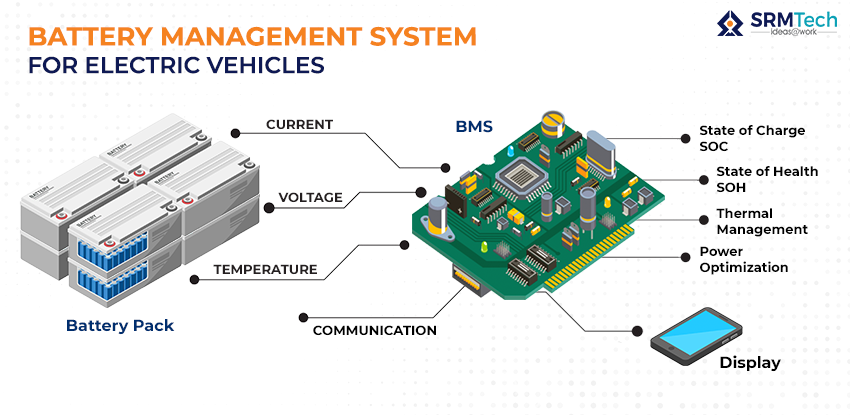
When people ask, What Is an EV Battery Management System, the simple answer is that it is the brain of an electric vehicle battery. It watches the battery cells, manages energy flow, and helps keep the battery safe during driving and charging.
From my experience researching automotive technology, many EV owners focus on battery size and charging speed but overlook the system that keeps the battery working correctly. A high-capacity battery needs smart control, and the BMS provides that control every second the vehicle operates.
In the United States, where drivers depend on EVs for daily commuting, road trips, and extreme weather conditions, the EV Battery Management System plays a major role in reliability. It helps prevent battery damage while supporting better performance and longer battery life.
 display: block; margin: 0 auto; border-radius: 12px; box-shadow: 0 8px 25px rgba(0, 0, 0, 0.12);”>
What Is an EV Battery Management System and Why Is It Important?
An EV Battery Management System is an electronic system that manages the rechargeable battery pack inside an electric vehicle. It uses sensors, software, and control circuits to measure battery conditions and make decisions that protect battery cells.
The battery pack in an EV contains hundreds or thousands of individual cells. These cells must work together evenly. Without a BMS, some cells could become overcharged, overheated, or damaged, which could reduce performance and create safety risks.
The EV Battery Management System acts like a safety manager. It controls charging limits, monitors battery health, and communicates important information to other vehicle systems.
- ✦ Battery Protection
The BMS prevents unsafe conditions such as excessive voltage, high temperature, and deep battery discharge.
- ✦ Performance Control
The system helps the vehicle deliver power smoothly by managing energy flow between the battery and electric motor.
- ✦ Battery Longevity
Proper battery management reduces stress on battery cells and helps maintain capacity over time.
Why EV Batteries Need Electronic Management
Lithium-ion batteries are powerful but sensitive. Small differences between cells can affect charging speed, energy storage, and safety.
The BMS keeps cells balanced and ensures the battery operates within safe limits. This allows manufacturers to use battery packs with high energy density while maintaining reliability.
- ✦ Cell Monitoring
The BMS checks individual battery cells to identify changes in voltage and temperature.
How Does an EV Battery Management System Work?
An EV Battery Management System works by collecting data from sensors placed throughout the battery pack. These sensors measure voltage, current, temperature, and other battery conditions.
The BMS processor analyzes this information and decides how the battery should operate. If the system detects unsafe conditions, it can reduce power output or stop charging to protect the battery.
Modern BMS units also communicate with the vehicle control system. This allows the dashboard to display battery range, charging status, and battery health information.

- ✦ Voltage Monitoring
The BMS checks each cell voltage to maintain balanced battery operation.
- ✦ Temperature Monitoring
Temperature sensors help prevent overheating during driving and charging.
- ✦ Current Measurement
The system measures electricity flow entering and leaving the battery pack.
Battery State Calculations
The BMS calculates important values such as state of charge and state of health. These calculations help drivers understand remaining range and battery condition.
Accurate battery information allows EV manufacturers to improve driving predictions and charging management.
- ✦ State of Charge
Shows the estimated amount of energy remaining in the battery.
- ✦ State of Health
Shows the current condition and aging level of the battery pack.
Main Components of an EV Battery Management System
An EV Battery Management System contains several hardware and software components that work together. Each part has a specific role in keeping the battery safe and efficient.
Although designs vary between manufacturers, most BMS systems include sensors, control units, communication networks, and safety circuits.
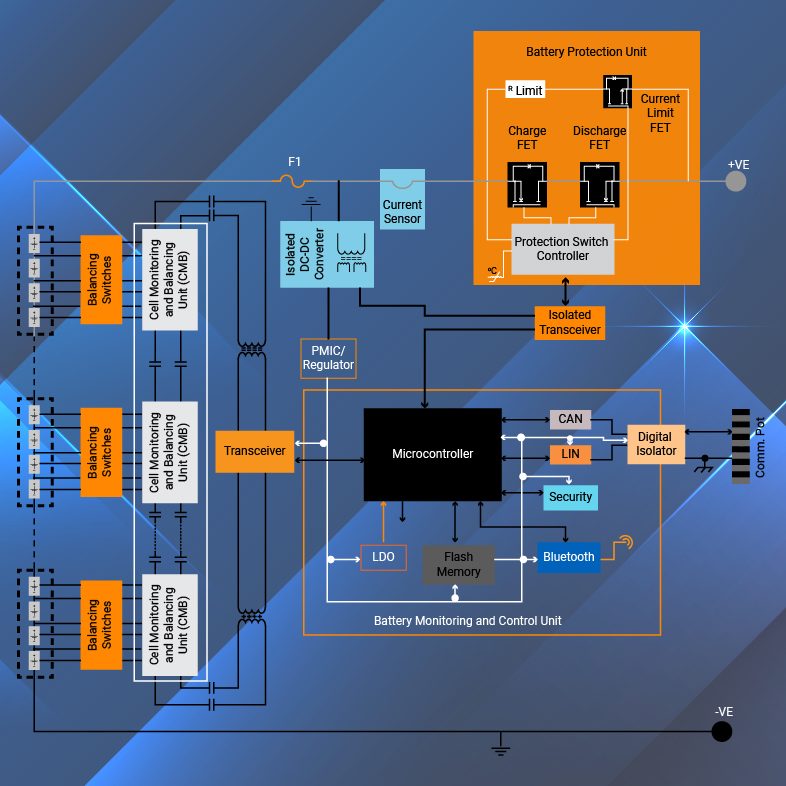
- ✦ Battery Monitoring Unit
This unit collects information from battery cells and sends data to the main controller.
- ✦ Control Module
The controller analyzes battery data and manages charging and power decisions.
- ✦ Communication System
The BMS communicates with vehicle computers to share battery information.
Software Intelligence in Modern BMS Systems
Software is a key part of today’s EV Battery Management System. Advanced algorithms help predict battery behavior and improve efficiency.
Manufacturers use software updates to improve battery control, charging performance, and energy management after the vehicle leaves the factory.
- ✦ Smart Battery Control
Software adjusts battery operation based on driving conditions and temperature.
Key Functions of an EV Battery Management System
The EV Battery Management System performs several important tasks throughout the life of an electric vehicle. These functions help balance performance, safety, and battery durability.
A good BMS allows drivers to use their EV confidently because it manages complex battery operations automatically.

- ✦ Cell Balancing
The BMS balances energy between individual cells so they charge and discharge evenly.
- ✦ Thermal Management
The system helps maintain safe battery temperatures during different driving conditions.
- ✦ Charging Management
The BMS controls charging speed to reduce battery stress.
- ✦ Safety Monitoring
The system detects problems and activates protective actions when needed.
How BMS Improves EV Safety
Battery safety is one of the most important jobs of a BMS. Lithium-ion batteries store large amounts of energy, so proper monitoring is essential.
The system can detect abnormal conditions early and help prevent serious battery problems.
- ✦ Fault Detection
The BMS identifies unusual battery behavior and reports possible issues.
Benefits of Using an EV Battery Management System
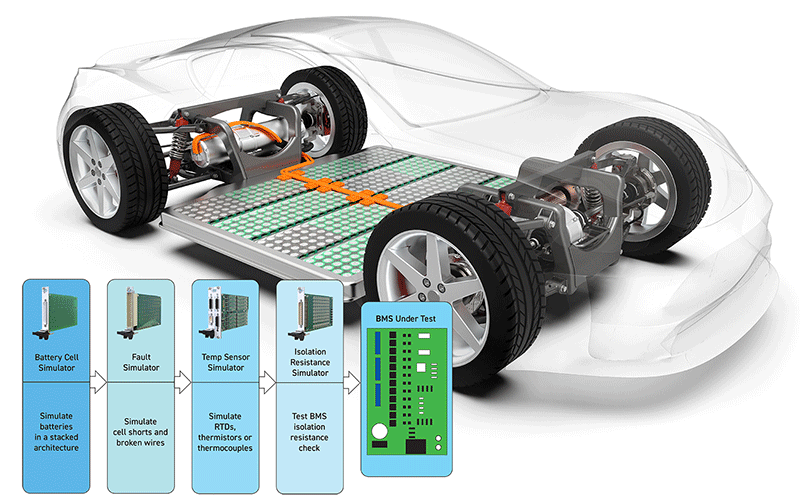
A reliable EV Battery Management System provides benefits for both drivers and manufacturers. It helps electric vehicles perform better while reducing battery-related risks.
The system is one of the main reasons modern EVs can provide years of dependable service with proper maintenance.
- ✦ Longer Battery Life
Controlled charging and balanced cells help reduce battery wear.
- ✦ Better Driving Range
Accurate battery monitoring helps vehicles use energy more efficiently.
- ✦ Improved Reliability
Continuous monitoring helps detect problems before they become major failures.
Common Problems Related to EV Battery Management Systems
Although EV Battery Management Systems are designed for reliability, they can experience issues caused by hardware faults, software errors, or battery aging.
Understanding common problems can help EV owners recognize warning signs and seek proper service.

- ✦ Sensor Failure
A faulty sensor can provide incorrect battery information and affect system decisions.
- ✦ Software Issues
Software problems may affect battery readings or charging behavior.
- ✦ Cell Imbalance
Uneven battery cells can reduce performance and available capacity.
Maintaining EV Battery Health
Drivers can support battery health by following manufacturer charging recommendations and avoiding unnecessary extreme battery conditions.
Regular software updates and professional inspections can also help maintain proper BMS operation.
- ✦ Smart Charging Habits
Avoiding frequent full charges and deep discharges may reduce battery stress.
