
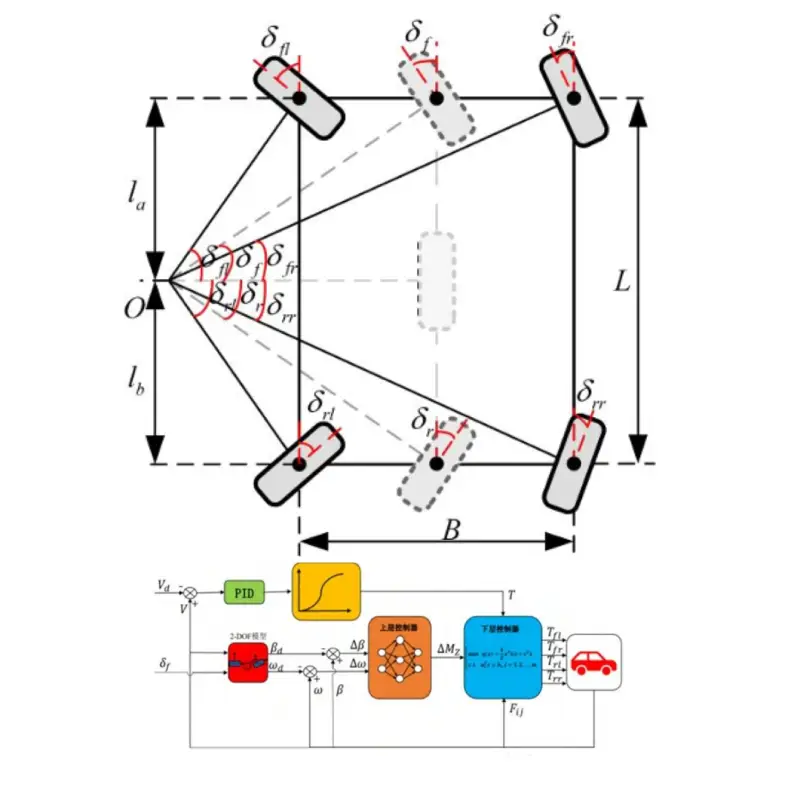
How Electronic Differential Lock Works is a common question among drivers who want to understand modern traction systems. Unlike a mechanical locking differential, an electronic system uses wheel speed sensors, the ABS unit, and computer controls to manage wheel slip.
From everyday driving on wet roads to light off-road conditions, Electronic Differential Lock helps a vehicle maintain movement when one wheel loses grip. In my experience studying vehicle safety systems, EDL is one of the simplest examples of software improving traditional mechanical design.

What Is an Electronic Differential Lock?
An Electronic Differential Lock, often called EDL, is a traction system that helps prevent wheel spin. It works with the vehicle’s ABS and stability control systems to manage power between driven wheels.
A normal open differential allows wheels on the same axle to rotate at different speeds. This helps during turns, but it can send power to a wheel with little traction. EDL solves this problem by controlling wheel speed differences.
- ✦ Main purpose
EDL helps a vehicle move forward when one drive wheel loses grip.
- ✦ Electronic control
Sensors and a computer decide when braking action is needed.
Electronic Differential Lock vs Mechanical Locking Differential
A mechanical locking differential physically connects wheels so they rotate together. An electronic differential lock usually does not lock gears. Instead, it uses brake force to copy some effects of a locked differential.
How Electronic Differential Lock Works Step by Step
Understanding How Electronic Differential Lock Works starts with the wheel speed sensors. These sensors constantly check how fast each wheel rotates.
When the system detects that one wheel spins faster than the other, it applies light brake pressure to the spinning wheel. This allows the differential to transfer more torque to the wheel with better traction.

- ✦ Step 1: Detect wheel slip
Wheel speed sensors identify unusual differences between left and right wheel speeds.
- ✦ Step 2: Apply brake pressure
The ABS module sends hydraulic pressure to slow the spinning wheel.
- ✦ Step 3: Restore traction
The wheel with grip receives more usable driving force.
The Role of ABS Sensors
ABS sensors are the foundation of EDL operation. They measure wheel rotation many times each second and provide data to the vehicle computer.
The Main Components of an Electronic Differential Lock System
An Electronic Differential Lock depends on several parts working together. Each component has a specific role in detecting and correcting traction problems.
Modern vehicles combine EDL with traction control and stability systems to create a smoother driving experience.

- ✦ Wheel speed sensors
They measure individual wheel rotation and detect slip conditions.
- ✦ ABS hydraulic unit
It controls brake pressure applied to the slipping wheel.
- ✦ Vehicle control module
It processes sensor data and decides when EDL should activate.
When Does Electronic Differential Lock Activate?
EDL activates when the system detects a difference in wheel speed that suggests lost traction. This often happens during acceleration on slippery surfaces.
Drivers may notice EDL working when leaving a snowy driveway, driving through mud, or accelerating on wet pavement.

- ✦ Snow and ice
EDL helps reduce wheel spin on low-grip winter surfaces.
- ✦ Wet roads
It improves control when one tire loses contact with the road.
- ✦ Uneven terrain
It can help vehicles maintain movement when traction changes between wheels.
Benefits of Electronic Differential Lock
Electronic Differential Lock provides several benefits for daily drivers. It improves traction without adding complex mechanical locking hardware.
Many passenger cars, SUVs, and crossovers use EDL because it is affordable and works with existing braking technology.

- ✦ Better traction
EDL helps vehicles move when one wheel has limited grip.
- ✦ Improved safety
The system can reduce sudden wheel spin during acceleration.
- ✦ Automatic operation
Drivers do not need to manually activate the system.
Limitations of Electronic Differential Lock
Although EDL improves traction, it does not work exactly like a true mechanical differential locker. It uses brakes, so continuous heavy use can create extra heat.
For extreme off-road driving, many trucks still use mechanical locking differentials because they provide stronger and more consistent torque delivery.
- ✦ Brake wear
Frequent activation can increase brake system workload.
- ✦ Not a full locker
EDL improves traction but does not physically lock axle gears.
