How Unsprung Weight Affects Vehicle Handling is a key topic for drivers who want better control, comfort, and performance from their vehicles. Many people focus on engine power or suspension upgrades, but the weight below the suspension springs also plays a major role in how a car feels on the road.
From my experience studying vehicle dynamics, small changes in wheel and suspension weight can create noticeable differences in steering feel, braking stability, and cornering confidence. This matters for everyday drivers in the United States, especially when dealing with uneven roads, highway speeds, and changing weather conditions.

What Is Unsprung Weight and Why Does It Matter?
Unsprung weight refers to the parts of a vehicle that are not supported by the suspension springs. These components move directly with the wheels as they follow the road surface.
Understanding how unsprung weight affects vehicle handling starts with knowing what parts create this weight. The tires, wheels, brake rotors, brake calipers, wheel hubs, and some suspension links all contribute to unsprung mass.
When these parts become heavier, the suspension has more difficulty controlling their movement. The result can be slower reactions, reduced grip, and a less comfortable ride.

- ✦ Common Unsprung Components
Tires, wheels, brake assemblies, wheel hubs, and suspension parts below the springs are examples of unsprung weight.
- ✦ Why Weight Location Matters
Weight near the wheels affects suspension movement more than weight inside the vehicle body.
Sprung Weight vs Unsprung Weight
Sprung weight includes the parts supported by the suspension, such as the body, engine, passengers, and interior. Unsprung weight includes the parts that move with the wheels.
A vehicle works best when the suspension can control unsprung weight quickly. This allows the tires to follow bumps and maintain contact with the road.
- ✦ Sprung Weight
The vehicle mass carried by springs, including the cabin and major mechanical components.
- ✦ Unsprung Weight
The mass that moves directly with wheel and suspension movement.
How Unsprung Weight Affects Tire Grip and Road Contact
The biggest reason How Unsprung Weight Affects Vehicle Handling matters is tire contact. Tires need consistent contact with the road to create grip during acceleration, braking, and cornering.
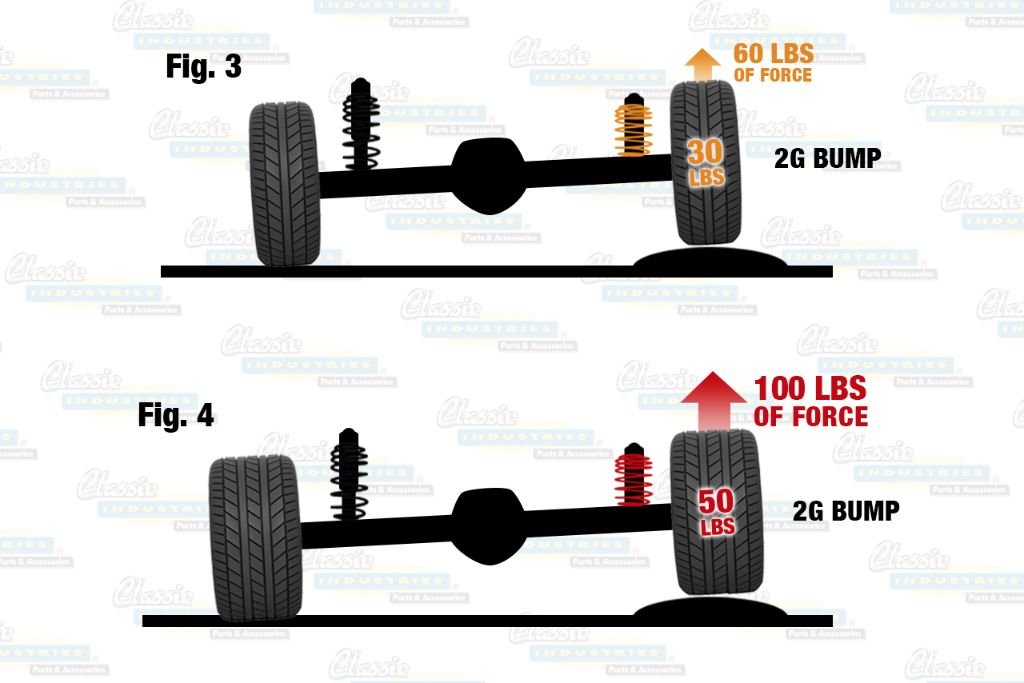
Heavy wheels and suspension parts have more momentum when moving over bumps. This makes it harder for shocks and springs to keep the tire pressed against the road surface.
When a tire loses contact, even for a short moment, the vehicle may experience reduced traction and less predictable handling.

- ✦ Better Tire Tracking
Lower unsprung weight allows tires to follow road changes more quickly.
- ✦ Improved Cornering Grip
A tire that stays connected to the road can generate more consistent cornering force.
Why Rough Roads Highlight Unsprung Weight Problems
On smooth roads, the difference between light and heavy unsprung parts may feel small. On rough roads, the difference becomes much easier to notice.
American drivers often experience cracked pavement, potholes, and uneven highways. Lower unsprung weight helps suspension systems react faster to these challenges.
- ✦ Road Comfort
A lighter wheel assembly reduces harsh impacts transferred into the cabin.
How Lighter Wheels Improve Steering Response
Wheel weight has a direct effect on steering feel. Lighter wheels reduce the effort needed for the suspension and steering system to change direction.
Drivers often notice sharper turn-in response after installing lighter wheels because the suspension can react more quickly.
However, reducing wheel weight alone does not guarantee better handling. Tire quality, alignment settings, and suspension tuning must work together.

- ✦ Faster Direction Changes
Lower unsprung mass allows quicker suspension reactions during steering inputs.
- ✦ More Natural Steering Feel
Lighter components can improve driver feedback through the steering wheel.
Rotational Weight and Handling
Wheel weight is especially important because wheels rotate as the vehicle moves. A heavier wheel requires more energy to accelerate, slow down, and change direction.
This makes lightweight wheels popular among performance drivers who want improved response without changing the engine.
- ✦ Rotating Mass
Rotating wheel weight affects acceleration, braking, and steering response.
The Effect of Unsprung Weight on Braking Performance
Unsprung weight also influences braking performance. Heavier wheels and brake components require more force to slow down because they contain more moving mass.
Reducing unsprung weight can help brakes work more efficiently, especially during repeated stops or performance driving situations.
For everyday drivers, the improvement may appear as better pedal response and more controlled vehicle behavior during emergency braking.

- ✦ Reduced Braking Load
Lower wheel mass reduces the energy needed to slow rotating components.
- ✦ Better Stability
Improved suspension control helps maintain vehicle balance during braking.
How Unsprung Weight Changes Ride Comfort
Many drivers think suspension comfort depends only on springs and shocks. In reality, unsprung weight has a major impact on how smoothly a vehicle absorbs bumps.
A heavy unsprung assembly can overpower the suspension system. This may create harsh impacts, vibration, and a less refined driving experience.
Reducing unnecessary weight below the springs allows the suspension to work more effectively.

- ✦ Smoother Ride
Light suspension components help reduce harsh movements caused by road imperfections.
- ✦ Improved Suspension Control
Shock absorbers can manage lighter moving parts more effectively.
Ways to Reduce Unsprung Weight Safely
Reducing unsprung weight can improve vehicle handling, but changes should be made carefully. Some lightweight parts may sacrifice durability if they are not designed for daily use.
The best upgrades focus on reducing weight while maintaining safety, strength, and reliability.
- ✦ Install Lightweight Wheels
High-quality lightweight wheels can reduce rotating and unsprung mass.
- ✦ Choose Performance Tires Carefully
Some tire choices reduce weight while maintaining grip and durability.
- ✦ Upgrade Suspension Components
Lightweight control arms and suspension parts can improve response.