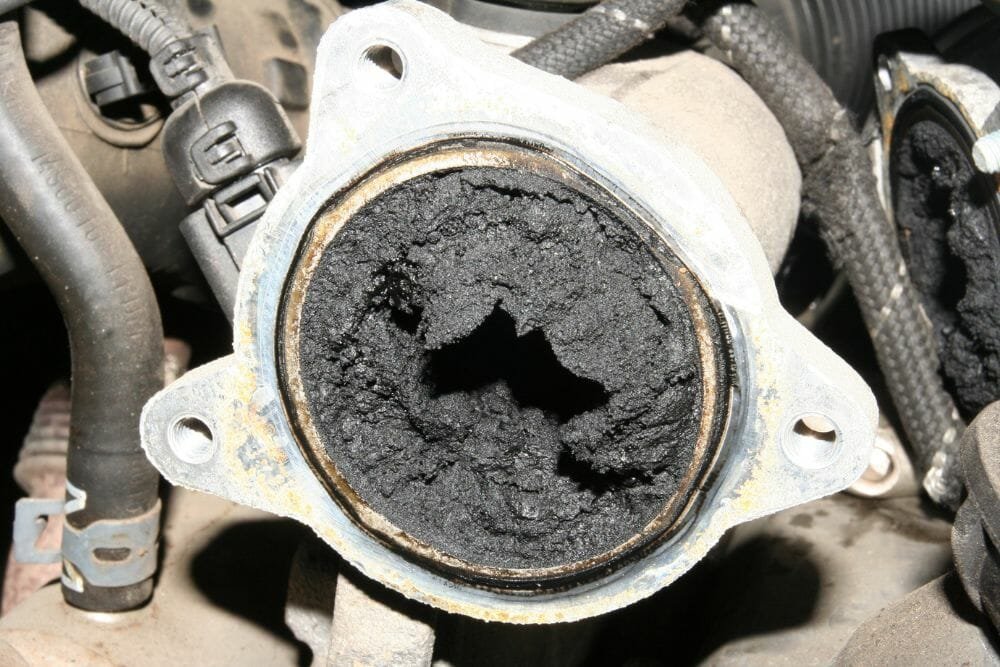
Understanding what causes EGR valves to become dirty helps drivers prevent expensive repairs and keep engines running smoothly. The EGR valve works by sending a small amount of exhaust gas back into the engine to reduce harmful emissions. Over time, those gases leave behind carbon and soot that can block normal operation.
From my experience studying engine problems, I have seen many drivers replace parts when a simple EGR cleaning could solve the issue. A dirty EGR valve is often the result of normal engine operation combined with driving habits, fuel quality, and maintenance history.
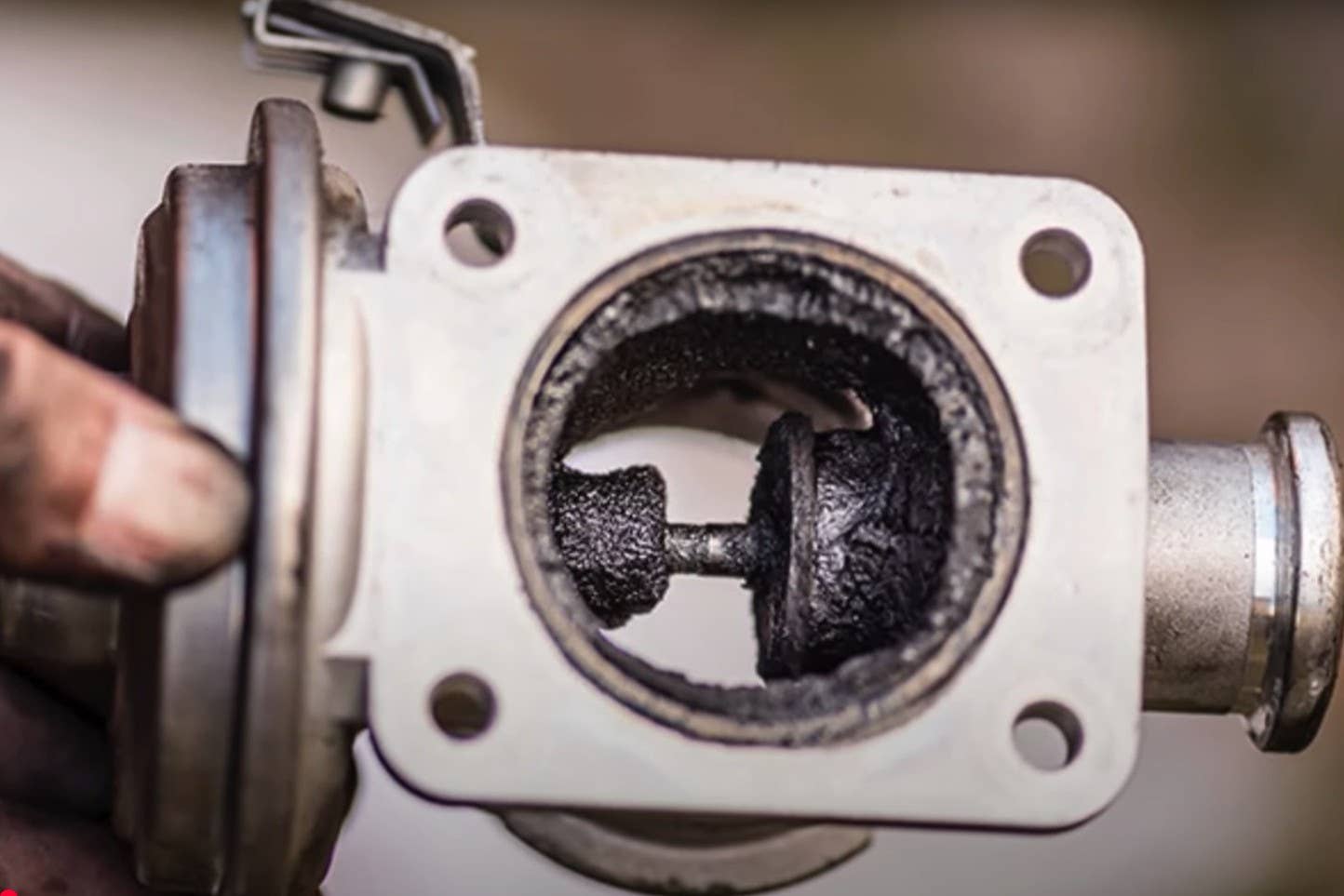
How the EGR Valve Works and Why It Gets Dirty
The EGR valve controls exhaust gas flow back into the intake system. This process lowers combustion temperature and helps reduce nitrogen oxide emissions.
Because the valve handles exhaust gases, it naturally comes into contact with soot and carbon particles. These materials slowly stick to the valve surface and create buildup that affects movement.
- ✦ Exhaust gas exposure
The EGR valve constantly sees hot exhaust gases that contain small carbon particles.
- ✦ Carbon deposit formation
Repeated exposure creates layers of sticky deposits that restrict valve operation.
Why carbon buildup is common in modern engines
Modern engines use advanced emission systems to reduce pollution. These systems often recirculate more exhaust gas, which can increase the chance of deposits forming inside the EGR system.
Carbon and Soot Are the Main Causes of a Dirty EGR Valve
The biggest answer to what causes EGR valves to become dirty is carbon buildup. Exhaust gas contains soot created during fuel combustion, especially in diesel engines.
When soot mixes with moisture and oil vapor inside the intake system, it can create a thick black paste. This material can stick to the EGR valve and prevent it from opening or closing correctly.
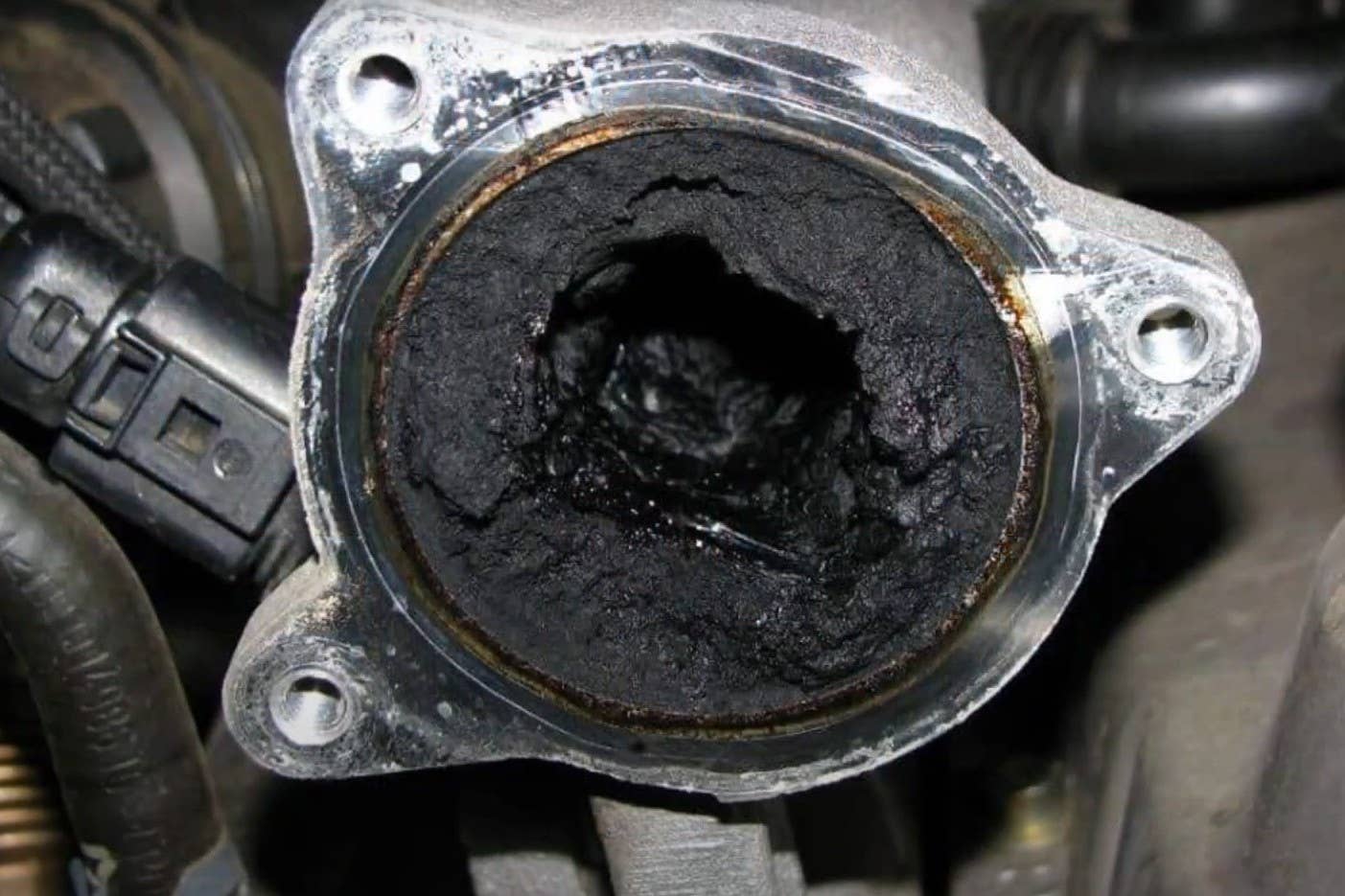
- ✦ Diesel engine soot
Diesel engines usually create more soot, making EGR contamination more common.
- ✦ Sticky deposits
Oil vapor and moisture can make carbon deposits harder and more difficult to remove.
Short Trips and City Driving Increase EGR Valve Deposits
Driving habits play a major role in what causes EGR valves to become dirty. Vehicles that make many short trips may not reach the temperatures needed to burn off deposits.
Many US drivers use vehicles for daily commuting, school runs, and local errands. These low-temperature trips can allow more carbon buildup inside the EGR system.
- ✦ Cold engine operation
Cold engines produce less efficient combustion, which can create more deposits.
- ✦ Stop-and-go traffic
Frequent acceleration and braking can increase soot production.
Why highway driving can help
Long highway drives allow the engine to reach stable operating temperatures. This can help reduce moisture and some deposits inside the exhaust system.
Poor Combustion and Engine Problems Can Create More Deposits
Another important factor in what causes EGR valves to become dirty is poor combustion. When fuel does not burn completely, it creates extra soot that travels through the exhaust system.
Problems such as worn injectors, dirty air filters, incorrect fuel mixture, or faulty sensors can increase carbon production and speed up EGR contamination.
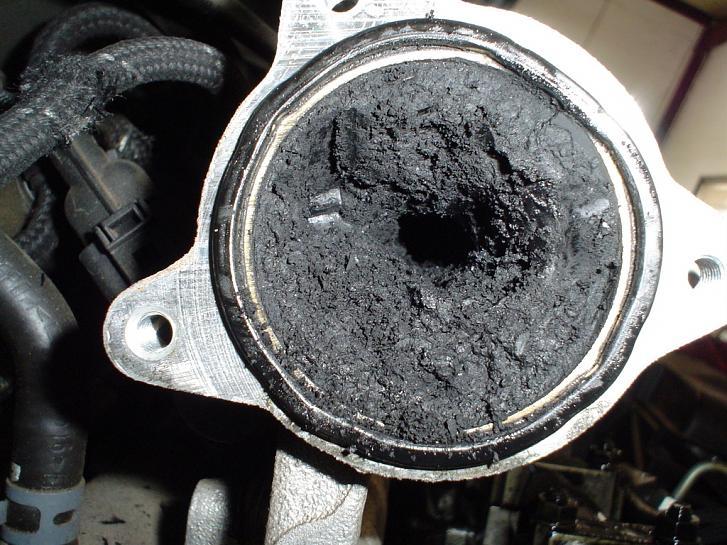
- ✦ Fuel system issues
Poor fuel delivery can create incomplete combustion and extra soot.
- ✦ Restricted airflow
Limited air supply can change combustion quality and increase deposits.
Oil Vapors From the Engine Can Make EGR Deposits Worse
Engine oil vapors can enter the intake system through normal ventilation processes. When these vapors mix with exhaust soot, they can form thick deposits around the EGR valve.
This mixture is one reason some EGR valves become heavily blocked even when the vehicle receives regular maintenance.
- ✦ Positive crankcase ventilation system
The PCV system can send small amounts of oil vapor into the intake.
- ✦ Soot and oil mixture
The combination creates a sticky substance that attaches to EGR parts.
Signs That an EGR Valve Has Become Dirty
A dirty EGR valve does not always fail suddenly. Many drivers notice small changes in performance before the problem becomes serious.
Recognizing these signs early can help prevent additional engine issues and unnecessary repair costs.

- ✦ Rough idle
The engine may shake or run unevenly when the EGR valve does not control airflow properly.
- ✦ Poor acceleration
Restricted airflow can reduce engine response and power.
- ✦ Check engine light
The vehicle computer may detect incorrect EGR operation and store trouble codes.
How to Prevent EGR Valve Carbon Buildup
Preventing a dirty EGR valve starts with good engine care and healthy driving habits. While carbon buildup cannot always be avoided, it can often be reduced.
Regular inspections, quality fuel, and fixing engine problems early can help keep the EGR system working correctly.
- ✦ Drive at highway speeds sometimes
Longer drives allow the engine to operate at proper temperatures.
- ✦ Maintain the air and fuel systems
Clean filters and proper fuel delivery reduce excessive soot.
- ✦ Inspect the EGR system
Early cleaning can prevent severe blockage and expensive replacement.