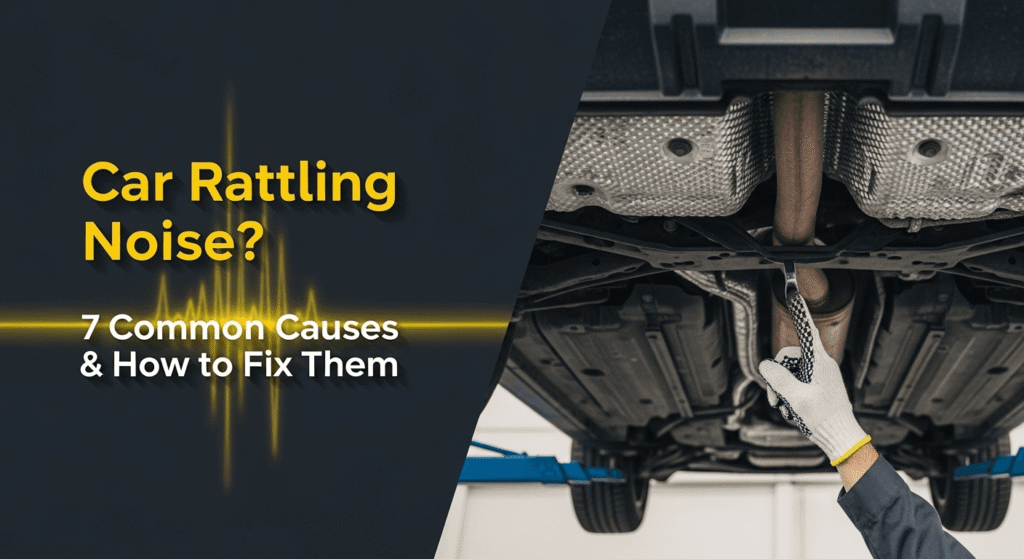
An engine rattling noise usually means a loose, worn, or poorly lubricated part is vibrating or hitting another surface. Common causes include loose heat shields, low engine oil, worn timing chain tensioners, faulty valve lifters, and damaged pulleys. Check the oil level first and stop driving if the noise comes with an oil pressure warning or a deep engine knock.
For drivers across the United States, a strange engine sound can appear while leaving a driveway, sitting at a red light, or merging onto an interstate. Sometimes it sounds like a small metal part shaking under the hood. Other times, it is a deep clatter that grows louder as the vehicle speeds up. The sound may seem minor, but its cause can range from a loose exhaust shield to serious engine damage.
The first step is to learn when the noise happens. Does it start when the engine is cold? Does it get louder when you press the gas pedal? Does it disappear after a few seconds? These details help narrow down the problem. They also help a mechanic find the source without replacing parts at random.
Not every rattle comes from inside the engine. A loose exhaust part, damaged belt tensioner, broken catalytic converter core, or loose engine cover can sound like an internal engine problem. Since sound travels through metal parts, the place where you hear it may not be the place where it starts.
This guide explains the common causes, the clues that separate them, and the checks you can safely make at home. It also explains which warning signs mean you should shut the engine off and arrange a tow instead of continuing to drive.
Source: storage.googleapis.com
What Does an Engine Rattling Noise Mean?
An engine rattling noise is an unwanted metallic, plastic, or mechanical sound that occurs when a component vibrates, moves out of place, or makes contact with another part. It may come from inside the engine or from nearby systems attached to it.
A normal engine makes a steady operating sound. You may hear a soft hum, injector tick, or exhaust note. A new rattle is different. It often has an irregular or repeated shaking sound that changes with engine speed, load, or temperature.
The sound alone cannot identify the failed part. For example, a loose heat shield can make a rapid metallic buzz, while a worn timing chain can create a deeper mechanical clatter. Both may seem to come from the same area under the hood.
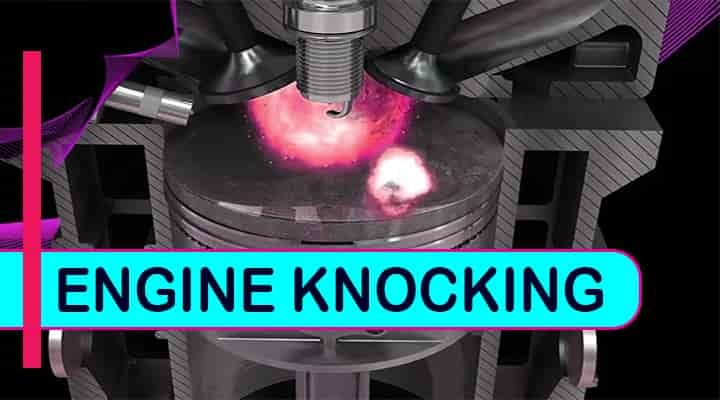
It is also useful to separate rattling from engine knocking. A rattle often comes from loose parts or mechanical contact. Engine knock may describe a deeper mechanical impact or a metallic ping caused by abnormal combustion. These problems need different checks and repairs.
Light metallic rattle
Often linked to a loose heat shield, exhaust bracket, engine cover, or another part that vibrates.
Rapid ticking or clattering
May point to low oil, a valve lifter problem, a timing chain tensioner, or another moving engine component.
Deep rhythmic knocking
Can indicate serious internal wear, including connecting rod or crankshaft bearing damage.
Buzzing at a certain engine speed
May indicate a loose bracket, exhaust shield, pulley, or component that vibrates at a specific frequency.
Is Engine Rattling the Same as Engine Knocking?
No. The terms can describe similar sounds, but they do not always mean the same thing. A loose heat shield may rattle against an exhaust pipe. A worn connecting rod bearing may produce a heavier knock from inside the engine.
Combustion knock, also called detonation or pinging, is another problem. It happens when fuel burns in an abnormal way inside the cylinder. Drivers may hear a metallic ping during acceleration, especially under heavy engine load. Using the fuel grade listed in the owner’s manual is a useful first check, but persistent pinging needs diagnosis.
Do not assume that every metallic sound is harmless. A heavy knock, especially when it grows with engine speed or comes with low oil pressure, needs immediate attention.
Rattling
Often sounds like loose metal or plastic vibrating against another surface.
Mechanical knocking
Often sounds deeper and more rhythmic. It can come from worn internal engine parts.
Combustion pinging
Often sounds like light metallic tapping under acceleration or heavy load.
Common Causes of Engine Rattling Noise
Several parts can create a rattle under the hood. The most useful way to narrow down the cause is to consider the sound, its location, and when it occurs. Start with basic checks before assuming that the engine needs major repairs.
Some problems involve parts outside the engine itself. Others affect lubrication, valve movement, timing, or internal engine components. The difference matters because a loose shield may need a simple repair, while an oil-related mechanical problem may require the engine to stop running.
Loose or damaged heat shield
A corroded or loose metal shield may vibrate against the exhaust system. It often makes a thin metallic buzzing sound.
Low engine oil
An insufficient oil supply can reduce lubrication and contribute to noise from the valve train and other moving parts.
Worn timing chain tensioner
A weak tensioner may allow the timing chain to become loose and strike its guides or nearby surfaces.
Faulty valve lifters
A worn or sticking lifter can create repeated tapping or clattering from the upper engine.
Damaged belt or pulley
A worn bearing, loose belt, or failing tensioner may create rattling, chirping, or squealing near the front of the engine.
Broken catalytic converter core
Damaged internal material can move inside the converter housing and create a metallic rattling sound.
Worn engine bearings
Internal bearing damage can create a deep knock or heavy metallic noise and may require major engine repair.
1. Loose Exhaust Heat Shield
A loose heat shield is one of the simpler causes to investigate. Heat shields protect nearby vehicle parts from the high temperatures produced by the exhaust system. They are usually thin metal panels held in place by fasteners or brackets.
Over time, rust, vibration, and damaged fasteners can cause a shield to loosen. It may then shake against the exhaust pipe or another metal surface. The noise often sounds like a small metal sheet vibrating.
You may hear it at idle, during light acceleration, or at a certain engine speed. The sound may disappear when the engine speed changes because the vibration pattern changes.
With the vehicle parked, the engine off, and the exhaust completely cool, a visual inspection may reveal a loose or damaged shield. Do not touch hot exhaust parts or crawl beneath a vehicle supported only by a jack.
Common clue
A thin metallic buzz from underneath the vehicle or near the exhaust system.
Possible repair
Replace damaged fasteners, brackets, or the heat shield. Use parts and repair methods suitable for exhaust temperatures.
2. Low Engine Oil or Poor Lubrication
Engine oil creates a protective film between moving metal surfaces. It also helps hydraulic parts, including some valve lifters and timing chain tensioners, work as designed.
When the oil level becomes too low, some components may not receive enough lubrication. This can create ticking, tapping, or rattling sounds from the top or inside of the engine. Severe oil pressure loss can damage bearings and other parts very quickly.
A low level may result from an oil leak, oil consumption, an overdue service, or an incorrect amount of oil after maintenance. The correct response is to check the level using the method in the owner’s manual.
If the oil pressure warning light comes on while the engine is running, do not keep driving to see whether the sound disappears. Stop safely, switch off the engine, and arrange professional help if the warning remains or the cause is unclear.
Common clue
Rattling or ticking from the engine that may become worse as the engine warms or the oil supply becomes inadequate.
Possible repair
Correct the oil level with the specified oil, find any leak or consumption problem, and check oil pressure when required.
3. Worn Timing Chain or Tensioner
The timing chain connects the crankshaft and camshaft. It keeps the valves and pistons working in the correct sequence. A tensioner helps keep the chain tight while guides control its movement.
If the chain stretches, a guide wears out, or the tensioner stops working correctly, the chain may move too much. This can create a metallic rattling sound near the front or side of the engine.
Some vehicles may rattle for a short time after starting because oil pressure has not yet reached a hydraulic chain tensioner. However, this behavior is not automatically normal for every engine. A repeated or worsening startup rattle deserves a vehicle-specific inspection.
A Mercedes-Benz technical service bulletin filed with the National Highway Traffic Safety Administration describes startup rattling caused by secondary timing chains on certain specified engines until oil pressure builds. The bulletin applies to listed engine versions and production ranges, not every vehicle. This is why the exact engine and service history matter.
Common clue
Metallic rattling near the timing cover, especially during startup or at certain engine speeds.
Possible repair
A technician may need to inspect the chain, tensioner, guides, oil supply, and vehicle-specific service bulletins.
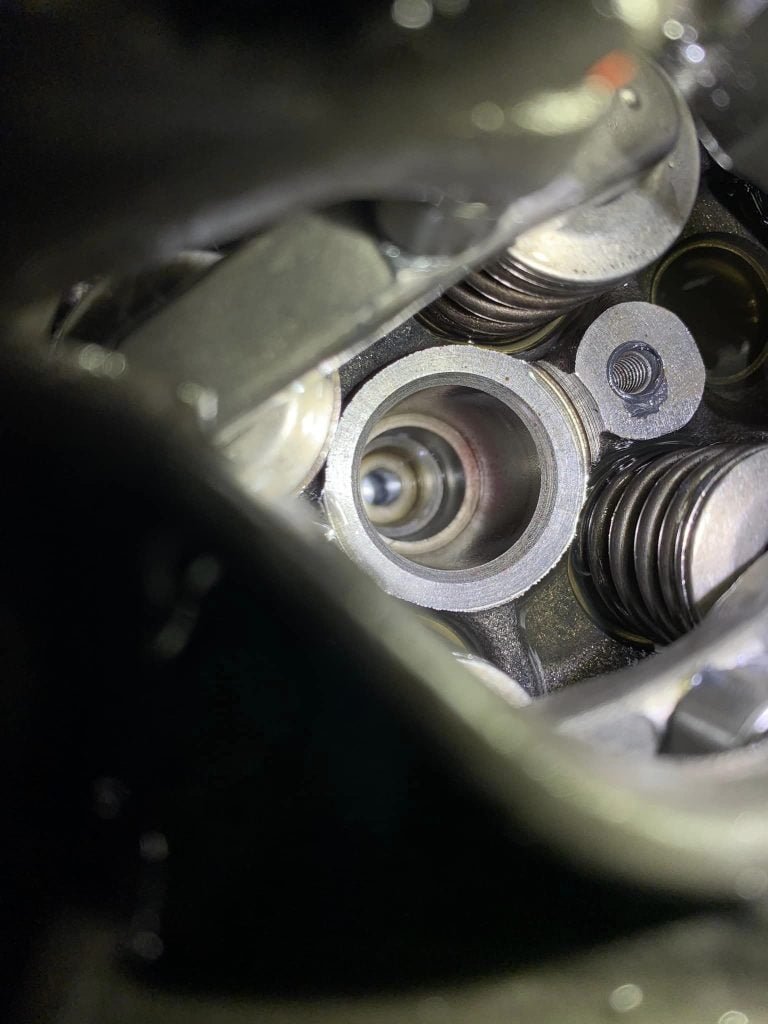
4. Faulty Hydraulic Valve Lifters
Valve lifters help control engine valve movement. In engines with hydraulic lifters, engine oil pressure helps maintain the correct clearance in the valve train.
A worn, sticking, or poorly supplied lifter may produce a repeated tapping or clattering noise from the upper part of the engine. The sound often follows engine speed.
Low oil, dirty oil, an incorrect oil grade, or internal lifter wear may contribute to this problem. However, a ticking noise alone does not prove that a lifter has failed.
A mechanic may check oil condition, oil pressure, valve train movement, and other possible sources before recommending replacement. The correct repair depends on the engine design and the confirmed fault.
Common clue
Repeated ticking or tapping from the cylinder head area.
Possible repair
Correct an oil supply problem or repair the affected valve train parts after proper diagnosis.
5. Worn Serpentine Belt, Tensioner, or Pulley
The serpentine belt transfers engine power to accessories such as the alternator and, on many vehicles, the air conditioning compressor and water pump.
A worn belt, damaged pulley bearing, or weak belt tensioner can produce rattling, chirping, squealing, or grinding sounds. The noise often comes from the front of the engine.
The sound may change when the air conditioner is switched on because the compressor adds load to the belt system. This is a useful clue, but it does not confirm that the compressor is faulty.
Inspecting a moving belt is dangerous. Keep hands, hair, clothing, and tools away from belts and pulleys whenever the engine is running. A mechanic can safely isolate the noisy accessory and check its bearings.
Common clue
A rattle, chirp, or squeal near the front of the engine that changes with accessory operation.
Possible repair
Replace the worn belt, tensioner, pulley, or faulty accessory as confirmed by inspection.
6. Damaged Catalytic Converter
A catalytic converter reduces harmful pollutants in exhaust gases. Inside its metal housing is a ceramic or metallic structure that supports the emissions process.
If the internal structure breaks apart, loose pieces may move around inside the housing. This can create a metallic rattle from beneath the vehicle, often during idle or acceleration.
A damaged converter may also cause poor engine performance, unusual exhaust smells, or an illuminated check engine light. A restricted converter can affect exhaust flow and engine operation.
A technician can inspect the exhaust system, scan diagnostic codes, and test converter operation. Replacing the converter without checking the cause of the damage may lead to another failure.
Common clue
Metallic rattling from the exhaust area, sometimes with poor acceleration or an emissions warning.
Possible repair
Diagnose the converter and any underlying engine or fuel problem before replacing damaged parts.
7. Worn Internal Engine Bearings
Engine bearings support rotating parts such as the crankshaft and connecting rods. They depend on a steady supply of clean engine oil to maintain a protective oil film.
When a bearing wears or loses proper lubrication, metal parts may move more than intended. This can create a deep, rhythmic knock that grows louder with engine speed or load.
This is more serious than a loose exterior heat shield. Continued operation may cause extensive damage to the crankshaft, connecting rods, or engine block.
If the rattle sounds deep and heavy, especially when combined with an oil pressure warning, shut the engine off. Do not keep revving it to identify the sound. Have the vehicle inspected or towed.
Common clue
A heavy metallic knock or pounding sound that follows engine speed or becomes stronger under load.
Possible repair
Professional internal engine inspection and repair. The final repair may involve rebuilding or replacing the engine.
Why Does the Engine Rattle in Different Driving Conditions?
The moment when the sound appears can be more useful than the sound itself. A rattle during a cold start may have a different cause from one that appears only during acceleration or while driving over rough roads.
Use the following patterns as starting clues, not final diagnoses. Several faults can create similar sounds, and some noises may come from the exhaust, transmission, or suspension rather than the engine.
Rattling when starting the engine
Possible causes include a timing chain tensioner, delayed oil pressure, a worn belt tensioner, or a loose exhaust part. Record how long the noise lasts and whether it happens after every start.
Rattling at idle
Possible causes include loose heat shields, valve lifters, belt tensioners, engine mounts, or an accessory pulley. Notice whether switching the air conditioner changes the sound.
Rattling during acceleration
Possible causes include combustion pinging, exhaust vibration, timing chain problems, low oil, or a worn engine mount. Avoid hard acceleration until the cause is understood.
Rattling at high RPM
Possible causes include a loose exhaust part, a pulley bearing, a valve train issue, or internal engine wear. A noise that follows engine speed deserves prompt attention.
Rattling only when the engine is warm
Possible causes include oil-related valve train noise, a worn tensioner, exhaust expansion, or a component that vibrates at operating temperature.
Rattling over bumps
This often points to suspension parts, exhaust hangers, loose underbody panels, or cargo rather than an internal engine problem.
Why Does My Engine Rattle When Cold?
A cold engine may make different sounds because the oil is thicker and has not yet reached every lubrication point. Some hydraulic components need oil pressure before they operate as intended.
A brief startup rattle can occur on certain engine designs. However, repeated loud rattling, a sound that lasts longer over time, or noise that continues after the engine warms should not be ignored.
Check the oil level and service history first. If the vehicle has recently had an oil change, confirm that the correct oil specification and filter were used. A technician should investigate a persistent noise rather than assume it is normal cold-start behavior.
Useful observation
Record whether the sound lasts for a moment, several seconds, or the entire warm-up period.
Next step
Compare the sound with vehicle-specific service information and arrange an inspection if it is new or getting worse.
Why Does My Engine Rattle When Accelerating?
Acceleration increases engine load and changes the vibration of the exhaust, engine mounts, and other connected parts. This can make an existing loose component more noticeable.
A light metallic ping during acceleration may be combustion knock. In the United States, gasoline pump octane numbers use the anti-knock index, or AKI. Check the owner’s manual for the required fuel grade rather than assuming that premium fuel is always necessary.
A heavier mechanical rattle may point to a timing, lubrication, or internal engine problem. If the noise becomes louder under load, avoid hard acceleration and arrange a prompt inspection.
Light pinging
Check the fuel grade, engine temperature, and warning lights. Have persistent pinging diagnosed.
Metallic vibration
Inspect exhaust shields, brackets, mounts, and other components that may vibrate under engine load.
Deep knocking
Stop driving if the sound is heavy or comes with low oil pressure or a major loss of power.
How to Diagnose an Engine Rattling Noise Safely
You can narrow down many rattling problems with a few simple checks. The goal is not to take the engine apart. It is to collect useful clues and rule out basic problems without putting yourself at risk.
Park on level ground in a safe location. Set the parking brake and keep the vehicle away from traffic. If you notice an oil pressure warning, overheating, smoke, or a deep mechanical knock, switch off the engine instead of continuing the inspection with it running.
Step 1: Record the sound
Note whether it happens at startup, idle, acceleration, or while driving over bumps. Record it from a safe position with the vehicle stationary.
Step 2: Check warning lights
Look for the oil pressure warning, temperature warning, check engine light, or powertrain warning. A flashing check engine light can indicate an active misfire.
Step 3: Check engine oil
Follow the owner’s manual for the correct parking position and waiting time. Use the dipstick or electronic oil-level system as specified.
Step 4: Inspect for visible leaks
Look for fresh oil or other fluid beneath the vehicle. Do not touch hot engine or exhaust parts.
Step 5: Inspect accessible exterior parts
With the engine switched off and fully cool, look for loose engine covers, visible exhaust shields, broken brackets, or damaged panels.
Step 6: Scan for diagnostic codes
An OBD-II scanner may reveal misfire, timing, or other engine-related fault codes. Codes are clues, not proof that a particular part has failed.
Step 7: Arrange professional diagnosis
If the noise continues, ask a qualified technician to inspect the engine, exhaust, accessory drive, and lubrication system.
How to Check Engine Oil Correctly
Oil level is one of the first things to check because proper lubrication is essential to engine operation. A low level can contribute to noise and, in severe cases, serious mechanical damage.
Park on a level surface. Switch off the engine and follow the waiting period listed in the owner’s manual. Some vehicles have an electronic oil-level system and use a specific procedure instead of a dipstick.
For a dipstick-equipped vehicle, remove the dipstick and wipe it clean. Insert it fully, remove it again, and read the oil level against the marked range. If it is below the safe range, add the specified oil in small amounts and recheck it.
Never overfill the engine. Too much oil can also cause problems. If the level drops again, look for a leak or possible oil consumption problem. Correcting the level does not repair a damaged oil pump, worn bearing, or faulty tensioner.
Use the correct specification
Check the owner’s manual for the required viscosity and oil performance standard.
Avoid overfilling
Add small amounts and recheck the level instead of pouring in a large amount at once.
Treat low oil pressure seriously
A warning light while the engine is running requires stopping safely and switching the engine off.
What Can an OBD-II Scanner Tell You?
Most modern gasoline vehicles sold in the United States use standardized OBD-II diagnostic systems. A compatible scanner can retrieve stored diagnostic trouble codes and, depending on the vehicle and scanner, show live engine information.
For example, a misfire code may point toward a cylinder that is not burning fuel correctly. A camshaft or crankshaft timing code may help a technician investigate a timing-related problem.
However, an OBD-II scanner does not listen to the engine or directly identify every mechanical fault. A loose heat shield may create a loud rattle without setting any engine code. Likewise, a code does not automatically mean that the named sensor needs replacement.
Save the codes
Write down the exact code numbers and any available descriptions before clearing anything.
Do not erase evidence
Avoid clearing codes before a technician has had a chance to review the stored information.
Combine evidence
Use scanner results together with sound patterns, oil checks, and physical inspection.
When Should You Stop Driving Because of Engine Rattling?
Some rattles allow a short trip to a repair shop after a basic inspection. Others mean the engine should be shut off immediately. The decision depends on the warning signs, not simply how loud the noise sounds.
A loose interior panel or heat shield may not create an immediate engine failure. A loss of oil pressure or serious internal knock is different. Continuing to run the engine can turn a repairable problem into extensive damage.
Oil pressure warning light
Pull over safely and switch off the engine. Do not continue driving to see whether the light goes away.
Deep metallic knocking
Stop the engine and arrange a tow. This can indicate internal engine damage.
Overheating
Stop safely and switch off the engine. Never remove a hot radiator cap or coolant reservoir cap.
Flashing check engine light
Reduce engine load, stop safely, and arrange prompt diagnosis. An active misfire can damage the catalytic converter.
Smoke or burning smell
Stop in a safe place and switch off the engine. If there is smoke or a fire risk, move away and contact emergency services.
Exhaust fumes inside the cabin
Stop using the vehicle and get professional help. Exhaust leaks can expose occupants to carbon monoxide.
Sudden loss of power
Avoid continuing on a busy road. Move to a safe location and arrange assistance.
Can You Drive With a Minor Engine Rattle?
Possibly, but only when the warning signs and vehicle condition support that decision. A small rattle from a loose exterior shield is different from a deep sound coming from inside the engine.
If the engine runs normally, the oil level is correct, there are no warning lights, and the sound appears to come from a loose exterior part, a short trip to a nearby repair shop may be reasonable. Keep engine load low and avoid unnecessary driving.
If the noise is new, persistent, getting louder, or difficult to identify, have the vehicle inspected promptly. There is no reliable way to declare an engine rattle safe based on sound alone.
Possible limited driving
A clearly identified minor exterior rattle without warning signs or changes in engine operation.
Tow the vehicle
An oil pressure warning, overheating, deep knock, severe vibration, smoke, or major performance loss.
How Do Mechanics Find and Fix Engine Rattling?
A professional diagnosis should begin with the exact conditions that produce the sound. The mechanic may ask when it started, whether the engine was cold or warm, how long the noise lasted, and whether warning lights appeared.
The technician can then inspect the likely systems in a logical order. This helps avoid replacing expensive parts based on a sound that could have come from a loose bracket or exhaust shield.
Visual inspection
The mechanic checks engine covers, exhaust parts, heat shields, brackets, belts, pulleys, fluid leaks, and visible damage.
Computer diagnosis
The technician scans stored fault codes and reviews relevant live engine data.
Lubrication checks
The technician may verify oil condition, oil level, and actual oil pressure with suitable equipment.
Noise isolation
Professional listening tools may help identify whether the sound comes from the timing area, valve train, accessory drive, or exhaust.
Mechanical testing
Further tests may include timing inspection, cylinder testing, bearing checks, or exhaust-system diagnosis.
Typical Repairs Depend on the Confirmed Cause
A loose heat shield may need new fasteners, brackets, or a replacement shield. A belt-related noise may require a new belt, tensioner, pulley, or accessory. These repairs are very different from internal engine work.
A timing chain repair may involve replacing the chain, guides, and tensioner. The exact parts and labor depend on the engine design and the manufacturer’s repair procedure.
A valve train problem may require a lifter, rocker arm, or related component repair. If internal bearings have failed, the engine may need extensive rebuilding or replacement.
The correct repair should address the actual cause. Replacing a catalytic converter, timing chain, or engine mount without confirming the fault can waste money and leave the original problem unresolved.
Ask for the diagnosis
Request an explanation of which component is making the noise and how the technician confirmed the failure.
Request an itemized estimate
Ask for separate parts, labor, diagnostic charges, and any additional work that may be required.
Check warranty coverage
Review applicable vehicle warranties and repair-part warranties before approving the work.
Consider a second opinion
For expensive engine repairs, another qualified shop can help verify the diagnosis.
How Much Does It Cost to Fix an Engine Rattle?
There is no single repair price for an engine rattle. The cost depends on the failed component, vehicle make and model, engine layout, local labor rate, and the amount of work needed to reach the part.
A loose exterior bracket may require little labor. A timing chain repair can involve extensive engine disassembly. Internal bearing damage may require an engine rebuild or replacement.
Ask the repair shop to separate the diagnostic fee from the estimated repair cost. Request a written estimate before approving work. The Federal Trade Commission also advises consumers to understand repair charges, ask for a written estimate, and consider a second opinion for expensive or complicated repairs.
Minor exterior repair
May involve replacing a shield, fastener, bracket, or loose cover.
Accessory repair
May involve a belt, pulley, tensioner, or accessory component.
Major engine repair
May involve timing components, valve train parts, internal bearings, or a complete engine.
Mistakes to Avoid When an Engine Starts Rattling
A new engine noise can make drivers rush into repairs or ignore the problem. Both choices can create trouble. A careful inspection is more useful than guessing which part needs replacement.
Avoid these common mistakes while investigating the sound.
Ignoring the oil pressure warning
A low oil pressure warning can indicate an immediate lubrication problem. Switching off the engine is safer than continuing to drive.
Assuming every rattle comes from inside the engine
Exhaust shields, brackets, underbody panels, and accessory parts can create sounds that seem to come from the engine.
Revving the engine repeatedly
Repeated high-RPM tests can increase damage when the noise comes from a worn internal component.
Adding thicker oil without checking specifications
Oil viscosity must match the manufacturer’s requirements. Thicker oil is not a universal solution for engine noise.
Using premium fuel without a reason
Follow the required fuel grade in the owner’s manual. Higher octane does not repair a mechanical rattle.
Replacing parts based on sound alone
Several parts can create similar noises. Confirm the source before buying expensive replacement components.
Touching hot or moving components
Never reach near a running belt, fan, pulley, or hot exhaust part. Shut the engine off and allow it to cool before inspecting accessible components.
Crawling under a car supported by a jack alone
A jack is not a safe substitute for properly rated support stands and a suitable lifting procedure. Leave underbody inspections to a qualified shop if safe support is unavailable.
Can You Fix an Engine Rattle With an Oil Additive?
An oil additive is not a reliable repair for an unidentified engine rattle. Some products claim to reduce noise or improve lubrication, but that does not mean they can repair a worn bearing, damaged timing chain, broken lifter, or loose exhaust shield.
Start by checking the oil level and the oil specification required by the vehicle manufacturer. If the sound continues, have the cause identified before adding products to the engine.
Using an unapproved additive may change the oil’s intended properties or create warranty concerns. Follow the vehicle manufacturer’s maintenance guidance.
Check oil level, oil condition, and the specified oil grade.
Avoid false repairs
Do not use an additive to delay diagnosis of a deep knock, low oil pressure, or persistent timing noise.
How to Prevent Future Engine Rattling
Regular maintenance cannot prevent every mechanical failure, but it can reduce the risk of problems linked to poor lubrication, worn parts, and neglected exhaust components.
Follow the service schedule in the owner’s manual. Maintenance needs can differ by engine design, driving conditions, and vehicle age. Frequent short trips, heavy loads, dusty roads, and extreme temperatures may affect service needs.
Pay attention to new sounds rather than waiting for the next scheduled service. A small vibration may be easier to investigate before a bracket breaks, a belt fails, or a lubrication problem damages internal parts.
Check engine oil regularly
Use the inspection schedule and procedure recommended by the vehicle manufacturer. Investigate repeated drops in oil level.
Use the correct oil and filter
Choose products that meet the required viscosity and performance specifications.
Follow timing system maintenance guidance
Some engines use timing belts with replacement intervals, while timing chains have different inspection and service requirements.
Inspect the exhaust system
Watch for corrosion, loose brackets, damaged hangers, and signs of an exhaust leak.
Address warning lights promptly
A check engine light or powertrain warning can reveal a developing problem before more damage occurs.
Pay attention to new sounds
Record changes in noise, vibration, starting behavior, and engine performance.
Keep repair records
Save oil service dates, diagnostic results, repair invoices, and information about replaced parts.
Why Maintenance Records Matter
Maintenance records can help a mechanic understand when the noise started and whether it followed a recent repair. For example, an engine rattle that appears immediately after an oil service deserves a check of the oil level, filter, and specified oil.
Records can also help identify recurring problems. If the same noise returns after a belt or tensioner replacement, the technician can investigate whether another part is causing the failure.
Keep the vehicle identification information, mileage, service dates, and repair invoices together. These details make future diagnosis more accurate and help support warranty discussions.
Save service invoices
Keep details of oil changes, filter replacements, timing work, and exhaust repairs.
Record new symptoms
Note the date, mileage, engine temperature, driving condition, and warning lights when a new noise appears.
Frequently Asked Questions
Q
Is an engine rattling noise serious?
It can be serious, but not every rattle means the engine is failing. A loose heat shield or bracket may cause a minor metallic noise. Low oil pressure, a worn timing chain, or damaged internal bearings can cause much more serious problems.
Check the oil level and warning lights. Stop the engine if you notice an oil pressure warning, overheating, a deep metallic knock, or a major loss of power. Arrange an inspection to identify the actual cause.
Q
Why does my engine rattle for a few seconds after starting?
A brief startup rattle may be related to a hydraulic timing chain tensioner that needs oil pressure, a belt tensioner, or another component that makes noise before the engine reaches normal operating conditions.
Some vehicle manufacturers have documented this behavior for specific engines. That does not make every startup rattle normal. If the sound is new, loud, repeated, or getting longer, have the vehicle checked using the correct service information.
Q
Can low engine oil cause a rattling noise?
Yes. Low engine oil can reduce lubrication to moving engine parts. It may cause ticking, tapping, or rattling from the valve train and other areas.
Check the oil level using the method in the owner’s manual. Add the correct oil if needed, but do not assume that topping it off fixes the underlying problem. If the oil pressure warning is on, switch off the engine and seek professional help.
Q
Why does my car rattle when I accelerate?
A rattle during acceleration may come from a loose exhaust heat shield, damaged bracket, worn engine mount, timing system, or internal engine component. A light metallic ping may also indicate combustion knock.
Pay attention to whether the noise changes with engine speed or vehicle speed. Use the fuel grade listed in the owner’s manual and avoid hard acceleration until the cause is known. A deep or worsening mechanical noise needs prompt diagnosis.
Q
Can a loose heat shield sound like an engine problem?
Yes. A loose heat shield can create a metallic buzzing or rattling sound that travels through the exhaust and vehicle body. This can make the noise seem as though it comes from inside the engine.
A visual inspection with the engine off and exhaust fully cool may reveal a loose shield or damaged bracket. A repair shop can secure or replace the damaged part using suitable exhaust hardware.
Q
Why does my engine rattle only when it is warm?
A warm-only rattle may occur because engine temperature changes oil flow, component clearances, and exhaust movement. A worn valve lifter, timing tensioner, pulley, or heat-sensitive loose component may become noisier as the engine reaches operating temperature.
Record when the noise begins and whether it changes with idle speed or accessory operation. Persistent warm-engine rattling should be inspected rather than treated as normal.
Q
Should I stop driving if my engine starts rattling?
Stop driving if the rattle comes with an oil pressure warning, overheating, a deep metallic knock, smoke, or major power loss. Switch off the engine and arrange a tow.
A clearly identified minor exterior rattle without warning lights or changes in engine operation may allow a short trip to a repair shop. However, a new or unexplained engine noise should be checked promptly.
Q
Can a rattling engine damage the catalytic converter?
Some problems that cause engine rattling can also affect the catalytic converter. For example, an engine misfire can send unburned fuel into the exhaust and increase converter temperature.
A flashing check engine light can indicate an active misfire. Avoid heavy acceleration and have the vehicle checked promptly. A damaged catalytic converter can also rattle if its internal structure breaks apart.
✦ Wrapping Up
Conclusion
An engine rattling noise can come from something simple or something serious. Loose heat shields, exhaust brackets, belt tensioners, and engine covers are possible sources. Low oil, worn valve lifters, timing chain problems, and internal bearing damage require more attention.
The most useful clues are when the noise happens, where it seems to come from, and whether it changes with engine speed or temperature. Check the oil level and warning lights first. Inspect only accessible parts with the engine switched off and cool, and avoid reaching near moving components.
Do not ignore an oil pressure warning, overheating, a flashing check engine light, or a deep metallic knock. These signs may indicate a problem that can become much worse if the engine keeps running. When the source is uncertain, a qualified mechanic can perform the tests needed to identify the failed component.
💡 Key Takeaway
Start by checking the engine oil level and warning lights. Record when the rattling occurs and whether it changes with engine speed. If you notice low oil pressure, overheating, smoke, or a deep metallic knock, shut off the engine and arrange a tow. Otherwise, schedule a professional inspection to identify the source before replacing parts.
About john Adword
John Adword has tested and reviewed car seat covers and interior accessories for 5 years, evaluating fit, material performance, and long-term wear across a range of vehicles and climates. His testing approach follows the same methodology used across car Reviewer Plus's product reviews — hands-on installation, real-world use, and comparison against manufacturer claims — with an ongoing focus on tracking new seat cover materials and cooling technology as they come to market.