Ev Vs Hybrid Car: Choosing The Right Ride For 2026
EVs are pure electric vehicles; hybrids combine gasoline engines with electric motors for range.
I have spent years testing cars and advising buyers on the ev vs hybrid car question. I’ll walk you through the tech, costs, driving feel, maintenance, and real-world tradeoffs. This guide blends research, hands-on experience, and practical tips so you can pick the right option for your needs.
How EVs and Hybrid Cars Work
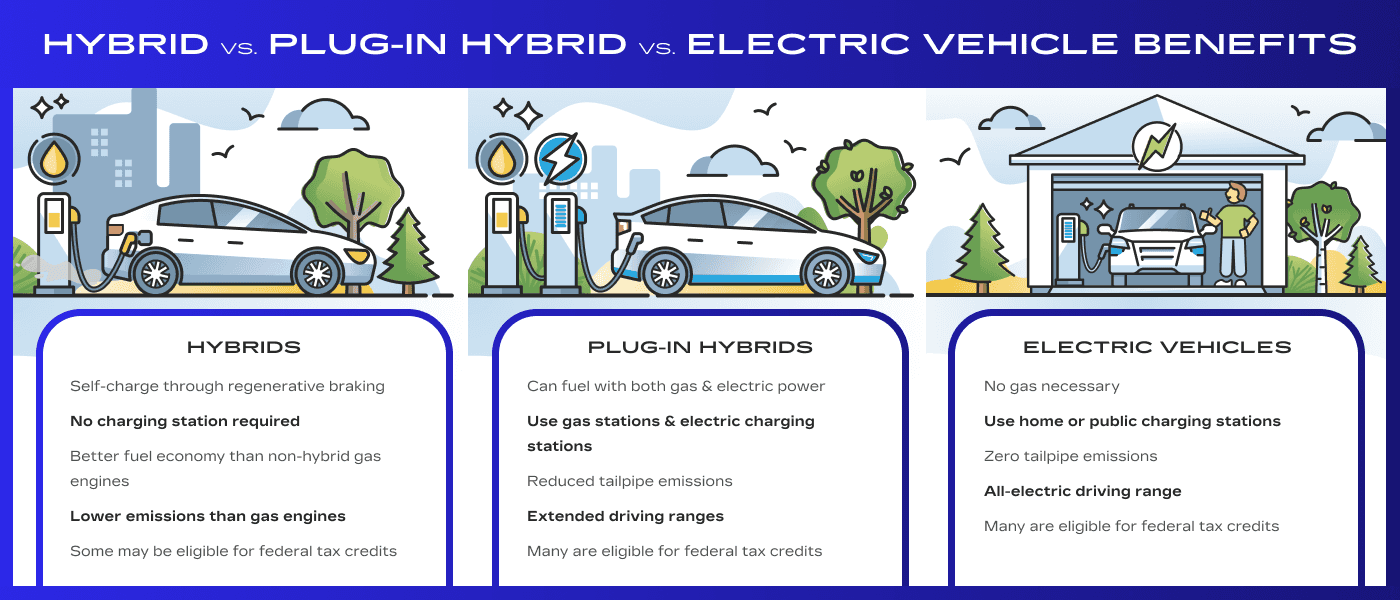
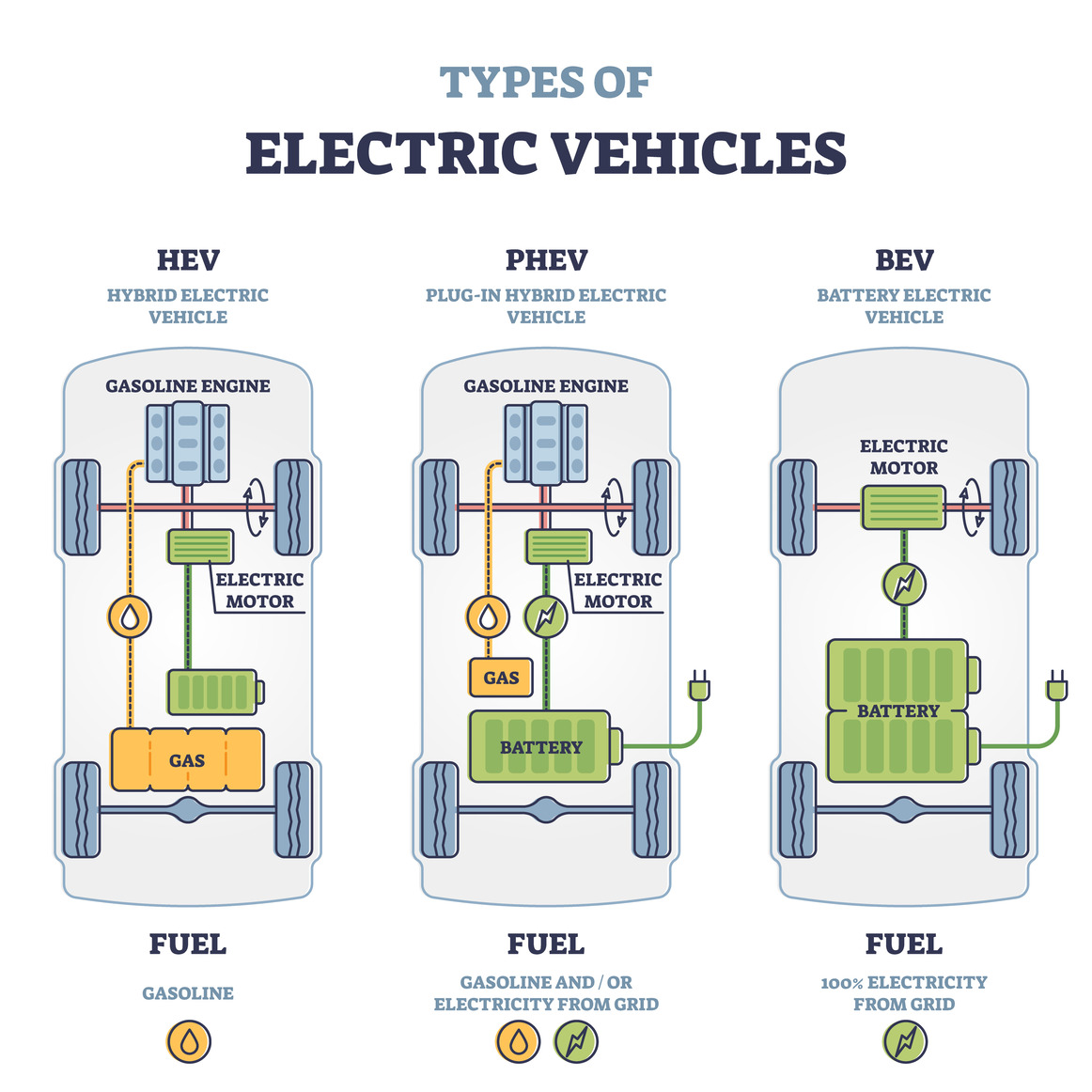
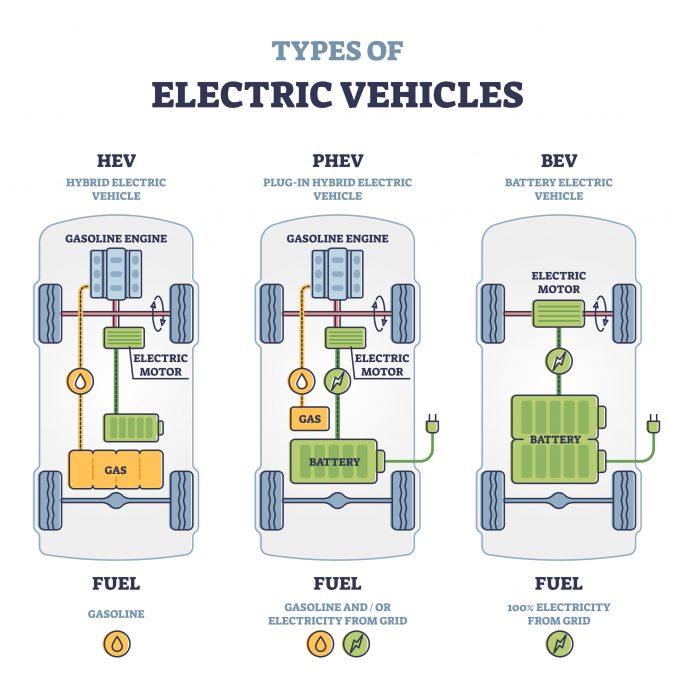
Electric vehicles run only on a battery and electric motor. They charge from the grid and produce zero tailpipe emissions. Battery size and motor power determine range and performance.
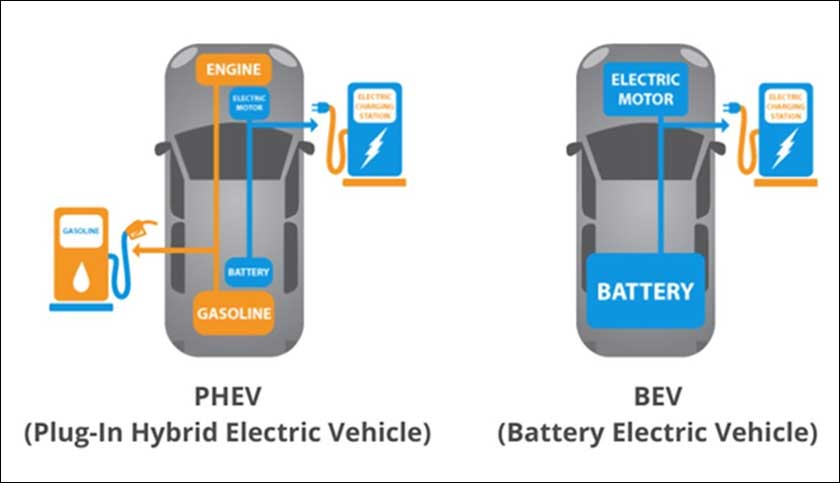
Hybrids pair an internal combustion engine with an electric motor and a smaller battery. The engine and motor share driving duties. Some hybrids recharge their battery with the engine and braking; plug-in hybrids add external charging for short electric-only trips.
Comparing the core systems helps you see why the ev vs hybrid car debate matters. EVs simplify the drivetrain but depend on charging. Hybrids offer fuel flexibility but keep engine complexity.
Cost and Incentives
EV purchase price can be higher up front than comparable hybrids. Lower operating costs for EVs often offset that over time. Electricity is cheaper per mile than gasoline in many regions.
Hybrids usually cost less than full EVs while saving fuel. Plug-in hybrids sit between hybrids and EVs on price and savings. Incentives and tax credits can change the math drastically.
When thinking about ev vs hybrid car costs, include purchase price, fuel or charging costs, maintenance, insurance, and resale value. Factor in local incentives and fuel prices to make a clear comparison.
Charging, Refueling, and Convenience
EVs need charging infrastructure. Home charging is the most convenient option for daily use. Fast chargers reduce long-trip time but are less available in some areas.
Hybrids refuel at gas stations like any gasoline car. Plug-in hybrids let you drive short trips on electricity and then use gas for longer travel. For many drivers, that mix feels convenient.
Consider your routine when comparing ev vs hybrid car convenience. If you can charge at home or work, an EV fits well. If you travel long distances without reliable chargers, a hybrid can lower range anxiety.
Driving Experience and Performance
EVs deliver instant torque and smooth acceleration. They are quiet and often feel faster at low speeds. Regenerative braking changes how you drive and can let you use one-pedal driving in many models.
Hybrids offer balanced performance. They are often tuned for fuel efficiency rather than sportiness. Plug-in hybrids can provide electric-power drive for city trips and engine power for highways.
If driving feel matters, test drive both. The ev vs hybrid car tradeoff here is about silence and punch versus flexibility and familiarity.
Maintenance and Reliability
EVs have fewer moving parts. No oil changes, no complex transmissions, and fewer fluids mean lower routine maintenance. Brake wear often drops thanks to regenerative braking.
Hybrids have both engine and electric systems. They need engine maintenance and occasional battery or inverter checks. Long-term reliability is good for many models, but complexity can raise repair costs.
Think long term when judging ev vs hybrid car ownership costs. EVs tend to cost less to maintain, but large battery repairs are rare and expensive if they occur.
Environmental Impact
EVs produce no tailpipe emissions. Their total emissions depend on how electricity is made. Charging from clean grids lowers lifecycle emissions a lot.
Hybrids reduce fuel use and emissions versus standard cars but still burn gasoline. Plug-in hybrids can cut emissions for short trips but revert to gas for longer drives.
If your goal is emissions reduction, the ev vs hybrid car answer depends on local energy sources and driving patterns. EVs usually win with clean power. Hybrids help reduce fuel use where EV charging is limited.
Resale Value and Depreciation
EV resale values can vary with battery health and market demand. Early EVs depreciated quickly, but newer models hold value better as tech and range improve.
Hybrids often have steady resale values due to broad demand and proven tech. Plug-in hybrids may face more resale uncertainty than standard hybrids or conventional cars.
When considering ev vs hybrid car resale, examine model reputation, battery warranty length, and local used-car trends.
Use Cases: Which Is Right for You?
If you drive mostly short daily trips and can charge at home, an EV is ideal. EVs save money and offer a modern driving feel.
If you drive long distances often and lack reliable charging, a hybrid or plug-in hybrid is practical. Hybrids reduce fuel costs while avoiding charging hassles.
For mixed use, a plug-in hybrid can be a compromise. It offers electric commuting with engine backup for trips.
My Personal Experience and Lessons Learned
I have owned a small electric car and leased a hybrid SUV. The EV was bliss for city drives. I charged at home every night and rarely visited public chargers.
The hybrid SUV was calm and practical for long road trips. I liked the peace of mind of refueling anywhere. I learned to match vehicle choice to routine.
Practical tips from my experience:
- Always test home charging before committing to an EV.
- Check local fast-charging maps if you travel long distances.
- For hybrids, compare real-world fuel economy rather than just rated numbers.
- Review battery and drivetrain warranties closely.
These hands-on lessons help frame the ev vs hybrid car decision for real life.
Buying Checklist for EVs and Hybrids
Use this checklist before you buy:
- Home charging capability: Verify outlet type and charging speed.
- Daily range needs: Match EV range to typical round trips.
- Long-trip plans: Check charger availability or hybrid fuel range.
- Total cost of ownership: Include incentives, fuel, and maintenance.
- Warranty and battery coverage: Look for long-term battery protection.
- Resale considerations: Research model reputation and demand.
This checklist helps you compare ev vs hybrid car options logically and simply.
Common Misconceptions
Many think EVs are always more expensive long term. That isn’t true when home charging and incentives are factored in. Another myth is that hybrids are low-tech; modern hybrids have advanced systems and strong reliability.
Range anxiety is often overstated. Most daily driving fits inside common EV ranges. Charging networks keep growing, too.
Understanding the facts clears up the ev vs hybrid car debate for most buyers.
Frequently Asked Questions of ev vs hybrid car
What is the main difference between an EV and a hybrid?
An EV runs only on electricity from a battery and motor. A hybrid uses both an internal combustion engine and an electric motor to optimize fuel use.
Are EVs cheaper to run than hybrids?
Generally, EVs cost less per mile to operate because electricity is often cheaper than gasoline and EVs need less routine maintenance. Savings depend on local energy and fuel prices.
How far can most EVs travel on a single charge?
Modern mainstream EVs commonly offer 150 to 300 miles of range, though some models exceed that. Range depends on battery size and driving conditions.
Do hybrids need to be plugged in?
Standard hybrids do not need plugging in; they charge via the engine and braking. Plug-in hybrids require external charging to run more miles on electric power.
Which is better for long trips, an EV or a hybrid?
Hybrids are more convenient for long trips if charging stations are scarce. EVs can be practical if fast chargers exist along your route and you plan stops.
Conclusion
Choosing between an ev vs hybrid car comes down to your driving habits, access to charging, budget, and environmental priorities. EVs excel for daily electric driving and long-term savings when charging is easy. Hybrids shine for flexible range and quick refueling on long trips.
Pick the option that matches your routine. Test drive both types. Run the math for total cost of ownership and factor in local incentives. Share your situation in the comments or subscribe for deeper comparisons and model-specific advice.